I’ll be honest — I ate half the batch before anyone else got to try it, and that was the moment I realized I had stumbled onto something truly magical. It started on a bleary Monday morning when I was desperately trying to replace my usual sugary cereal with something that actually gave me a boost without the crash. I tossed together milk, chia seeds, a splash of vanilla, and a dash of cinnamon, but the real kicker was the maple syrup that turned the whole thing into a silky, caramel‑kissed dream. The first spoonful was like a warm hug from a sunrise, and I swear the kitchen itself seemed to inhale the sweet, spicy aroma and exhale a sigh of contentment.
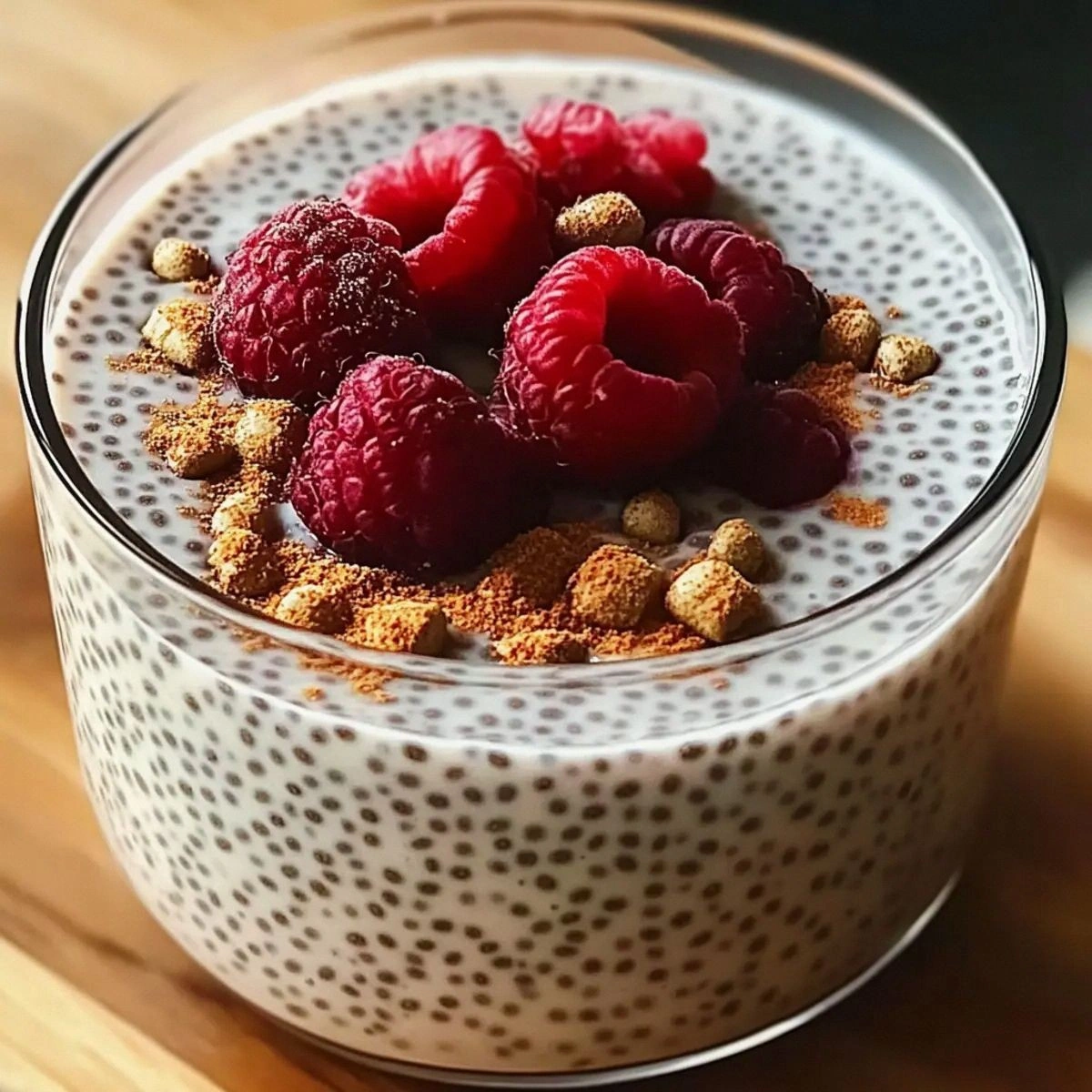
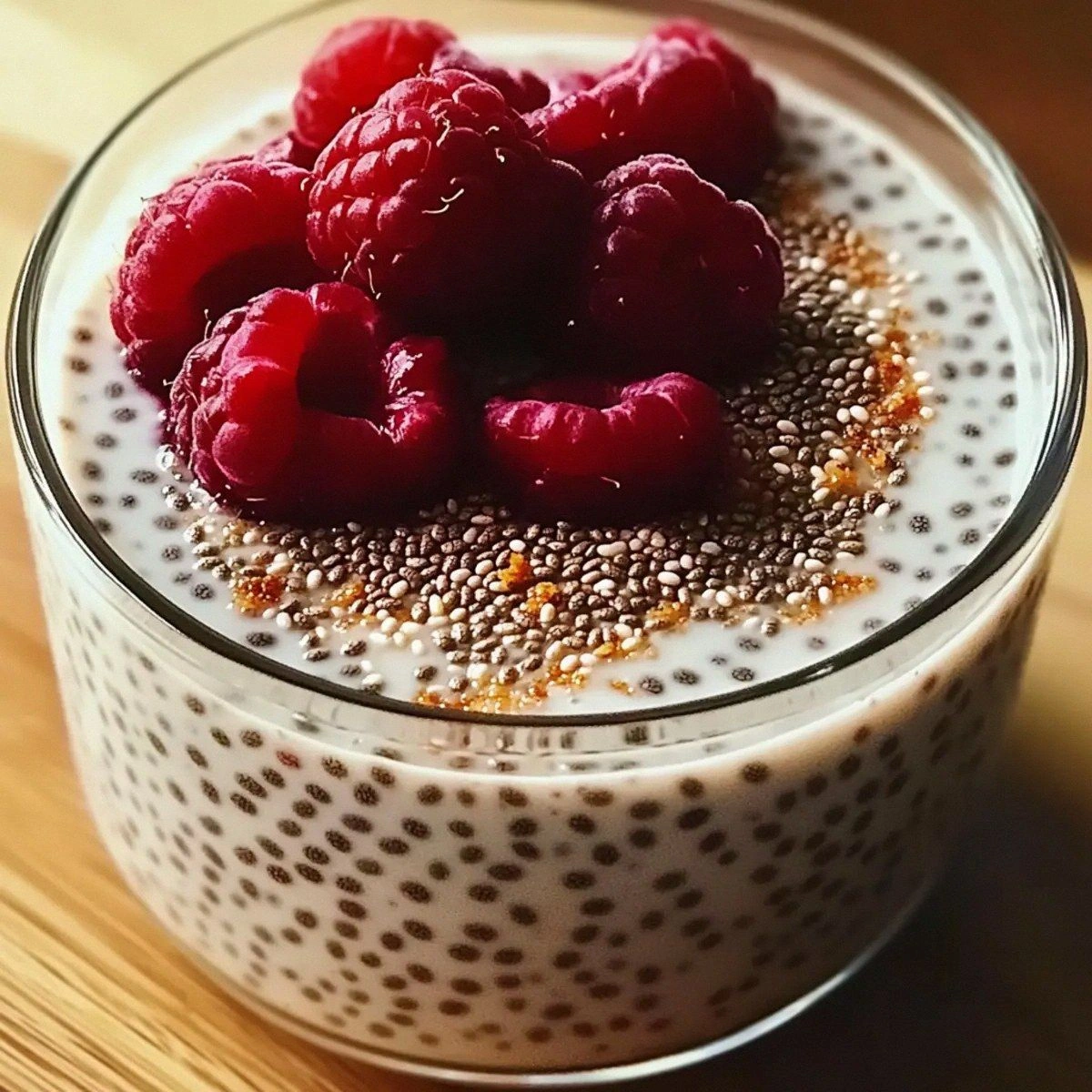
Picture yourself pulling this out of the fridge, the whole kitchen smelling incredible, the surface of the pudding shimmering with a subtle gloss from the maple syrup. The texture? Imagine a pudding that’s both creamy and speckled with tiny, satisfying pops from the chia seeds, like a constellation of flavor waiting to be explored. Most recipes get this completely wrong, either turning the chia into a soggy mess or leaving the flavors flat and forgettable. This version, however, balances the earthiness of chia with the bright, comforting notes of vanilla and cinnamon, creating a breakfast that feels like a treat but fuels you like a power‑up.
I dare you to taste this and not go back for seconds, because once you’ve experienced the perfect harmony of sweet, spice, and wholesome texture, ordinary oatmeal will never cut it again. The secret? A quick toast of the coconut and a generous sprinkle of nut‑or‑seed mix that adds a crunchy contrast, turning each bite into a multi‑layered experience. And yes, I’m throwing a bold claim out there: this is hands down the best version you’ll ever make at home, and I’m willing to bet you’ll be bragging about it at brunch for weeks.
Okay, ready for the game‑changer? I’m about to walk you through every single step — by the end, you’ll wonder how you ever made it any other way. We’ll dive into the science of chia, the art of balancing sweet and spice, and even a few tricks to keep this pudding fresh for days. Stay with me here — this is worth it.
What Makes This Version Stand Out
- Flavor Fusion: The vanilla and cinnamon aren’t just afterthoughts; they intertwine like old friends, creating a warm, aromatic base that elevates the whole dish.
- Texture Mastery: Chia seeds swell into tiny gelatinous pearls, delivering a pudding that’s creamy yet speckled with a pleasant bite.
- Simplicity: Only seven core ingredients, all pantry‑friendly, mean you can whip this up in under ten minutes before the coffee even brews.
- Unique Crunch: The toasted coconut and nut‑or‑seed mix add a surprise crunch that keeps every spoonful interesting.
- Crowd Reaction: Guests who think they’re just having a “healthy” breakfast end up asking for seconds and the recipe.
- Ingredient Quality: Using real maple syrup (not pancake syrup) adds depth, while high‑quality vanilla extract prevents a flat finish.
- Make‑Ahead Magic: This pudding improves after a few hours, as the flavors meld and the chia fully hydrates.
- Versatility: Swap milk for almond, coconut, or oat for dairy‑free, and the core experience stays spectacular.
Inside the Ingredient List
The Flavor Base
Milk is the silent hero here, providing the creamy canvas that lets the chia seeds expand without turning gummy. I always reach for whole milk because its natural fat content carries the vanilla and cinnamon like a silk scarf, but you can swap in any plant‑based milk if you’re dairy‑free. Skim milk will work, yet you’ll miss that buttery mouthfeel that makes the pudding feel indulgent. Pro tip: Choose a milk that’s unsweetened and unflavored to keep the balance spot‑on.
The Texture Crew
Chia seeds are the star of the show, absorbing up to twelve times their weight in liquid and forming a gelatinous matrix. This not only thickens the pudding but also adds a subtle nutty flavor that pairs beautifully with cinnamon. If you skip the chia, you’ll end up with a runny milk mixture that’s essentially just sweetened vanilla milk — not the pudding we’re after. For a gluten‑free guarantee, always double‑check the label; some brands add wheat starch.
The Sweet & Spice Duo
Maple syrup brings a deep, caramel‑like sweetness that sugar simply can’t mimic, while vanilla extract adds aromatic depth that makes the whole dish sing. Ground cinnamon contributes a warm, slightly peppery note that cuts through the richness of the milk. If you accidentally use cinnamon powder that’s stale, the flavor will taste flat and a bit bitter — always give your spices a quick sniff before using. A pinch of sea salt can also brighten the flavors, though it’s optional.
The Final Flourish
Fresh fruits add a burst of acidity and natural sweetness that lifts the dense pudding, while toasted coconut brings a buttery crunch that echoes the vanilla’s smoothness. The nut or seed mix (think almonds, walnuts, pumpkin seeds) adds texture and a dose of healthy fats, turning this breakfast into a balanced macronutrient powerhouse. Skipping these toppings is fine if you’re in a hurry, but you’ll miss the contrast that makes each bite feel like a celebration.
Everything's prepped? Good. Let's get into the real action...
The Method — Step by Step
Gather all your ingredients on the counter and give the chia seeds a quick rinse under cold water. This removes any dust and ensures they’ll swell evenly. I like to set a timer for 30 seconds, just to keep the momentum going. The milk should be at room temperature; if it’s straight from the fridge, give it a minute in the microwave (no more than 20 seconds) so it doesn’t shock the chia.
In a medium bowl, whisk together the milk, maple syrup, vanilla extract, and ground cinnamon. The whisk should create a thin, fragrant ribbon that smells like a bakery at dawn. If you notice any lumps, keep whisking until the mixture is glossy and uniform. This is the moment of truth — the aroma should be sweet, spicy, and utterly inviting.
Kitchen Hack: Warm the milk just enough to feel like a summer day on your wrist; this helps the cinnamon dissolve fully and prevents specks.Sprinkle the chia seeds over the liquid and give it a vigorous stir. Use a fork or a small whisk, making sure every seed is coated; otherwise, you’ll end up with clumps that feel like gum. Let the mixture sit for two minutes, then stir again — this “second‑stir” is crucial because it breaks up any seeds that tried to hide at the bottom.
Cover the bowl with plastic wrap or a lid and refrigerate for at least 30 minutes, preferably an hour. During this time, the chia will absorb the liquid and swell, turning the mixture into a thick, pudding‑like consistency. If you’re impatient, you can place the bowl in a water bath (cold) to speed up the process, but the texture will be best after a full hour.
While the pudding sets, toast the coconut and nuts. Heat a dry skillet over medium heat, add the coconut flakes, and stir constantly until they turn golden and release a nutty perfume. Transfer them to a plate to stop cooking. In the same skillet, toss the nut or seed mix for 2‑3 minutes until they’re lightly browned and fragrant.
After the chia has set, give the pudding one final stir to ensure a uniform texture. If it looks too thick, splash in a tablespoon of milk and whisk gently; if it’s too runny, let it sit another 10 minutes. The pudding should be thick enough to hold its shape when spooned, yet creamy enough to melt on your tongue.
Watch Out: Over‑stirring after the chia has set can break the gelatinous network, resulting in a watery texture.Portion the pudding into four serving glasses or bowls. Top each with a generous handful of fresh fruit — berries, sliced banana, or kiwi work beautifully. Then drizzle a tiny extra spoonful of maple syrup for visual shine, and sprinkle the toasted coconut and nut mix over the fruit. The final look should be a colorful, layered masterpiece that invites you to dive in.
Serve immediately, or if you’re prepping for the week, seal the containers and store them in the fridge. The flavors will deepen overnight, making the pudding taste even better the next morning. I like to give each jar a quick shake before eating; it re‑emulsifies any settled milk and brings the aroma back to life.
Kitchen Hack: Keep a small silicone spatula in the fridge; it slides under the pudding without breaking the seal, making reheating a breeze.
That's it — you did it. But hold on, I've got a few more tricks that'll take this to another level...
Insider Tricks for Flawless Results
The Temperature Rule Nobody Follows
Chia seeds hydrate best when the liquid is between 20‑25°C (68‑77°F). If your milk is too cold, the seeds will take longer to swell, leading to uneven texture. I always let the milk sit out for a few minutes or warm it gently, as mentioned earlier. This tiny temperature tweak reduces the set time by up to 15 minutes and yields a smoother pudding.
Why Your Nose Knows Best
Before you even taste the pudding, give it a sniff. The moment the cinnamon and vanilla hit your nostrils, you’ll know whether the balance is right. If the scent is too faint, add a pinch more vanilla; if it’s overpowering, a splash of milk will mellow it. Trusting your nose saves you from a bland first bite.
The 5‑Minute Rest That Changes Everything
After the initial 30‑minute chill, pull the pudding out, give it a quick stir, and let it rest another five minutes. This micro‑pause lets any remaining dry chia absorb leftover liquid, eliminating any hidden grainy spots. It’s a small habit that makes the texture uniformly silky.
Crunch Timing is Everything
If you toast the coconut and nuts too early, they’ll absorb moisture from the pudding and lose their crunch. I recommend toasting them just before serving, or storing them separately and adding them at the last second. This ensures each bite retains that satisfying snap.
Layer Like a Pro
When assembling, start with a thin layer of pudding, then fruit, then another pudding layer, and finish with toppings. This layering prevents the fruit from sinking and creates a visual gradient that’s as pleasing to the eye as it is to the palate. A friend tried a single‑layer approach once — the fruit turned soggy, and the experience was… disappointing.
Creative Twists and Variations
This recipe is a playground. Here are some of my favorite ways to switch things up:
Chocolate Dream
Add 1 tablespoon of cocoa powder to the milk mixture and swap maple syrup for agave nectar. Top with shaved dark chocolate and a sprinkle of sea salt. Chocolate lovers will think they’ve discovered a new breakfast ritual.
Tropical Sunrise
Replace the vanilla with a splash of coconut extract, use coconut milk instead of dairy, and fold in diced mango and pineapple. Garnish with toasted macadamia nuts for an island‑vibe that transports you to a beachside café.
Spiced Autumn
Swap half the cinnamon for ground nutmeg and add a pinch of ground cloves. Stir in a dollop of pumpkin puree before chilling, and finish with toasted pepitas. This version is perfect for crisp fall mornings.
Berry Blast
Blend a handful of fresh berries into the milk before adding the chia. The natural pigments turn the pudding a beautiful pink, and the extra fruit adds a burst of acidity that brightens the overall flavor.
Protein Power
Stir in a scoop of vanilla whey or plant‑based protein powder after the chia has set. This boosts the protein content without altering the texture, making it an ideal post‑workout breakfast.
Storing and Bringing It Back to Life
Fridge Storage
Transfer the pudding to airtight glass jars or BPA‑free containers. It will keep fresh for up to five days. Before serving, give each jar a gentle shake or stir to re‑incorporate any settled milk. If the pudding looks a bit thick, add a splash of milk and stir; the texture will return to its silky self.
Freezer Friendly
Yes, you can freeze this pudding! Portion into freezer‑safe containers, leaving a little headspace. Freeze for up to one month. To thaw, move the container to the fridge overnight, then stir in a tablespoon of milk to revive the creamy consistency.
Best Reheating Method
If you prefer a warm breakfast, microwave a single serving for 30‑45 seconds, stirring halfway. Add a tiny splash of water or milk before heating; the steam it creates will bring the pudding back to its original plush texture without turning it rubbery.