It all started with a frantic midnight scramble and a stack of flour‑covered counter space that looked more like a disaster zone than a kitchen. I had been trying to impress a group of friends with what I thought were classic French crepes, but every attempt ended in thick, lumpy batter that refused to spread into the thin, translucent sheets we all know and love. That night, I laughed, tasted a ruined batch, and swore that there had to be a simpler, more reliable way to get that silky, almost buttery finish without the frustration.
Imagine the moment your batter hits the hot skillet: a gentle hiss, the faint scent of toasted flour, and a quick, almost imperceptible shimmer as the edges begin to lift. The sound is almost a whisper, the texture a silky ribbon that slides off the pan like a smooth river. You can almost taste the subtle sweetness of the milk mingling with the faint buttery aroma, all while the surface remains perfectly matte, not greasy or scorched. The sight of a golden‑brown rim curling up just right feels like a small victory in a kitchen that can often feel chaotic.
What makes this version of crepes stand out is that it strips away the guesswork and replaces it with a handful of foolproof tweaks that elevate every bite. From the precise balance of wet to dry to the subtle addition of a touch of sugar and the secret resting period, each element is chosen to give you a result that feels both effortless and indulgent. It’s the kind of recipe that turns a potential kitchen mishap into a triumphant moment of culinary confidence.
And here’s the twist you won’t expect: I’ve swapped the traditional milk‑only liquid for a 50/50 milk‑water blend that keeps the batter light yet cohesive, and I’ve added a splash of melted butter to the mix before cooking to lock in moisture and give the crepes that coveted buttery sheen. That single adjustment changes the whole dynamic, making the batter glide through the pan like a well‑oiled blade.
Okay, ready for the game‑changer? Let me walk you through every single step — by the end, you’ll wonder how you ever made it any other way.
What Makes This Version Stand Out
- Texture: The batter’s consistency is thin enough to spread effortlessly but thick enough to hold shape, giving you a silky interior and a crisp edge that shatters like thin ice.
- Flavor: A subtle hint of vanilla and a dash of sugar elevate the natural nuttiness of the flour without overpowering it, creating a balanced taste that feels both sweet and savory.
- Speed: Every step can be completed in under 30 minutes, making this a go-to recipe for quick breakfasts, brunches, or impromptu dessert parties.
- Versatility: The base can be dressed up with fruit, chocolate, herbs, or even smoked salmon, turning a simple crepe into a gourmet canvas.
- Make‑ahead: The batter can be whisked ahead of time and stored in the fridge for up to 24 hours, and the cooked crepes keep their moisture when wrapped properly.
- Audience: Whether you’re a seasoned cook or a kitchen rookie, the clear instructions and visual cues make this recipe approachable for all.
Alright, let's break down exactly what goes into this masterpiece...
Inside the Ingredient List
The Flavor Base
All-purpose flour is the backbone of the crepe, providing structure without heaviness. Choosing a high‑protein flour gives a subtle chew that balances the silky interior. If you prefer a gluten‑free option, oat flour works surprisingly well, but keep the ratio the same to avoid a gummy texture. Remember, the flour must be sifted to eliminate clumps; a smooth batter is the secret to uniform crepes.
The Texture Crew
Eggs act as both binder and leavening agent, giving the crepes lift and a rich mouthfeel. Whole milk adds creaminess, while a splash of water keeps the batter fluid and prevents it from thickening too quickly. The melted butter not only adds flavor but also creates a protective layer on the skillet, ensuring a non‑stick surface and a glossy finish. Salt is essential to bring out the subtle sweetness of the batter and to balance the flavors.
The Unexpected Star
A tablespoon of granulated sugar is the quiet hero that rounds out the taste profile, giving a gentle caramel note without making the crepes overly sweet. It also helps the batter set slightly faster, which is handy when you’re working on a tight schedule. If you’re watching sugar, a teaspoon of honey or maple syrup can be a fine substitute, though it will slightly alter the flavor.
The Final Flourish
A teaspoon of vanilla extract is the finishing touch that turns this simple batter into a fragrant, almost indulgent base. Vanilla binds the flavors together and gives the crepes a subtle aroma that lingers on the plate. For a savory twist, replace vanilla with a pinch of dried thyme or oregano, and you’ll have a herbaceous crepe ready for fillings like goat cheese or sautéed mushrooms.
Everything's prepped? Good. Let's get into the real action...
The Method — Step by Step
- In a large mixing bowl, whisk together the eggs, milk, and water until the mixture is smooth. The goal is to dissolve the eggs fully; a few bubbles are fine, but no lumps. This liquid base sets the stage for the flour to incorporate evenly.
- Gradually add the sifted flour while whisking continuously to avoid clumps. Think of the batter as a liquid silk; you want it silky, not gritty. If you see any lumps, give the mixture a quick stir or run it through a fine sieve.
- Stir in the melted butter, salt, sugar, and vanilla extract until the batter is completely smooth. The butter should be warm but not hot, so it blends in without curdling the eggs. This step is where the flavor truly starts to bloom.
- Rest the batter: Cover the bowl with plastic wrap and let it sit at room temperature for 20–30 minutes. The rest allows the flour to fully hydrate, which results in a tender crepe that doesn’t tear when you flip it.
- Heat the skillet: Place a non‑stick or well‑seasoned cast‑iron skillet over medium heat. Let it warm for about 2 minutes; a drop of water should dance on the surface and evaporate almost immediately.
- Grease the pan: Lightly brush the skillet with a small amount of butter or oil using a paper towel. This ensures a perfect non‑stick surface and gives the crepe that golden sheen.
- Pour the batter: Pour a small ladleful (about 1/4 cup) of batter into the center of the hot skillet. Immediately tilt and swirl the pan to spread the batter thinly and evenly across the surface. The batter should form a circle about 6–8 inches in diameter.
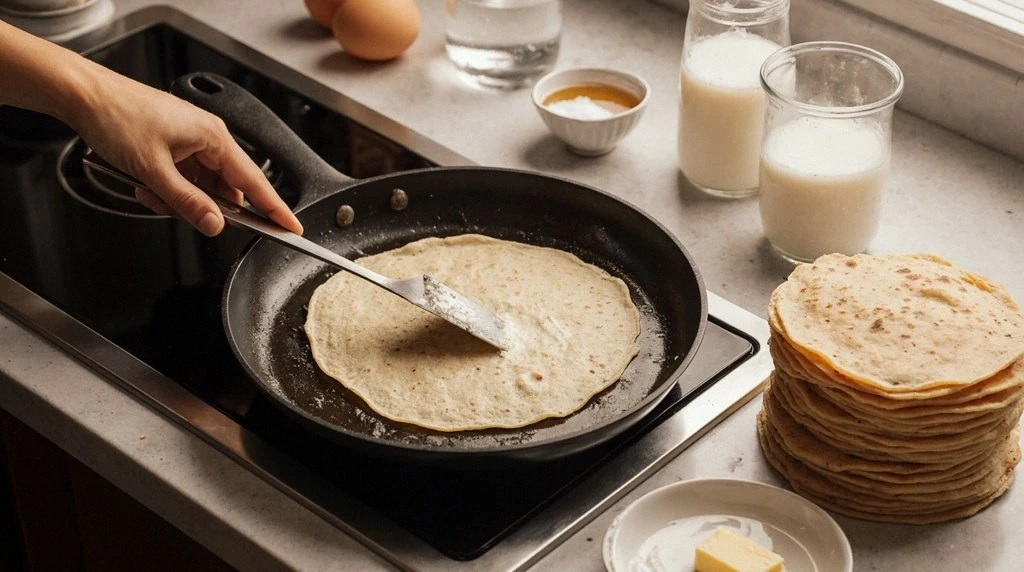
- Cook the first side: Let the crepe cook for 1–2 minutes until the edges lift and the underside is a light golden color. The top will appear slightly translucent. Do not rush this step; a gentle flip later ensures a clean release.
- Flip: Use a thin spatula to lift the crepe from one edge, then carefully flip it over. The second side should cook for only about 30 seconds, just enough to set the color without overcooking.
- Repeat: Continue this process with the remaining batter, adding a little more butter to the skillet as needed between batches. Stack finished crepes on a plate and cover loosely with foil to keep them warm.
That's it — you did it. But hold on, I've got a few more tricks that'll take this to another level...
Insider Tricks for Flawless Results
The Temperature Rule Nobody Follows
Many cooks assume that high heat is the key to a quick cook, but the truth is that a medium‑low temperature allows the batter to spread evenly and prevents scorching. Test the skillet by flicking a tiny drop of batter; if it sizzles gently and spreads in a circle, the heat is just right. A common mistake is to keep the pan too hot, which causes the edges to brown too fast while the center remains raw.
Why Your Nose Knows Best
Before you flip, give the crepe a quick sniff. A faint, buttery aroma indicates that the first side is perfectly cooked. If the smell is too faint, the crepe needs a bit more time; if it’s too strong, it may be overdone. Trusting your nose is a quick, foolproof way to avoid the dreaded “burnt on the outside, raw on the inside” scenario.
The 5‑Minute Rest That Changes Everything
After you finish the batter, let it rest for five minutes before cooking. This brief pause allows the gluten to relax and the flour to fully absorb the liquids, resulting in a tender, pliable crepe. I once skipped this step and ended up with crepes that cracked when I tried to roll them; the rest made all the difference.
The Right Pan Matters
A non‑stick skillet is a must, but a seasoned cast‑iron pan can add a subtle depth of flavor and a superior browning effect. If you use a stainless steel pan, preheat it longer and use a generous amount of butter to prevent sticking. The right pan ensures that each crepe lifts cleanly with a single swipe.
The Butter Buttering Technique
Instead of adding butter to the batter, melt a tablespoon of butter in the pan and let it foam before pouring the batter. The foamy butter creates a micro‑bubbles layer that keeps the crepe from sticking and gives it a glossy finish. This technique also helps the crepe develop a slightly caramelized edge, adding a subtle crunch.
Creative Twists and Variations
This recipe is a playground. Here are some of my favorite ways to switch things up:
Sweet Berry Burst
Fill the crepe with a mix of fresh strawberries, blueberries, and a drizzle of honey. The natural sweetness pairs perfectly with the mild crepe flavor, creating a dessert that feels both indulgent and light. Serve with a dusting of powdered sugar for extra flair.
Chocolate Ganache Delight
Swirl melted dark chocolate into the batter before cooking for a rich, chocolatey base. Top with a spoonful of chocolate ganache and a sprinkle of sea salt. The ganache melts into the warm crepe, creating a decadent experience that satisfies any chocolate craving.
Savory Goat Cheese & Spinach
Spread a layer of goat cheese and sautéed spinach over the first half of the crepe before folding. The tangy goat cheese balances the earthy spinach, while the crepe’s neutral flavor holds it all together. Finish with a drizzle of olive oil and a pinch of cracked pepper.
Lemon Ricotta Swirl
Stir lemon zest and a splash of lemon juice into a dollop of ricotta before spreading it on the crepe. The bright citrus lifts the mild ricotta, creating a refreshing, palate‑cleaning bite. Pair with a light drizzle of honey for a sweet‑savory harmony.
Sausage & Herb Crumble
Cook diced sausage with fresh herbs like thyme and rosemary, then spoon it onto the crepe. The savory, aromatic filling makes for a hearty breakfast or brunch option. Add a splash of cream to the sausage mixture for extra richness.
Storing and Bringing It Back to Life
Fridge Storage
Cool the crepes to room temperature, then stack them with parchment paper between each layer. Wrap the stack in plastic wrap and place it in the refrigerator for up to 48 hours. When ready to serve, reheat in a dry skillet over medium heat for 30 seconds on each side.
Freezer Friendly
Freeze individual crepes on a parchment‑lined tray for 2–3 hours until solid, then transfer them to a freezer bag. Store for up to 3 months. To reheat, pop a crepe into a preheated skillet for 20–30 seconds on each side; the result is almost as fresh as the original.
Best Reheating Method
The secret to restoring moisture is to add a tiny splash of water (about a tablespoon) to the skillet before reheating. The water creates steam that gently rehydrates the crepe without making it soggy. After reheating, finish with a light dusting of powdered sugar or a squeeze of fresh lemon juice for extra brightness.