Picture this: I’m standing in my tiny kitchen, the fridge door slamming shut behind me, and a friend’s frantic text blaring on my phone: “I’m starving, but I can’t decide what to cook.” My mind instantly goes to the pantry, the cupboard, the stack of canned tomatoes, the bag of frozen peas, and my heart beats in sync with the sizzling pan that’s about to become the heart of this dish. I’m not talking about a bland, generic soup that’s been on the menu for a decade. I’m talking about a bowl of warmth that feels like a hug, a recipe that has survived countless kitchen mishaps and still comes out tasting like a culinary triumph.
That evening, I pulled out a handful of fresh carrots, a couple of celery stalks, a small zucchini, and a handful of lentils. The air filled with the earthy aroma of garlic and the bright, citrusy note of tomatoes. My stove was already humming, and the pot was waiting like an eager audience. I dared myself to create something that would make my taste buds dance, something that would challenge the notion that vegetable soup is just a side dish. The result? A bowl of comfort that I’m still bragging about to my friends, and a recipe that has earned the title “the best homemade vegetable soup you’ll ever make.”
What sets this version apart isn’t just the ingredients; it’s the method, the timing, the subtle balance of flavors that come together like a well‑orchestrated symphony. The carrots are caramelized to bring out their natural sweetness, the lentils soak up the broth for a hearty bite, and the bay leaf and thyme give a fragrant, herbaceous backdrop that’s almost impossible to forget. I’ve discovered that adding a pinch of red pepper flakes right before serving adds a gentle heat that elevates every spoonful.
Now, I’m going to walk you through every single step, from the first chop to the last ladle. By the end of this post, you’ll wonder how you ever made vegetable soup any other way. Trust me, I’ll be honest—my kitchen has seen some serious soup disasters, but this one is a game‑changer. I dare you to taste this and not go back for seconds.
Let’s get started. If you’ve ever struggled with bland, watery soups, you’re not alone—and I’ve got the fix. Stay with me here, because this is worth it. I promise you’ll be amazed by how simple it is to transform everyday veggies into a bowl of pure comfort.
What Makes This Version Stand Out
- Flavor Depth: The combination of sautéed aromatics, lentils, and fresh herbs creates layers of flavor that keep you coming back for more. Each bite reveals a new nuance, from the gentle sweetness of carrots to the earthy undertone of lentils.
- Texture Play: The soup balances smoothness and bite. The lentils stay tender yet firm, while the carrots and potatoes provide a satisfying chew that prevents the dish from feeling mushy.
- Convenience: Every step is designed to save you time. The sauté phase doubles as a flavor base, eliminating the need for a separate stock. The soup can be made in under an hour, making it perfect for busy weeknights.
- Versatility: It’s a blank canvas. Swap in your favorite veggies, adjust the spice level, or add protein like chicken or tofu. The base is robust enough to hold any variation.
- Make‑Ahead Friendly: The soup’s flavors actually deepen overnight. It’s ideal for meal prep, and you’ll have a comforting bowl waiting in the fridge or freezer.
- Nutrition Boost: Packed with fiber, vitamins, and protein from lentils, this soup satisfies without the heaviness. It’s a wholesome choice for any diet.
- Visual Appeal: The vibrant colors of tomatoes, green beans, and zucchini make the dish look as good as it tastes. A splash of parsley adds a fresh pop.
- Heart‑warming Aroma: The scent of garlic, thyme, and bay leaf fills the kitchen, turning your home into a sanctuary of comfort.
Alright, let's break down exactly what goes into this masterpiece…
Inside the Ingredient List
The Flavor Base
At the heart of this soup is the sautéed onion, garlic, and olive oil. The olive oil melts the aromatics, releasing their sugars and building a fragrant foundation. If you skip this step, you’ll miss the depth that makes the broth sing. For a smoky twist, add a pinch of smoked paprika before the onions. If you’re on a low‑fat diet, you can replace olive oil with a neutral oil, but be aware it will alter the mouthfeel.
The Texture Crew
Carrots, celery, potatoes, and green beans are the textural backbone. They provide crunch, chew, and body. Cutting the veggies into uniform pieces ensures even cooking. If you prefer a smoother soup, blanch the potatoes and carrots before adding them, then blend the top third of the soup for a silky consistency. Remember, the potatoes should stay slightly firm; they’re the “heart” of the bowl.
The Unexpected Star
Lentils are the unsung hero. They soak up the broth and release a subtle nutty flavor that grounds the dish. If you’re short on time, pre‑soaked lentils or canned lentils work fine, but the cooking time will adjust. If you’re a vegetarian, these lentils double as protein. For a vegan version, simply keep all other ingredients plant‑based.
The Final Flourish
Fresh herbs—thyme, parsley, bay leaf—add a burst of green freshness. The bay leaf gives an earthy aroma, while the thyme brings a piney note. Parsley finishes the soup with a bright, clean flavor. If you’re out of fresh herbs, a teaspoon of dried herbs works, but add them later in the cooking process to preserve their potency. The red pepper flakes give a gentle heat that ties the flavors together.
Everything's prepped? Good. Let's get into the real action…
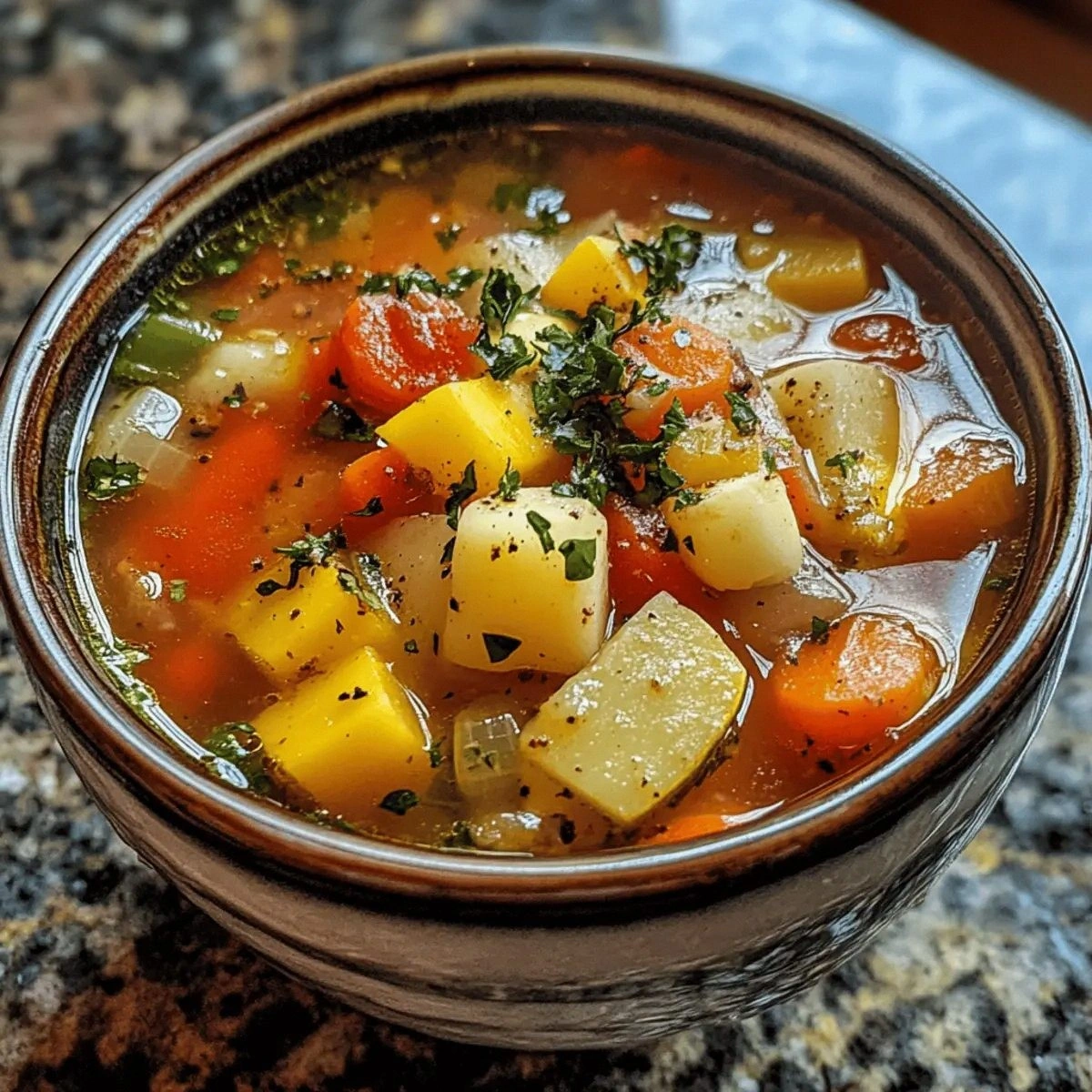
The Method — Step by Step
- Step 1: Sauté the aromatics. Heat the olive oil in a large pot over medium heat. Add diced onion and minced garlic, cooking until the onion turns translucent and the garlic releases its fragrance—about 3 to 4 minutes. Watch the sizzle; it should sound like a gentle crackle, not a roar. This is the moment of truth: the base of your soup’s flavor.
- Step 2: Add the vegetables. Toss in the carrots, celery, potatoes, and green beans. Stir to coat them in oil and aromatics. Let them cook for 5 minutes, allowing them to soften slightly but still retain their shape. The edges should start to pull away, giving a hint of caramelization.
- Step 3: Layer in the lentils and tomatoes. Stir in the lentils, followed by diced tomatoes. The tomatoes will break down, creating a natural broth. Add the vegetable broth and enough water to cover the ingredients by an inch. Bring to a gentle boil.
- Step 4: Season the broth. Add bay leaf, thyme, red pepper flakes, salt, and black pepper. The bay leaf should sit in the pot, infusing its aroma. Keep the heat low; you want a simmer, not a rolling boil, to maintain the delicate flavors.
- Step 5: Simmer. Reduce heat to low and let the soup simmer for 25 to 30 minutes. The lentils should be tender but not mushy, and the vegetables should be cooked through. Stir occasionally to prevent sticking.
- Step 6: Finish with fresh herbs. Remove the bay leaf. Stir in chopped parsley and a splash of fresh lemon juice if you like a bright finish. The lemon brightens the soup and balances the earthiness.
- Step 7: Taste and adjust. Taste the soup; add more salt, pepper, or red pepper flakes to suit your palate. If the soup is too thick, add a splash of water or broth.
- Step 8: Serve. Ladle into bowls, garnish with a drizzle of olive oil or a sprinkle of grated Parmesan if you’re not vegan. Serve hot, and watch the steam rise like a comforting cloud.
That’s it — you did it. But hold on, I've got a few more tricks that'll take this to another level. If you want that extra layer of depth, consider adding a splash of soy sauce or a tablespoon of tomato paste during the sauté phase. These small tweaks can elevate the soup from good to unforgettable.
Insider Tricks for Flawless Results
The Temperature Rule Nobody Follows
Many cooks throw everything in at once, but the secret is to let the vegetables soften before adding lentils. This prevents the lentils from overcooking and becoming mushy. Keep the heat low after adding the broth; a gentle simmer preserves the flavors and textures.
Why Your Nose Knows Best
As the soup simmers, the aroma will evolve. If you notice a hint of bitterness, it means the lentils are starting to break down. Add a pinch of sugar or a splash of tomato sauce to balance it out. Trust your nose; it’s the best judge of flavor.
The 5-Minute Rest That Changes Everything
After simmering, let the soup rest for five minutes before serving. This allows the flavors to settle and the lentils to finish absorbing the broth. The rest also helps the soup thicken slightly, giving it a more satisfying body.
Using Fresh vs. Frozen Veggies
Fresh vegetables bring bright flavors, but frozen veggies are a convenient alternative. If you use frozen, add them directly to the pot; they’ll release moisture and help thicken the broth naturally.
Adjusting the Spice Level
Red pepper flakes are optional. If you prefer a milder soup, replace them with a dash of smoked paprika or a pinch of cumin. Each spice adds a different dimension, so experiment to find your favorite.
Creative Twists and Variations
This recipe is a playground. Here are some of my favorite ways to switch things up:
Spicy Southwestern
Swap the lentils for black beans, add corn, and sprinkle cumin and smoked paprika. Finish with a squeeze of lime and a handful of chopped cilantro. This version feels like a bowl of salsa in liquid form.
Italian Comfort
Replace lentils with small pasta shapes like ditalini. Add a handful of spinach at the end and finish with a drizzle of extra‑virgin olive oil and a sprinkle of grated Parmesan. It’s like a hearty minestrone.
Asian Fusion
Use vegetable broth infused with ginger and lemongrass. Add sliced bok choy and a splash of soy sauce. Garnish with toasted sesame seeds. This gives a bright, umami punch.
Mexican Twist
Include diced bell peppers, a spoonful of tomato paste, and a pinch of chipotle powder. Serve with warm corn tortillas and a dollop of sour cream. It’s a soup that doubles as a taco filling.
Breakfast Bowl
Serve the soup with a poached egg on top, a sprinkle of chives, and a drizzle of hot sauce. The egg adds protein, making it a satisfying breakfast.
Hearty Stew
Thicken the soup by adding a handful of cooked quinoa or barley. Stir in diced ham or sausage for a non‑vegetarian option. This turns the soup into a comforting stew.
Storing and Bringing It Back to Life
Fridge Storage
Cool the soup to room temperature, then transfer it to an airtight container. Store in the refrigerator for up to 4 days. When reheating, add a splash of water or broth to loosen the consistency.
Freezer Friendly
Portion the soup into freezer bags or containers, leaving a little headspace. Freeze for up to 3 months. Thaw overnight in the fridge before reheating.
Best Reheating Method
Reheat on the stove over medium heat, stirring frequently. Add a tablespoon of olive oil or a splash of water if the soup is too thick. Bring to a gentle simmer, then serve.
Now that you’ve mastered the base, you can experiment with variations and storage techniques. The best part? You’ll have a comforting bowl ready whenever you need it, whether it’s a quick lunch or a cozy dinner. The next time you’re in the kitchen, remember this recipe, and let it become your go-to comfort food.