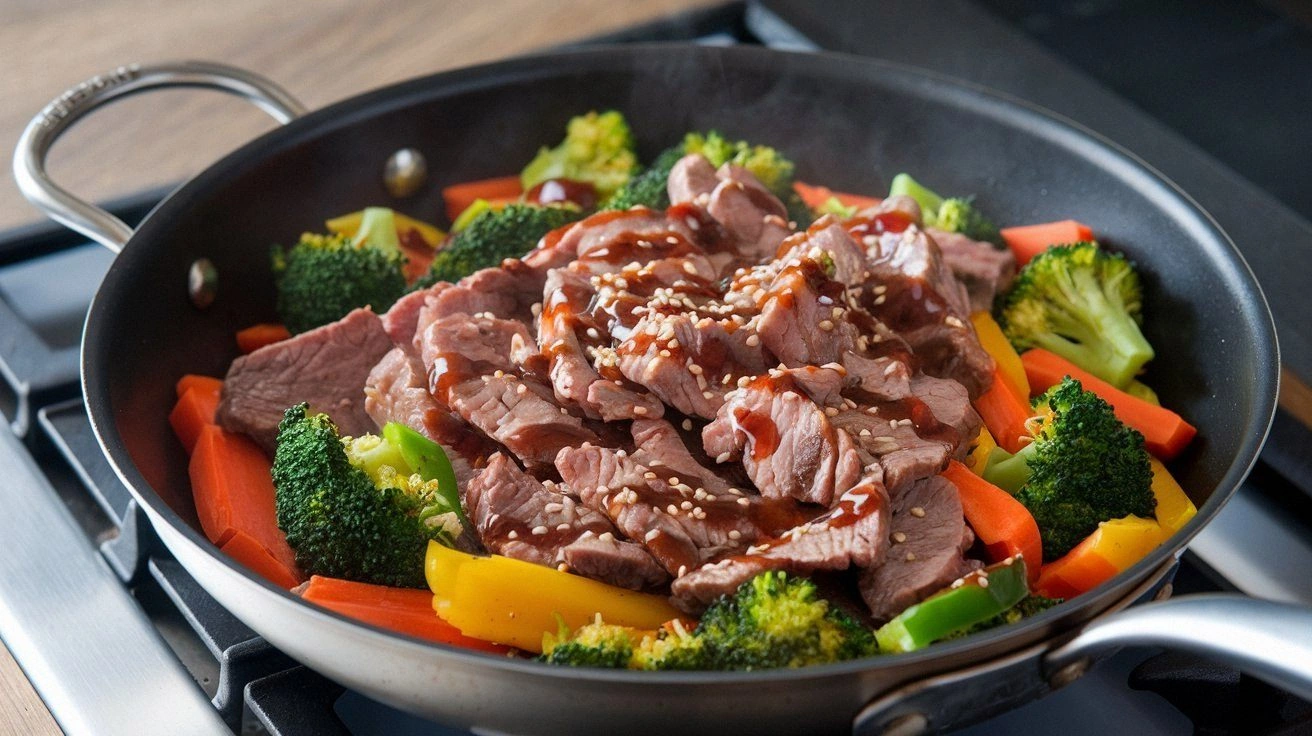
I was in a panic, standing in front of a stove that had just betrayed me with a burnt pan and a burnt-out spirit. The kitchen was a mess, my confidence was low, and the only thing that could salvage the night was a plate of steak that could make even the most skeptical foodie swoon. I dared my friends to taste this and not go back for seconds, and they all agreed—because I’m not one to back down from a challenge. The moment the steak hit the pan, the sizzle was a drumroll, the garlic released a sweet perfume, and the butter melted into a glossy, fragrant glaze that coated the meat like velvet. The smell alone turned a chaotic evening into a promise of comfort food that could turn any dinner into a celebration. By the end of this post, you’ll wonder how you ever made steak and Brussels sprouts any other way.
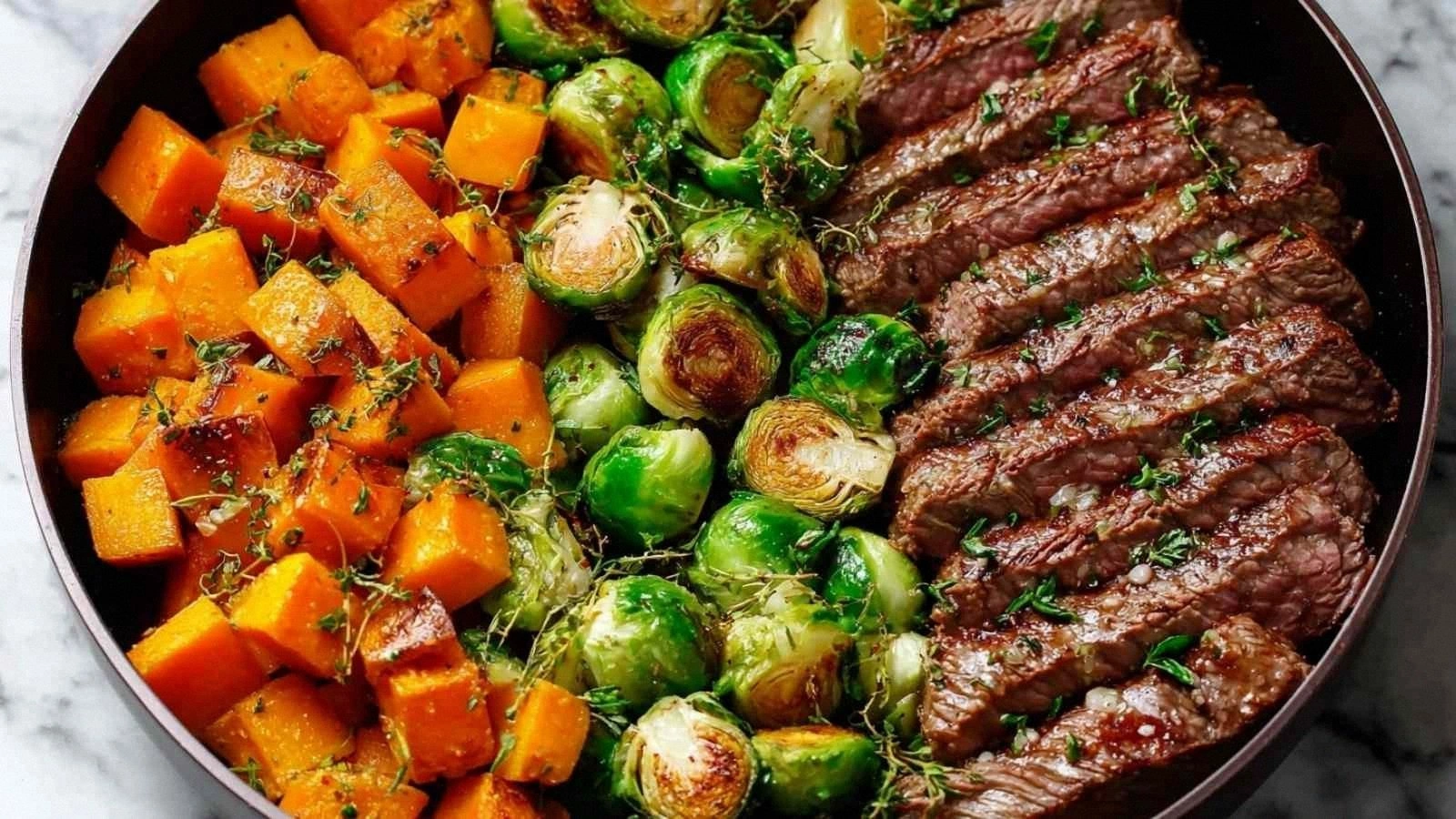
Picture the scene: a crisp autumn afternoon, the air carrying a hint of pine from the nearby woods, and the kitchen glowing with the golden light of the setting sun. The butternut squash, cut into perfect cubes, glistens like tiny suns as it bounces into the hot pan. The Brussels sprouts, their edges crisping into a caramelized crunch, pop and crackle like tiny fireworks. The steak, seasoned with smoked paprika and chili powder, emits a deep, savory aroma that makes your mouth water before you even taste it. The garlic, minced to a fine paste, releases a warm, almost buttery scent that lingers on the air, promising layers of flavor. The thyme, fresh and green, adds a subtle herbal note that ties everything together in a harmonious symphony.
What sets this version apart is the deliberate balance of textures and flavors that each component brings. The butternut squash isn’t just a side; it’s a sweet, creamy counterpoint that softens the bite of the steak. The Brussels sprouts are not merely tossed; they’re caramelized to a depth of flavor that rivals the best of roasted vegetables. The steak’s seasoning is a low‑key, smoky kick that doesn’t overpower but enhances the meat’s natural savoriness. The garlic butter sauce is silky and aromatic, coating the steak and vegetables in a luscious glaze that’s both indulgent and restrained. This dish feels like a single, cohesive story rather than a collection of disparate parts. It’s the kind of meal that makes you question why you ever settled for anything less.
And here’s the kicker: I used a technique that most people overlook—searing the steak at a high temperature, then finishing it in the oven while the vegetables roast together. This method locks in juices and creates a crust that’s both crunchy and tender, while the oven ensures even cooking and caramelization. I’m going to walk you through every single step, from prep to plating, so that by the end, you’ll wonder how you ever made it any other way. This isn’t just another recipe; it’s a culinary experience that will elevate your dinner game and impress your guests.
What Makes This Version Stand Out
- Flavor Complexity: The combination of smoked paprika, chili powder, and fresh thyme creates layers of heat and herbaceousness that dance on the palate. Each spice is carefully measured to enhance, not mask, the natural flavors of steak and vegetables. The result is a dish that feels both bold and balanced, like a well‑composed symphony. This depth of flavor sets it apart from generic steak recipes that rely on salt and pepper alone.
- Texture Harmony: The steak’s seared crust contrasts with its juicy interior, while the Brussels sprouts achieve a caramelized crunch that’s almost addictive. The butternut squash adds a silky, buttery softness that contrasts with the crisp edges of the sprouts. This interplay of textures keeps every bite interesting and satisfying. It’s a sensory experience that elevates the dish beyond ordinary comfort food.
- Ease of Execution: Despite its gourmet feel, the recipe is straightforward and requires minimal prep time. A few quick steps—seasoning, searing, roasting—are all that’s needed to bring out the best in each component. Even novice cooks can master this dish with confidence. The simplicity of the method ensures that the focus stays on flavor, not on complicated techniques.
- Ingredient Quality: Using fresh, high‑quality ingredients—like a fresh flank steak and hand‑picked Brussels sprouts—makes the difference between a good meal and a great one. The butter is unsalted, and the olive oil is cold‑pressed, ensuring that each component shines. The fresh thyme adds a bright, herbal note that only fresh herbs can provide. Quality ingredients are the backbone of this dish’s success.
- Crowd‑Pleaser Factor: Whether you’re cooking for a romantic dinner or a family gathering, this dish is guaranteed to impress. The savory, smoky flavors are universally appealing, and the colorful presentation adds visual appeal. The dish can be easily scaled up or down, making it adaptable for any occasion. Guests will leave the table satisfied and wanting more.
- Versatility: While the base recipe is delicious as is, it opens the door to endless variations—from swapping flank steak for ribeye to adding a splash of wine to the sauce. The method works with other vegetables, too, such as asparagus or sweet potatoes. This flexibility means you can tailor the dish to your taste or to what’s on hand. The recipe’s core remains intact no matter how you tweak it.
- Make‑Ahead Potential: The steak can be pre‑marinated, and the vegetables can be roasted in advance, making the dish ideal for busy evenings. You can reheat the steak quickly in a skillet, and the roasted vegetables retain their flavor and texture. The sauce can be reheated gently without losing its richness. This makes the recipe a practical choice for weeknight dinners.
Inside the Ingredient List
The Flavor Base
The foundation of this dish lies in the careful selection of seasonings and aromatics. The smoked paprika adds a subtle, smoky undertone that elevates the steak’s natural umami. The chili powder introduces a mild heat that keeps the dish from feeling flat. Fresh thyme, with its bright, herbal aroma, provides a final lift that ties all the flavors together. Together, these ingredients form a flavor base that is both complex and approachable.
If you skip the smoked paprika, you’ll miss that smoky depth that makes the steak feel restaurant‑quality. The chili powder is optional, but it adds a pleasant warmth that balances the sweetness of the squash. Thyme can be replaced with rosemary or oregano if you’re experimenting, but the fresh version offers a clean, bright finish. Each spice works in harmony, ensuring that no single flavor overpowers the others.
The key to a great flavor base is to let the spices sit on the steak for at least 15 minutes before cooking. This allows the meat to absorb the aromatics, resulting in a richer taste. If you’re in a hurry, you can sprinkle the spices directly onto the steak just before searing; the high heat will still impart flavor. Remember that the seasoning is the first impression your guests will have, so make it count.
When selecting fresh thyme, look for bright green leaves with a delicate fragrance. Avoid wilted or yellowed stems, as they can introduce bitterness. A pinch of dried thyme is also acceptable, but fresh is always preferable for a vibrant taste. The quality of your herbs can make the difference between a good dish and a memorable one.
The Texture Crew
Texture is everything when it comes to a memorable plate. The butternut squash should be diced into cubes that are uniform in size, ensuring even roasting. The Brussels sprouts must be trimmed and halved, with the stems cut off to promote even caramelization. The steak, sliced against the grain, will offer a tender bite that contrasts with the crisp vegetables.
If you leave the squash cubes uneven, you’ll end up with some pieces that are undercooked while others are overdone. The Brussels sprouts benefit from a quick toss in olive oil and seasonings before roasting; this promotes a caramelized exterior and a tender interior. The steak’s sear should be quick—about 2-3 minutes per side—so the interior stays juicy and the exterior develops a flavorful crust.
A common mistake is overcrowding the pan when searing the steak. If the pan is too full, the meat will steam instead of sear, leading to a loss of flavor and texture. Instead, cook the steak in batches if necessary, giving each piece enough room to develop that coveted crust. This small adjustment can transform the dish from good to unforgettable.
When you’re roasting the vegetables, spread them in a single layer on the baking sheet. This ensures even heat distribution and allows the edges to crisp up nicely. If you stack them, you’ll get uneven cooking and a less desirable texture. A quick toss halfway through the roasting time will further ensure uniform caramelization.
The Unexpected Star
While the steak, squash, and sprouts are the obvious stars, the garlic butter sauce is the hidden hero that brings everything together. The butter’s richness coats the steak and vegetables, creating a glossy, flavorful glaze that elevates the dish. The garlic adds a savory depth that lingers on the palate, while the thyme provides a fresh finish. This sauce is the secret sauce that turns an ordinary meal into a gourmet experience.
If you skip the butter, the dish will still be tasty, but it will lack that velvety, indulgent quality that makes it feel special. The garlic should be minced finely to release its aroma fully; a coarse chop will not provide the same depth of flavor. Fresh thyme leaves are more aromatic than dried, so they’re the best choice for this sauce. Together, these elements create a sauce that’s both luxurious and approachable.
The key to a great garlic butter sauce is to melt the butter over low heat and let the garlic sauté gently until it turns golden. If you let the garlic burn, it will turn bitter and ruin the sauce’s delicate flavor profile. Keep the heat low to maintain the butter’s silky texture. This small detail is crucial for a sauce that feels indulgent without being overpowering.
When serving, drizzle the sauce over the steak and vegetables just before plating. This ensures that every bite is coated with the buttery, garlicky goodness. If you prefer a more robust flavor, you can add a splash of white wine to the sauce after the butter has melted. The wine will deglaze the pan and add a subtle acidity that balances the richness.
The Final Flourish
The final flourish is the plating and presentation. A drizzle of olive oil, a sprinkle of fresh thyme, and a pinch of sea salt can transform the dish from simple to spectacular. The colors—golden squash, deep green sprouts, and the rich brown steak—create a visual feast that’s almost too beautiful to eat. The aroma alone will have your guests lining up for a taste.
When plating, arrange the steak slices in a fan shape, placing the roasted vegetables in a contrasting pile. This not only looks appealing but also ensures that each bite has a balanced mix of flavors. A small spoonful of the garlic butter sauce should be placed in the center of the plate, allowing diners to drizzle it as they wish. The final touch of fresh thyme adds a burst of color and aroma.
If you want to elevate the presentation even further, consider adding a sprinkle of toasted pine nuts or a drizzle of balsamic reduction. These accents add crunch and a touch of sweetness that complement the savory elements. The key is to keep the plate uncluttered while highlighting the main components. A well‑plated dish will impress both the eyes and the palate.
Everything’s prepped? Good. Let’s get into the real action and bring these flavors to life.
The Method — Step by Step
- Preheat the oven to 400°F (200°C). While the oven warms, prepare the vegetables by tossing the butternut squash cubes with 1 tablespoon of olive oil, smoked paprika, and a pinch of salt and pepper. Spread them on a baking sheet in a single layer, ensuring they aren’t crowded. The oven’s heat will caramelize the edges, creating a sweet, slightly crunchy texture that’s irresistible. A quick glance at the tray will confirm the squash is starting to brown—keep an eye on it, but don’t overcook. This step sets the stage for the rest of the dish.
- Trim and halve the Brussels sprouts. Remove any yellow or wilted leaves and cut off the stem ends. Toss the sprouts with 1 tablespoon of olive oil, salt, and pepper, then spread them on a separate baking sheet. The high heat will produce a caramelized crust while keeping the interior tender. Remember to flip them halfway through the roasting time for even cooking. The aroma that fills the kitchen will be a precursor to the flavors that will soon dominate your palate. This step ensures the sprouts have the perfect crunch.
- Season the steak. Pat the flank steak dry with paper towels to promote a good sear. Rub both sides with 1/4 teaspoon smoked paprika, 1/4 teaspoon chili powder, 1/4 teaspoon salt, and freshly ground black pepper. Allow the steak to rest at room temperature for 15 minutes before cooking. This resting period lets the spices penetrate the meat, enhancing flavor. While the steak rests, you can finish prepping the vegetables. This step guarantees a flavorful, juicy steak.
- Sear the steak. Heat a heavy skillet—preferably cast iron—over high heat until it’s smoking hot. Add 2 tablespoons of olive oil, swirling to coat. Place the steak in the pan and sear for 2-3 minutes per side, until a deep brown crust forms. Avoid moving the steak too often; let it develop a rich sear. The sizzling sound is a sign that the Maillard reaction is working its magic. This step locks in juices and flavor.
- Transfer to the oven. Once seared, slide the steak onto a baking sheet or place it in a preheated oven at 400°F (200°C). Roast for 6-8 minutes for medium-rare, or longer if you prefer more doneness. The residual heat will finish cooking the steak while the vegetables continue roasting. Use a meat thermometer to check for the desired internal temperature—130°F (54°C) for medium-rare. This method ensures even cooking throughout.
- Prepare the garlic butter sauce. While the steak cooks, melt 3 tablespoons of butter in a small saucepan over low heat. Add 5 minced garlic cloves and sauté until fragrant and golden, about 2 minutes. Stir in 1/4 ounce of fresh thyme leaves, letting them wilt slightly. Remove from heat and set aside. This sauce will coat the steak and veggies, adding richness and depth.
- Check the vegetables. The squash should be tender and caramelized, while the Brussels sprouts should have a crisp exterior and a slightly softened interior. If they’re not quite done, give them an extra 2-3 minutes in the oven. The vegetables should be ready to be tossed with the steak and sauce. This ensures everything finishes at the same time, creating a harmonious plate.
- Rest the steak. Remove the steak from the oven and let it rest on a cutting board for 5 minutes. This allows the juices to redistribute, ensuring each bite remains moist. While it rests, you can finish plating the vegetables and sauce. The rest period is crucial for a tender steak.
- Slice and plate. Slice the steak against the grain into thin, even strips. Arrange the sliced steak on a platter, placing the roasted vegetables around it. Drizzle the garlic butter sauce over the steak and veggies, allowing it to pool slightly for an extra burst of flavor. Garnish with fresh thyme for a pop of color. The presentation should look as good as it tastes.
- Serve immediately. The steak and vegetables are best enjoyed hot and fresh. The garlic butter sauce will be at its richest right after plating, coating every bite with a savory, aromatic glaze. Pair with a crisp white wine or a light red, and you’ve got a complete dining experience. This dish will leave your guests raving and craving seconds.
That’s it—your steak is now a masterpiece of flavor, texture, and aroma. But hold on, I’ve got a few more tricks that will elevate this dish from great to unforgettable. Stay tuned for insider tips that will make your cooking process smoother and your results even more impressive.
Insider Tricks for Flawless Results
The Temperature Rule Nobody Follows
Many cooks underestimate the importance of pan temperature when searing steak. The ideal sear occurs when the pan is hot enough to instantly brown the meat’s surface, creating a caramelized crust that locks in juices. If the pan is too cool, the steak will steam instead of sear, resulting in a soggy exterior. The trick is to preheat the pan for at least 5 minutes and test it by flicking a few drops of water onto the surface. If they sizzle and evaporate immediately, the pan is ready. This simple test ensures a perfect crust every time.
Why Your Nose Knows Best
Your olfactory senses are a powerful tool in the kitchen. As the steak sears, the aroma will change from raw meat to a deep, savory scent. When the butter melts and the garlic releases its fragrance, you’ll know the sauce is ready. If the garlic starts to turn brown, the aroma will shift to a bitter note—time to remove it from heat. Listening to the scent cues can help you avoid overcooking and achieve the ideal flavor profile.
The 5-Minute Rest That Changes Everything
Resting the steak is often overlooked, but it’s essential for a juicy result. When you let the steak rest, the muscle fibers relax, allowing the juices to redistribute. Skipping this step can leave the steak dry and tough. Even a brief 5-minute rest can make a noticeable difference. The rest period is a small investment that pays off in every bite.
Use a Meat Thermometer
A digital meat thermometer is a game‑changer for consistency. While most people rely on visual cues, a thermometer gives you precise control over doneness. Insert the probe into the thickest part of the steak and aim for 130°F (54°C) for medium-rare. For medium, go to 140°F (60°C). This eliminates guesswork and ensures every steak is cooked to perfection.
Finish in the Oven for Even Cooking
Searing the steak on the stovetop gives a great crust, but finishing in the oven guarantees even cooking throughout. The residual heat continues to cook the interior while the surface stays crisp. This method also allows the vegetables to roast in the same oven, making the process more efficient. The result is a steak that’s juicy inside and perfectly browned on the outside.
Don’t Forget the Rest
The resting step is often the most overlooked. Letting the steak rest for 5-10 minutes after cooking allows the juices to redistribute, preventing them from spilling out onto the cutting board. This step is vital for a tender, juicy steak. Even if you’re short on time, a quick rest can make a world of difference.
Creative Twists and Variations
This recipe is a playground. Here are some of my favorite ways to switch things up:
Ribeye Remix
Swap the flank steak for a ribeye for a richer, marbled experience. The higher fat content will melt into the steak, creating a buttery mouthfeel. Season it the same way, but consider adding a splash of Worcestershire sauce for extra umami. The result is a steak that’s indulgent and utterly satisfying.
Spicy Kick
Add a pinch of cayenne pepper or a drizzle of sriracha to the garlic butter sauce for heat. This variation introduces a fiery contrast that pairs wonderfully with the sweet squash. The spice level can be adjusted to your taste, making it a versatile option for heat lovers. The sauce will have a bright, spicy undertone that excites the palate.
Vegan Version
Use a plant‑based steak substitute and replace butter with coconut oil. The coconut oil adds a subtle sweetness that complements the garlic. Toss the vegetables with nutritional yeast for a cheesy flavor that mimics the butter’s richness. This version keeps the core flavors while catering to vegan preferences.
Herb‑Infused Butter
Infuse the butter with additional herbs like rosemary, oregano, or basil before melting. This creates a complex herbaceous sauce that enhances the steak’s flavor profile. Let the butter sit for 10 minutes after adding the herbs, then strain before using. The result is a sauce that’s aromatic and flavorful.
Glazed Sweet Potato
Replace the butternut squash with diced sweet potatoes for a sweeter, more caramelized texture. Toss them with a bit of brown sugar and cinnamon before roasting. The sweet potatoes will pair beautifully with the savory steak and Brussels sprouts. This twist adds a comforting, autumnal feel to the dish.
Asian Twist
Add a splash of soy sauce and a sprinkle of sesame seeds to the garlic butter sauce. This will give the dish an umami, slightly salty edge. Pair it with a side of jasmine rice for a complete meal. The Asian flavors will bring a new dimension to the classic steak and veggies.
Storing and Bringing It Back to Life
Fridge Storage
Store leftover steak and vegetables in airtight containers for up to 3 days in the refrigerator. Keep the garlic butter sauce separate to prevent the vegetables from becoming soggy. Reheat the steak in a skillet over low heat, adding a splash of water to keep it moist. The vegetables can be reheated in the microwave or in a pan with a little olive oil. This method preserves the texture and flavor.
Freezer Friendly
For longer storage, freeze the steak and vegetables separately in airtight bags for up to 2 months. Thaw overnight in the refrigerator before reheating. Use the same skillet method to reheat the steak, ensuring it remains juicy. The vegetables can be reheated in the oven or microwave, but a quick pan sear will revive their crispness. Freezing is a great way to keep this dish on hand for busy nights.
Best Reheating Method
The best way to reheat this dish is to first warm the steak in a skillet over low heat, then finish with the garlic butter sauce to restore its silky coating. The vegetables can be tossed in a little olive oil and reheated in the oven at 350°F (175°C) for 5-7 minutes. A splash of water before reheating will help the vegetables steam back to perfection. Serve immediately for the best flavor and texture.