I still remember the day I nearly set my kitchen on fire trying to make lemon bars. The filling bubbled over like a science experiment gone wrong, and as I stood there with a charred pan and smoke alarms blaring, a friend casually mentioned, "You know what would be amazing? Lemon cheesecake, but in cookie form." That single sentence sent me down a six-month rabbit hole of testing, tweaking, and taste-testing until these Lemon Poppy Seed Cheesecake Cookies were born. What started as a kitchen disaster became my signature bake — the one that gets requested at every potluck, the one that disappears before dinner is even served, the one that made my notoriously picky neighbor admit defeat and ask for the recipe.
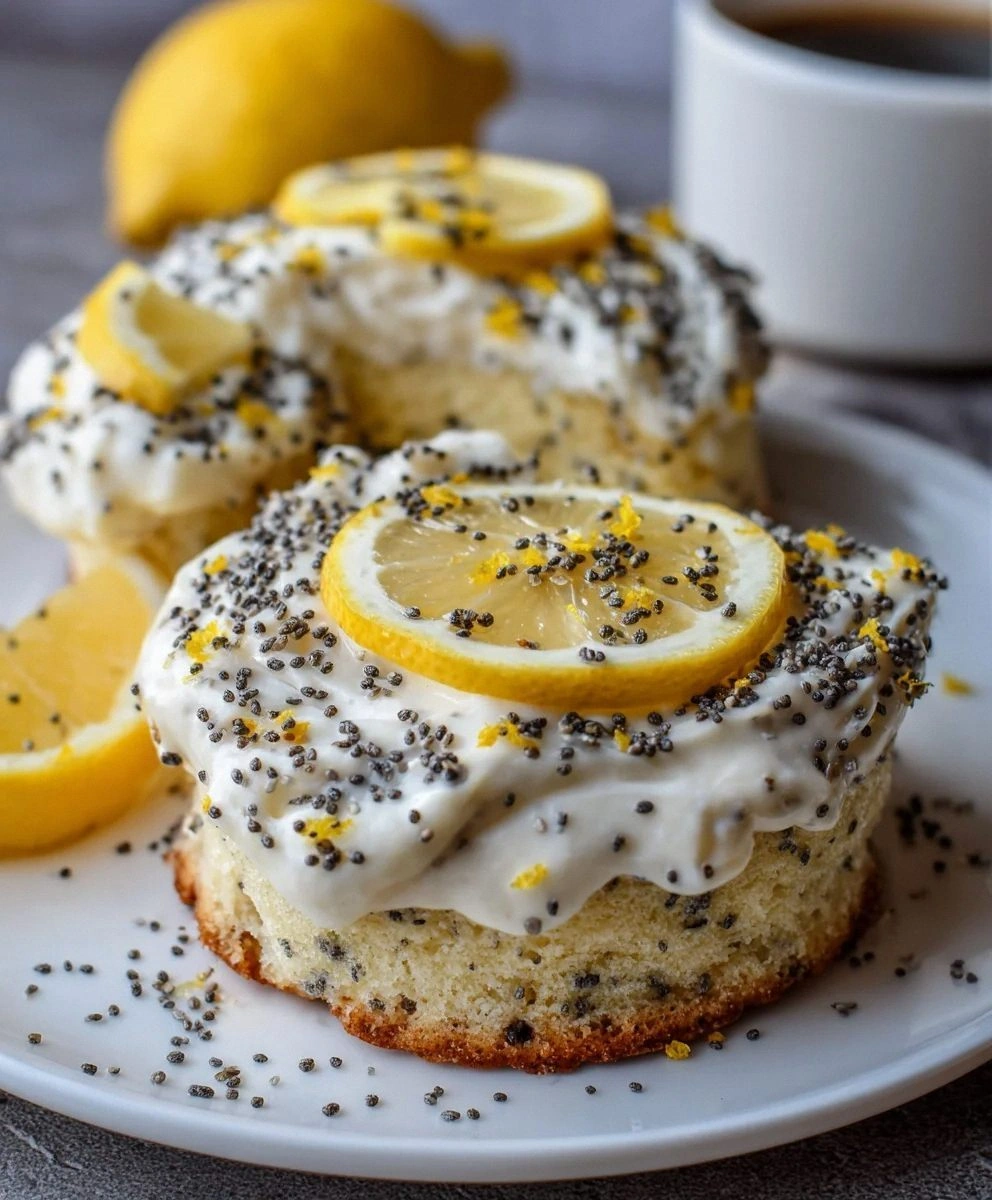
Picture this: a cookie that cracks like a crème brûlée shell when you bite into it, revealing a tender, almost cake-like interior that's studded with tiny poppy seeds that burst between your teeth like citrus caviar. The lemon doesn't just whisper — it sings, bright and clear, while the cream cheese frosting drapes over the top like silk, tangy and rich enough to make you close your eyes and sigh. These aren't the sad, dry lemon cookies that taste like furniture polish from a box mix. No, these are the cookies that make people stop mid-conversation, eyes widening, before demanding to know what sorcery you've just pulled from your oven.
Here's the thing — most lemon cookies get it completely wrong. They either blast you with artificial lemon oil that burns your throat, or they're so timid with the citrus that you wonder why they bothered at all. The secret lies in treating lemon like three separate ingredients: the zest for perfume, the juice for brightness, and a little extra zest in the frosting for that ethereal finish that makes people say, "I can't quite place it, but I can't stop eating it." Combined with the nutty crunch of poppy seeds and the cloud-like cream cheese topping, these cookies achieve that rare balance of sophisticated enough for afternoon tea yet irresistible enough for midnight fridge raids.
I'll be honest — I ate half the first batch before anyone else got to try them. My excuse was "quality control," but really, I couldn't believe I'd finally cracked the code on getting that perfect dome shape without the dreaded spread, that tender crumb without cakeyness, that lemon punch without the harsh edge. The technique that changed everything? Whipping the butter and sugar for a full five minutes until it looks like pale lemon clouds, creating air pockets that survive baking and give you that perfect lift. Let me walk you through every single step — by the end, you'll wonder how you ever made it any other way.
What Makes This Version Stand Out
Lemon Layers: Most recipes dump in some extract and call it a day. This version uses fresh zest rubbed into sugar to release the oils, plus juice in both cookie and frosting for brightness that tastes like sunshine captured in edible form. The result is a lemon flavor that's complex, natural, and impossible to fake with bottled stuff.
Texture Play: These cookies have the crisp edges of a sugar cookie, the tender crumb of a cake, and the creamy crown of cheesecake — all in one bite. The poppy seeds provide tiny explosions of nutty crunch that keep your teeth interested long after your brain has registered delicious.
Foolproof Dome Shape: Through testing dozens of batches, I discovered that chilling the dough for exactly 30 minutes (no more, no less) plus using cold cream cheese creates the perfect balance — cookies that rise into gorgeous domes instead of spreading into sad puddles.
Make-Ahead Magic: The dough freezes beautifully for up to three months, and the baked cookies actually taste better on day two as the flavors meld. This means you can have fresh-baked lemon cheesecake cookies whenever the craving strikes, which, let's face it, will be often.
Crowd Psychology: I dare you to bring these to a party and watch what happens. People who claim they "don't really like lemon desserts" will hover by the platter. The cookies disappear in reverse order — first the frosting gets swiped off, then the cookies vanish, then people start asking if you have more hidden somewhere.
Breakfast Legitimacy: With the protein from cream cheese and the wake-up call of lemon, these cookies have breakfast written all over them. Don't be surprised if you find yourself rationalizing that they're basically a muffin in disguise while you reach for your third one with coffee.
Instagram Gold: The natural yellow hue from fresh lemon zest, the snow-white frosting with poppy seed freckles, the way they stack into a perfect pyramid — these cookies photograph like a dream. Your social media will thank you, even if your waistband doesn't.
Inside the Ingredient List
The Flavor Base
Granulated sugar isn't just here for sweetness — it's the vehicle that carries lemon's perfume throughout every bite. When you massage the zest into the sugar, you're creating an aromatic foundation that permeates the entire cookie, not just the surface. Skip this step and you'll have cookies that taste like someone waved a lemon near them instead of cookies that taste like lemon took up residence in your mouth. The sugar also helps create those delicate crisp edges that shatter like thin ice when you bite in, providing textural contrast to the tender interior.
Lemon zest is where the real magic lives — those tiny yellow flecks contain essential oils that are 50 times more potent than the juice. I use a Microplane grater and zest only the yellow part, avoiding the bitter white pith that can turn your cookies into something that tastes like furniture polish. The zest goes into both the cookie dough and the frosting, creating layers of lemon flavor that bloom on your tongue like a time-release capsule of citrus happiness. Don't even think about using bottled lemon extract here — it tastes like cleaning products and will haunt your dreams.
The Texture Crew
Unsalted butter gives us complete control over the final flavor profile, letting the lemon shine without competing saltiness. It needs to be at that perfect cool room temperature — soft enough to leave an indentation when pressed, but still cool to the touch. Too cold and you'll beat forever without incorporating air; too warm and your cookies will spread into sad, greasy puddles. The butter carries the lemon-sugar perfume and creates those tender, melt-in-your-mouth crumbs that make people close their eyes when they taste them.
All-purpose flour provides the structure that holds everything together, but the key is not overmixing once it's added. I whisk the flour with the leavening agents first, then fold it in just until the last streak disappears. Overmix develops gluten and gives you tough cookies that could double as hockey pucks. The flour also absorbs the lemon juice, distributing it evenly so every bite has that bright, sunny flavor without any wet spots.
Poppy seeds are the secret texture weapon — tiny, nutty explosions that provide the perfect counterpoint to the tender cookie. They look like little alien eggs but taste like miniature toasted nuts, adding intrigue and crunch without overwhelming the delicate lemon flavor. Buy them from the spice aisle rather than the baking section — they're fresher and more aromatic. Toast them lightly in a dry pan for 30 seconds before adding to amplify their nuttiness, but watch them like a hawk because they go from toasted to burnt faster than you can say "lemon poppy seed."
The Unexpected Star
Cold cream cheese is the game-changer that transforms these from regular lemon cookies into cheesecake cookies. The cold temperature is crucial — it keeps the frosting thick and pipeable instead of a runny mess that slides off your cookies. I use full-fat cream cheese because low-fat versions contain stabilizers that can make your frosting grainy and taste like disappointment. The tanginess plays beautifully against the sweet lemon, creating that classic cheesecake flavor profile in portable cookie form.
Powdered sugar dissolves instantly into the cream cheese, creating a smooth, glossy frosting that sets slightly as it sits. Sift it first to avoid lumps that look like cottage cheese curds in your beautiful frosting. The ratio here is carefully calibrated — too much sugar and you lose the cream cheese tang, too little and your frosting won't hold its shape. This frosting is so good that I've caught people eating it straight from the bowl with a spoon, claiming they're "taste-testing for quality control."
The Final Flourish
Heavy cream transforms our cream cheese frosting from good to absolutely ethereal. When whipped into cold cream cheese, it creates a mousse-like texture that's lighter than traditional frosting but stable enough to pipe gorgeous swirls. The fat content matters — you need at least 36% butterfat for proper whipping. Too low and you'll get a sad, floppy mess; too high and it turns to butter. I chill my bowl and whisk in the freezer for 10 minutes before starting because cold is the secret to perfectly whipped cream that holds its shape for days.
Agave syrup or honey might seem like an odd addition, but it gives the frosting a subtle shine and prevents it from drying out and forming a crust. The liquid sugars also help balance the sweetness, adding complexity that plain sugar can't achieve. Agave dissolves completely and has a neutral flavor, while honey adds its own floral notes that complement the lemon beautifully. Just a teaspoon is enough to make the difference between good frosting and frosting that people will lick off the serving plate when they think nobody's looking.
The Method — Step by Step
- Start by creating your lemon sugar — the foundation of flavor that will permeate every bite. In a large bowl, measure out your granulated sugar and add the lemon zest. Now here's the crucial part that most recipes skip: using your fingertips, rub the zest into the sugar for a full two minutes. Yes, two whole minutes. Set a timer if you must. The sugar crystals act like tiny graters, breaking open the zest's oil sacs and creating an intensely fragrant lemon sugar that will make your kitchen smell like an Amalfi Coast vacation. The sugar will turn slightly damp and pale yellow, and when you hold it to your nose, it should smell like lemon candy. This step alone elevates these cookies from good to unforgettable.
- Cream the butter with your lemon sugar until it reaches the texture of fluffy clouds — this typically takes 4-5 minutes with a hand mixer on medium speed. You're not just mixing; you're incorporating air that will give your cookies lift and that perfect dome shape. The mixture should become noticeably paler and increase in volume by about one-third. Don't rush this step — I know it's tempting to stop when it looks combined, but those extra minutes are what create the tender, almost cake-like crumb that makes these special. If you've ever wondered why your cookies spread into pancakes, it's usually because this step was cut short.
- Add the egg and vanilla, beating just until combined. The egg should be at room temperature — cold eggs can cause the butter to seize up into little lumps that refuse to incorporate. Crack it into a separate bowl first to check for stray shell pieces and to ensure it's fresh. A fresh egg will have a thick white that holds its shape and a yolk that sits high. Beat for about 30 seconds after adding — just until the mixture looks cohesive and glossy. Overbeating here can incorporate too much air, leading to cookies that rise and then collapse in the center.
- In a separate bowl, whisk together the flour, baking powder, baking soda, salt, and poppy seeds. This ensures the leavening agents are evenly distributed so your cookies rise uniformly instead of looking like miniature mountain ranges. The poppy seeds get coated in flour, which prevents them from all sinking to the bottom of your cookies. Use a balloon whisk and really aerate the mixture — you should see it increase slightly in volume as the flour becomes fluffy and light.
- Add the dry ingredients to the wet in three additions, alternating with the lemon juice. Start and end with the dry ingredients, mixing just until each addition is incorporated before adding the next. This method prevents overmixing and ensures tender cookies. The batter will look slightly curdled when you add the lemon juice — don't panic! The acid is reacting with the baking soda, starting the chemical reaction that will give your cookies lift. Mix just until the last streak of flour disappears. Overmixing develops gluten and gives you tough cookies that could double as dog biscuits.
- Cover the dough with plastic wrap pressed directly onto the surface to prevent a skin from forming. Refrigerate for exactly 30 minutes — set a timer! Too short and your cookies will spread; too long and the dough becomes difficult to scoop. During this time, the flour hydrates and the flavors meld together. While it chills, preheat your oven to 350°F (175°C) and line two baking sheets with parchment paper. The parchment prevents sticking and helps the bottoms brown evenly without overbrowning.
- Scoop the chilled dough using a medium cookie scoop or two spoons, forming mounds about 1.5 inches apart on the prepared sheets. They'll spread slightly but not much thanks to our careful chilling. For picture-perfect cookies, gently smooth the tops with damp fingers — this eliminates the rough edges that can burn and gives you a beautiful canvas for the frosting. The dough should feel cool and firm but not rock-hard. If it's too soft to scoop, pop it back in the fridge for 10 more minutes.
- Bake for 12-14 minutes, rotating the sheets halfway through for even browning. The cookies are done when the edges are just turning golden but the centers still look slightly soft and puffy. They'll have a matte finish rather than shiny, and the edges will have set while the centers still jiggle slightly when you gently shake the pan. This is the moment of truth — pull them out now even if they look underdone. They'll finish cooking on the hot sheet and set into that perfect texture that's crisp at the edges and tender in the middle.
- Let the cookies cool on the baking sheet for 5 minutes before transferring to a wire rack. This crucial rest allows them to set enough to move without breaking but prevents the bottoms from overbrowning. After 5 minutes, use a thin spatula to transfer them to the rack. They'll feel delicate and almost underbaked — this is perfect. As they cool, they'll firm up into that tender-crisp texture that makes them irresistible. Don't skip this step or you'll have cookies that crumble into delicious but frustrating pieces.
That's it — you did it. But hold on, I've got a few more tricks that'll take this to another level...
Insider Tricks for Flawless Results
The Temperature Rule Nobody Follows
Here's the truth that separates good bakers from great ones: temperature matters more than talent. Your butter should be cool room temperature — around 65°F — not the soft, greasy mess most recipes suggest. Press your finger into it; it should leave an indentation but still feel cool and firm. Too warm and your cookies spread into sad puddles. Too cold and you'll beat forever without incorporating air. I keep a kitchen thermometer specifically for butter because it eliminates guesswork and prevents those heartbreaking batches of flat, greasy cookies that make you question your life choices.
Why Your Nose Knows Best
Trust your senses more than the timer. When the lemon zest hits the sugar, you should smell it across the room — bright, clean, unmistakably citrusy. When the cookies are perfectly baked, your kitchen will smell like a lemon grove in sunshine, not like baked goods. That shift from raw dough smell to something more complex and caramelized? That's your cue they're nearly done. I've pulled cookies at 11 minutes because the aroma told me they were ready, even though they looked underdone. Every single time, they were perfect.
The 5-Minute Rest That Changes Everything
After baking, let the cookies rest on the sheet for exactly 5 minutes — not 3, not 7. During this time, they finish cooking from residual heat while the structure sets. Move them too early and they break apart into delicious but frustrating pieces. Wait too long and the bottoms overbrown, developing that bitter edge that ruins the delicate lemon flavor. Set a timer and hover nearby. When you can lift one with a spatula and it holds its shape but still feels soft and warm, they're ready for the rack. This is baking alchemy at its finest.
The Zest Secret
Always zest your lemons before juicing them — trying to zest a naked, slippery lemon half is an exercise in frustration and band-aids. Use a Microplane grater and zest only the bright yellow outer layer, avoiding the bitter white pith beneath. The zest goes into the sugar first, where the crystals help release the oils, creating an intensely fragrant base that permeates every bite. Don't even think about using bottled lemon juice or extract here — they taste like cleaning products and will ruin all your hard work.
The Frosting Fix
If your cream cheese frosting turns runny, don't panic — it's usually because the cream cheese was too warm. Pop the bowl in the freezer for 10 minutes, then rewhip with cold beaters. If it's still too soft, beat in an extra tablespoon of powdered sugar. Conversely, if it's too stiff to pipe, let it sit at room temperature for 5 minutes, then beat in a teaspoon of cream. The perfect consistency should hold soft peaks that slowly melt back into themselves — thick enough to pipe but light enough to spread easily.
Creative Twists and Variations
This recipe is a playground. Here are some of my favorite ways to switch things up:
Lavender Lemon Clouds
Add 1 teaspoon of culinary lavender buds to the sugar when you zest the lemon. The floral notes pair beautifully with citrus, creating cookies that taste like a summer garden party. Grind the lavender lightly with a mortar and pestle first to release the oils, but don't overdo it — too much lavender tastes like soap. These are stunning for bridal showers or any time you want to feel fancy without actually trying.
Meyer Lemon Luxury
Swap regular lemons for Meyer lemons when they're in season — typically December through May. Meyer lemons are sweeter and less acidic, with an almost floral quality that makes these cookies taste like lemon meringue pie in cookie form. Reduce the sugar by 2 tablespoons to account for their natural sweetness. The pale orange zest creates gorgeous flecks throughout the cookies that look like confetti.
Blueberry Cheesecake Cookies
Gently fold 1/2 cup of fresh blueberries into the dough just before scooping. The berries burst during baking, creating pockets of jammy sweetness that complement the tangy lemon and cream cheese. Pat the berries dry first to prevent excess moisture from affecting the dough. These turn out looking like little galaxies with purple starbursts — absolutely gorgeous and perfect for summer brunches.
Coconut Lemon Dreams
Replace 1/4 cup of flour with sweetened shredded coconut and add 1/2 teaspoon of coconut extract to the dough. The coconut adds tropical notes that transport you straight to a beach vacation. Toast the coconut first in a dry pan until golden for deeper flavor. Top the frosted cookies with a sprinkle of toasted coconut for texture and visual appeal that makes people reach for them first.
Raspberry Ripple
Drop 1/4 teaspoon of raspberry jam onto each cookie before baking, then gently swirl with a toothpick. The tart berries create beautiful red ribbons against the pale cookie, and the flavor combination is classic. Use good quality jam — the cheap stuff tastes like fruit-flavored corn syrup and will disappoint. These look bakery-professional but take zero extra effort.
Ginger Lemon Spark
Add 1 teaspoon of ground ginger and 2 tablespoons of finely minced crystallized ginger to the dough. The ginger adds warmth and spice that makes the lemon taste even brighter, like sunshine with a kick. These are especially good in winter when you need something to cut through the grey days. The crystallized ginger melts into little pockets of sweet heat that surprise and delight.
Storing and Bringing It Back to Life
Fridge Storage
Store unfrosted cookies in an airtight container at room temperature for up to 5 days — they actually improve on day two as the flavors meld. Once frosted, they need refrigeration because of the cream cheese, but let them come to room temperature for 30 minutes before serving. Cold kills the delicate lemon flavor and makes the cookies taste flat. Layer them between sheets of parchment to prevent the frosting from sticking, and they'll keep for up to a week. Honestly, they've never lasted more than three days in my house, but it's good to know they could.
Freezer Friendly
Both the cookie dough and baked cookies freeze beautifully. Scoop the dough onto a parchment-lined sheet, freeze until solid, then transfer to a freezer bag for up to 3 months. Bake from frozen — just add 2 extra minutes to the baking time. For baked cookies, freeze them unfrosted on a sheet, then transfer to a container with parchment between layers. The cream cheese frosting doesn't freeze well — it becomes grainy and separates when thawed. Instead, freeze the cookies plain and frost them fresh when you're ready to serve. Future you will thank present you for this foresight.
Best Reheating Method
Refresh unfrosted cookies in a 300°F oven for 5 minutes to restore that just-baked texture. For frosted cookies, let them sit at room temperature for 30 minutes — microwaving makes the frosting melt into a sad puddle. If they've been refrigerated, add a tiny splash of water to a container with them, cover tightly, and let sit for an hour. The steam gently rehydrates them, bringing back that tender crumb. Never reheat frosted cookies — the cream cheese frosting will weep and separate, turning your beautiful cookies into a tragic mess that even you won't want to eat.