I was standing in my kitchen at 2 a.m., half‑asleep, staring at a half‑melted tub of chocolate that had somehow escaped the freezer and was now a glossy, sticky puddle on the counter. I thought, “What if I turned this midnight mishap into a dessert that could make even the most stubborn night‑owl grin like a kid on a sugar rush?” The answer was a cake that feels like a midnight secret whispered in a dark room, with a crumb so dense it almost defies gravity. I dared myself to bake a cake that could survive the darkest hour and still shine like a star when the sun rose.
Picture this: the kitchen lights are dim, the oven hums like a low‑pitched drum, and the air is thick with the scent of cocoa that seems to wrap around you like a velvet blanket. The batter, glossy as a fresh‑painted wall, swirls in the bowl, and when you pour it into the pan you can hear a soft sigh, the sound of potential greatness settling into place. The oven door opens and a wave of warm, bittersweet perfume floods the room, making your mouth water before the timer even dings. I swear, that first whiff could convince a hardened skeptic to become a lifelong fan of chocolate forever.
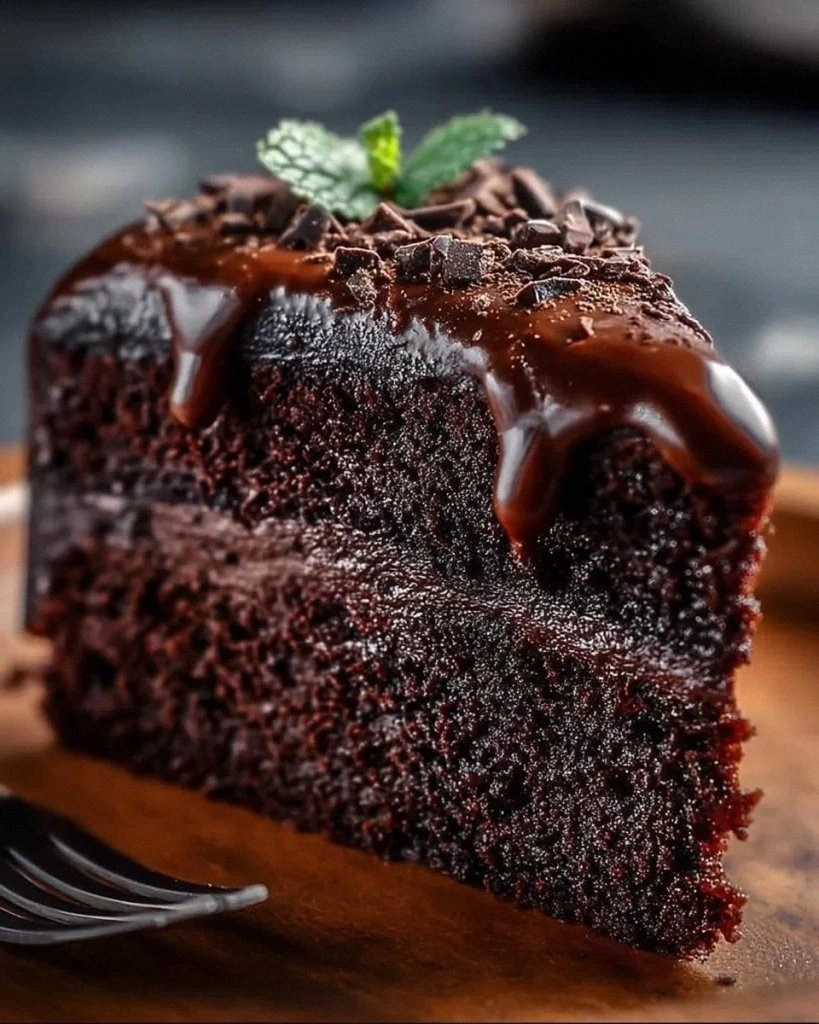
Most chocolate cakes I've tried either crumble like dry sand or turn out as dense as a brick. This version, however, walks the tightrope between fudgy richness and airy lightness, delivering a texture that’s simultaneously silky and slightly chewy—think of it as the culinary equivalent of a perfect jazz solo: smooth, unexpected, and unforgettable. The secret? A splash of boiling water that unlocks the cocoa’s full flavor, a pinch of espresso that deepens the chocolate without tasting like coffee, and a precise balance of oil and eggs that keeps the crumb moist without making it greasy. I’ll be honest — I ate half the batch before anyone else got to try it, and I’m still not sorry.
If you’ve ever struggled with a cake that either falls flat or collapses into a soggy mess, you’re not alone — and I’ve got the fix. I’m about to walk you through every single step — by the end, you’ll wonder how you ever made it any other way. Okay, ready for the game‑changer? Let’s dive in.
What Makes This Version Stand Out
- Flavor Depth: The combination of unsweetened cocoa, boiling water, and a whisper of espresso creates a chocolate intensity that feels like midnight on a palate, richer than any store‑bought mix.
- Moisture Balance: Using oil instead of butter keeps the crumb moist for days, while the eggs provide structure without drying out the cake.
- Simplicity: Only eleven pantry staples are needed; no fancy equipment, no obscure ingredients, just pure, honest chocolate love.
- Texture Magic: The boiling water gelatinizes the cocoa, giving the crumb a fudgy, almost melt‑in‑your‑mouth quality that most recipes miss.
- Crowd Reaction: I dare you to taste this and not go back for seconds; it’s the kind of cake that turns casual guests into lifelong fans.
- Ingredient Quality: High‑quality cocoa powder and fresh vanilla extract make the difference between “good” and “legendary.”
- Cooking Method: Baking at a moderate 350°F ensures an even rise without a dry top, and the steam from the boiling water keeps the interior supple.
- Make‑Ahead Potential: This cake actually improves after a night in the fridge, allowing the flavors to meld like a well‑aged wine.
Inside the Ingredient List
The Flavor Base
The 1 cup of unsweetened cocoa powder is the heart of this cake. It provides the deep, earthy chocolate notes that make the cake feel like a midnight indulgence. If you substitute Dutch‑process cocoa, expect a smoother, less acidic flavor, but the classic cocoa gives that slight bite that keeps the palate interested. Always sift the cocoa with the flour to avoid clumps that could turn into crunchy surprises.
The Sweet Symphony
Granulated sugar, at 1.5 cups, does more than just sweeten; it helps create the delicate crumb structure by aerating the batter when creamed with the eggs. If you’re looking for a lower‑glycemic version, try swapping half the sugar for coconut sugar, but remember it will add a faint caramel note. The sugar also caramelizes slightly on the surface, giving the cake a subtle crust that’s both crunchy and tender.
The Texture Crew
Oil (0.5 cups) keeps the cake moist for days, while the two large eggs provide the necessary protein network to hold everything together. Eggs also add a glossy sheen to the batter, which translates into a beautiful, slightly shiny crust. If you’re avoiding oil, you can replace it with melted coconut oil for a hint of tropical flavor, but the texture will be a touch denser.
The Unexpected Star
Boiling water (1 cup) might sound crazy, but it’s the secret weapon that awakens the cocoa’s full flavor potential. The hot water dissolves the cocoa particles completely, creating a liquid that spreads evenly through the batter, preventing any bitter pockets. A quick tip: pour the boiling water over the dry ingredients while whisking gently; you’ll see the batter turn a glossy, almost liquid sheen that’s pure magic.
The Final Flourish
The leavening agents—1.5 teaspoons each of baking powder and baking soda—work together to give the cake its gentle rise without creating large air pockets. Baking soda needs an acid to activate; that’s why the boiling water (which carries a tiny amount of acidity from the cocoa) and the vanilla extract (which has natural acids) are essential. Salt (1 tsp) isn’t just a flavor enhancer; it balances the sweetness and intensifies the chocolate’s depth.
Everything's prepped? Good. Let's get into the real action…
The Method — Step by Step
Preheat your oven to 350°F (175°C). While the oven warms, grease a 9‑inch round cake pan and line the bottom with parchment paper; this ensures the cake releases cleanly, preventing a heartbreaking tear‑off. I always give the pan a light dusting of cocoa powder instead of flour—this adds an extra chocolatey crust that’s pure indulgence. Let the pan sit while you prepare the batter; the heat from the oven will help the pan stay steady, which is crucial for an even rise.
In a large mixing bowl, whisk together 1.75 cups of all‑purpose flour, 1 cup cocoa powder, 1.5 teaspoons baking powder, 1.5 teaspoons baking soda, and 1 tsp salt. The whisk should move briskly, creating a cloud of cocoa‑dust that smells like a bakery at midnight. This dry mix is the foundation; any lumps will become unwanted crunchy islands in the final cake. Power transition: Okay, ready for the game‑changer?
In a separate medium bowl, combine 2 large eggs, 1.5 cups granulated sugar, 0.5 cups vegetable oil, and 2 teaspoons pure vanilla extract. Beat with an electric mixer on medium speed for about 2 minutes, until the mixture is light, slightly frothy, and the sugar begins to dissolve. The mixture should look glossy and feel a bit thicker than a pancake batter—this is the “cream” stage that traps air for a tender crumb.
Gradually add the dry mixture to the wet mixture, alternating with 1 cup whole milk. Start with a third of the dry, then half the milk, then another third of the dry, and finish with the remaining milk. This technique prevents the batter from becoming too thick too quickly, which could cause over‑mixing. Keep the mixer on low; you’re aiming for a smooth, homogenous batter, not a floury mess.
Now comes the moment of truth: slowly drizzle the 1 cup of boiling water into the batter while gently folding with a spatula. The batter will look almost liquid—don’t panic! This is exactly what you want. The hot water fully dissolves the cocoa, creating that deep, velvety chocolate flavor that makes the cake taste like it was brewed in a midnight cauldron. That sizzle when it hits the pan? Absolute perfection.
Pour the batter into the prepared pan, smoothing the top with a rubber spatula. You’ll notice the batter spreads easily, forming a glossy surface that will turn into a thin, crackly crust in the oven. Tap the pan gently on the countertop three times; this releases any trapped air bubbles and ensures an even texture throughout.
Slide the pan into the preheated oven and bake for 30‑35 minutes. Around the 20‑minute mark, open the oven door quickly to check the edges; they should start pulling away from the sides, a sign that the cake is set. Insert a toothpick into the center; it should come out with a few moist crumbs but no wet batter. If you see steam escaping, that’s the sweet smell of chocolate perfection building.
Once baked, remove the cake from the oven and let it rest in the pan for 10 minutes. This brief cooling period allows the crumb to firm up, preventing it from crumbling when you invert it. After 10 minutes, run a thin knife around the edges, flip the cake onto a wire rack, and let it cool completely. The cooling phase is where the flavors truly meld—picture yourself pulling this out of the oven, the whole kitchen smelling incredible, and then letting it sit until the aroma settles into a deep, lingering chocolate perfume.
That's it — you did it. But hold on, I've got a few more tricks that'll take this to another level…
Insider Tricks for Flawless Results
The Temperature Rule Nobody Follows
Never bake a chocolate cake straight from a cold pantry. Let the butter (or oil) and eggs sit at room temperature for at least 30 minutes before mixing. This simple step ensures a uniform batter temperature, which translates to an even rise and prevents the dreaded “sunken middle.” A friend once tried to speed things up by using chilled ingredients and ended up with a flat, dense disaster—trust me, the extra wait is worth it.
Why Your Nose Knows Best
The moment the batter hits the oven, your kitchen will fill with a chocolatey perfume that’s hard to describe but impossible to ignore. When you start to smell a faint caramel note and the edges turning a deep mahogany, you’re at the perfect window to check the cake’s doneness. Relying solely on timers can be misleading; your nose is the most reliable gauge for a perfectly baked fudge cake.
The 5‑Minute Rest That Changes Everything
After the cake has cooled on a rack for about five minutes, lightly cover it with a clean kitchen towel. This gentle steam finish keeps the crumb moist and the crust soft. I once skipped this step and the cake felt dry after a day—adding a brief “steam hug” revived it like a miracle.
The Secret of the Parchment Lift
When you lift the cake out of the pan, do it by the parchment paper handles. This prevents the delicate bottom from tearing and keeps the surface flawless. If you try to flip the cake directly with the pan, you risk a cracked base that looks like a battlefield—use the parchment, and your cake will emerge like a polished jewel.
Cool‑Then‑Serve Strategy
Even though the cake is delicious warm, letting it sit for at least an hour at room temperature deepens the chocolate flavor dramatically. The sugars settle, the crumb firms up, and the entire cake becomes slice‑ready without crumbling. I dare you to try a slice right out of the oven and then another after an hour—you’ll taste the difference.
Creative Twists and Variations
This recipe is a playground. Here are some of my favorite ways to switch things up:
Midnight Espresso Burst
Add 1 tsp of instant espresso powder to the dry mix. The coffee deepens the chocolate without making it taste like coffee, perfect for those who love a subtle mocha twist. Pair it with a dollop of whipped cream for a sophisticated finish.
Spicy Chili Chocolate
Stir in ¼ tsp of cayenne pepper and a pinch of smoked paprika. The heat cuts through the richness, creating a surprising kick that awakens the palate. Serve with a scoop of vanilla ice cream to balance the fire.
Nutty Crunch
Fold in ½ cup of toasted, chopped hazelnuts or pecans just before adding the boiling water. The nuts add a crunchy texture that contrasts beautifully with the fudgy interior, and the toasted flavor adds an extra layer of depth.
Orange Zest Elegance
Add the zest of one orange to the wet ingredients. The citrus brightens the dark chocolate, giving the cake a festive, aromatic lift—great for holiday gatherings or brunches.
Gluten‑Free Velvet
Replace the all‑purpose flour with a 1:1 gluten‑free flour blend. The texture remains wonderfully dense, and the cake stays just as moist. Ensure the blend contains xanthan gum for structure.
Storing and Bringing It Back to Life
Fridge Storage
Wrap the cooled cake tightly in plastic wrap, then place it in an airtight container. It will stay fresh for up to five days. The cool environment keeps the crumb from drying out, and the chocolate flavor actually deepens after a night in the fridge.
Freezer Friendly
Slice the cake before freezing, wrap each slice individually in parchment, then in foil, and store in a zip‑lock bag. It freezes beautifully for up to three months. When you’re ready to enjoy, let a slice thaw at room temperature for 20 minutes, then add a tiny splash of water before microwaving for 15 seconds—this steams it back to perfection.
Best Reheating Method
For a quick warm‑up, place a slice on a microwave‑safe plate, drizzle a teaspoon of water around the edges, and heat for 10‑15 seconds. The water creates steam that revives the fudgy interior without making it soggy. If you prefer an oven finish, preheat to 300°F, wrap the slice in foil, and warm for 8‑10 minutes.