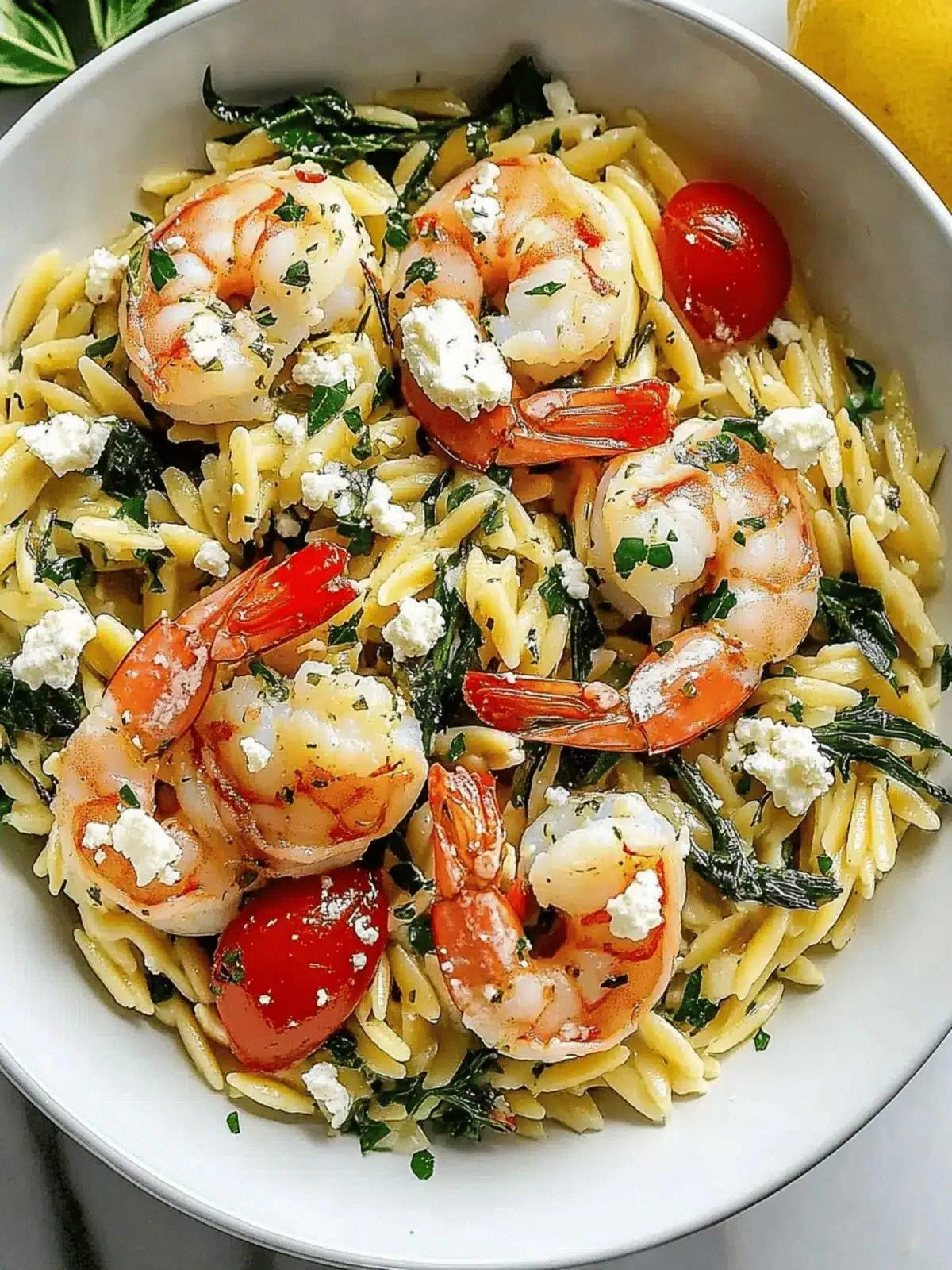
Picture this: I’m halfway through a late‑night binge of Netflix, the fridge is a barren wasteland, and the only thing left that could possibly rescue me from culinary despair is a block of tempeh. I’ve tried every recipe on the internet, but they all feel like bland, forgettable side dishes. Then I stumbled across a recipe that promised a honey‑ginger glaze, a whisper of peanut butter, and ramen noodles that sing in a chorus of crunch and chew. It was a revelation, and I couldn’t keep it to myself.
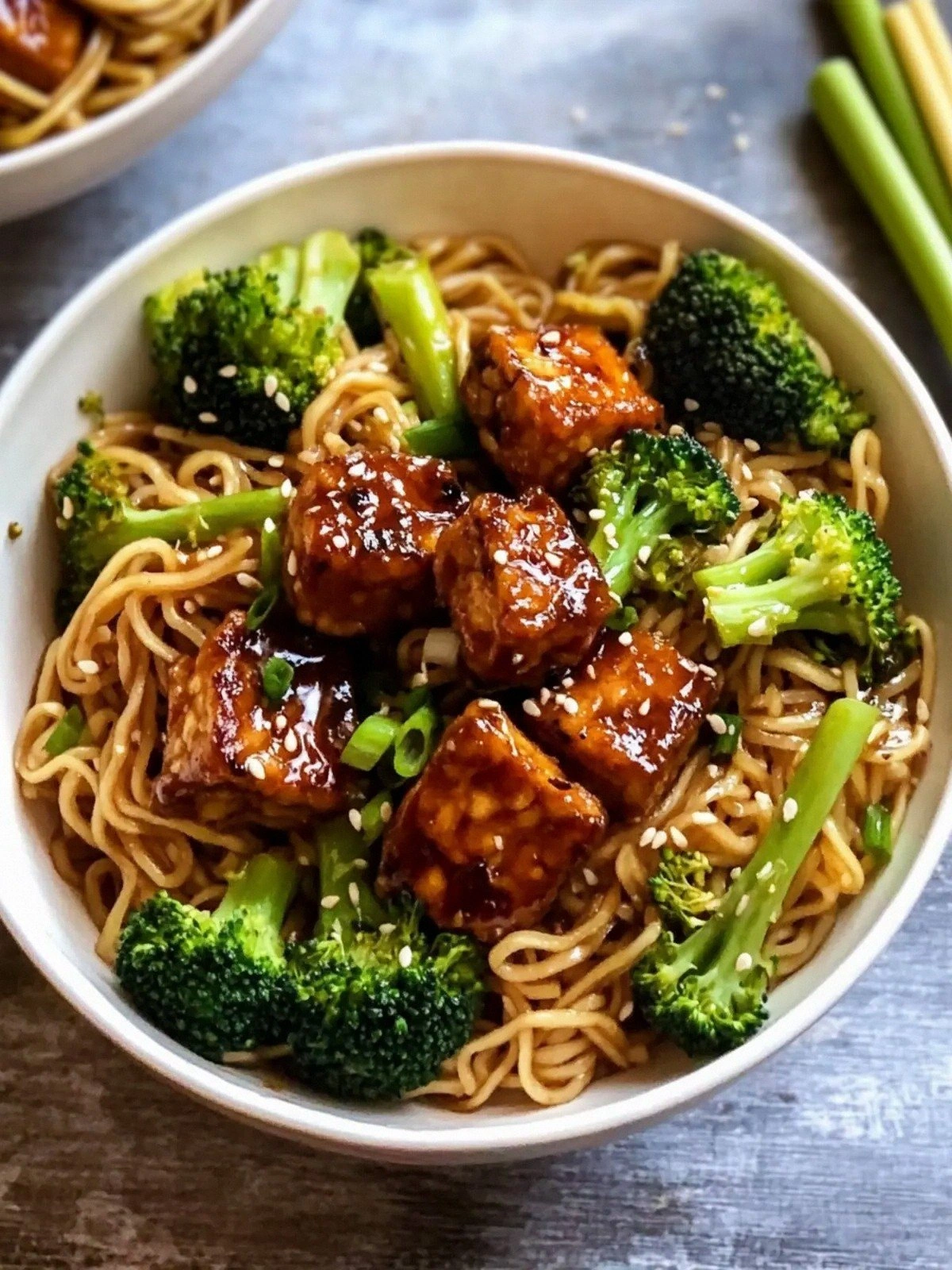
The first thing that hits you is the aroma. A burst of toasted sesame oil, the sharp bite of fresh ginger, and the sweet undertone of honey mingle in the air, like a fragrant fireworks display. You hear the sizzle as the tempeh hits the hot pan, the sound of broccoli florets crisping to a golden edge, and the gentle clink of a wooden spoon against the pot. When you finally taste it, the glaze coats the noodles like velvet, the tempeh is tender yet firm, and the peanut butter adds a creamy, nutty depth that lingers on the palate. If you’re skeptical, I dare you to taste this and not go back for seconds.
What makes this version stand out is not just the ingredients, but the way each component is treated. The tempeh is marinated in a balanced mix of soy sauce and orange juice, giving it a subtle citrus brightness that cuts through the richness. The honey isn’t just a sweetener; it caramelizes slightly, creating a glossy glaze that clings to every noodle strand. The ramen noodles are boiled just until al dente, so they hold their shape and absorb the sauce without becoming mushy. And the final flourish of sesame seeds adds a satisfying crunch that completes the sensory experience.
I’ve spent countless hours tweaking sauces and textures, but this recipe feels like a breath of fresh air. The combination of sweet, salty, and umami is a masterclass in flavor layering. The method is straightforward, yet each step is deliberate, ensuring that the dish comes together in harmony. And the best part? It’s ready in under an hour, perfect for those nights when you want something comforting without the wait.
Let me walk you through every single step — by the end, you’ll wonder how you ever made it any other way. The journey starts with a quick prep of the tempeh and veggies, followed by a sauce that’s both silky and sticky. Then we’ll bring it all together with ramen noodles that soak up the flavors like a sponge. Finally, we’ll finish with a sprinkle of green onions and sesame seeds that add brightness and texture. Stay with me; this is going to be delicious.
What Makes This Version Stand Out
- Flavor: The honey‑ginger glaze delivers a sweet‑savory punch that lingers, while the citrus from the orange juice brightens the dish.
- Texture: Crispy edges on the tempeh contrast with the tender noodles, and the broccoli florets keep a satisfying crunch.
- Ingredient Quality: Fresh ginger and high‑quality tempeh elevate the dish, ensuring each bite is packed with depth.
- Simplicity: Only 13 ingredients, all of which you can find in any grocery store; no exotic pantry staples.
- Crowd Appeal: The familiar comfort of ramen combined with a unique glaze makes it a hit with both vegans and meat lovers.
- Make‑ahead Potential: The sauce can be pre‑made and stored, making this a convenient go‑to meal for busy weeks.
Alright, let’s break down exactly what goes into this masterpiece…
Inside the Ingredient List
The Flavor Base
The foundation of this dish is a marriage of soy sauce, orange juice, honey, fresh ginger, and garlic. Soy sauce provides the umami backbone, while orange juice adds a bright, citrusy lift that cuts through the richness of the honey. Honey is the sweet hero, caramelizing in the pan to create a glossy glaze. Fresh ginger brings heat and a zesty aroma, and garlic offers a savory depth that anchors the sauce.
The Texture Crew
The tempeh, ramen noodles, and broccoli are the textural stars. Tempeh, when sliced thin and marinated, becomes tender yet maintains a satisfying bite. Ramen noodles are boiled just until al dente, ensuring they absorb the sauce without becoming mushy. Broccoli florets are blanched to keep their bright green color and a crisp bite, adding a refreshing contrast to the dish’s richness.
The Unexpected Star
Creamy peanut butter is the secret sauce that ties everything together. It adds a silky, nutty undertone that balances the sweetness of honey and the sharpness of ginger. If you’re not a fan of peanut butter, you can swap it with tahini for a slightly different flavor profile, but the richness will remain.
The Final Flourish
Sesame oil, green onions, and sesame seeds are the finishing touches that elevate the dish. Sesame oil gives a nutty aroma, while the green onions add a fresh, peppery note. Sesame seeds provide a subtle crunch and a pop of color that makes the plate look as good as it tastes.
Everything's prepped? Good. Let's get into the real action…
The Method — Step by Step
- Marinate the Tempeh: Slice the tempeh into thin strips and toss with 3 Tbsp soy sauce, ¼ cup orange juice, and 1 Tbsp fresh ginger. Let it sit for 10 minutes so the flavors penetrate. The quick soak will give the tempeh a bright, citrusy base that balances the sweetness later on. I always keep a small bowl ready because the tempeh absorbs the sauce like a sponge, and you’ll want to keep it moist while cooking.
- Prep the Veggies: While the tempeh marinates, blanch 2 cups of broccoli florets in salted boiling water for 2 minutes, then shock them in ice water to preserve their vibrant green hue. This step keeps the broccoli crisp and prevents it from turning mushy when tossed with the noodles. Pat dry with a towel to avoid excess water in the pan.
- Cook the Noodles: Bring a pot of salted water to a boil and add 4 oz ramen noodles. Cook for 3 minutes, just until they’re al dente. Drain and rinse under cold water to halt the cooking process. Toss the noodles with 1 Tbsp sesame oil to prevent sticking and give them a subtle nutty aroma. Set aside.
- Make the Sauce: In a small bowl, whisk together 2 Tbsp honey, 2 Tbsp creamy peanut butter, 2 Tbsp sesame oil, 2 cloves minced garlic, and 2 Tbsp green onions. The peanut butter should be at room temperature so it blends smoothly. This sauce is the heart of the dish, and its thickness will coat the noodles like silk. Keep it warm; you’ll use it to finish the dish.
- Cook the Tempeh: Heat a large skillet over medium‑high heat. Add the marinated tempeh strips and let them sear for 4-5 minutes on each side, or until they develop a golden brown crust. The edges will start pulling away, signaling that they’re perfectly caramelized. This is the moment of truth: the tempeh should smell toasty and fragrant.
- Combine All Elements: Reduce heat to medium, add the blanched broccoli, cooked noodles, and the prepared sauce into the skillet. Toss everything together, ensuring the sauce coats every piece evenly. The noodles will absorb the glaze, becoming glossy and flavorful. Keep the mixture on the stove for an additional 2 minutes to allow the flavors to meld.
- Finish with Garnish: Sprinkle 2 Tbsp more green onions and 1 Tbsp sesame seeds over the top. The fresh green onions add brightness, while the sesame seeds provide a subtle crunch. Serve immediately, and watch the steam rise like a fragrant cloud.
- Plate and Serve: Arrange the noodle and tempeh mixture on a shallow dish, drizzle any remaining sauce, and enjoy. This dish is best served hot, but if you’re in a rush, it stays delicious even at room temperature for a short period.
That’s it — you did it. But hold on, I've got a few more tricks that'll take this to another level…
Insider Tricks for Flawless Results
The Temperature Rule Nobody Follows
Many cooks try to cook the noodles directly in the sauce, but that often leads to a soggy texture. Instead, boil the noodles separately and finish them in the skillet for just a couple of minutes. This keeps them firm and allows the sauce to cling rather than drown them.
Why Your Nose Knows Best
Before you add the final sauce, give the skillet a quick sniff. If the aroma leans too sweet, add a splash of soy sauce to balance. Conversely, if it’s too salty, a drizzle of honey will mellow it out. Your nose is the best judge of flavor balance.
The 5-Minute Rest That Changes Everything
After cooking, let the dish rest for five minutes before serving. This pause allows the flavors to settle and the sauce to thicken slightly, giving you a more cohesive bite. I’ve seen friends who skip this step end up with a dish that feels rushed and underdeveloped.
The Quick Toss Trick
When you combine the noodles with the sauce, use a wooden spoon to toss rather than stir. The motion helps lift the noodles off the skillet, preventing them from sticking and ensuring an even coating.
The Freshness Factor
Fresh ginger and garlic make all the difference. If you’re using frozen or pre‑minced versions, the flavor will be muted. Invest in a small block of ginger and a head of garlic; they’ll give your dish a vibrant punch that’s hard to replicate.
Creative Twists and Variations
This recipe is a playground. Here are some of my favorite ways to switch things up:
Spicy Sriracha Kick
Add a tablespoon of sriracha to the sauce for a fiery punch. The heat pairs beautifully with the sweetness, creating a balanced flavor profile that’s sure to impress.
Miso‑Infused Depth
Replace half of the soy sauce with white miso paste. The miso adds a savory umami layer, turning the dish into a more complex, broth‑like experience.
Swap to Quinoa
For a gluten‑free or protein boost, use cooked quinoa instead of ramen noodles. The nutty texture of quinoa complements the tempeh and the sauce beautifully.
Add Pineapple
Dice a cup of fresh pineapple and stir it in with the broccoli. The tropical sweetness enhances the orange juice in the glaze, giving the dish a vacation‑in‑a‑bowl feel.
Vegan Cheese Drizzle
Finish with a drizzle of vegan cheese sauce for a creamy, indulgent twist. The cheese adds richness without compromising the dish’s lightness.
Storing and Bringing It Back to Life
Fridge Storage
Store leftovers in an airtight container for up to 3 days. The sauce may thicken slightly, but it’s easy to revive. Reheat on the stove over low heat, adding a splash of water or broth to loosen the glaze.
Freezer Friendly
The dish freezes well for up to 2 months. Separate the noodles from the sauce before freezing to prevent sogginess. When ready to eat, thaw overnight in the fridge and reheat gently.
Best Reheating Method
Reheat on the stove over medium heat, stirring frequently. Add a teaspoon of water or a splash of soy sauce to loosen the sauce. Heat until steaming; avoid over‑cooking the noodles, which can become mushy.