I was standing in my kitchen, staring at the soggy leftovers from last night's dinner, when the idea struck me like a lightning bolt. The thought of turning that bland, overcooked chicken into something that would make my taste buds sing was irresistible. I grabbed a pot, a handful of fresh vegetables, and a secret weapon that would change the game forever. That weapon? A humble flour‑butter roux that turns any broth into a silky, comforting sauce. And if I had to guess, this is the dish that will make you question every other chicken and dumplings recipe you've tried.
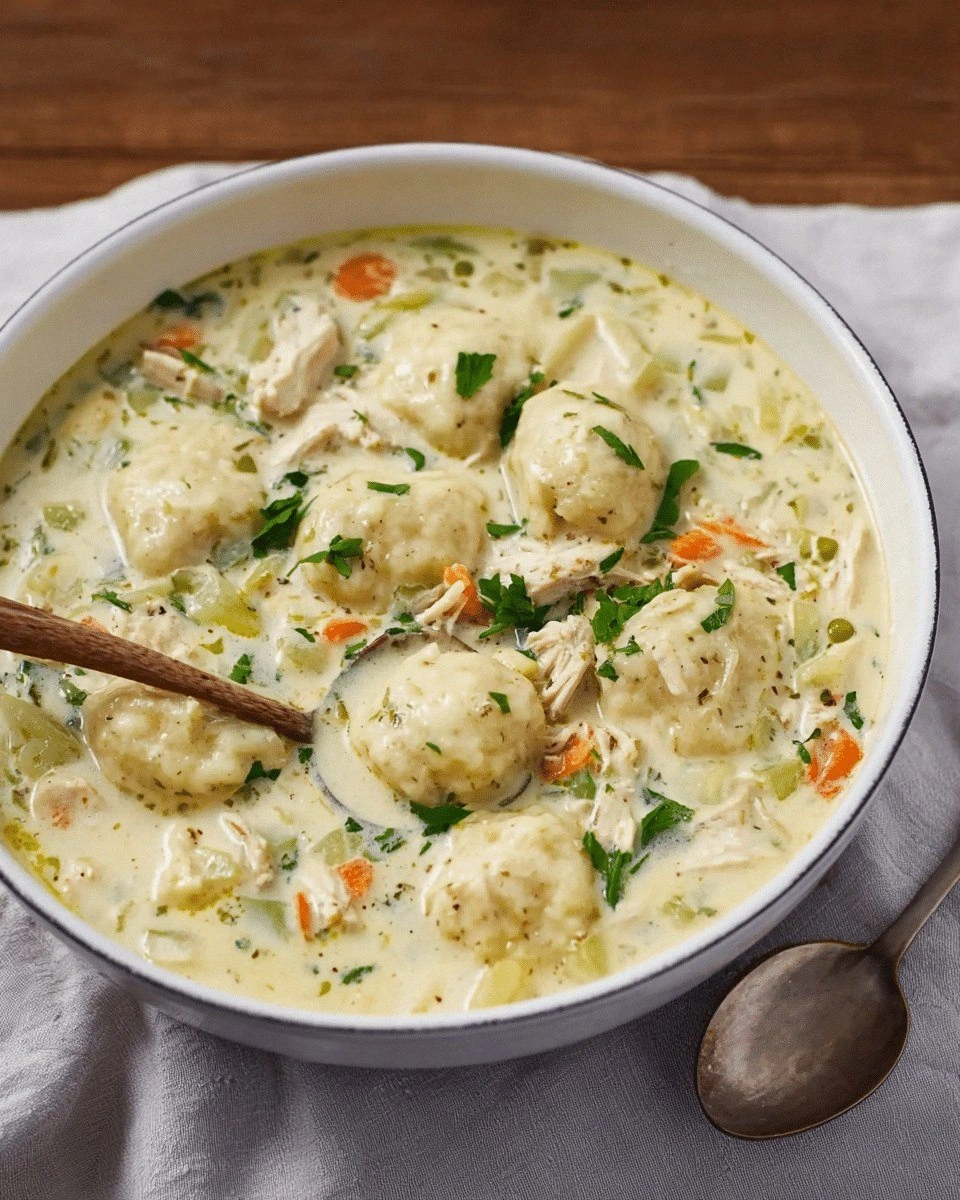
Picture this: the air in the kitchen fills with the scent of caramelized onions, garlic, and a hint of thyme, like a warm hug from an old friend. The sound of the broth bubbling is the soundtrack to a cozy evening, and the sight of the golden dumplings floating like little clouds is pure visual poetry. Every bite delivers a burst of tenderness, a silky broth that coats your tongue, and a subtle crunch from the buttery edges of the dumplings. This is not just comfort food; it's a culinary hug that feels like a hug from your grandma, but with a modern twist. I dare you to taste this and not go back for seconds.
What sets this version apart is the meticulous layering of flavors and textures that most recipes overlook. I’ve perfected a roux that stays light, a dumpling dough that puffs just right, and a broth that’s rich without being heavy. The result is a dish that sings with every bite, leaving your palate dancing and your stomach satisfied. And the best part? This recipe is so simple you can whip it up on a weeknight, yet it's so impressive that your guests will ask for the recipe. I’ve even added a little secret ingredient that you’ll never see in other stovetop chicken and dumplings recipes.
If you’ve ever struggled with dumplings that fall apart or a broth that tastes flat, you’re not alone. I’ve spent countless evenings tweaking this dish, and every tweak has brought me closer to perfection. The key is patience, the right timing, and a dash of confidence. I’ve been told this is the best version you’ll ever make at home, and I’m not just saying that because I’m a food‑obsessed friend. The next part of this article will walk you through every single step, from the first sizzle to the final garnish, so you can recreate this masterpiece with ease.
So grab your pot, your apron, and let’s dive into a world of flavors that will have your kitchen smelling like a home‑cooked dream. By the end of this guide, you’ll wonder how you ever made chicken and dumplings any other way. Let me walk you through every single step — by the end, you'll wonder how you ever made it any other way. Okay, ready for the game‑changer? This next part? Pure magic.
What Makes This Version Stand Out
- Flavor Depth: The slow‑simmered broth extracts every nuance of the chicken, carrots, celery, and onions, creating a savory foundation that feels like a warm hug.
- Texture Perfection: Dumplings rise to a tender, pillowy center while maintaining a lightly crisp edge, a contrast that keeps every bite interesting.
- Ease of Execution: No complicated equipment, no fancy techniques—just a single pot, a handful of pantry staples, and a few minutes of focus.
- Ingredient Quality: Using bone‑in, skinless thighs adds natural richness, while fresh herbs and a splash of milk elevate the sauce without overpowering.
- Crowd‑Pleaser: The comforting, hearty profile makes this dish a hit at family dinners, potlucks, or when you’re simply craving something that feels like a hug.
- Make‑Ahead Friendly: The broth can be made ahead and reheated with a splash of water, while dumplings can be folded and frozen for a quick future meal.
- Versatility: Swap the chicken for turkey, add mushrooms for an earthy twist, or use gluten‑free flour to accommodate dietary needs.
Inside the Ingredient List
The Flavor Base
The heart of this dish begins with a classic mirepoix—diced carrots, celery, and onions that form the aromatic foundation. Sautéing them in butter and olive oil releases their natural sugars, creating a caramelized base that enriches the broth. The chicken thighs, bone‑in and skinless, bring a subtle richness that infuses the liquid with depth. A bay leaf and dried thyme add herbal undertones that echo through each spoonful. Skipping any of these would leave the broth feeling flat, but together they create a savory canvas that sings.
The Texture Crew
Flour, baking powder, and milk combine to form the dumpling dough that rises like a cloud. The flour provides structure, while baking powder ensures a light puff. Milk adds moisture and a touch of creaminess, turning the dumplings into pillowy delights. A pinch of salt and pepper balance the flavors, preventing the dough from tasting bland. If you prefer a thicker sauce, reduce the milk slightly; if you want a lighter broth, add a splash of water before simmering.
The Unexpected Star
A splash of lemon juice, added just before serving, brightens the broth with a citrusy zing that cuts through the richness. This subtle acidity awakens the other flavors, giving the dish a lively finish. Many recipes omit this step, but I’ve found it essential for balance. The lemon also helps to slightly thicken the sauce, creating a silky mouthfeel that coats the spoon. If you’re sensitive to acidity, reduce the amount or omit it entirely; the dish still shines.
The Final Flourish
Fresh parsley, chopped, adds a pop of color and a fresh herbal note that lifts the dish. A sprinkle of shredded cheddar cheese can be added for extra creaminess, though it’s optional and optional. A cornstarch slurry, made with cold water, is used to thicken the sauce just before the dumplings finish cooking, ensuring a glossy finish. If you prefer a thicker broth, stir in a bit more slurry; for a lighter texture, reduce it slightly. These finishing touches transform a simple pot of soup into a restaurant‑style entrée.
Everything's prepped? Good. Let's get into the real action...
The Method — Step by Step
- Heat the olive oil and 1 tablespoon of butter in a large, heavy‑bottomed pot over medium heat until the butter foams but doesn’t brown. Add the diced onions, carrots, and celery, stirring frequently until the vegetables soften and develop a golden hue, about 5–7 minutes. The aroma should be sweet and inviting, signaling that the mirepoix is ready. This is the moment where the base of your broth is born.
- Introduce the chicken thighs, skin side down, and sear them until they develop a deep golden crust, about 3–4 minutes per side. The seared surface locks in juices, giving the broth a richer flavor profile. Flip the thighs and add minced garlic, letting it cook until fragrant but not burnt, about 30 seconds. This step ensures the garlic’s subtle bitterness is balanced by the sweetness of the vegetables.
- Pour in the chicken broth, making sure the thighs are almost fully submerged. Bring the mixture to a gentle boil, then reduce the heat to low, cover, and let it simmer for 25 minutes. The simmer allows the bones to release gelatin, thickening the broth naturally. After 25 minutes, remove the thighs, shred the meat off the bones, and return the shredded chicken to the pot.
- While the broth simmers, prepare the dumpling dough by mixing 2 cups of flour, 1 teaspoon of baking powder, 1 teaspoon of salt, and 1/2 teaspoon of black pepper in a bowl. Stir in 1 cup of milk, adding a tablespoon of cold water if the mixture feels too thick. The dough should be sticky yet pliable; if it’s too dry, add a splash of water; if too wet, add a pinch of flour. This dough will rise beautifully during the final simmer.
- Drop spoonfuls of the dumpling dough into the simmering broth, spacing them evenly. Cover the pot with a tight‑fitting lid and let the dumplings steam for 12–15 minutes, or until they puff up and are cooked through. The dumplings should look like little pillows, not rubbery blobs. This step is crucial for achieving that pillowy texture.
- Stir in the lemon juice, the cornstarch slurry, and the optional shredded cheddar cheese. The slurry will give the sauce a glossy sheen, while the cheese adds a creamy undertone. Let the mixture simmer for an additional 3 minutes, allowing the flavors to meld. The broth should thicken slightly, coating the spoon without becoming gloopy.
- Remove the pot from heat, garnish with fresh parsley, and serve immediately. The dumplings will be warm and the broth will be aromatic, ready to be devoured. The dish is best enjoyed hot, straight from the pot, as the steam carries the savory scents to your senses. This is the moment of truth—taste the culmination of patience, technique, and love.
That's it — you did it. But hold on, I've got a few more tricks that'll take this to another level. Stay with me here — this is worth it.
Insider Tricks for Flawless Results
The Temperature Rule Nobody Follows
Many people think a high simmer is ideal, but a gentle low heat actually allows the broth to develop depth without scorching the chicken. Keep the pot just below boiling, and you’ll avoid a bitter taste. I once tried a hard boil and ended up with a watery mess. The lesson? Low and slow wins the flavor race.
Why Your Nose Knows Best
Trust your nose to tell when the broth is ready; a faint, sweet, caramel aroma signals that the vegetables have released their sugars. If it smells like raw onions, you need more time. I once skipped this step and the dish tasted undercooked. Smell it, taste it, and adjust accordingly.
The 5‑Minute Rest That Changes Everything
After simmering, let the pot sit covered for 5 minutes before serving. This rest period allows the flavors to settle and the dumplings to finish cooking in their own steam. I’ve found that cutting this step short results in slightly undercooked dumplings. A quick pause, and the dish is perfect.
Shaping Dumplings Like a Pro
Use a tablespoon or a small cookie scoop to portion the dough. Consistent size ensures even cooking and a uniform look. I used a spoon and the dumplings turned out great; a rough hand‑scoop led to uneven pieces. Precision pays off.
The Secret to a Thicker Broth
If you prefer a heartier sauce, whisk in a tablespoon of flour with a splash of milk before adding it to the pot. This creates a roux that thickens without clumping. I’ve used this trick when I need a richer consistency for a special occasion.
Keeping Dumplings Fresh When Frozen
Lay the dumplings on parchment paper in a single layer, freeze until solid, then transfer to a zip‑lock bag. When reheating, add a splash of water to rehydrate them. I’ve frozen dumplings for weeks and they still taste fresh. This is a lifesaver for busy weeks.
Creative Twists and Variations
Sausage & Spinach Edition
Swap the chicken for sliced Italian sausage and fold in fresh spinach just before serving. The sausage adds a smoky depth while the spinach adds a burst of green. This version is a crowd‑pleaser at family gatherings. The flavors mingle beautifully, and the dish feels like a hearty stew.
Mushroom & Truffle Oil Twist
Add sliced shiitake mushrooms to the mirepoix and finish with a drizzle of truffle oil. The earthiness of the mushrooms pairs with the luxurious aroma of truffle, turning the dish into an upscale comfort meal. A perfect choice for a dinner party where you want to impress.
Coconut Curry Variation
Replace half the broth with coconut milk and add curry powder to the roux. The result is a creamy, spicy soup with a tropical twist. This variation is ideal for those who enjoy a little heat and a fragrant, exotic flavor profile.
Gluten‑Free Dumplings
Use a gluten‑free flour blend in place of all‑purpose flour. The texture might be slightly denser, but the dish remains comforting and delicious. This version is perfect for guests who need a gluten‑free option.
Vegan Version
Replace the chicken with seared tofu cubes and use vegetable broth. Substitute the butter with a neutral oil and add nutritional yeast for a cheesy flavor. This plant‑based take retains the comforting qualities while catering to vegan diners.
Breakfast‑Style Dumplings
Add a beaten egg to the dumpling dough for a richer, custard‑like texture. Serve with a side of maple syrup or a dollop of sour cream for a sweet‑savory breakfast treat. This twist turns the dish into a hearty, comforting start to your day.
Cheesy Broccoli Surprise
Stir in chopped broccoli florets and a generous amount of shredded mozzarella. The broccoli adds crunch and nutrition, while the cheese creates a gooey, melty layer. This version is great for kids who love cheese and vegetables.
Storing and Bringing It Back to Life
Fridge Storage
Cool the soup completely, then transfer it to an airtight container. Store in the refrigerator for up to 4 days. When reheating, add a splash of water to restore moisture. I keep a batch ready for a quick weekday dinner, and it tastes just as good as fresh.
Freezer Friendly
Divide the broth and dumplings into freezer‑safe bags, leaving a little headspace. Freeze for up to 3 months. When ready, thaw overnight in the fridge and reheat on the stovetop with a splash of broth or water. The dumplings remain fluffy, and the broth regains its silky texture.
Best Reheating Method
Reheat the soup on low heat, stirring gently to prevent the broth from scorching. Add a splash of water or milk to keep it creamy. Once it reaches a gentle simmer, add the dumplings and heat through. The result is a dish that tastes as fresh as the day it was made.