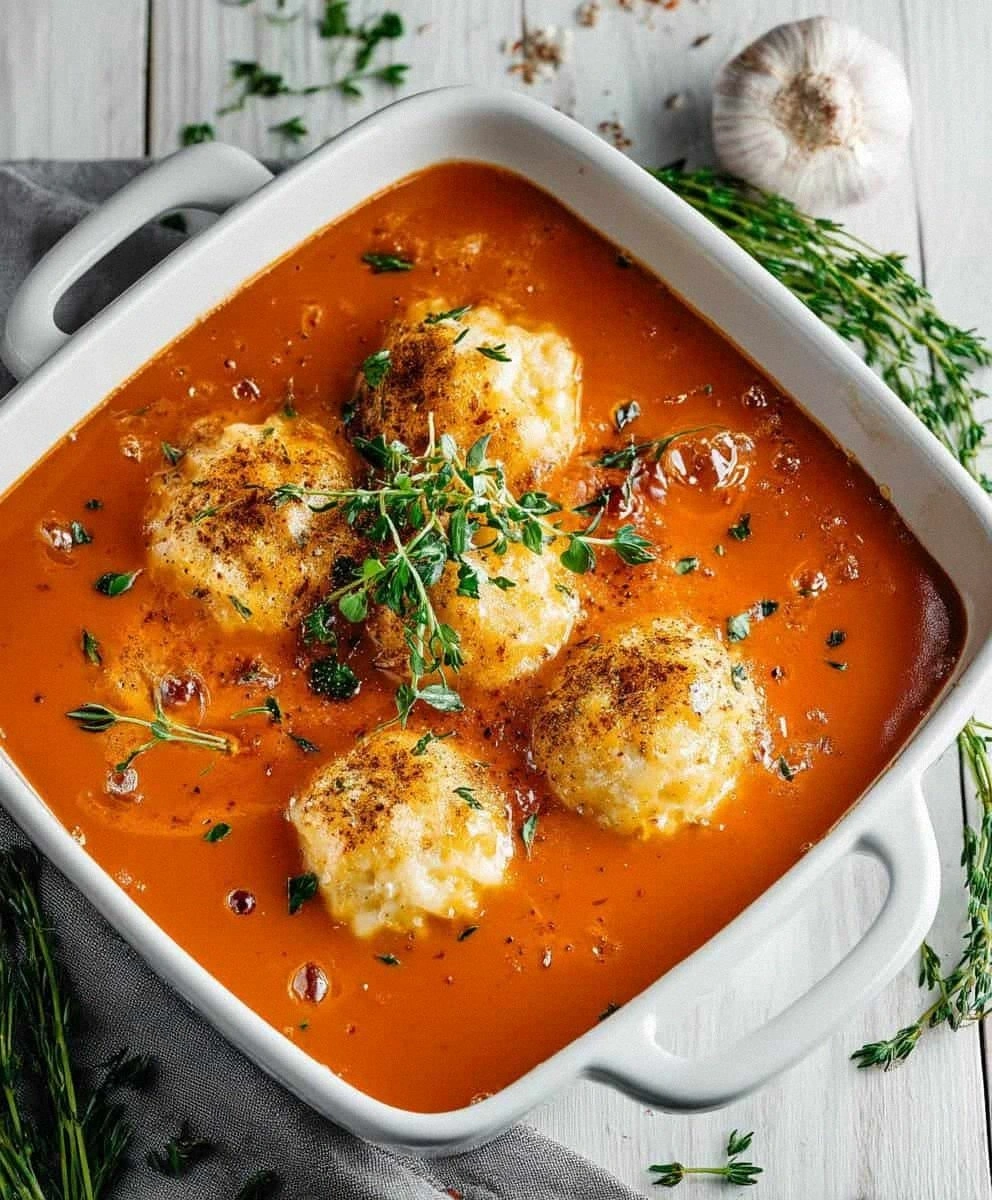
I burned dinner three times last week. Not because I can't cook — I'm actually pretty decent — but because I kept trying to make "simple" tomato soup from those sad canned recipes that taste like cafeteria sadness. You know the ones: thin, watery, and somehow both too sweet and too acidic at the same time. After the third disaster, I stomped around my kitchen like a toddler, opened my fridge, and stared at a half-eaten bag of cheddar biscuits from last night's takeout. That's when it hit me. What if tomato soup didn't have to be boring? What if it could be the cozy blanket of soups, wrapped around fluffy, cheesy dumplings that taste like those addictive Red Lobster biscuits everyone pretends not to love?
The first batch was gone in ten minutes. My roommate walked in, took one whiff, and literally said, "What witchcraft is this?" The tomato soup was silky and rich, with depth that made me wonder why I'd ever settled for the thin stuff. But the real stars were those dumplings — tender little clouds floating in the soup, soaking up all that tomato goodness while maintaining their cheesy, garlicky identity. I watched him go back for thirds, then fourths, until we were both leaning against the counter in a food coma, plotting our next batch.
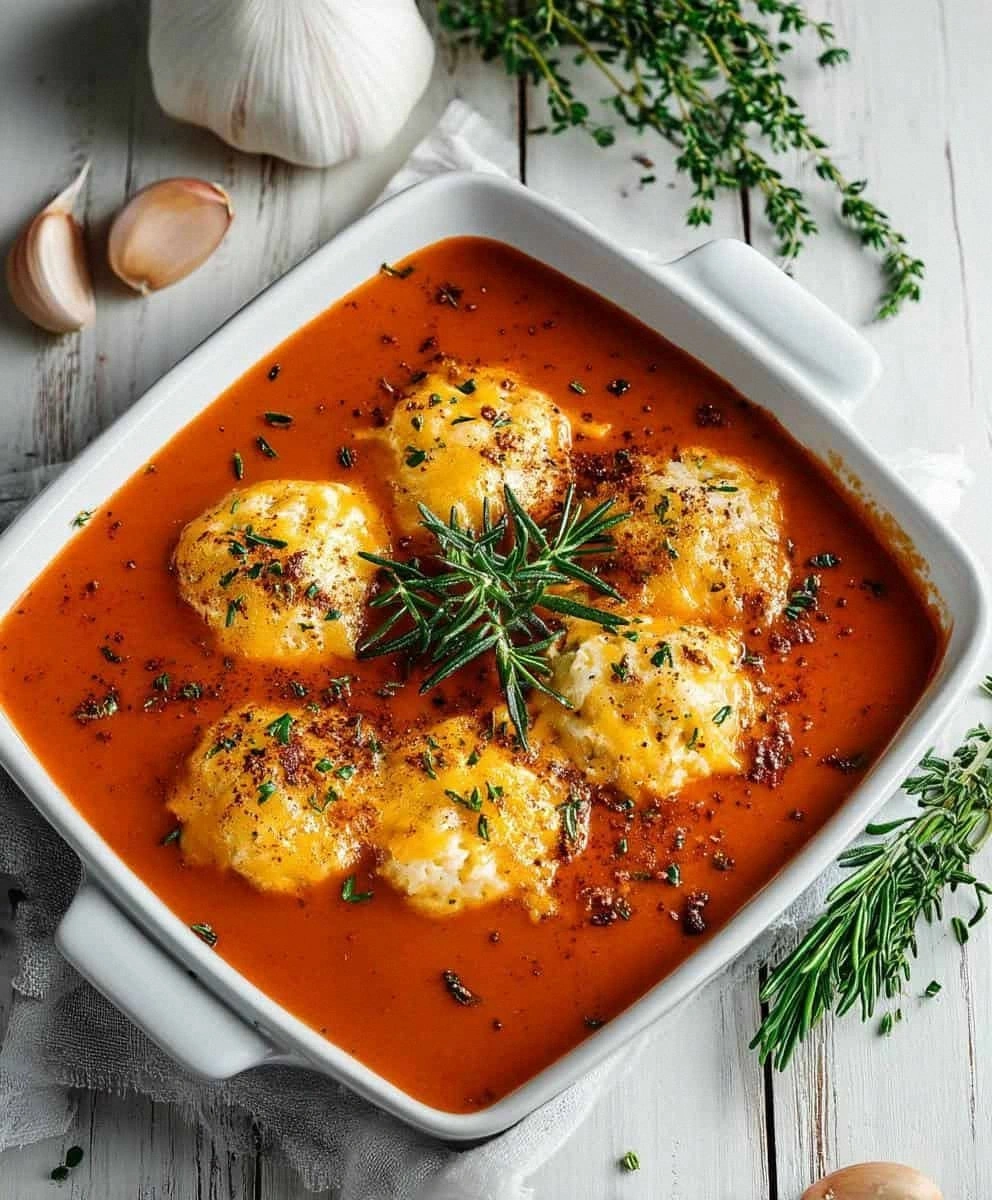
Picture this: it's raining outside, you've got fuzzy socks on, and you're pulling a pot off the stove that smells like someone bottled up comfort and added a cheese pull. The soup is that perfect shade of deep red that makes you think of summer gardens, even in the dead of winter. Steam rises in lazy curls, carrying the scent of garlic and herbs. And then you see them — those dumplings, plump and golden, peeking through the surface like edible treasure. This isn't just dinner; it's a mood, a moment, a hug you can eat with a spoon.
Let me walk you through every single step — by the end, you'll wonder how you ever made it any other way.
What Makes This Version Stand Out
- Flavor Bomb: Most tomato soups taste like someone watered down ketchup. This version builds layers of flavor starting with properly caramelized onions and garlic, then adds depth with a touch of sugar to balance the acid and dried herbs that bloom in the hot oil. The result is a soup that tastes like it simmered all day, even though it only took thirty minutes.
- Texture Paradise: Forget the eternal soup dilemma of too thin or too chunky. This hits that perfect middle ground where it coats your spoon like velvet but still has enough body to support those glorious dumplings. The cream is optional, but I dare you to taste it both ways and not become a convert.
- Cheese Strategy: The dumplings aren't just vehicles for cheese — they're carefully balanced with sharp cheddar that actually tastes like something, not just generic "orange." The garlic and onion powder in the dough echo the soup's flavors, making each bite taste intentional, not like an afterthought.
- Weeknight Friendly: Total active time is under twenty minutes, and everything happens in one pot except for mixing the dumpling dough. While the soup simmers, you whisk together the dumpling ingredients. By the time you're done, the soup is ready for its floaty, cheesy passengers.
- Leftover Magic: This soup actually gets better overnight as the flavors meld. The dumplings will soak up some broth, but here's the secret: just add a splash of broth when reheating and they'll puff back up. I've eaten this for lunch three days straight without getting bored.
- Crowd Psychology: Serve this to guests and watch what happens. Adults turn into kids, kids turn into quiet little angels (because their mouths are full), and everyone asks for the recipe. It's the culinary equivalent of a puppy — universally beloved.
- Ingredient Integrity: Every single component matters here. Good crushed tomatoes make the difference between "meh" and "wow." Real sharp cheddar, not pre-shredded mystery cheese, creates those melty pockets that make people close their eyes when they eat.
- Make-Ahead Champion: The soup base can be made three days ahead. The dumpling dough can be mixed and refrigerated for up to 24 hours. When you're ready to eat, just bring the soup to a simmer and drop in the dumplings. Dinner party stress? Eliminated.
Inside the Ingredient List
The Flavor Base
Olive oil might seem basic, but it's the foundation of everything. Don't reach for that fancy bottle you save for salad dressings — use a good everyday olive oil here because we're going to heat it. The onion is your first flavor layer, and here's where most people mess up. They rush it. You want to cook that onion until it's translucent and starting to turn golden at the edges, about five minutes. This isn't just softening — we're building sweetness and depth that will carry the whole soup.
Garlic comes next, and timing matters. Add it too early with the onions and it'll burn, turning bitter and ruining everything. Wait until the onions are nearly done, then add minced garlic and cook just until it smells amazing, about thirty seconds. That smell? That's the smell of dinner being awesome. If your garlic turns brown, you've gone too far — start over. Seriously, I know it's painful, but bitter garlic will haunt your soup like a tiny angry ghost.
The crushed tomatoes are the star, so don't cheap out here. I've tried this with bargain tomatoes and premium ones, and the difference is like comparing a flip phone to an iPhone. You want tomatoes that taste like tomatoes, not red water. Look for cans that list tomatoes as the only ingredient, maybe with a little salt. If you can find San Marzano style, grab them, but any good quality crushed tomatoes will work. The twenty extra cents per can is worth it, I promise.
The Texture Crew
Vegetable broth might seem like a throwaway ingredient, but it's carrying half the flavor load. Use a good one, or better yet, make your own and freeze it in ice cube trays. The sugar isn't about making things sweet — it's about balance. Tomatoes can be acidic, especially canned ones, and a teaspoon of sugar rounds out those sharp edges. Taste your tomatoes first; if they're already sweet, you can skip it. But most of the time, you'll want it.
Basil and oregano are the classic Italian herb duo, but here's what matters: add them to the hot oil before the tomatoes. This wakes up their essential oils, making them more fragrant and flavorful. It's called blooming, and it's the difference between herbs that taste like dusty leaves and herbs that taste like summer in the Mediterranean. Don't skip this step, even if you're in a hurry. Your taste buds will notice.
The heavy cream is optional, but I urge you to try it both ways. Without it, you get a bright, clean tomato flavor that's perfect for summer. With it, you get richness and body that makes this feel like restaurant food. If you're dairy-free, coconut cream works surprisingly well — it adds a subtle sweetness that plays beautifully with the tomatoes. Just don't use milk; it's too thin and can curdle in the acid.
The Unexpected Star
Baking powder in dumplings can be tricky — too much and they taste metallic, too little and they're dense little rocks. One tablespoon is the sweet spot for two cups of flour. Make sure yours is fresh (baking powder loses potency over time), and don't overmix once you add the liquid. Stir just until the flour disappears; lumps are your friend here. Overmixing develops gluten, and gluten is what makes dumplings tough instead of tender.
Garlic powder and onion powder in the dumplings might seem redundant since they're also in the soup, but this creates flavor harmony. Every bite tastes cohesive, like everything belongs together. Don't substitute fresh garlic here — the powder distributes evenly and won't burn like fresh garlic can. It's a small touch that makes a huge difference in the final result.
The sharp cheddar is non-negotiable. Mild cheddar just disappears into the dough, leaving you with orange dumplings that don't taste like much. Sharp cheddar keeps its personality even after cooking, creating little pockets of cheesy goodness. Pre-shredded cheese is coated with cellulose that prevents smooth melting, so grate your own. Yes, it's extra work, but you can taste the difference in every bite.
The Final Flourish
Fresh parsley at the end isn't just for color — it adds a bright, fresh note that cuts through the richness. Chop it right before serving; chopped parsley starts to oxidize and turn dark within minutes. If you only have dried parsley, skip it entirely. Dried parsley tastes like green dust and adds nothing but disappointment. Better to go without than to ruin your beautiful creation with sad herbs.
The melted butter in the dumpling dough serves two purposes: it adds richness and helps create tender texture. Don't substitute oil here — butter has milk solids that contribute to flavor development. Make sure it's cooled slightly before adding to the milk; if it's too hot, it'll start cooking the flour and you'll end up with lumps that won't mix properly. Lukewarm is perfect.
The Method — Step by Step
- Heat your olive oil in a heavy-bottomed pot over medium heat until it shimmers. You want it hot enough that the onions sizzle when they hit the pan, but not so hot that they brown immediately. Add your chopped onion and spread it out in an even layer. Resist the urge to stir constantly — let it sit for a minute or two between stirs so it can develop those golden edges that equal flavor. After about five minutes, when the onions are translucent and starting to color, clear a space in the center and add your minced garlic. Count to thirty while stirring constantly, then mix everything together. Your kitchen should smell like you're about to make something incredible.
- Pour in your crushed tomatoes and vegetable broth, but don't stir yet. Let the tomatoes sit on top for a moment, then add your sugar, basil, oregano, salt, and pepper. Now stir, scraping up any browned bits from the bottom — that's pure flavor gold. Bring everything to a gentle simmer, then reduce the heat to low. Let it bubble quietly while you make the dumplings, about fifteen minutes. The soup will thicken slightly and the flavors will meld together. Taste it now and adjust the seasoning; it should be vibrant and tomato-forward with a nice balance of herbs.
- In a large bowl, whisk together your flour, baking powder, salt, garlic powder, and onion powder. Make sure everything is evenly distributed — those little white pockets of baking powder in finished dumplings taste terrible. Add the shredded cheddar and toss it through the flour mixture. This coats the cheese with flour, which helps prevent it from sinking to the bottom of the dumplings as they cook. Create a well in the center of your dry ingredients.
- Melt your butter in a small bowl or measuring cup, then let it cool slightly while you measure your milk. You want it warm enough to stay liquid but not so hot it starts cooking the flour. Add the milk to the butter and stir to combine. Pour this mixture into the well in your flour mixture. Here's the crucial part: stir just until the flour disappears. The dough will be lumpy and sticky — that's perfect. Overmixing is the enemy of tender dumplings.
- Bring your soup back to a gentle simmer over medium heat. You want it bubbling but not boiling furiously — think jacuzzi, not cauldron. Using two spoons or a small cookie scoop, drop heaping tablespoons of dumpling dough into the simmering soup. They should float on top and look like little clouds of potential deliciousness. Work quickly but don't stress about perfect shapes.
- Once all the dumplings are in, cover the pot with a tight-fitting lid and reduce the heat to low. Set a timer for fifteen minutes and whatever you do, don't peek. The dumplings need that steam to cook through properly. While you wait, chop your parsley and set the table. The anticipation is part of the experience — let it build.
- After fifteen minutes, remove the lid carefully (steam burns are no joke). The dumplings should have puffed up and look fluffy and inviting. Insert a toothpick into the center of the largest dumpling — it should come out clean. If there's wet dough on it, cover and cook for another three minutes. Once they're done, stir in the heavy cream if using, and let it heat through for one minute.
- Ladle the soup into bowls, making sure each serving gets plenty of dumplings. Sprinkle with fresh parsley and serve immediately. The dumplings will start to sink as they absorb the soup, so don't dawdle. Watch as your diners break open a dumpling — the steam rises, cheese stretches, and someone inevitably makes that little happy sound that means you've done something right.
Insider Tricks for Flawless Results
The Temperature Rule Nobody Follows
Here's the thing about dumpling dough — temperature matters more than you think. Cold milk straight from the fridge makes the butter solidify into little chunks, which creates pockets of steam and tender texture. But if everything's too cold, the dumplings won't rise properly. Room temperature milk plus slightly cooled melted butter is the sweet spot. I leave my milk on the counter while the soup simmers, and it makes a noticeable difference in the final texture.
Why Your Nose Knows Best
Don't trust the timer alone — trust your nose. When the dumplings are perfectly cooked, your kitchen will smell like fresh bread and melted cheese had a baby. If you smell something toasty and slightly nutty, you're right on target. If you smell nothing, they need more time. If you smell something burning, you've gone too far. This might sound like kitchen voodoo, but after you make this a few times, you'll understand exactly what I mean.
The 5-Minute Rest That Changes Everything
After the dumplings are done, turn off the heat and let everything sit for five minutes before serving. This isn't just about avoiding burned tongues (though that's important). During this rest, the dumplings absorb just enough broth to become infused with tomato flavor while still maintaining their structure. The soup also thickens slightly as the starches from the dumplings mingle with the broth. It's like a flavor marriage ceremony, and you're the officiant.
The Cheese Distribution Secret
Want those perfect cheese pulls in every bite? Reserve a handful of shredded cheese and gently fold it into the dumpling dough right before cooking. The cheese on the inside melts into gooey pockets, while the cheese mixed with the flour distributes evenly throughout. It's a small step that takes these from good dumplings to legendary status. I learned this trick from a chef friend who specializes in comfort food, and now I can't make them any other way.
The Lid Lock Technique
When covering the pot, place a layer of foil between the pot and the lid, then crimp it around the edges. This creates a tighter seal that prevents steam from escaping, resulting in lighter, fluffier dumplings. It's an old restaurant trick that seems fussy until you try it and realize your dumplings cook more evenly and puff up like little pillows. Plus, it makes you feel like you know what you're doing, which honestly, half of cooking is confidence anyway.
Creative Twists and Variations
The Fire-Roasted Revolution
Swap the regular crushed tomatoes for fire-roasted crushed tomatoes and add a pinch of smoked paprika to the soup. The smoky depth pairs beautifully with the sharp cheddar, creating a flavor profile that tastes like you cooked this over a campfire. Add a dash of hot sauce to the dumpling dough for a subtle kick that builds with each bite. This version is perfect for people who think tomato soup is too plain — they'll never say that again.
The Mediterranean Escape
Add a teaspoon of dried oregano and a pinch of red pepper flakes to the soup, then stir in a handful of chopped kalamata olives right before serving. Replace the cheddar with feta in the dumplings, and add a tablespoon of chopped fresh dill to the dough. The result is a Greek-inspired version that tastes like summer on the Mediterranean coast, even in the dead of winter.
The Loaded Baked Potato Remix
Stir in a cup of diced potatoes during the last ten minutes of soup cooking, then top each bowl with crumbled bacon, sliced green onions, and a dollop of sour cream. Add some cooked, crumbled bacon to the dumpling dough for extra indulgence. It's like someone turned a loaded baked potato into soup form, then made it even more comforting with cheesy dumplings.
The Vegan Victory
Use coconut milk instead of heavy cream, vegetable broth obviously, and substitute the cheddar with a combination of nutritional yeast and vegan parmesan. For the dumplings, use plant milk and vegan butter. The nutritional yeast adds that cheesy umami flavor that tricks even dairy lovers. My vegan friend cried when she tasted this because she'd missed creamy tomato soup so much.
The Breakfast-For-Dinner Special
Add a tablespoon of maple syrup to the soup for subtle sweetness, then serve each bowl with a perfectly poached egg on top. The runny yolk mingles with the tomato broth, creating a sauce that's pure breakfast magic. Make the dumplings with white cheddar and a pinch of thyme. It's breakfast and dinner and comfort food all rolled into one bowl.
The Garden Glory
Add two cups of fresh spinach to the soup during the last five minutes of cooking, stirring until wilted. Add some sautéed mushrooms to the dumpling dough for earthy depth, and use a combination of cheddar and gruyere for extra nuttiness. This version makes you feel slightly virtuous while still delivering that comfort food hit you crave.
Storing and Bringing It Back to Life
Fridge Storage
Let the soup cool completely before transferring to airtight containers. The dumplings will continue to absorb broth, so store them separately if possible. If stored together, they'll expand and become softer — still delicious, just different. In the fridge, this keeps for up to four days, though honestly, it's never lasted that long in my house. Always reheat gently on the stove rather than in the microwave; the dumplings stay more intact that way.
Freezer Friendly
The soup base freezes beautifully for up to three months. Freeze the dumplings separately on a baking sheet, then transfer to a freezer bag once solid. This prevents them from sticking together in one giant dumpling blob. When ready to eat, thaw the soup overnight in the fridge, bring to a simmer, and add the frozen dumplings directly to the pot. They'll need an extra five minutes of cooking time, but they turn out just as fluffy as fresh.
Best Reheating Method
Always add a splash of broth or water when reheating — the soup thickens as it sits, and you want that perfect consistency back. Heat gently over medium-low heat, stirring occasionally, until everything is heated through. If the dumplings seem dry, spoon some broth over them as they reheat. For a quick fix, you can microwave individual portions for 90 seconds, but add a tablespoon of water first and cover with a damp paper towel to create steam.