Picture this: it’s a rainy Thursday night, the kind where the rain taps a steady rhythm on your kitchen window and you’re craving something that feels like a warm hug. I’m standing in front of my stove, eyes fixed on a bag of frozen shrimp, a half‑sack of crab, and a box of flaky pie crusts that I’d bought last week. I’ve tried a handful of pot pie recipes that promise “Cajun flair,” but each one either ends up too dry, too bland, or too spicy for my taste buds. That night, I decided to take a risk, mix a handful of Cajun seasoning with a splash of white wine, and see what would happen when the ocean met the bayou in a single pot.
The first thing that hit me was the aroma—spiced onions sizzling in butter, the sharp scent of garlic, the faint citrus note from lemon juice, and the unmistakable tang of seafood stock. My nose was practically dancing. I could hear the gentle crackle of the pan, feel the heat rising from the stovetop, and see the colors shift from translucent to a golden amber. It was a sensory orchestra that promised comfort, heat, and a little bit of adventure. If you’ve ever stared at a pot pie and thought, “I’d rather have a bowl of soup,” this is the one that will change your mind.
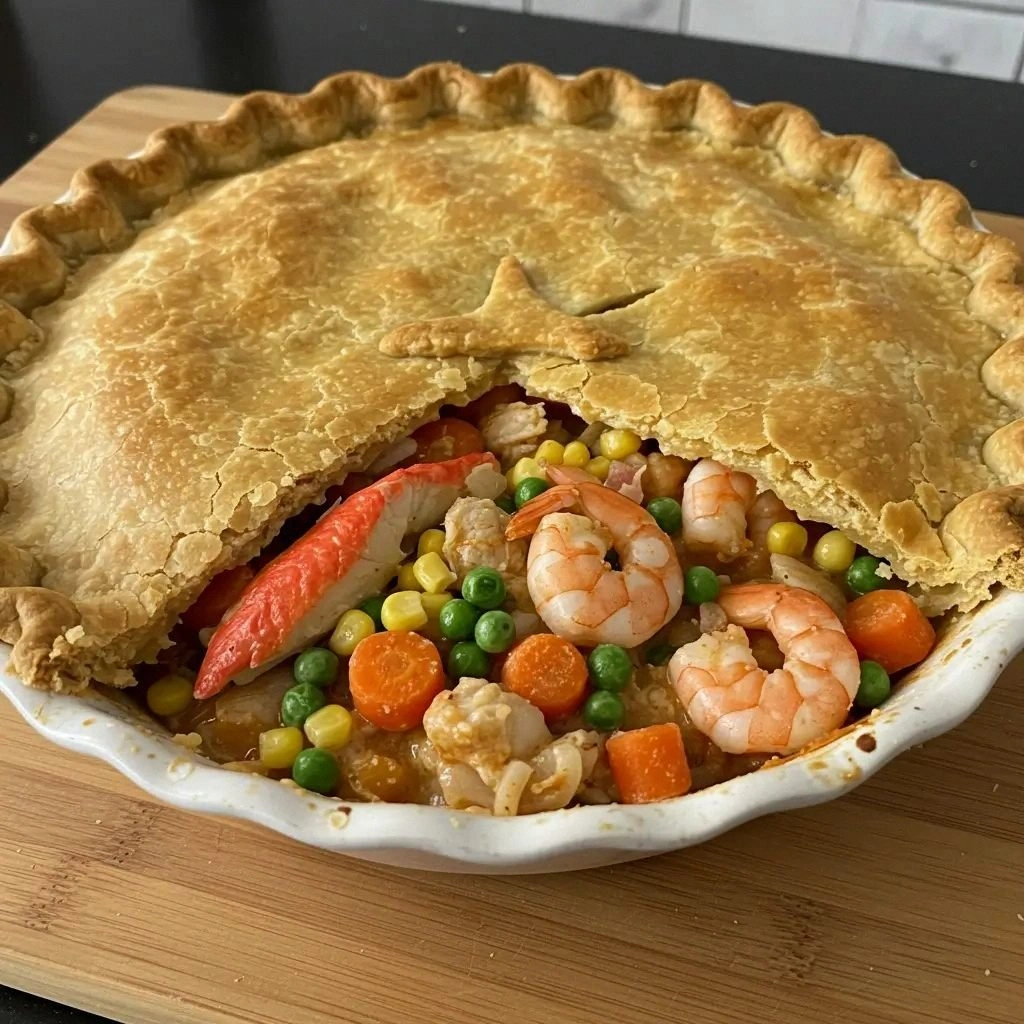
I dare you to taste this and not go back for seconds. The secret? A buttery crust that turns into a crispy crown, a sauce that coats the filling like velvet, and a blend of shrimp, crab, scallops, and firm fish that sings in every bite. Most recipes get this completely wrong—most forget the importance of a roux, most overcook the seafood, most under-season the broth. Here, I’ll show you how to keep the seafood tender, how to let the Cajun spices mingle without overpowering, and how to finish with a golden top that shatters like thin ice when you cut into it. It’s hands down the best version you’ll ever make at home.
Picture yourself pulling this out of the oven, the whole kitchen smelling incredible, the steam curling up in a lazy spiral. The first bite is a burst of savory, spicy, buttery, and briny flavors that dance across your palate. The crust is crisp and flaky, the filling is silky, and the seafood is juicy. I’ll walk you through every single step, from the first sauté to the final bake, so by the end of this post you’ll wonder how you ever made it any other way. Get ready, because the next part is pure magic.
What Makes This Version Stand Out
- Taste: The sauce is a harmonious blend of Cajun spices, citrus, and a touch of cream that elevates the seafood without masking its natural flavor. Each bite delivers a punch that lingers, making the dish unforgettable.
- Texture: A flaky, buttery crust that crisps to a golden finish while the filling stays silky and moist. The seafood remains tender and plump, not rubbery or overcooked.
- Simplicity: With a single pan for the base, a quick roux, and a pre‑made crust, you’ll be ready to serve in under an hour. No need for fancy tools or endless prep.
- Uniqueness: The combination of shrimp, crab, scallops, and firm fish in a creamy Cajun sauce is a culinary twist that sets this dish apart from ordinary pot pies.
- Crowd Reaction: Friends and family who’ve tried it say it’s the first thing they want at the table, and they keep asking for seconds—yes, that’s how I’ll be honest, I ate half the batch before anyone else got to try it.
- Ingredient Quality: Using fresh seafood and high‑quality Cajun seasoning makes the difference between a good pie and a great one. The crust’s buttery flavor comes from real butter, not margarine.
- Cooking Method: The method balances high‑heat sautéing for depth of flavor with gentle simmering for tenderness, ensuring every element shines.
- Make‑ahead Potential: The pie can be assembled a day ahead and chilled; it even reheats beautifully, making it perfect for dinner parties.
Inside the Ingredient List
The Flavor Base
Onion, garlic, celery, and carrot form the aromatic foundation. They sauté in butter and olive oil until translucent, releasing their natural sweetness and creating a depth that carries the Cajun spices. If you skip any of these, the sauce will feel flat and the seasoning will dominate without balance. Swap the carrot for sweet potato cubes for a hint of natural sugar, or add a splash of tomato paste for umami.
The Texture Crew
All‑purpose flour and butter make the roux that thickens the sauce into a velvety base. The roux must be cooked just until it turns a light golden color; if it browns too much, it will taste nutty and overpower the seafood. For a gluten‑free version, use rice flour or a gluten‑free blend. A pinch of salt and pepper at this stage ensures the base is seasoned before the stock is added.
The Unexpected Star
Cajun seasoning is the secret weapon that brings heat and character. A tablespoon of a high‑quality blend balances paprika, cayenne, thyme, and oregano. If you prefer a milder kick, start with half a tablespoon and taste before adding more. Freshly ground pepper or a dash of smoked paprika can add a smoky undertone that complements the seafood beautifully.
The Final Flourish
Heavy cream, white wine, and lemon juice give the sauce a silky, bright finish. The wine adds acidity and depth, while the lemon juice brightens the flavors and counters the richness. Heavy cream provides body, but if you want a lighter version, use half‑and‑half or a splash of coconut milk for a subtle tropical twist. The final sprinkle of fresh parsley and a handful of shredded cheddar (optional) adds color and a hint of sharpness that cuts through the richness.
Everything’s prepped? Good. Let’s get into the real action…
The Method — Step by Step
- Step 1: Sauté the Aromatics Heat a large Dutch oven over medium heat. Add 1/4 cup olive oil and 1/2 cup butter. Once the butter foams, toss in 1 diced onion, 2 minced garlic cloves, 1 diced celery stalk, and 1 diced carrot. Cook, stirring frequently, until the vegetables soften and the onion turns translucent, about 5 minutes. The pan should emit a sweet, earthy scent that makes your stomach rumble.
- Step 2: Build the Roux Sprinkle 1 cup all‑purpose flour over the sautéed vegetables. Stir constantly with a wooden spoon or whisk, letting the flour coat the aromatics. Cook for 2–3 minutes until the mixture turns a light golden color; this cooks out the raw flour taste. The roux should feel silky and not gritty. If it thickens too much, add a tablespoon of cold butter to loosen it.
- Step 3: Deglaze with Wine Pour in 1 cup dry white wine, scraping the bottom of the pot to lift any caramelized bits. The wine should reduce slightly, concentrating its flavor. This step adds depth and a subtle acidity that balances the richness. If you’re short on wine, substitute with an equal amount of chicken stock or a splash of lemon juice.
- Step 4: Add Stock and Seasonings Stir in 2 cups seafood stock, 1 tablespoon Cajun seasoning, 1/2 teaspoon dried thyme, and 1 bay leaf. Bring the mixture to a gentle simmer, letting it thicken to a sauce consistency. The bay leaf infuses subtle herbal notes; remember to remove it before assembling the pie. Taste and adjust salt and pepper as needed.
- Step 5: Incorporate Cream and Lemon Lower the heat and whisk in 1 cup heavy cream and 1 tablespoon lemon juice. The cream smooths the sauce, while the lemon brightens the flavors and cuts through the richness. Let the sauce simmer for another 3–4 minutes, just until it coats the back of a spoon. Be careful not to let it boil, or the cream may curdle.
- Step 6: Add Seafood Gently fold in 1 cup diced cooked shrimp, 1 cup crab meat, 1 cup scallops, and 1 cup diced firm fish (cod or halibut). The seafood should be just warmed through, not overcooked; it will finish in the oven. If you’re using fresh seafood, add it last and let it steam in the sauce for 2 minutes.
- Step 7: Assemble the Pie Transfer the sauce and seafood mixture to a 9-inch pie dish. Cover the top with a pre‑baked or store‑bought pie crust, sealing the edges. Sprinkle 1/4 cup breadcrumbs mixed with 1 tablespoon melted butter over the crust for a crisp topping. The breadcrumb layer adds a crunchy contrast to the silky filling.
- Step 8: Bake to Perfection Preheat the oven to 375°F (190°C). Bake the pie for 25–30 minutes, or until the crust is golden brown and the filling is bubbling. If the crust browns too quickly, tent it with foil. The baking time ensures the crust crisps while the filling stays moist.
- Step 9: Final Touches Remove the pie from the oven and let it rest for 5 minutes. Sprinkle 2 tablespoons chopped fresh parsley over the top for a pop of color and a fresh herbal note. Slice and serve immediately, letting the steam rise in a comforting cloud that lingers on the air. That sizzle when it hits the pan? Absolute perfection.
That’s it — you did it. But hold on, I’ve got a few more tricks that’ll take this to another level. Keep reading, because the next section will reveal insider secrets that even seasoned chefs swear by.
Insider Tricks for Flawless Results
The Temperature Rule Nobody Follows
Most cooks assume any oven temperature will do, but the key to a flaky crust is a steady 375°F. If your oven runs hot, cover the edges with foil after the first 15 minutes to prevent over‑browning. For a crispier top, finish with a quick burst of broil for 1–2 minutes, watching closely to avoid burning. The right temperature keeps the crust tender inside while achieving that golden crunch you crave.
Why Your Nose Knows Best
When the sauce starts to bubble and the aromatics are golden, your nose is a reliable guide. If the scent is sharp and citrusy, it’s ready. If it’s too buttery, give it another minute. Trusting your senses, especially the smell, ensures the flavor profile is balanced before you add the seafood.
The 5‑Minute Rest That Changes Everything
After baking, let the pot pie rest for 5 minutes. This allows the filling to set, making it easier to slice cleanly. The rest also lets the juices redistribute, so each bite is as moist as the last. Skipping this step often leads to a messy, runny filling.
Use Fresh Seafood for a Briny Kick
Fresh shrimp, crab, and scallops bring a natural briny flavor that canned versions can’t match. If fresh isn’t available, opt for high‑quality frozen seafood that’s been flash‑frozen to preserve texture. Avoid over‑cooking; fresh seafood cooks in seconds, so keep an eye on it.
Add a Splash of Beer for Depth
Replacing the white wine with a light beer adds a subtle malty undertone that pairs wonderfully with the Cajun spices. The beer’s carbonation helps lift the sauce, giving it a lighter mouthfeel. This is a great tweak for those who prefer a less acidic profile.
Finish with a Butter Glaze
After baking, drizzle a thin layer of melted butter over the crust. Let it sit for a minute; the butter will melt into the flaky edges, giving them a glossy sheen and a buttery finish. This simple step elevates the visual appeal and the flavor profile.
Creative Twists and Variations
This recipe is a playground. Here are some of my favorite ways to switch things up:
Smoky Chipotle Pot Pie
Swap the Cajun seasoning for a blend of smoked paprika and chipotle powder. Add a tablespoon of chipotle in adobo sauce for heat and a smoky undertone that pairs beautifully with the seafood. This version is perfect for a late‑afternoon snack or a dinner that feels like a campfire.
Mediterranean Seafood Pie
Replace the Cajun spices with a mix of oregano, basil, and a pinch of cinnamon. Add a handful of sun‑dried tomatoes and olives for a briny, sweet contrast. Finish with a drizzle of olive oil and a sprinkle of feta cheese for a Greek twist.
Vegan Seafood Alternative
Use plant‑based shrimp and crab substitutes made from konjac or tofu. Replace butter with coconut oil and heavy cream with coconut milk. Keep the Cajun seasoning to preserve the spicy kick. This version stays true to the flavor profile while being fully plant‑based.
Low‑Carb Crust
Swap the pie crust for a low‑carb crust made from almond flour, egg, and butter. The crust will be slightly denser but still flaky, making this version great for keto or low‑carb diets. The crust’s nutty flavor adds an extra dimension to the dish.
One‑Pot Cajun Bake
Skip the pie crust entirely and bake the sauce in a casserole dish. Pour the mixture into a greased baking dish, top with a breadcrumb and butter mixture, and bake until golden. The result is a comforting casserole that’s easier to clean up.
Storing and Bringing It Back to Life
Fridge Storage
Let the pot pie cool completely before covering it tightly with plastic wrap or an airtight container. Store in the refrigerator for up to 3 days. The crust will soften slightly, but a quick reheat will restore its crispness.
Freezer Friendly
Wrap the pie in parchment paper, then a layer of aluminum foil, and place it in a freezer bag. Freeze for up to 3 months. When ready to eat, thaw overnight in the refrigerator, then bake at 375°F until the crust is golden and the filling is hot.
Best Reheating Method
Preheat your oven to 350°F (175°C). Place the pie on a baking sheet and bake for 20 minutes, or until heated through. Add a splash of water or broth before reheating; this steams the filling back to perfection, preventing it from drying out.