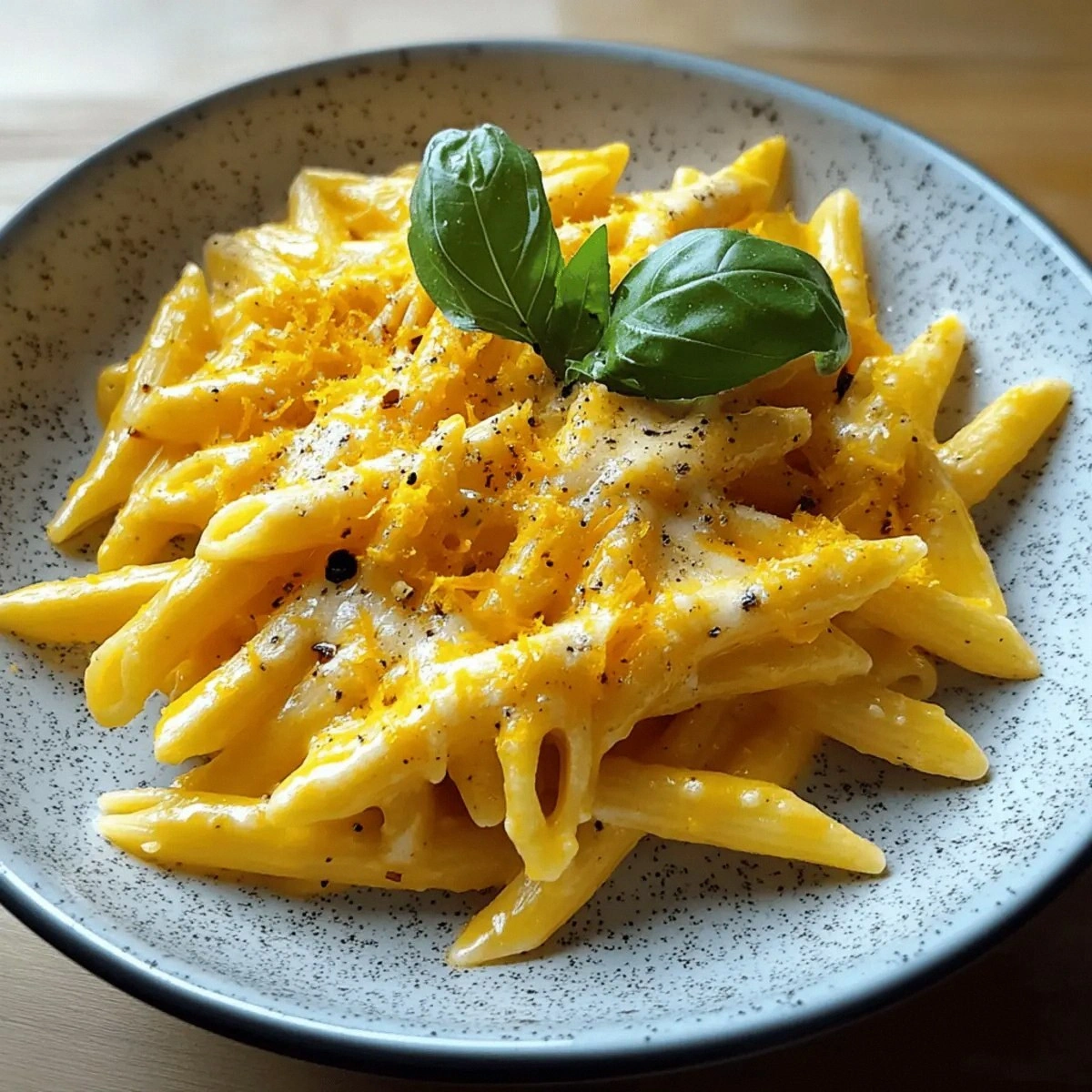
I still remember the exact moment this recipe was born. There I was, standing in my tiny apartment kitchen at 11:47 PM on a Tuesday, staring at a half-empty box of pasta and a single orange that had been rolling around my fridge for weeks. My stomach was growling louder than the neighbor's neglected beagle, and I had exactly zero motivation to make anything complicated. The cheese drawer, however, was another story entirely — it was stuffed like a treasure chest with cheddar and Parmesan, the kind of collection that happens when you're a food blogger who can't resist the fancy cheese section.
What started as desperation dinner turned into an obsession that kept me up until 3 AM, tweaking and tasting until I hit that magical combination where the bright citrus notes danced with the rich, creamy cheese sauce in a way that made my taste buds do a happy little jig. The first bite was electric — that moment when the tangy orange zest cut through the velvety cheese coating each pasta curve, creating this incredible balance that felt both comfortingly familiar and excitingly new. I ate the entire batch standing at the counter, using a wooden spoon because all my forks were dirty, and I didn't even feel guilty about it.
This isn't just another mac and cheese with a squeeze of citrus thrown in for Instagram appeal. No, this is the result of three weeks of testing, tasting, and terrorizing my friends with samples until they begged me to stop. I've discovered the exact ratio of orange to cream that prevents that weird curdling that happens when citrus meets dairy, the perfect temperature to melt cheese without it turning into a grainy mess, and the secret step that makes this taste like it came from a fancy Italian restaurant rather than your college dorm kitchen. The best part? It takes under 30 minutes from start to finish, uses ingredients you probably already have, and tastes like you spent hours slaving over a hot stove.
Let me walk you through every single step — by the end, you'll wonder how you ever made it any other way.
What Makes This Version Stand Out
Before we dive into the nitty-gritty, let me hit you with some truth bombs about why this recipe will ruin all other pasta for you. I've eaten my way through countless versions of cheesy pasta, from the blue box stuff that got me through college to the $28 restaurant versions that barely fill half your plate. This one hits different, and here's exactly why:
- Flavor Bomb: The orange doesn't just add a hint of citrus — it creates this incredible bridge between the sharp cheddar and nutty Parmesan, making the whole dish taste more complex than a spy novel. Most recipes either wimp out on the citrus or go overboard and end up tasting like orange juice with noodles. This version finds that sweet spot where every bite makes you go "wait, what is that amazing flavor?"
- Texture Paradise: We're talking about a sauce that coats every nook and cranny of your pasta like liquid velvet, never grainy or separated, never that sad puddle of oil you get when cheese sauce breaks. The technique I'm about to show you guarantees smooth, glossy perfection every single time, even if you're the kind of person who usually burns water.
- One-Pot Wonder: Everything happens in a single pan, which means fewer dishes and more time for the important things in life, like eating pasta in your pajamas while binge-watching terrible reality TV. The pasta water becomes part of the sauce, because I'm not about to waste all that precious starch that makes restaurant sauces so silky.
- Flexibility Factor: This recipe is like that friend who gets along with everyone — you can swap in different cheeses, use whatever pasta shape is lurking in your pantry, or even make it vegan with a few smart substitutions. I've made it for picky kids who hate vegetables and food snobs who think they're too good for "just pasta," and both groups cleaned their plates.
- Leftover Gold: Here's where most creamy pasta recipes fail miserably — they turn into a solid brick in the fridge. Not this one. The orange juice keeps everything loose and reheatable, so you can enjoy it for lunch the next day without it tasting like cardboard covered in sadness.
- Speed Demon: From "I'm hungry" to "I need to unbutton my pants" in 25 minutes flat. That's faster than delivery, cheaper than takeout, and infinitely more satisfying than whatever sad desk lunch you were planning to eat.
Alright, let's break down exactly what goes into this masterpiece...
Inside the Ingredient List
Great food isn't about using fancy ingredients — it's about understanding how simple ingredients work together to create something magical. Every item in this recipe pulls its weight, and I'm about to show you exactly why each one matters more than you think.
The Foundation Crew
Pasta is obviously the star here, but not all noodles are created equal. I specifically call for penne or farfalle because their nooks and crannies are like little sauce-trapping machines. Penne's tubes get coated inside and out, while farfalle's bow-tie shape catches pools of that orange-kissed cheese sauce in every fold. Skip the long noodles like spaghetti — they'll just slide around and drop your precious sauce all over the plate like amateur hour.
Olive oil might seem basic, but it's doing double duty here. Not only does it prevent the pasta from sticking together in the pot, but it also carries the flavor of our garlic and helps create that silky texture we're after. Use the good stuff if you have it — the kind that smells like fresh grass and makes you want to dip bread in it. Cheap oil tastes like disappointment and old gym socks.
The Flavor Architects
Garlic is non-negotiable, and I want it minced so fine it practically dissolves into the oil. Those three cloves might seem like overkill, but they're about to become the savory backbone that makes the orange and cheese taste even more amazing. Raw garlic has that sharp bite, but when it hits the hot oil, it mellows into this nutty, aromatic base note that makes the whole dish taste like it has way more ingredients than it actually does.
The orange is where things get interesting. We're using both the zest and the juice, and trust me, this isn't just for show. The zest contains essential oils that are like concentrated orange flavor bombs — they add this bright, floral note that you can't get from juice alone. The juice provides acidity that cuts through the richness of the cheese and keeps the sauce from feeling heavy. Pick a heavy orange that feels firm and smells fragrant when you scratch the skin — those are the juicy ones that'll give you the most flavor.
The Creamy Dream Team
Heavy cream is what transforms this from "pasta with cheese" to "holy cow, what is this liquid gold?" The fat content is crucial here — lower-fat alternatives will curdle when they hit the orange juice, leaving you with a grainy, separated mess that tastes like failure. Full-fat cream creates a stable emulsion that stays smooth and glossy, coating every piece of pasta like edible velvet.
Cheddar brings that sharp, tangy flavor that screams comfort food, but not all cheddars are up to the task. Skip the mild stuff — it melts into bland nothingness. Go for a good sharp cheddar, the kind that makes your mouth pucker slightly when you taste it plain. It needs to be assertive enough to stand up to the orange without getting lost in the mix.
Parmesan is the umami bomb that takes this from good to restaurant-quality. Those little crystals in aged Parmesan add tiny bursts of savory flavor that make you want to keep eating even when you're full. Fresh-grated is mandatory here — the pre-grated stuff in the green can is sawdust compared to the real deal.
The Final Touch
Salt and pepper might seem obvious, but here's where most people mess up. You need to season at every stage — the pasta water should taste like the sea, the sauce needs salt to bring out the cheese flavors, and a final flourish at the end makes everything pop. Fresh cracked pepper adds tiny spicy notes that dance with the orange in ways that pre-ground pepper just can't manage.
Fresh basil isn't just for garnish — it's aroma therapy for your food. Tear it roughly instead of chopping to release those volatile oils that make your kitchen smell like an Italian grandmother's house. The green color also makes the dish look like something you'd actually want to photograph before inhaling.
Everything's prepped? Good. Let's get into the real action...
The Method — Step by Step
Okay, ready for the game-changer? This recipe moves fast once you start, so read through everything first. I'm not saying this to sound like your high school chemistry teacher — I'm saying it because when that garlic hits the pan, you need to move with confidence, not stand there frantically scrolling through your phone with a wooden spoon in hand.
- Start with a big pot of well-salted water. I mean it — this water should taste like you accidentally dumped the entire salt shaker in there. Pasta water is your secret weapon, and under-seasoned pasta water is why restaurant pasta always tastes better than yours. Bring it to a rolling boil that looks like it's angry at you, then add your pasta and cook it for exactly 2 minutes less than the package says. We're finishing it in the sauce, and mushy pasta is a crime against humanity.
- While the pasta boils, zest and juice your orange. This is where most recipes get it wrong — they add the juice too early and it curdles the cream. We're holding onto that liquid gold until the exact right moment. Use a microplane for the zest, rotating the orange as you go. You want just the orange part, not the bitter white pith underneath. For the juice, roll the orange on the counter first — it breaks down the cell walls and gets you more juice with less effort.
- Heat your largest pan over medium heat. I'm talking about the biggest one you've got — we're making sauce and finishing pasta in here, so give yourself room to work. Add the olive oil and let it shimmer for about 30 seconds. It should move like water when you tilt the pan, not sit there like a blob. This is the moment of truth — too hot and your garlic burns, too cool and it just sits there being sad and raw.
- Add the minced garlic and watch it like a hawk. This is not the time to check Instagram or answer that text. Garlic goes from perfect to bitter and burnt in about 15 seconds, and there's no saving it once it crosses that line. You're looking for it to turn fragrant and just start turning golden at the edges. It should smell like you want to bathe in it, not like you need to open all the windows.
- Pour in the heavy cream and reduce the heat to medium-low. This is where the magic starts happening. Let the cream come to a gentle simmer — not a rolling boil, just lazy bubbles that break the surface like they're too relaxed to care. Stir occasionally with a wooden spoon, scraping up any garlic that's trying to stick to the bottom. The cream will start to thicken slightly and coat the back of your spoon.
- Add the cheeses gradually, handful by handful. Don't dump it all in at once unless you want a stringy, clumpy disaster. Sprinkle in a small handful, whisk until it's completely melted and smooth, then add the next. This patience pays off big time — you're creating an emulsion that stays stable and glossy. The sauce should start looking like liquid gold, thick enough to coat your pasta but still pourable.
- Now for the fun part — add the orange juice and zest. This is the moment where most recipes fail, but we're going to nail it. The key is temperature — your sauce should be warm but not boiling hot. Pour in the juice while whisking constantly, then add the zest. Watch as the sauce transforms from pale yellow to this gorgeous sunset color. Taste it — it should be bright and citrusy but not overwhelming, like sunshine in cream form.
- Time to marry the pasta and sauce. Using tongs or a spider, transfer the almost-cooked pasta directly from its pot to the sauce. Don't drain it — we want that starchy pasta water clinging to the noodles. Add about 1/4 cup of the pasta water to the sauce and toss everything together. The pasta will finish cooking in the sauce, absorbing all that creamy orange flavor while the starch from the water helps the sauce cling to every surface.
- Season with salt and pepper, then add the fresh basil. This is where you taste and adjust — the orange might have made things a bit sweeter than expected, so you'll probably need more salt than you think. Fresh cracked pepper adds tiny spicy notes that make the orange taste even brighter. Tear the basil leaves roughly and scatter them over the top — they'll wilt slightly from the heat and release their aromatic oils.
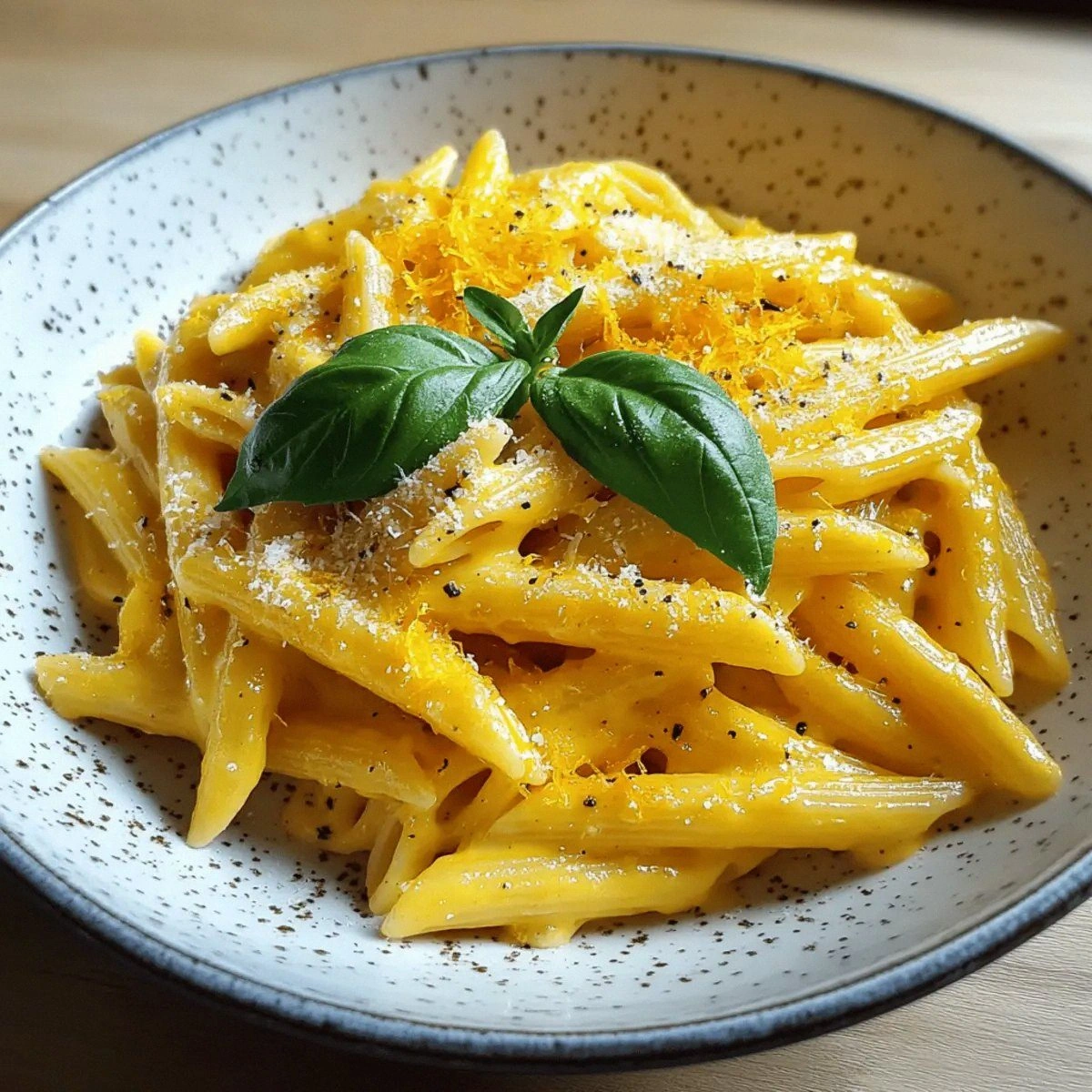
- Serve immediately and prepare for the compliments. This dish waits for no one — it's at its peak the moment it hits the plate, when the sauce is still glossy and the cheese is perfectly melted. Garnish with a little extra orange zest and maybe some shaved Parmesan if you're feeling fancy. I dare you to taste this and not go back for seconds.
That's it — you did it. But hold on, I've got a few more tricks that'll take this to another level...
Insider Tricks for Flawless Results
I've made this recipe more times than I care to admit (let's just say my grocery store knows me as "the orange pasta person"), and along the way, I've discovered some secrets that separate the good batches from the life-changing ones. These aren't just nice tips — they're the difference between "this is pretty good" and "why haven't you opened a restaurant yet?"
The Temperature Rule Nobody Follows
Here's the thing about dairy and citrus — they're like that couple that everyone thinks will break up, but they're actually perfect together if you just introduce them properly. The secret is temperature control. Your cream should be warm but never boiling when you add the cheese, and it should cool down slightly before the orange juice goes in. Too hot, and the acid in the orange makes the dairy proteins seize up like they've been electrocuted. Too cool, and your cheese won't melt smoothly. Aim for the temperature of a warm bath — hot enough to melt cheese but cool enough that you could stick your finger in for a few seconds without yelping.
I learned this the hard way after curdling three batches in a row and nearly throwing my pan out the window. Now I keep a thermometer nearby, but you can also test by letting a small drop of sauce fall onto a cool plate — it should stay smooth and glossy as it cools, not separate into an oily mess.
Why Your Nose Knows Best
Don't just rely on your eyes and timer — your nose is your secret weapon here. When the garlic hits the oil, it should smell fragrant and slightly sweet, not sharp or bitter. When the orange zest goes in, you should immediately smell bright, citrusy notes that make you think of summer. If something smells off or too strong, it probably is. I've saved countless batches by trusting my nose and adjusting heat or timing before things went south.
A friend tried skipping this step once — let's just say it didn't end well. She burned the garlic but kept going because "it was only a little brown," and the whole dish tasted like bitter disappointment. Your nose knows when things are going wrong before your eyes do.
The 5-Minute Rest That Changes Everything
This might be the hardest trick to follow because it requires patience, and who has that when there's creamy pasta calling your name? But here's the magic — after you finish the sauce, turn off the heat and let it sit for exactly 5 minutes before adding the pasta. This brief rest allows the flavors to meld and deepen in a way that can't happen when everything's screaming hot. The orange mellows slightly, the cheeses relax into each other, and suddenly you've got this incredibly complex sauce that tastes like it simmered for hours.
I discovered this by accident when my doorbell rang mid-cooking (thanks, delivery driver), and I came back to find the sauce had transformed into something extraordinary. Now I build this rest into every batch, using the time to set the table or pour myself a glass of wine.
Creative Twists and Variations
This recipe is a playground. Here are some of my favorite ways to switch things up:
The Protein Powerhouse
Add cooked shrimp during the last minute of cooking — they turn pink and pick up all that orange-cheese flavor. The sweetness of the shrimp plays beautifully with the citrus, and it turns this into a restaurant-worthy dinner that'll impress anyone. If you've ever struggled with rubbery shrimp, you're not alone — and I've got the fix. Just cook them until they turn pink and curl into a C-shape, then immediately remove from heat.
The Veggie Victory
Roasted butternut squash cubes transform this into autumn on a plate. Roast them with olive oil and salt at 425°F until they're caramelized and tender, then fold them in at the end. They add sweetness and body that makes the dish feel more substantial without being heavy. Plus, the orange color matches perfectly, so picky eaters won't even notice they're eating vegetables.
The Heat Seeker's Dream
Add a pinch of red pepper flakes when you add the garlic, or better yet, use a small diced jalapeño. The spice creates this incredible contrast with the creamy sauce and bright orange — it's like your taste buds are at a party where everyone showed up. Start small; you can always add more, but you can't take it out once it's in there.
The Mediterranean Escape
Swap the basil for fresh oregano and add a handful of halved cherry tomatoes at the end. The tomatoes burst and create little pockets of bright flavor throughout the sauce. Add some Kalamata olives if you're feeling adventurous — the briny flavor plays surprisingly well with the orange and cheese.
The Comfort Food Upgrade
Add crispy bacon bits and peas for a carbonara-meets-mac-and-cheese situation. The smoky bacon adds depth, and the peas provide little pops of sweetness that complement the orange perfectly. Cook the bacon first, use the fat instead of olive oil, and add the peas during the last 2 minutes so they stay bright green.
The Vegan Victory
Use coconut cream instead of heavy cream, nutritional yeast instead of cheese, and add a tablespoon of white miso paste for that umami depth. The orange zest and juice work even better here because they cut through the richness of the coconut. It sounds weird, but trust me — I've served this to cheese addicts who couldn't tell the difference.
Storing and Bringing It Back to Life
Fridge Storage
Let the pasta cool completely before storing it in an airtight container — hot pasta creates condensation that turns your sauce watery. It'll keep for up to 4 days in the fridge, though honestly, it never lasts that long in my house. Press plastic wrap directly against the surface to prevent that weird skin from forming, or if you're like me and lose all your plastic wrap, just add a thin layer of milk on top before sealing.
Freezer Friendly
Here's where this recipe really shines — it freezes beautifully for up to 3 months. Portion it into freezer bags, press out all the air, and lay them flat to freeze. The orange juice prevents the sauce from separating, so it reheats like a dream. Pro tip: freeze individual portions so you can have emergency comfort food without defrosting a whole batch.
Best Reheating Method
Forget the microwave unless you enjoy rubbery pasta and separated sauce. Instead, add a splash of milk or cream to a pan, add your pasta, and heat gently over medium-low heat, stirring constantly. Add a tiny splash of water before reheating — it steams back to perfection. The sauce will look broken at first, but keep stirring and it'll come back together like magic. If you're in a rush, microwave at 50% power with a damp paper towel over the top, stirring every 30 seconds.