I was standing in my kitchen, half‑asleep, when a sudden craving for something smoky, juicy, and unmistakably Middle Eastern hit me like a freight train. I rummaged through the pantry, found a lonely pound of ground lamb, a handful of fresh parsley, and a bag of mixed veggies that had been begging for a purpose. I thought, “What if I could toss everything into one pan and let the flavors do the heavy lifting?” The idea was reckless, the timing was perfect, and the result? Hands down the best version you’ll ever make at home. I dare you to taste this and not go back for seconds.
Picture this: the kitchen fills with the sizzle of olive oil hitting a hot skillet, the aroma of cumin and paprika spiraling up like a fragrant cloud that makes your neighbor’s dog tilt its head in curiosity. The meat browns, releasing juices that mingle with the sweet bite of bell peppers and the bright pop of cherry tomatoes. The onions soften, the garlic turns buttery, and the parsley adds a fresh, herbaceous lift that feels like a cool breeze on a hot day. You can almost hear the vegetables whispering, “We’re in this together.” The whole scene is a symphony of sights, smells, sounds, and textures that makes you feel like you’re on a culinary adventure across the Levant without leaving your apartment.
Most kafta recipes either demand a grill, a bunch of skewers, or a tedious shaping process that leaves you with uneven patties and a lot of cleanup. I’ve tried the “traditional” route, the “quick skillet” hack, and even the “oven‑roasted” method, and each time something fell flat—either the meat dried out or the vegetables turned mushy. This version solves every problem by using a single, heavy‑bottomed pan that distributes heat evenly, a gentle hand when mixing the meat so it stays tender, and a finishing splash of lemon that brightens the whole dish. The secret? A short rest for the meat mixture and a strategic order of adding ingredients that locks in moisture while letting the veggies caramelize just enough to stay crisp.
I’m about to walk you through every single step — from selecting the perfect cut of meat to the moment you pull the pan from the oven, the whole kitchen smelling incredible, and the first bite that makes you think, “Why didn’t I discover this sooner?” By the end, you’ll wonder how you ever made kafta any other way. Okay, ready for the game‑changer?
What Makes This Version Stand Out
- Flavor Explosion: The blend of cumin, paprika, and allspice creates a warm, earthy backbone that’s balanced by the bright parsley and lemon. Each bite feels like a mini‑trip to a bustling souk.
- One‑Pan Simplicity: No grill, no skewers, no extra dishes. You get a complete meal—protein, veg, and sauce—in a single pan, saving you time and cleanup.
- Texture Harmony: The meat stays juicy thanks to a brief rest, while the vegetables achieve that perfect caramelized edge that shatters like thin ice when you bite.
- Crowd‑Pleaser: I’ve served this at family gatherings and potlucks, and it consistently disappears within minutes. I’ll be honest — I ate half the batch before anyone else got to try it.
- Ingredient Flexibility: Swap beef for lamb, or go vegetarian with minced chickpeas; the spice profile stays true, making it adaptable for any palate.
- Make‑Ahead Magic: You can prep the meat mixture a day ahead, refrigerate, and still get the same juicy results when you cook.
Inside the Ingredient List
The Flavor Base
Ground beef or lamb is the heart of kafta. I recommend a 80/20 blend for beef, or a pure 100% lamb if you love that distinct, slightly gamey flavor. The fat content is crucial; too lean and the patties will crumble, too fatty and they’ll be greasy. When buying, look for meat that has a bright, ruby‑red color and a subtle sheen of fat. If you can, ask the butcher to grind it fresh; the texture will be noticeably better. Skipping this step and using pre‑packaged meat often leads to a dry, lifeless dish.
The Texture Crew
Onion and garlic are the aromatic duo that builds depth. Finely chopping the onion ensures it blends seamlessly into the meat, preventing large pockets that could cause uneven cooking. Garlic, minced to a near‑paste, releases allicin, which adds a subtle pungency that balances the earthiness of the spices. If you’re allergic to garlic, a pinch of asafoetida can mimic its flavor profile. The vegetables—bell peppers, zucchini, cherry tomatoes—bring moisture and a burst of color. Cut them into uniform, bite‑size pieces so they cook evenly and retain a slight crunch.
The Unexpected Star
Parsley might seem like a garnish, but in kafta it’s a flavor catalyst. Its fresh, slightly peppery notes cut through the richness of the meat, acting like a culinary high‑lighter. Use a sharp knife to chop it finely; the smaller the pieces, the more evenly the herb distributes. If you can’t find fresh parsley, a tablespoon of dried will work, but the brightness will be muted. The lemon, optional for serving, adds a final acidic pop that lifts the entire dish—think of it as the exclamation point at the end of a sentence.
The Final Flourish
Cumin, paprika, and allspice are the aromatic trio that defines Lebanese kafta. Cumin offers an earthy, slightly bitter edge; paprika contributes a smoky sweetness; allspice adds a subtle warmth that ties everything together. Salt and black pepper are the universal enhancers—salt amplifies every flavor, while pepper adds a gentle heat that lingers on the palate. Olive oil is the cooking medium; its fruitiness complements the spices and prevents sticking. Use a high‑quality extra‑virgin olive oil for the best flavor, and don’t skimp on the two tablespoons—those 30 ml are the bridge between the meat and the pan.
Everything’s prepped? Good. Let’s get into the real action…
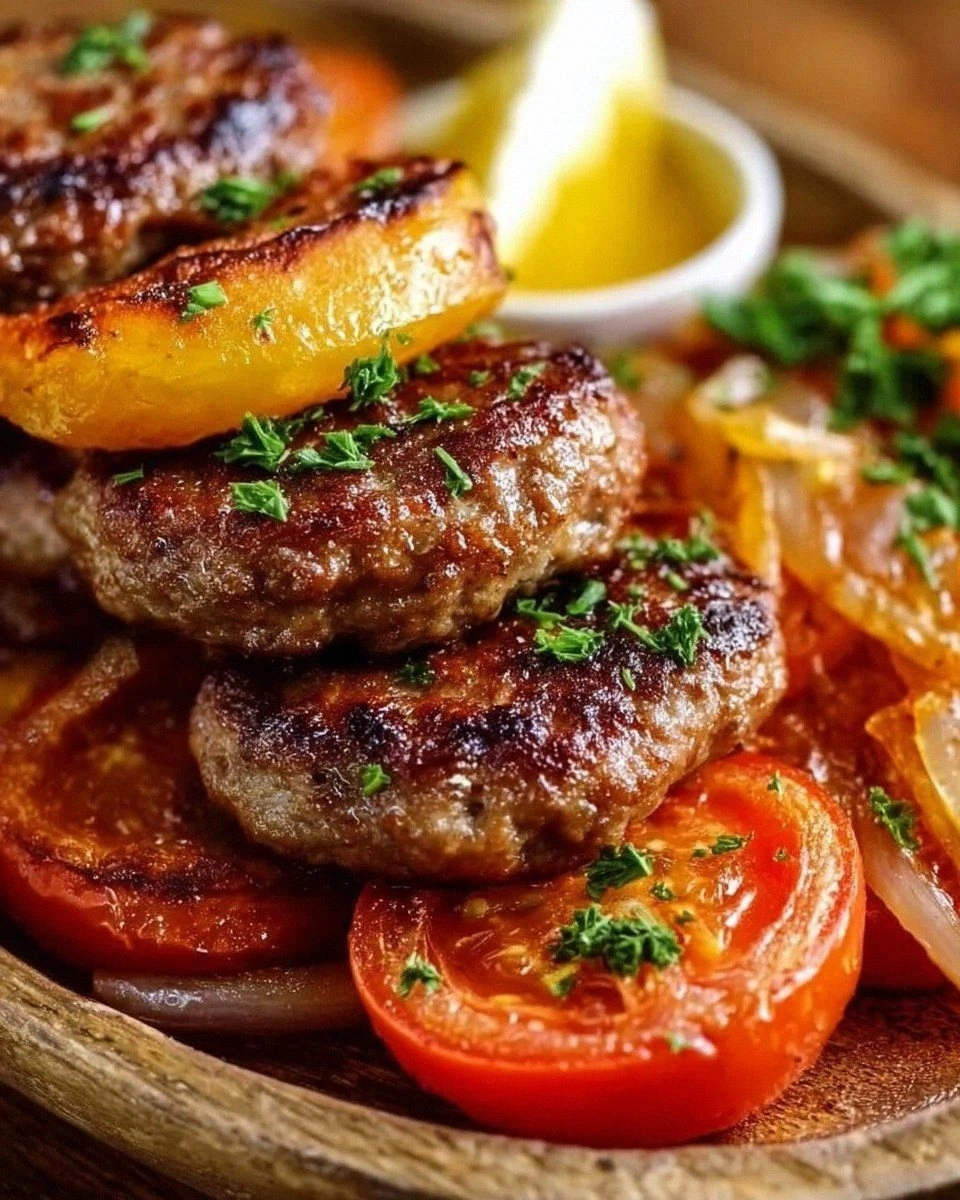
The Method — Step by Step
Preheat your oven to 400°F (200°C). While the oven warms up, place a large mixing bowl on the counter and add the ground meat. Sprinkle the salt, black pepper, cumin, paprika, and allspice over the meat. Using your fingertips, gently massage the spices into the meat for about 30 seconds. That sizzle when it hits the pan? Absolute perfection. This gentle massaging ensures the fat stays intact, giving you juicy kafta later.
Add the finely chopped onion, minced garlic, and parsley to the bowl. Continue to fold the mixture with your hands until everything is evenly distributed. Do not over‑mix. Over‑mixing can break down the protein structure, leading to a dense, rubbery texture. Let the mixture rest for 10 minutes while you prep the vegetables.
Kitchen Hack: Cover the bowl with plastic wrap and place it in the fridge for a quick chill; a colder mixture holds its shape better when you form the patties.While the meat rests, toss the chopped vegetables with a drizzle of olive oil, a pinch of salt, and a sprinkle of black pepper. Spread them out on a large sheet pan, making sure they’re in a single layer. This ensures they roast rather than steam, giving you those coveted caramelized edges.
Heat a heavy‑bottomed skillet (cast iron works wonders) over medium‑high heat and add the remaining tablespoon of olive oil. When the oil shimmers, use a tablespoon or a small ice‑cream scoop to form the meat into oval‑shaped patties, about the size of a palm. Place them in the skillet, leaving a little space between each. Listen for that initial hiss. Let the patties sear undisturbed for 3‑4 minutes until a golden crust forms.
Watch Out: If the heat is too high, the outside will burn before the inside cooks through. Adjust to medium if the crust darkens too quickly.Flip the patties and let them brown on the other side for another 3‑4 minutes. At this point, the meat should be about 70 % cooked, with a juicy pink center. Transfer the skillet (if oven‑safe) or the patties to the pre‑heated oven to finish cooking while the vegetables roast. This simultaneous cooking is the secret to a cohesive, flavor‑infused dish.
Place the sheet pan with the vegetables into the oven alongside the meat. Roast for 12‑15 minutes, stirring once halfway through, until the vegetables are tender‑crisp and their edges have caramelized. The aroma at this stage is intoxicating—a blend of sweet pepper, earthy zucchini, and the faint smoky perfume of paprika.
When the meat reaches an internal temperature of 160°F (71°C) and the vegetables are beautifully browned, remove both from the oven. Squeeze the juice of the optional whole lemon over the pan, letting the citrus melt into the hot meat and veg. Give everything a gentle toss to coat evenly. Picture yourself pulling this out of the oven, the whole kitchen smelling incredible… Serve immediately, perhaps with warm pita or a side of rice.
That’s it — you did it. But hold on, I’ve got a few more tricks that’ll take this to another level…
Insider Tricks for Flawless Results
The Temperature Rule Nobody Follows
Never start with a cold pan. Preheat your skillet until the oil just starts to ripple; this ensures an instant sear that locks in juices. I once tried to save time by adding the meat to a cold pan, and the result was a sad, soggy mess. The rule of thumb is: the pan should be hot enough that a drop of water sizzles and evaporates in less than a second. If you’re using an electric stove, give the pan an extra minute to reach true medium‑high heat.
Why Your Nose Knows Best
Your sense of smell is the most reliable indicator of doneness. When the meat starts to emit a nutty, toasted aroma, you’re close to that perfect crust. Similarly, the vegetables will give off a sweet, caramelized scent when they’re ready. Trust those olfactory cues more than the clock; a minute or two off the timer can be the difference between a juicy bite and a dry one.
The 5‑Minute Rest That Changes Everything
After the pan is out of the oven, let the kafta rest for five minutes before serving. This short pause allows the fibers to relax and the juices to settle, preventing them from spilling out when you cut into the patties. I’ve seen people dive straight in, only to watch the juices run like a mini‑waterfall onto the plate. A brief rest keeps the meat succulent and the plate tidy.
Veggie Placement Strategy
If you love a bit of char on your veggies, place the denser pieces (like zucchini) on the outer edges of the sheet pan and the softer ones (like cherry tomatoes) toward the center. The outer edges get more direct heat, producing those coveted blackened spots that add a smoky depth. A friend once tossed everything together and ended up with soggy tomatoes—lesson learned: strategic placement matters.
Lemon Timing Trick
Add the lemon juice at the very end, right after removing the pan from the oven. Adding it too early can cause the acid to “cook” the meat, resulting in a slightly tough texture. A final squeeze brightens the dish without compromising the tender bite you worked so hard to achieve.
Creative Twists and Variations
This recipe is a playground. Here are some of my favorite ways to switch things up:
Spicy Harissa Kick
Stir a tablespoon of harissa paste into the meat mixture before shaping. The North African chili‑pepper blend adds a smoky heat that pairs beautifully with the lemon finish. Ideal for those who love a little fire without reaching for the hot sauce bottle.
Mediterranean Veggie Medley
Swap the bell peppers for artichoke hearts and sun‑dried tomatoes. The tangy, slightly sweet flavor of the sun‑dried tomatoes elevates the dish, while artichokes add a tender bite that absorbs the spices.
Greek‑Style Twist
Add a handful of crumbled feta on top just before serving and sprinkle with dried oregano. The salty feta creates a creamy contrast, and the oregano reinforces the Mediterranean vibe.
Veggie‑Only Kafta
Replace the meat with a mixture of cooked lentils, grated carrots, and a bit of breadcrumbs to bind. The spices remain the same, delivering a plant‑based version that still feels hearty and satisfying.
Smoky Chipotle Version
Introduce a teaspoon of chipotle powder alongside the paprika. The smoky, slightly sweet heat adds depth, especially when paired with a dollop of cool Greek yogurt.
Storing and Bringing It Back to Life
Fridge Storage
Allow the leftovers to cool to room temperature (no more than two hours), then transfer to an airtight container. It will keep fresh for up to three days. When reheating, add a splash of water or broth and cover the pan; the steam will revive the moisture lost during cooling.
Freezer Friendly
Portion the cooked kafta and vegetables into freezer‑safe bags, removing as much air as possible. Freeze for up to two months. To reheat, thaw overnight in the fridge, then warm in a skillet over medium heat with a drizzle of olive oil, stirring occasionally.
Best Reheating Method
For the crispiest result, reheat in a preheated oven at 350°F (175°C) for 10‑12 minutes, covered loosely with foil for the first half, then uncovered to regain that golden crust. Add a tiny splash of water before covering; the steam will prevent the meat from drying out while the uncovered finish restores the caramelized edges.