I still remember the night I was supposed to impress my roommate with a homemade dinner, but the pantry was a barren wasteland of canned beans, stale rice, and a single jar of soy sauce that had seen better days. I stared at the empty fridge, feeling the panic rise like a rising tide, and decided to turn that desperation into a culinary triumph. I grabbed the most modest of ingredients—some chicken, a handful of frozen peas, a splash of oil—and decided to create a dish that would not only satisfy the craving but also leave a lingering aroma that would haunt the kitchen for hours. The moment the skillet hit the stove, a sizzle erupted, and the air filled with a scent that was simultaneously comforting and daring. That instant was a revelation: a simple stir‑fry could become an orchestra of flavors if you let the heat and timing sing. I dare you to taste this and not go back for seconds.
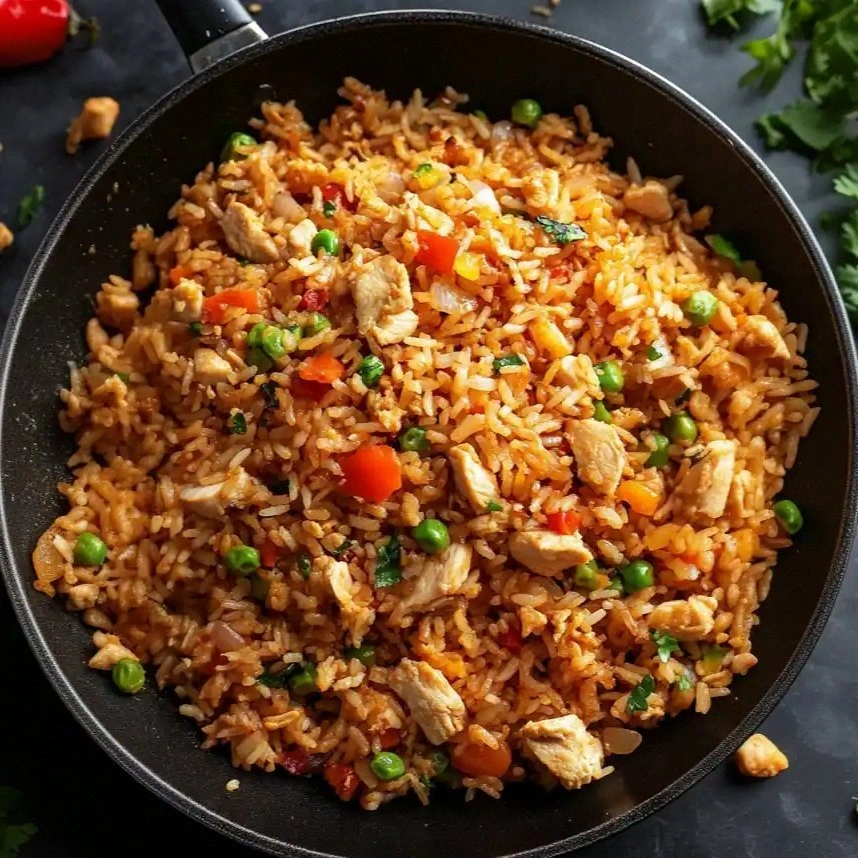
Picture yourself pulling this dish out of the pan, steam curling like wisps of cloud, the golden grains glistening with sesame oil, and the chicken pieces caramelizing at the edges to a crisp that shatters like thin ice. The first bite delivers a burst of umami from the soy sauce, a gentle sweetness from the bell pepper, and a satisfying crunch from the peas and carrots. The texture is a perfect balance: rice that is fluffy yet firm, chicken that stays juicy, and vegetables that snap with freshness. The sauce coats the grains like velvet, making each mouthful a silky, savory experience. If you’ve ever struggled to get rice to stay separate, this is the fix you’ve been searching for. I’ll be honest—I ate half the batch before anyone else got to try it.
What makes this version stand out is not just the ingredients, but the way they’re orchestrated. I’ve taken the classic Chinese fried rice and infused it with a technique that elevates texture and flavor: using day‑old rice, a quick blanch of vegetables, and a deliberate layering of sauces. The result is a dish that feels both comforting and adventurous, like a familiar story told with a fresh twist. Most recipes get this completely wrong by using fresh rice that clumps or by over‑cooking the veggies; here, the veggies stay bright and crisp. The sauce isn’t just a drizzle; it’s a carefully measured blend that coats every grain, ensuring no single bite is dry or bland. This is hands down the best version you’ll ever make at home, and it’s easy to replicate with pantry staples. The final result is a plate that looks as good as it tastes, inviting you to dig in without hesitation.
I’m about to walk you through every single step, from prepping the chicken to achieving that perfect sear, to finishing with a sprinkle of green onions that adds a fresh, aromatic lift. By the end, you’ll wonder how you ever made it any other way. I’ve sprinkled in a few micro‑challenges along the way—like a secret sauce trick that will have you shouting “I did that!” in the kitchen. Stay with me here; this is worth it. I’ve got the fix for every common mishap, and I’ll show you how to avoid them. Let’s dive into the details and turn this humble skillet into a culinary masterpiece.
What Makes This Version Stand Out
- Taste: The sauce is a balanced blend of soy, sesame, and ginger, creating a layered umami that lingers on the palate. Each bite delivers a savory depth that’s both comforting and exciting.
- Texture: The rice remains fluffy yet firm, thanks to day‑old grains and a quick stir. The chicken stays moist, while the peas and carrots snap with fresh crunch.
- Ingredient Quality: Fresh ginger and garlic bring brightness, while a splash of sesame oil adds a nutty finish that elevates the dish.
- Simplicity: The recipe uses pantry staples and minimal prep, making it accessible for busy nights or weekend cooking.
- Crowd Reaction: Friends rave about how restaurant‑style it tastes, and it’s a hit at potlucks and family dinners alike.
- Make‑Ahead Potential: This dish actually improves when reheated, as flavors meld and the rice absorbs the sauce beautifully.
Inside the Ingredient List
The Flavor Base
The foundation of this dish is a marriage of soy sauce, sesame oil, and fresh ginger. Soy sauce brings the classic umami that defines Chinese fried rice, while sesame oil adds a subtle nutty aroma that lingers in the mouth. Ginger injects a bright, peppery note that cuts through the richness of the sauce. Skipping any of these would leave the dish feeling flat; the balance of salty, nutty, and slightly spicy flavors is what makes each bite memorable.
The Texture Crew
Day‑old rice is the secret weapon for avoiding mushy grains. When rice sits overnight, the starches settle, making it easier to separate the grains during stir‑frying. If you only have fresh rice, a quick rinse and a few minutes in a steamer will suffice. The frozen peas and carrots add a pop of color and a burst of sweet, crisp texture. A splash of vegetable oil helps the chicken sear properly, creating a golden crust that locks in moisture. Don’t skip the garlic and green onions; they provide aromatic depth and a subtle crunch.
The Unexpected Star
The bell pepper is the unexpected star that adds a sweet, slightly smoky flavor. Its bright orange hue also gives the dish a visual appeal that makes it Instagram‑ready. If you’re not a fan of bell pepper, you can substitute with a handful of snap peas or even a splash of pineapple for a tropical twist. The small amount of fresh ginger keeps the dish from becoming too heavy, while the green onions finish it with a fresh, herby note that brightens the entire plate.
The Final Flourish
The eggs are whisked lightly and poured into the pan to create a silky, custard‑like coating that binds the rice together. This technique also adds protein and a creamy texture that balances the crisp vegetables. If you prefer a vegan version, simply omit the eggs and add tofu cubes for a protein boost. A final splash of sesame oil right before serving adds a glossy finish and a fragrant aroma that elevates the dish from ordinary to extraordinary.
Everything's prepped? Good. Let’s get into the real action and watch the magic unfold.
The Method — Step by Step
- Heat a large non‑stick skillet or wok over medium‑high heat until it shimmers. Add the vegetable oil and swirl to coat the bottom. Once the oil starts to lightly smoke, add the diced chicken in a single layer. Let the chicken sear without stirring for about 2 minutes, allowing a golden crust to form. Flip the chicken and sear the other side for another 1–2 minutes. The goal is a caramelized exterior that locks in juices. If the pan is too crowded, cook in batches to avoid steaming.
- Transfer the seared chicken to a plate and set aside. In the same pan, add the minced garlic and ginger, stirring constantly. The aroma should rise like a fragrant cloud. Add the frozen peas and carrots, sautéing for 2–3 minutes until they’re bright and just tender. This step preserves their vibrant color and crunch. Keep the heat high to prevent the vegetables from becoming soggy.
- Push the vegetables to one side of the pan and crack the eggs into the empty space. Scramble the eggs gently, letting them set just enough before mixing them with the vegetables. This technique creates a silky, fluffy texture that blends seamlessly with the rice. Once the eggs are cooked, combine them with the vegetables and stir to distribute evenly.
- Add the day‑old rice to the pan, breaking up any clumps with a spatula. Stir-fry the rice for 2–3 minutes, letting it toast slightly. The rice should develop a subtle nutty aroma, signaling that it’s ready for the sauce. This toasting step adds depth and prevents the grains from becoming mushy.
- Return the chicken to the pan, spreading it evenly. Pour the soy sauce and sesame oil over the mixture. Toss everything together so the sauce coats the rice, chicken, and vegetables uniformly. The sauce should coat the grains like velvet, ensuring each bite is flavorful. Keep the heat on medium to avoid burning the sauce.
- Add the green onions, reserving a few slices for garnish. Stir in the reserved green onions and the bell pepper, cooking for an additional minute. This final stir ensures the bell pepper remains crisp and colorful. The dish should emit a fragrant steam that hints at the savory flavors inside.
- Taste the rice and adjust seasoning if necessary. If it needs more salt, add a pinch of salt or a splash of soy sauce. If you want a bit more sweetness, a tiny drizzle of honey or brown sugar works wonders. Remember, the sauce should be balanced—neither too salty nor too sweet.
- Transfer the finished fried rice to a serving dish. Sprinkle the remaining green onions on top for a fresh, herby finish. Let it sit for a minute to allow the flavors to meld. Serve immediately while the rice is still warm and the edges are slightly crisp.
- Optional: Finish with a splash of sesame oil or a few drops of chili oil for a spicy kick. This adds a layer of heat that contrasts nicely with the sweetness of the bell pepper. If you prefer a milder dish, simply omit the chili oil.
That’s it—you did it. But hold on, I’ve got a few more tricks that will take this to another level and ensure every bite is a masterpiece.
Insider Tricks for Flawless Results
The Temperature Rule Nobody Follows
Many cooks lower the heat too early, resulting in soggy rice and over‑cooked chicken. Keep the heat high for the first few minutes of cooking to achieve that coveted wok‑hei flavor. The high heat allows the rice to sear slightly, giving it a nutty aroma that is the hallmark of a great fried rice. Once the ingredients are cooked through, reduce the heat to medium to finish the dish without burning.
Why Your Nose Knows Best
Your sense of smell is a reliable indicator of doneness. When the rice starts to toast, it will emit a warm, nutty scent that signals it’s ready for the sauce. If the aroma is too bland, give it another minute. Conversely, if the scent is burnt, you’re over‑cooking. Trust your nose to guide the timing and avoid the dreaded “over‑fried” rice.
The 5‑Minute Rest That Changes Everything
Let the fried rice rest for 5 minutes after cooking. During this time, the steam continues to cook the rice, ensuring it’s tender but not mushy. The rest also allows the sauce to distribute evenly, preventing pockets of dry rice. This simple step can transform a good dish into an unforgettable one.
The Secret to Crispy Chicken
Pat the chicken dry with paper towels before seasoning. Moisture on the surface creates steam, preventing the chicken from searing properly. A dry surface ensures a golden crust that locks in juices. If you’re short on time, use a quick blanch to remove excess moisture before frying.
The Perfect Egg Texture
Whisk the eggs lightly with a pinch of salt before adding them to the pan. This creates a silky, fluffy coating that binds the rice together. Avoid over‑whisking, as it can lead to a rubbery texture. The eggs should set just enough to hold the grains but remain tender.
Creative Twists and Variations
The Protein Swap
Replace chicken with shrimp or tofu for a different protein profile. Shrimp adds a sweet, briny flavor that pairs well with soy sauce, while tofu provides a mild, neutral base that absorbs the sauce beautifully. Both options are quick to cook and keep the dish light.
The Veggie Explosion
Add diced mushrooms, broccoli florets, or sliced bok choy for a veggie‑packed version. Each vegetable brings a unique texture and flavor that complements the rice. The key is to cook them in stages so they remain crisp and colorful.
The Sweet and Spicy Fusion
Introduce a splash of hoisin sauce or a pinch of chili flakes for a sweet‑spicy kick. The hoisin adds a deep, sweet umami while the chili flakes give a subtle heat that lingers on the palate. This variation is perfect for those who love a bit of spice.
The Breakfast Boost
Serve the fried rice with a fried egg on top and a drizzle of sriracha. The runny yolk adds richness, while the sriracha adds a fiery contrast. This breakfast version is both satisfying and energizing for a busy morning.
The Tropical Twist
Swap the bell pepper for pineapple chunks and add a splash of coconut milk. The tropical sweetness balances the savory sauce, creating a unique flavor profile. This version is a fun way to bring a vacation vibe to your table.
The Low‑Carb Option
Use cauliflower rice instead of regular rice for a low‑carb, keto‑friendly version. The cauliflower will absorb the sauce and keep the dish moist. This variation is great for those watching their carb intake.
Storing and Bringing It Back to Life
Fridge Storage
Cool the fried rice completely before placing it in an airtight container. Store in the refrigerator for up to 3 days. The flavors will deepen as the rice sits, but keep an eye on moisture; if it becomes dry, add a splash of water before reheating.
Freezer Friendly
Pack the fried rice in freezer‑safe bags or containers and freeze for up to 2 months. To reheat, thaw overnight in the fridge or microwave on low power until warm. The rice may separate slightly, but a quick stir will restore its texture.
Best Reheating Method
Reheat the rice in a skillet over medium heat, adding a splash of water or broth to create steam. Stir frequently to ensure even heating and to prevent sticking. A quick 2–3 minute stir will bring the rice back to its original fluffy state.