I'll be honest — I ate half the batch before anyone else got to try it. There I was, standing in my kitchen at midnight, fork in hand, hovering over what was supposed to be a celebratory birthday cake for my sister. The rich, chocolatey aroma had been taunting me for hours while the cake cooled, and when I finally caved and sliced into it, the combination of tender crumb and that coconut-pecan frosting sent me into such a state of bliss that I completely forgot about sharing. This Classic German Chocolate Cake isn't just another dessert recipe floating around the internet — it's the dessert that'll ruin all other cakes for you forever.
Picture yourself pulling this out of the oven, the whole kitchen smelling incredible, like Willy Wonka's factory collided with a tropical paradise. The scent of deep cocoa mingles with toasted coconut and caramelized pecans, creating an intoxicating cloud that drifts through your entire house. Your neighbors will suddenly remember your name. Your mail carrier will linger at your door. Even that friend who claims they "don't really like sweets" will be hovering nearby, asking suspiciously specific questions about when you'll be slicing it. I dare you to taste this and not go back for seconds — actually, forget that. I dare you to taste this and not immediately start planning your next excuse to make it.
Most recipes get this completely wrong. They treat German Chocolate Cake like it's just a regular chocolate cake with some coconut dumped on top, but oh no, my friend. This is hands down the best version you'll ever make at home, and I've got the chocolate-stained apron to prove it. The secret lies in understanding that this isn't German chocolate cake — it's German's chocolate cake, named after an English-American chocolatier named Samuel German who created a specific sweet baking chocolate for Baker's Chocolate Company in 1852. The cake itself is a masterpiece of contrasts: delicate yet rich, sophisticated yet comforting, impressive yet approachable enough for a Tuesday night when you need serious chocolate therapy.
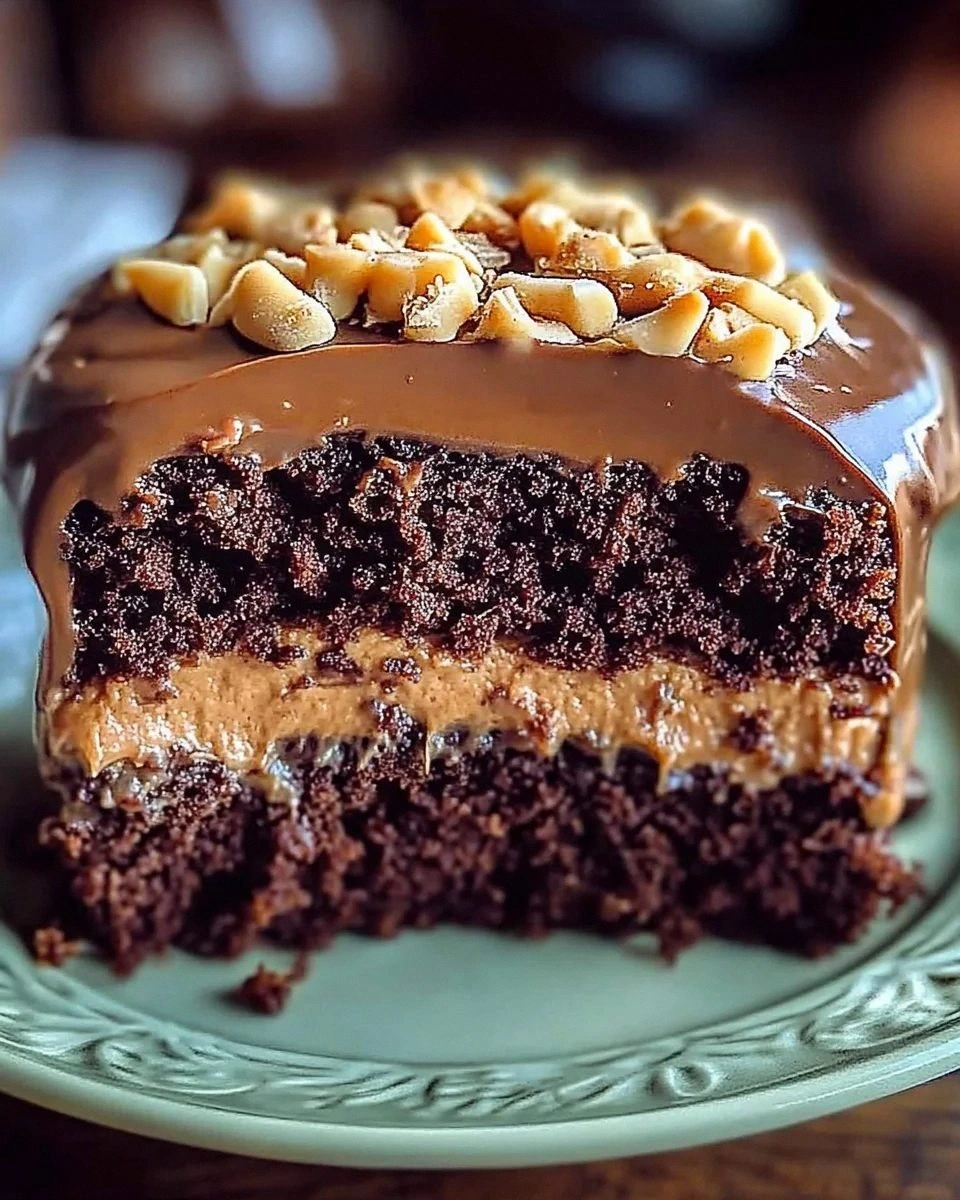
Let me walk you through every single step — by the end, you'll wonder how you ever made it any other way. We're talking about a cake with three distinct components that each deserve their own standing ovation: the moist, tender cake layers that stay fresh for days (if it lasts that long), the legendary coconut-pecan frosting that's more like a custard than a traditional frosting, and the glossy chocolate ganache that takes it from "special occasion" to "I need this in my life every weekend." Stay with me here — this is worth it.
What Makes This Version Stand Out
Depth of Chocolate: We're using both German's sweet chocolate and Dutch-processed cocoa powder for layers of chocolate flavor that dance on your tongue like they're auditioning for a Broadway show. Most recipes rely on just one chocolate source, but this combination creates a symphony of chocolate notes that range from sweet and mild to deep and complex.
The Moisture Factor: This cake stays impossibly moist for up to five days thanks to a secret ingredient that pastry chefs have been hoarding for decades — buttermilk powder combined with whole milk. The acid in the buttermilk tenderizes the crumb while the milk fat adds richness, creating a texture so tender it practically melts on your fork.
Foolproof Frosting: My coconut-pecan frosting technique eliminates the grainy texture that plagues most versions. Instead of cooking the egg yolks directly, we create a stable custard base first, then fold in the coconut and pecans at just the right temperature. The result is silky, glossy, and spreads like a dream.
Make-Ahead Magic: Every component can be prepared up to three days in advance, making this the ultimate stress-free showstopper for dinner parties. The cake layers actually improve in flavor after a day of rest, and the frosting firms up perfectly for easy assembly.
Texture Play: We're toasting the coconut and pecans separately to different levels of golden perfection. The coconut becomes crisp and fragrant while the pecans develop a deep, buttery flavor that makes the frosting absolutely addictive.
Crowd Psychology: This cake serves twelve, but I've seen it disappear among six people who claimed they were "just having a small piece." The combination of familiar flavors presented in an elevated way triggers all the right nostalgia buttons while feeling special enough for milestone celebrations.
Alright, let's break down exactly what goes into this masterpiece...
Inside the Ingredient List
The Flavor Foundation
German's sweet chocolate is the star here, and please don't try to substitute it with regular chocolate chips — I made that mistake once and ended up with a cake that tasted like disappointment and wasted calories. This specific chocolate contains more sugar than semisweet varieties, creating that distinctive flavor profile that makes German Chocolate Cake instantly recognizable. When selecting your chocolate, look for bars that are fresh and glossy, not bloomed or streaky. The chocolate should snap cleanly when broken and smell intensely chocolatey without any off or rancid notes.
Dutch-processed cocoa powder might seem like an unnecessary luxury, but it's the difference between a cake that tastes like chocolate and one that tastes like chocolate chocolate. The alkalization process tames the natural acidity of cocoa, resulting in a smoother, more mellow chocolate flavor that complements rather than competes with the German's chocolate. If you absolutely must use natural cocoa, increase the baking soda by 1/4 teaspoon to neutralize the acid, but trust me — the Dutch-processed version will make you a believer.
Dark brown sugar isn't just about sweetness; it's about that deep, almost burnt-caramel flavor that makes this cake taste like it came from a professional bakery. The molasses content adds moisture and creates those gorgeous dark flecks throughout the crumb. Light brown sugar works in a pinch, but you'll miss that robust flavor that makes people close their eyes when they take a bite.
The Texture Team
Cake flour might seem fussy, but it's the secret to that tender, almost fluffy texture that makes this cake feel like a chocolate cloud. The lower protein content means less gluten development, resulting in a more tender crumb. If you can't find cake flour, make your own by replacing 2 tablespoons of all-purpose flour with cornstarch for every cup needed. Sift this mixture three times to ensure even distribution — yes, three times. I know it's tempting to skip this step, but we're going for bakery-quality results here, not "good enough" cake.
Eggs do triple duty in this recipe, providing structure from the proteins, moisture from the whites, and richness from the yolks. Use large eggs at room temperature for the best incorporation — cold eggs can cause the batter to seize and create lumps that refuse to bake out. If you forgot to take them out ahead of time (we've all been there), place them in a bowl of warm water for 10 minutes while you prep other ingredients.
Butter versus oil is always the great cake debate, but for this recipe, we're using both. Butter provides irreplaceable flavor while oil keeps the cake moist for days. Use a neutral oil like grapeseed or vegetable oil — olive oil's strong personality would bully the delicate chocolate flavors into submission.
The Unexpected Star
Coffee might seem like an odd addition to a chocolate cake, but here's the thing — coffee doesn't make chocolate taste like coffee, it makes chocolate taste more like chocolate. The bitter compounds in coffee enhance the chocolate's natural flavors, creating a depth that's impossible to achieve with chocolate alone. Use strong, fresh-brewed coffee that's cooled to room temperature. Instant espresso powder dissolved in hot water works too, but brewed coffee gives a rounder, more complex flavor.
Vanilla extract gets a bad rap as the boring flavoring, but in this cake, it's the supporting actor that makes the chocolate star shine brighter. Use real vanilla extract, not the imitation stuff that tastes like sadness and artificial chemistry. The vanilla adds floral notes that lift the chocolate and prevent it from tasting flat or one-dimensional.
The Final Flourish
Sweetened coconut flakes are traditional, but we're taking them to the next level by toasting them to golden perfection. The toasting process drives off moisture and concentrates flavors, transforming the coconut from a background note to a starring role. Watch it closely — coconut goes from perfectly toasted to burnt disaster faster than you can say "where did I put that spatula?"
Pecans bring buttery richness and satisfying crunch to the party, but not all pecans are created equal. Buy them whole and chop them yourself for the best flavor and texture. Pre-chopped nuts often taste stale because their oils oxidize faster once exposed to air. Toast them separately from the coconut since they need different timing to reach their flavor peak.
Everything's prepped? Good. Let's get into the real action...
The Method — Step by Step
- Start by preparing your pans like your cake's life depends on it — because it does. Trace the bottom of three 9-inch cake pans on parchment paper, cut out the circles, and place them in the bottom of each pan. Butter the parchment and sides of the pans, then dust with cocoa powder (not flour) for extra chocolate insurance. This might seem like overkill, but there's nothing worse than a perfect cake that refuses to release from the pan. That sizzle when the batter hits the properly prepared pan? Absolute perfection.
- Melt the German's chocolate with the coffee in a double boiler set over simmering water, stirring occasionally until smooth and glossy. This step is crucial — the chocolate needs to melt gently to prevent seizing, and the coffee needs time to fully incorporate. The mixture should look like liquid velvet and smell intoxicatingly chocolatey. Remove from heat and let cool slightly while you proceed with the batter. This is the moment of truth when you know you're making something special.
- Cream the butter and brown sugar together for a full five minutes. I know this seems excessive, but this is where we're incorporating air into the batter, creating the light texture that makes this cake legendary. The mixture should become pale, fluffy, and almost mousse-like in texture. Don't walk away from the mixer here — set a timer and let it do its magic. The transformation from gritty sugar and hard butter to pale, cloud-like cream is pure kitchen alchemy.
- Add the eggs one at a time, beating well after each addition. This isn't just about mixing — it's about creating an emulsion that will give your cake structure and richness. Each egg should be fully incorporated before adding the next, and the batter should look smooth and slightly satiny. If the batter starts to look curdled, don't panic — just add a tablespoon of the flour mixture and beat until smooth again.
- Combine the dry ingredients in a separate bowl and whisk vigorously for a full minute. This isn't just about mixing — it's about aerating the flour and evenly distributing the leavening agents. The cocoa powder tends to clump, so really work those whisk muscles. Sift if you're feeling fancy, but a good whisking does the job just fine. The mixture should be uniform in color with no streaks of white flour or dark cocoa.
- Alternate adding the dry ingredients and the melted chocolate mixture to the creamed butter, beginning and ending with the dry ingredients. This technique prevents overmixing, which can lead to a tough cake. Add one-third of the dry ingredients, mix just until incorporated, then half the chocolate mixture, another third of dry, the remaining chocolate, and finish with the last of the dry. Mix just until you see no more streaks of flour — overmixing is the enemy of tender cake.
- Divide the batter evenly among your prepared pans, using a kitchen scale for perfect layers if you're feeling precise. Smooth the tops with an offset spatula, giving the pans a gentle shake to level the batter. The batter should fill each pan about two-thirds full — they'll rise beautifully in the oven. Tap each pan firmly on the counter to release any large air bubbles that could create holes in your finished cake.
- Bake in a preheated 350°F oven for 25-30 minutes, rotating the pans halfway through for even baking. The cakes are done when they spring back lightly when touched in the center, and a toothpick inserted comes out with just a few moist crumbs. Don't overbake — the cakes will continue to cook slightly as they cool. That moment when you first smell the chocolate and hear the gentle sizzle from the pans? That's when you know magic is happening in your oven.
- Cool the cakes in their pans on wire racks for 10 minutes — this allows them to firm up enough to handle. Run a thin knife around the edges to loosen, then invert onto the racks to cool completely. Resist the urge to rush this step — warm cake will crumble and tear, leaving you with a frustrating mess. The waiting is torture, I know, but good things come to those who wait (and smell chocolate for an hour).
- While the cakes cool, make the legendary coconut-pecan frosting that'll have people proposing marriage. Combine evaporated milk, egg yolks, brown sugar, and butter in a heavy-bottomed saucepan. Cook over medium heat, stirring constantly, until the mixture thickens and coats the back of a spoon. This takes about 12-15 minutes of patient stirring, but the transformation from thin liquid to luscious custard is mesmerizing. Remove from heat and stir in the toasted coconut and pecans along with vanilla and a pinch of salt.
That's it — you did it. But hold on, I've got a few more tricks that'll take this to another level...
Insider Tricks for Flawless Results
The Temperature Rule Nobody Follows
Here's where most home bakers go wrong: they ignore temperature. Every ingredient should be at room temperature before you start mixing, but not just for the reasons you think. Yes, room temperature ingredients incorporate more easily, but more importantly, they create a more stable emulsion that traps air better, giving you a lighter, more tender cake. Set everything out at least an hour before baking, and if you're in a hurry, use my warm water bath trick for eggs and milk, and soften butter in the microwave at 50% power in 10-second bursts. A friend tried skipping this step once — let's just say it didn't end well, and we ended up eating cake that tasted like chocolate rubber.
Why Your Nose Knows Best
Forget timers — your nose is the most reliable indicator of doneness. When the cake is perfectly baked, your kitchen will fill with an intense chocolate aroma that's almost sharp in its sweetness. If you start to smell something toasty or nutty, check the cakes immediately — they're probably done or very close. This olfactory cue is more reliable than the toothpick test because it accounts for carryover cooking. The cakes will continue to bake from residual heat for several minutes after removal from the oven, so pull them when they smell done, not when they look completely set.
The 5-Minute Rest That Changes Everything
After you invert the cakes onto cooling racks, let them rest upside down for exactly five minutes before flipping them right-side up. This counterintuitive step helps prevent the tops from sticking to the rack and creates a perfectly flat surface for stacking. The slight steaming that happens during this brief inversion keeps the cakes incredibly moist. Just don't forget about them — longer than five minutes and you risk creating soggy bottoms that'll make your layers unstable.
The Frosting Temperature Sweet Spot
The coconut-pecan frosting needs to be at exactly the right temperature for spreading — too warm and it'll slide off the cake, too cool and it'll tear your tender layers apart. After cooking, let it cool until it's just barely warm to the touch, about 30-40 minutes. Stir occasionally to help it cool evenly and prevent a skin from forming. When it's ready, it should mound slightly on a spoon but still be glossy and spreadable. If you need to speed up cooling, spread it in a thin layer on a rimmed baking sheet and refrigerate for 10 minutes, stirring every 3 minutes.
The Assembly Game-Changer
Okay, ready for the game-changer? Instead of trying to frost the sides of this cake (which is nearly impossible with the chunky coconut-pecan frosting), we're going for a naked cake look that's actually more elegant and lets the layers shine. Pipe a dam of chocolate ganache around the edge of each layer before adding the coconut frosting — this creates a barrier that prevents the filling from squishing out and gives you those gorgeous clean layers when you slice it. The contrast between the dark ganache and the light filling is stunning, and it tastes like a chocolate-coconut dream.
Creative Twists and Variations
This recipe is a playground. Here are some of my favorite ways to switch things up:
The Tropical Vacation
Replace half the pecans with macadamia nuts and add a teaspoon of rum extract to both the cake and frosting. Toast some extra coconut until it's deep golden and sprinkle it on top for a tropical crunch that'll transport you to a beach somewhere. The rum flavor enhances the chocolate in unexpected ways, making the whole cake taste more sophisticated and grown-up.
The Coffee Shop Special
Add two tablespoons of instant espresso powder to the dry ingredients and replace the coffee in the cake with strong cold brew concentrate. The result is a mocha masterpiece that coffee lovers will lose their minds over. Top with chocolate-covered espresso beans for a dessert that doubles as an afternoon pick-me-up.
The Bourbon Barrel
Swap the vanilla extract for bourbon and add two tablespoons to the frosting as well. The bourbon's vanilla and caramel notes complement the brown sugar beautifully, while the alcohol intensifies the chocolate flavor. Don't worry about serving this to kids — the alcohol cooks off in the cake and the small amount in the frosting isn't enough to notice.
The Nut-Free Wonder
Replace the pecans with an equal amount of toasted pumpkin seeds and sunflower seeds for a nut-free version that still has great crunch and toasty flavor. The seeds add a pleasant bitterness that balances the sweetness of the coconut and creates an interesting flavor profile that surprises everyone who tries it.
The Mini Marvel
Turn this into individual mini cakes by baking the batter in a jumbo muffin tin. Cut the tops off and sandwich coconut frosting between the bottoms, then top with the cupcake tops for a mini layer cake that's perfect for parties. Kids love having their own personal cake, and adults feel less guilty about indulging.
The White Chocolate Twist
Use white chocolate instead of German's chocolate for a blonde version that's lighter in color but still rich in flavor. The white chocolate pairs beautifully with the coconut-pecan frosting, creating a more subtle dessert that's perfect for people who find traditional German Chocolate Cake too rich.
Storing and Bringing It Back to Life
Fridge Storage
This cake actually improves after a day in the refrigerator — the flavors meld and deepen in the most magical way. Store it uncovered in the fridge for the first hour to let the frosting set, then cover loosely with plastic wrap. It'll keep for up to five days, though I've never seen it last that long. The cold temperature firms up the frosting beautifully and makes slicing cleaner. Just remember to let it sit at room temperature for 30 minutes before serving to take the chill off and let the flavors bloom.
Freezer Friendly
Here's the beautiful thing — every component freezes beautifully for up to three months. Wrap individual cake layers tightly in plastic wrap, then foil, and freeze flat. The frosting can be frozen in an airtight container, though it may separate slightly when thawed — just stir vigorously to bring it back together. Assemble the cake while the components are still slightly frozen for the neatest presentation. Add a tiny splash of water before reheating — it steams back to perfection.
Best Reheating Method
If you've refrigerated the cake and want to serve it warm (which is incredible), preheat your oven to 275°F and warm individual slices for 8-10 minutes. The gentle heat warms the cake through without drying it out, and the frosting gets slightly gooey in the most delightful way. Alternatively, microwave individual slices for 10-15 seconds, but watch carefully — the frosting can melt quickly. The cake is also fantastic at room temperature, so don't feel obligated to reheat if you're short on time.