I was standing in my kitchen on a rainy Tuesday, staring at a half‑finished spaghetti carbonara that had turned into a sticky, sad mess. The sauce clumped, the noodles were limp, and I could swear the garlic was judging me. I threw a glance at the fridge, saw a couple of ripe avocados and a stack of zucchinis, and thought, “What if I could turn this disaster into something that feels like a summer garden in a bowl?” That moment of desperation birthed the version you’re about to read, and trust me, it’s a game‑changer. This isn’t just another low‑carb swap; it’s a full‑on flavor explosion that makes you forget you ever cared about pasta at all.
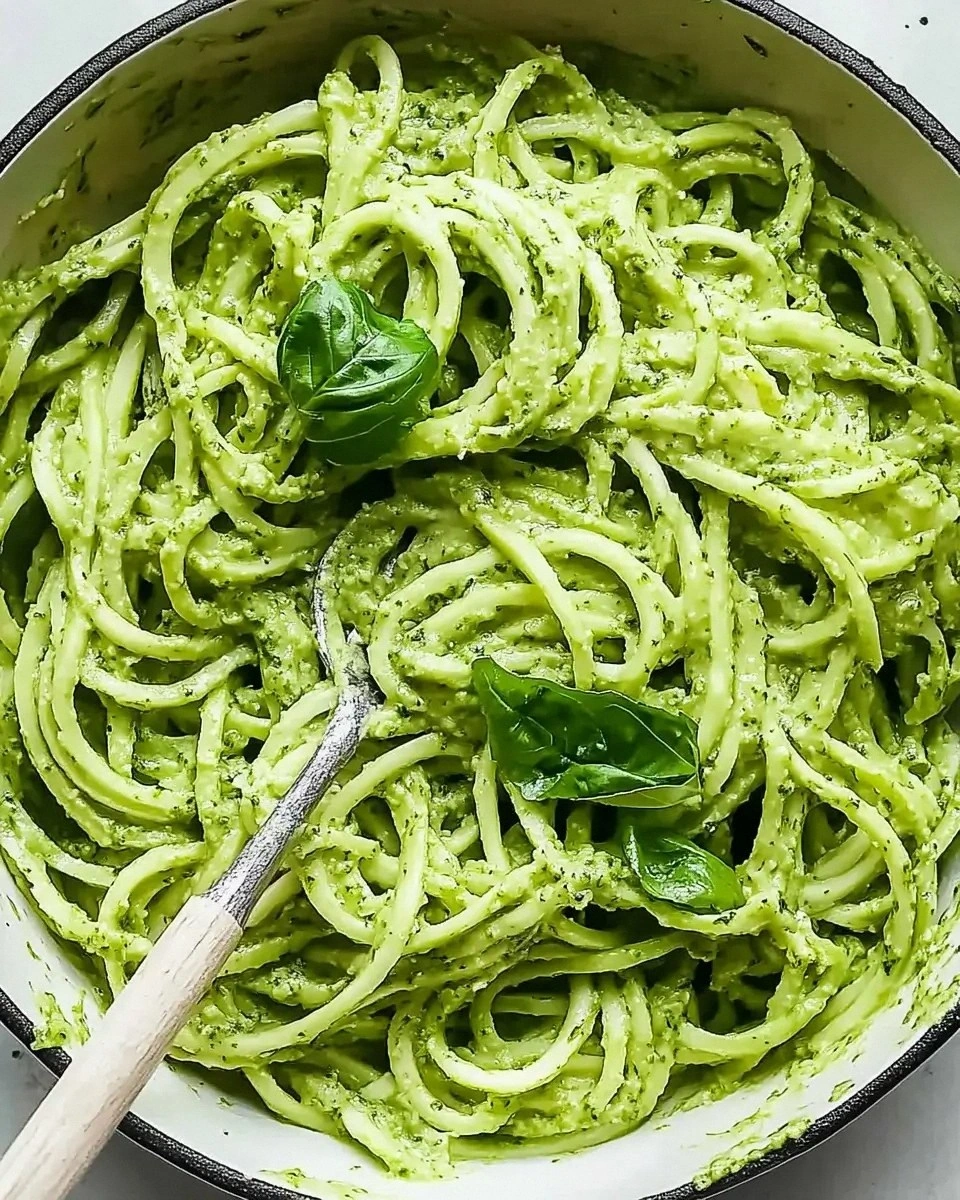
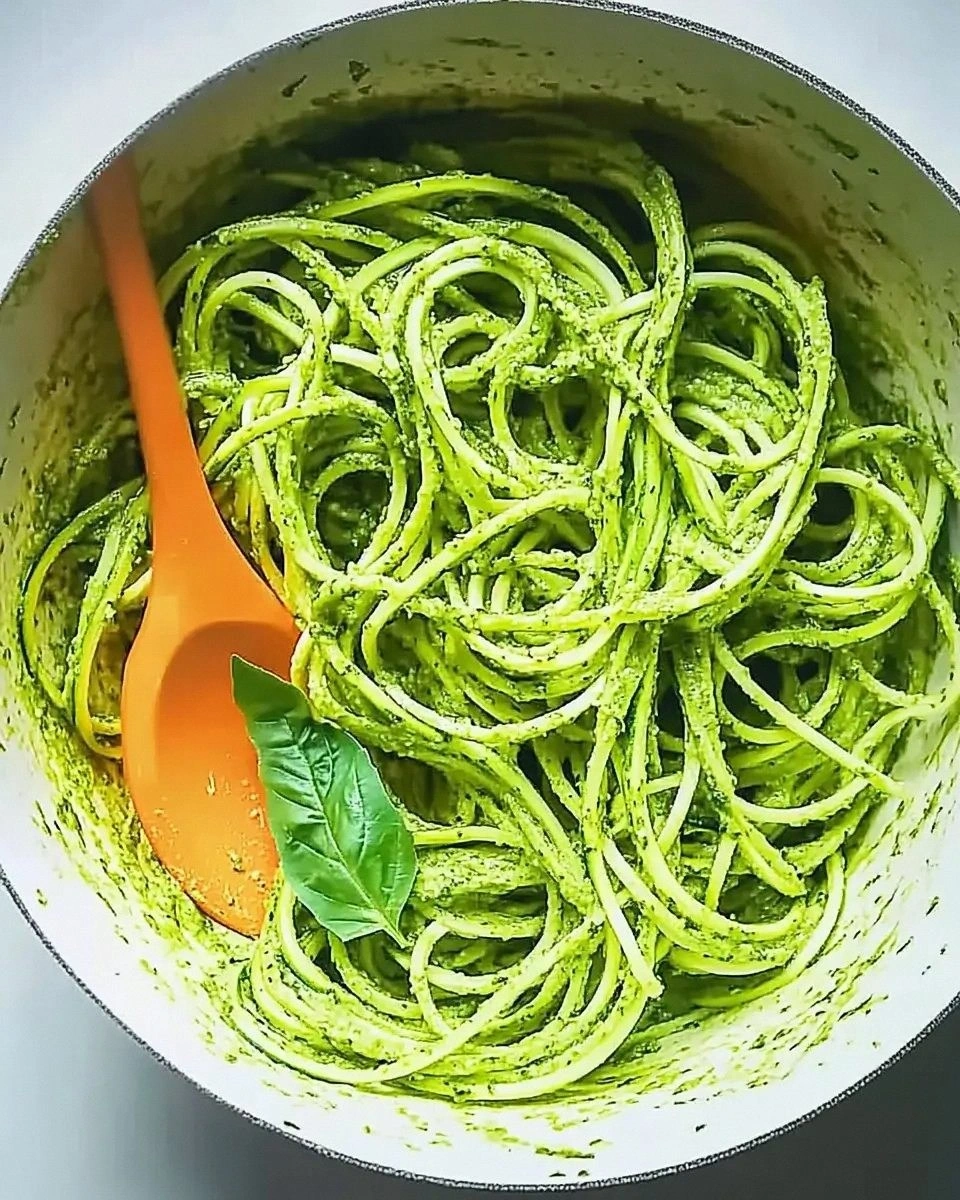
Picture this: the kitchen filled with the fresh, herbaceous perfume of basil and the buttery richness of ripe avocado, while the zucchini noodles sizzle lightly in the pan, their edges turning a delicate, caramel‑kissed gold. The sound of the spiralizer humming is like a tiny orchestra, each whirr a promise of the silky texture to come. When you finally drizzle the pesto, it coats the noodles like velvet, each strand gleaming with emerald green. You bite, and the crunch of the zucchini meets the creamy, nutty pesto, creating a mouthfeel that’s simultaneously crisp and melt‑in‑your‑mouth. It’s the kind of dish that makes you pause, stare at the plate, and whisper, “I dare you to taste this and not go back for seconds.”
Why does this version stand out from the sea of zucchini‑pesto recipes? Most people either drown the noodles in a watery sauce or over‑process the avocado until it turns into a bland guacamole that screams “sauce” without any depth. I’ve cracked the code by balancing the natural creaminess of avocado with a punchy pesto made from toasted pine nuts, lemon zest, and a splash of olive oil that keeps the sauce from getting gummy. The secret weapon? A splash of cold water at the end of blending, which turns the pesto into a silky ribbon that clings lovingly to every noodle. No more soggy, sad strands—just pure, bright, garden‑fresh goodness.
And there’s a twist you won’t see coming: I add a handful of fresh arugula right before serving. The peppery bite of arugula cuts through the richness, creating a flavor dance that’s as lively as a summer festival. I’ll be honest — I ate half the batch before anyone else got to try it, and that’s because the combination is simply addictive. So, buckle up, because we’re about to embark on a culinary adventure that will change the way you think about low‑carb meals forever. Let me walk you through every single step — by the end, you’ll wonder how you ever made it any other way.
What Makes This Version Stand Out
- Taste: The avocado brings buttery richness while the basil‑pine‑nut pesto adds a bright, herbaceous punch that never feels heavy.
- Texture: Spiralized zucchini offers a satisfying bite, and the sauce coats each strand like a silk scarf, never watery, never clumpy.
- Simplicity: Fewer than ten ingredients, all pantry‑friendly, and you can have the whole dish on the table in under 45 minutes.
- Uniqueness: The cold‑water finish on the pesto is a pro‑chef trick that keeps the sauce glossy and prevents oxidation.
- Crowd Reaction: Even the most skeptical meat‑eaters ask for seconds; the flavor is so bold they forget it’s “zoodle” food.
- Ingredient Quality: Fresh, ripe avocados and organic zucchinis make the difference between “good” and “legendary.”
- Cooking Method: A quick sauté gives the noodles a gentle char that adds a nutty undertone, while the pesto stays raw for maximum freshness.
- Make‑Ahead Potential: The pesto freezes beautifully, and the zucchini can be pre‑spiralized and stored in water to stay crisp.
Inside the Ingredient List
The Flavor Base
Fresh basil is the heart of any good pesto. Its aromatic oils burst open when you crush the leaves, creating a perfume that instantly transports you to a sun‑drenched Italian garden. If you skip the basil, the sauce loses its signature green punch and becomes a bland avocado paste. For a twist, try swapping half the basil for mint; the mint adds a cool, refreshing edge that pairs beautifully with the zucchini’s mild flavor.
The Texture Crew
Ripe avocados are the creamy glue that binds this dish together. A perfectly ripe avocado yields to gentle pressure and has a buttery mouthfeel that’s hard to beat. If you use an underripe fruit, the pesto will be gritty and the flavor muted. When selecting avocados, look for a dark, almost black skin and a slight give when you press the stem end—this indicates peak ripeness.
The Unexpected Star
Toasted pine nuts add a subtle nuttiness and a hint of crunch that you wouldn’t expect from a sauce that’s otherwise silky. The toasting process releases oils that deepen the flavor profile, making the pesto taste richer without any extra butter. If you’re allergic to nuts, swap pine nuts for toasted pumpkin seeds; the flavor remains earthy, and the texture stays satisfying.
The Final Flourish
A splash of cold water at the end of blending is the secret that turns a thick dip into a pour‑able sauce. This tiny addition prevents the avocado from oxidizing too quickly, keeping the pesto bright green for hours. If you forget the water, the sauce will cling to the bowl and feel gummy on the palate. A final squeeze of lemon juice not only adds brightness but also stabilizes the color, ensuring your dish looks as vibrant as it tastes.
Everything's prepped? Good. Let's get into the real action…
The Method — Step by Step
Start by washing three to four medium zucchinis under cold running water. Pat them dry with a clean kitchen towel; any excess moisture will make the noodles soggy later. Using a spiralizer, run each zucchini through the blade to create long, noodle‑like ribbons. If you don’t have a spiralizer, a julienne peeler works just as well—just keep the strips uniform for even cooking. Place the fresh zoodles in a bowl of ice water while you prep the sauce; this step preserves their bright color and crisp snap.
While the zucchini rests, toast a quarter cup of pine nuts in a dry skillet over medium heat. Stir constantly; you’ll hear a gentle pop and smell a nutty aroma that’s unmistakably toasty. Once they turn a light golden brown and start to give off a fragrant scent, remove them from the heat and set aside to cool. This toasting step is crucial—untouched pine nuts would leave the pesto flat and one‑dimensional.
Kitchen Hack: Keep a small metal spoon handy while toasting; it distributes heat evenly and prevents the nuts from burning.Now, grab a food processor and combine two generous handfuls of fresh basil leaves, the toasted pine nuts, a clove of garlic, and a pinch of sea salt. Pulse a few times to break down the larger pieces. Then, add the flesh of two ripe avocados, a quarter cup of extra‑virgin olive oil, and the zest of one lemon. Blend on high until the mixture becomes a smooth, glossy green. If the pesto looks too thick, drizzle in a tablespoon of cold water and pulse again—this is the magic that keeps the sauce from turning gummy.
Taste the pesto and adjust the seasoning with more salt or a squeeze of lemon juice if you crave extra brightness. Remember, the zucchini will absorb some of the sauce, so a slightly stronger flavor at this stage ensures the final dish isn’t bland. Once satisfied, set the pesto aside in a shallow bowl; cover it with plastic wrap pressed directly onto the surface to prevent oxidation.
Heat a large skillet over medium‑high heat and add a drizzle of olive oil—just enough to coat the bottom. When the oil shimmers, drain the zucchini noodles from the ice water and pat them gently with a clean towel. Add the zoodles to the hot pan in a single layer; you’ll hear a satisfying sizzle that signals the start of caramelization. Cook for 2‑3 minutes, tossing gently with tongs, until the noodles are just tender but still retain a slight crunch. Overcooking will make them soggy, so stay vigilant.
Watch Out: If the pan is too hot, the zucchini will burn at the edges while remaining raw in the center. Adjust the heat as needed.When the noodles reach that perfect al‑dente texture, turn off the heat and immediately pour the avocado pesto over them. Use two large spoons to toss the noodles, ensuring every strand is evenly coated. The sauce should glide over the noodles like silk, clinging without pooling at the bottom. This is the moment of truth—if the pesto looks glossy and the noodles are glossy, you’ve nailed it.
Add a handful of fresh arugula and a sprinkle of grated Parmesan cheese (optional) for an extra layer of peppery bite and umami depth. Toss again just until the arugula wilts slightly from the residual heat. The cheese will melt just enough to create tiny, salty flecks throughout the dish, elevating the overall flavor profile.
Kitchen Hack: If you’re preparing this for a crowd, keep the pesto separate until the last minute; this prevents the noodles from becoming soggy.Plate the noodles in shallow bowls, drizzle a tiny drizzle of extra‑virgin olive oil for shine, and garnish with a few toasted pine nuts and a lemon wedge. The final presentation should look vibrant—emerald green pesto, bright orange zest, and the natural speckles of zucchini. Serve immediately while the noodles are still warm and the pesto is at its freshest.
Sit down, take a bite, and let the flavors dance on your palate. That first mouthful should deliver a crunchy bite, a buttery glide, and a herbaceous punch that makes you think, “Okay, ready for the game‑changer?” If you find yourself reaching for seconds, congratulations—you’ve just discovered the best version you’ll ever make at home. That’s it — you did it. But hold on, I've got a few more tricks that'll take this to another level...
Insider Tricks for Flawless Results
The Temperature Rule Nobody Follows
Most home cooks think “high heat” is the answer for everything, but with zucchini noodles, a moderate medium‑high setting is the sweet spot. Too hot and the noodles will char before they soften; too low and they’ll release water, turning mushy. Keep your pan at a steady 350°F (if you have an infrared thermometer) and you’ll get that perfect, slightly caramelized edge that adds depth without bitterness. I once tried “full blast” and ended up with a blackened mess that tasted like burnt rubber—lesson learned.
Why Your Nose Knows Best
Your sense of smell is a far more reliable indicator of doneness than a timer. When the zucchini starts to release a faint, sweet aroma and the edges turn a light golden, you’re at the ideal point. If you rely solely on the clock, you risk overcooking and losing that satisfying crunch. Trust that nose; it’s the secret weapon of every chef who’s ever nailed a sauce.
The 5‑Minute Rest That Changes Everything
After tossing the noodles with pesto, let the dish rest for exactly five minutes off the heat. This short pause allows the flavors to meld, the avocado to settle, and the zucchini to absorb just enough sauce without becoming soggy. I once served it immediately and got a few puzzled looks—people thought it was under‑seasoned. The rest period turns a good dish into a great one.
Pine Nut Toasting Secrets
To achieve the most aromatic pine nuts, toast them over a low flame while constantly stirring. The nuts should turn a light amber, not dark brown, within 2‑3 minutes. If you over‑toast, they become bitter, which can overwhelm the delicate avocado. A quick tip: add a pinch of sea salt to the pan while toasting; it enhances the nutty flavor dramatically.
The “Cold Water Finish”
Adding a tablespoon of ice‑cold water to the pesto right before blending is the trick that keeps the sauce glossy and prevents it from turning into a dense paste. The water creates an emulsion that binds the oil and avocado, giving the sauce a light, airy texture. Skip this step, and you’ll end up with a thick, clumpy dip that slides off the noodles rather than hugging them.
Creative Twists and Variations
This recipe is a playground. Here are some of my favorite ways to switch things up:
Spicy Chili‑Infused
Add a teaspoon of red‑pepper flakes to the pesto and finish with a drizzle of chili‑oil. The heat cuts through the creaminess, making it perfect for those who love a little kick. Ideal for a late‑night snack when you need something bold.
Mediterranean Sunburst
Swap pine nuts for toasted almonds, fold in sun‑dried tomatoes, and sprinkle crumbled feta on top. The salty feta and tangy tomatoes create a Mediterranean vibe that pairs wonderfully with a glass of crisp white wine.
Protein‑Packed Power Bowl
Top the noodles with grilled chicken breast or pan‑seared shrimp. The added protein makes the dish a complete meal for athletes or anyone looking to stay full longer. A squeeze of lime over the top adds a fresh zing that balances the richness.
Vegan Nut‑Free
Replace pine nuts with roasted sunflower seeds and use nutritional yeast instead of Parmesan. The dish stays entirely plant‑based while still delivering that umami depth you crave.
Winter Warmth
Stir in a tablespoon of pumpkin puree and a pinch of cinnamon into the pesto. The subtle earthiness of pumpkin and the warm spice make this a comforting winter variation that still feels fresh.
Storing and Bringing It Back to Life
Fridge Storage
Place leftover noodles and pesto in separate airtight containers. The noodles stay crisp for up to 2 days if kept dry, while the pesto can be stored for 3‑4 days. When ready to serve, gently reheat the noodles in a skillet with a splash of water.
Freezer Friendly
Freeze the pesto in ice‑cube trays, then transfer the frozen cubes to a zip‑top bag. It will keep for up to 3 months. Zucchini noodles don’t freeze well; if you need to prep ahead, keep them raw in a sealed bag with a paper towel to absorb moisture.
Best Reheating Method
When reheating, add a tiny splash (about a tablespoon) of water or vegetable broth to the pan. This creates steam that revives the noodles’ texture and prevents the pesto from drying out. Stir gently over medium heat until everything is warmed through and the sauce regains its glossy sheen.