Picture this: it’s a rainy Saturday night, the kind where you’re stuck between the couch and the fridge, scrolling through endless recipe blogs that promise “the ultimate comfort food.” I was about to give up and order pizza when a dare from my roommate—“Make something that can tame a cowboy’s appetite” — sparked a wild idea. I grabbed a chicken breast, a stick of butter, and a handful of spices, and what happened next was nothing short of culinary alchemy. The kitchen filled with the kind of aroma that makes you want to hug the person who just walked in, and the first bite? Let’s just say I dared you to taste this and not go back for seconds.
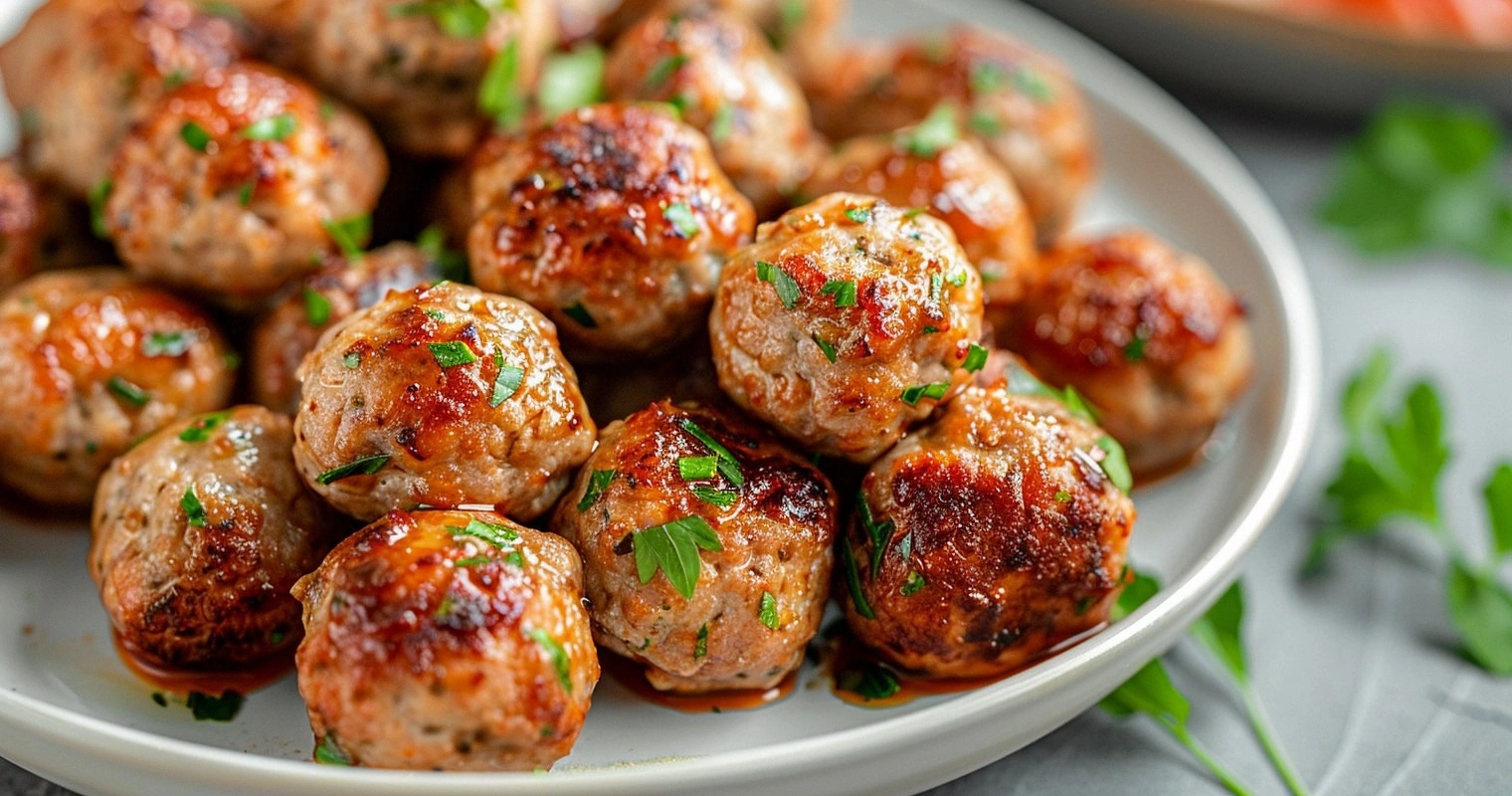
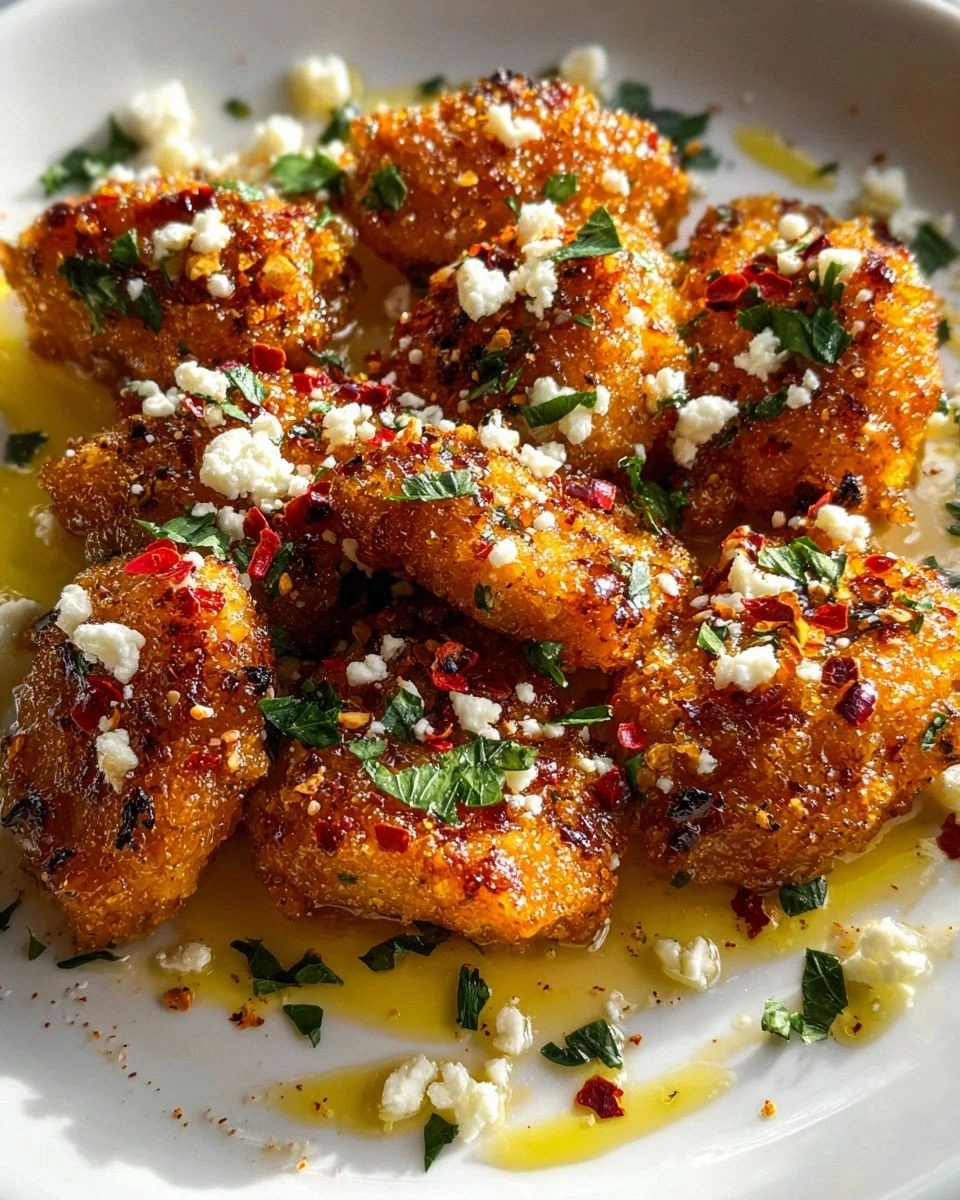
The moment the chicken hit the pan, there was a sizzle that sounded like a tiny fireworks show, each pop a promise of flavor. The buttery sauce, glossy and golden, coated the bite‑size pieces like a silky saddle blanket, while a whisper of smoked paprika added a smoky depth that reminded me of a campfire under a big Texas sky. The lemon juice cut through the richness with a bright zing, and a drizzle of honey gave it a subtle sweetness that made the whole thing feel like a dessert you’d actually eat for dinner. When I finally plated the bites, the fresh parsley glittered like green tumbleweed, and the whole tray looked so inviting that even the cat stared longingly.
Most recipes for butter chicken either drown the meat in a sauce that’s too runny, or they over‑cook the chicken until it’s as dry as a desert road. I’ve tried those, and trust me, I’ve been there—chewy, flavorless, disappointing. This version stands out because it respects the chicken’s natural juiciness, using a quick sear to lock in moisture before it meets the buttery, buttery‑spiced glaze. The secret? A dash of Dijon mustard that adds a subtle tang, and a pinch of crushed red pepper flakes that give just enough heat to keep the palate dancing without stealing the show.
And there’s a technique you won’t find in most “butter chicken” posts: I finish the dish on high heat for a minute, letting the sauce caramelize just enough to create those coveted crispy edges that shatter like thin ice when you bite into them. It’s a game‑changer, and I’m about to walk you through every single step — by the end, you’ll wonder how you ever made it any other way.
What Makes This Version Stand Out
- Flavor Explosion: The combination of smoked paprika, Dijon, and a splash of lemon creates layers that unfold with every bite, delivering a balanced sweet‑heat profile that’s impossible to resist.
- Texture Triumph: Bite‑size pieces stay tender inside while the exterior gets a caramelized crunch, giving you that satisfying contrast between soft and crisp.
- Simplicity at Its Best: You need only eleven pantry staples, and the entire process takes under an hour, making it perfect for weeknight cravings or spontaneous gatherings.
- Unique Twist: The inclusion of honey and mustard isn’t just for sweetness; they act as emulsifiers, binding the butter and oil into a glossy, cling‑on sauce.
- Crowd‑Pleaser Factor: These bites disappear faster than a cowboy’s hat in a windstorm—guests keep coming back for more, and you’ll hear “more, please!” more than once.
- Ingredient Quality: Fresh, high‑quality chicken and real butter make the difference; no shortcuts, just pure, honest flavor.
- Cooking Method Magic: A quick sear followed by a short, high‑heat finish locks in juices and creates that coveted caramelized crust.
- Make‑Ahead Friendly: You can prep the chicken and sauce ahead of time, then reheat quickly for a stress‑free party snack.
Inside the Ingredient List
The Flavor Base
Chicken breast: This is the heart of the dish. Cutting it into bite‑size pieces ensures each morsel gets an even coating of the buttery glaze. If you skip the bite‑size cut, you’ll end up with uneven flavor distribution and longer cooking times. For the best results, choose organic or free‑range chicken; the meat is naturally more tender and flavorful.
Garlic: Freshly minced garlic releases allicin, giving the sauce that unmistakable aromatic punch. If you substitute garlic powder, you’ll lose that bright, fresh bite, and the sauce may taste flat. A good tip is to crush the cloves first, then mince—this maximizes flavor extraction.
Dijon mustard: The tang from Dijon cuts through the butter’s richness, creating a balanced sauce that clings to the chicken. Yellow mustard would work in a pinch, but it lacks the depth and subtle heat of Dijon, resulting in a one‑dimensional flavor.
The Texture Crew
Unsalted butter: Butter is the star that gives the sauce its silky mouthfeel. Using unsalted lets you control the salt level precisely. If you’re dairy‑free, try a plant‑based butter; the texture will stay luxurious, though the flavor profile will shift slightly.
Olive oil: A splash of olive oil helps achieve a perfect sear without burning the butter. Avocado oil works just as well if you need a higher smoke point, but olive oil adds a subtle fruitiness that complements the spices.
Honey: A drizzle of honey balances the heat from the red pepper flakes and the acidity from the lemon. Maple syrup can replace honey for a deeper, earthier sweetness, but be aware it will alter the flavor nuance.
The Unexpected Star
Smoked paprika: This spice brings a smoky depth that makes you think of a wood‑fire grill, even if you’re cooking on a stovetop. Regular paprika would give color but lack that smoky character, leaving the sauce flat.
Crushed red pepper flakes: They add a gentle heat that tingles the palate without overwhelming the buttery richness. Adjust the amount based on your spice tolerance; a pinch can be enough for a subtle kick.
Lemon juice: The acidity brightens the sauce, preventing it from feeling heavy. Freshly squeezed lemon juice is ideal; bottled juice can introduce unwanted preservatives that dull the flavor.
The Final Flourish
Freshly chopped parsley: This herb adds a burst of color and freshness right before serving, lifting the dish from hearty to vibrant. If you prefer a different herb, cilantro or chives can work, but they will change the flavor profile.
Salt and pepper: Simple yet essential, they enhance the chicken’s natural taste and bring all the flavors together. Over‑salting can mask the subtle notes of mustard and paprika, so season lightly and adjust at the end if needed.
Everything's prepped? Good. Let’s get into the real action…
The Method — Step by Step
Start by patting the chicken pieces dry with paper towels; moisture is the enemy of a good sear. Heat a large skillet over medium‑high heat and add the olive oil, letting it shimmer like a lake at sunrise. Toss the chicken in, spreading it out in a single layer, and let it sizzle undisturbed for about 2‑3 minutes. You’ll hear that satisfying pop that tells you the crust is forming—don’t rush to stir.
Once the chicken starts turning golden on one side, flip the pieces and sear the other side for another 2‑3 minutes. This is the moment where the flavor truly locks in. While the chicken finishes, sprinkle a pinch of salt and pepper over the pieces; the seasoning will adhere to the hot surface, creating a subtle crust.
Kitchen Hack: If your skillet is crowded, work in batches. Overcrowding drops the temperature, resulting in steamed rather than seared chicken.When the chicken is beautifully browned, lower the heat to medium and push the pieces to the side of the pan. In the empty space, add the butter and let it melt, listening for that gentle sigh as the butter turns foamy. As soon as it’s melted, stir in the minced garlic, letting it cook for about 30 seconds until fragrant—watch out for burning, as garlic can turn bitter in seconds.
Now, whisk in the Dijon mustard, honey, and lemon juice all at once. The mixture will fizz lightly, a sign that the acid and sweet are marrying the butter. Keep whisking until the sauce becomes a smooth, glossy emulsion that clings to the bottom of the pan.
Sprinkle the smoked paprika, crushed red pepper flakes, and the remaining salt and pepper over the sauce. Stir vigorously; the spices will bloom, releasing a smoky perfume that fills the kitchen. This is the part where the sauce really starts to look like liquid gold.
Kitchen Hack: Toast the smoked paprika briefly in the dry pan before adding liquid; this unlocks deeper smoky notes.Return the chicken to the pan, tossing it gently to coat every piece with the buttery sauce. Let it cook together for 3‑4 minutes, allowing the sauce to thicken and cling.
Watch Out: If the sauce starts to look too thick before the chicken is fully cooked, add a splash of water or chicken broth to loosen it.Increase the heat to high for the final minute. This rapid, high‑heat finish caramelizes the edges, creating that coveted crispy crust. You’ll see the sauce darken just a shade, and the chicken pieces will start pulling away from the pan—a clear visual cue that they’re ready.
Turn off the heat and immediately stir in the freshly chopped parsley. The heat will wilt the parsley just enough to release its fresh aroma without losing its bright green color. Give everything a final toss to ensure every bite is evenly speckled with herbs.
Transfer the Cowboy Butter Chicken Bites to a serving platter. The sauce should pool at the bottom, glistening like a sunrise on a prairie. Serve hot, with toothpicks or small forks, and watch as guests dive in with gusto. That sizzle when it hits the pan? Absolute perfection.
That's it — you did it. But hold on, I've got a few more tricks that'll take this to another level…
Insider Tricks for Flawless Results
The Temperature Rule Nobody Follows
Most home cooks keep the heat low to avoid burning, but with this recipe you actually want a hot pan. A medium‑high to high heat creates a Maillard reaction that gives the chicken its caramelized crust. I once tried cooking on low heat, and the chicken turned out soggy and bland—lesson learned. Keep your stove dial where it can sustain a steady sizzle, and you’ll get that perfect “crackling” sound.
Why Your Nose Knows Best
Don’t rely solely on timers; trust your sense of smell. When the garlic turns golden and the butter starts to brown, you’ll know the flavor base is ready. If you smell a faint nutty aroma, the smoked paprika is blooming—this is the moment to add the chicken back in. I’ve seen people over‑cook because they wait for a timer that never matches the real sensory cues.
The 5‑Minute Rest That Changes Everything
After the final high‑heat blast, let the bites rest for exactly five minutes. This short pause allows the juices to redistribute, preventing them from spilling out when you bite. It also lets the sauce thicken just enough to cling without being runny. Skipping this step results in a soggy plate and a disappointed palate.
Butter Temperature Trick
Cold butter can seize when it hits a hot pan, creating clumps. To avoid this, cut the butter into small cubes and let it sit at room temperature for 10 minutes before adding it. The butter will melt evenly, ensuring a smooth sauce. I once used butter straight from the freezer and ended up with a grainy texture—never again.
Seasoning Layering Mastery
Season the chicken twice: once before searing and again after the sauce is formed. The first seasoning builds a base flavor, while the second seasoning adjusts the final taste. If you find the dish a bit flat at the end, a pinch more salt and a dash of pepper can revive it instantly.
Creative Twists and Variations
This recipe is a playground. Here are some of my favorite ways to switch things up:
Spicy Chipotle Cowboy
Swap the smoked paprika for chipotle powder and add a teaspoon of adobo sauce. The result is a smoky, smoky‑spicy bite that feels like a desert storm in your mouth. Perfect for those who love heat.
Citrus‑Infused Ranch
Replace lemon juice with orange zest and a splash of lime juice. Add a tablespoon of ranch dressing to the sauce for a tangy, herbaceous twist. This variation pairs wonderfully with a crisp white wine.
Maple‑Glazed Sweet
Use maple syrup instead of honey and add a pinch of cinnamon. The sweet‑spice combo creates a caramel‑like coating that’s great for brunch gatherings. Serve with a side of fresh berries for a pop of acidity.
Herbaceous Green
Blend fresh cilantro, basil, and mint into a pesto and stir it into the sauce at the end. The herbaceous green sauce brightens the dish and adds a fresh garden vibe. Ideal for summer evenings.
Cheesy Tex‑Mex
After plating, sprinkle shredded cheddar or Monterey Jack cheese over the hot bites and let it melt. The cheese adds a gooey richness that complements the buttery base, turning this into a crowd‑pleasing appetizer for game night.
Vegan Cowboy (Plant‑Based)
Replace chicken with firm tofu cubes and use plant‑based butter. The tofu absorbs the sauce beautifully, and the dish stays just as indulgent. Serve with a drizzle of agave nectar for a touch of sweetness.
Storing and Bringing It Back to Life
Fridge Storage
Allow the bites to cool to room temperature, then transfer them to an airtight container. They’ll keep fresh for up to three days. When reheating, add a splash of water or broth to the pan, cover, and warm over low heat for 5‑7 minutes—this restores the buttery sheen.
Freezer Friendly
Portion the cooked bites onto a baking sheet, flash‑freeze for 30 minutes, then move them into a zip‑top freezer bag. They’ll stay good for up to two months. To reheat, bake at 350°F for 12‑15 minutes, then finish with a quick sauté in butter for that crisp edge.
Best Reheating Method
The secret to reviving the crispy crust is a two‑step reheating: first, microwave for 45 seconds to warm through, then finish in a hot skillet with a knob of butter for 2‑3 minutes. Add a tiny splash of water before the skillet step; the steam helps the sauce re‑emulsify, keeping every bite juicy.