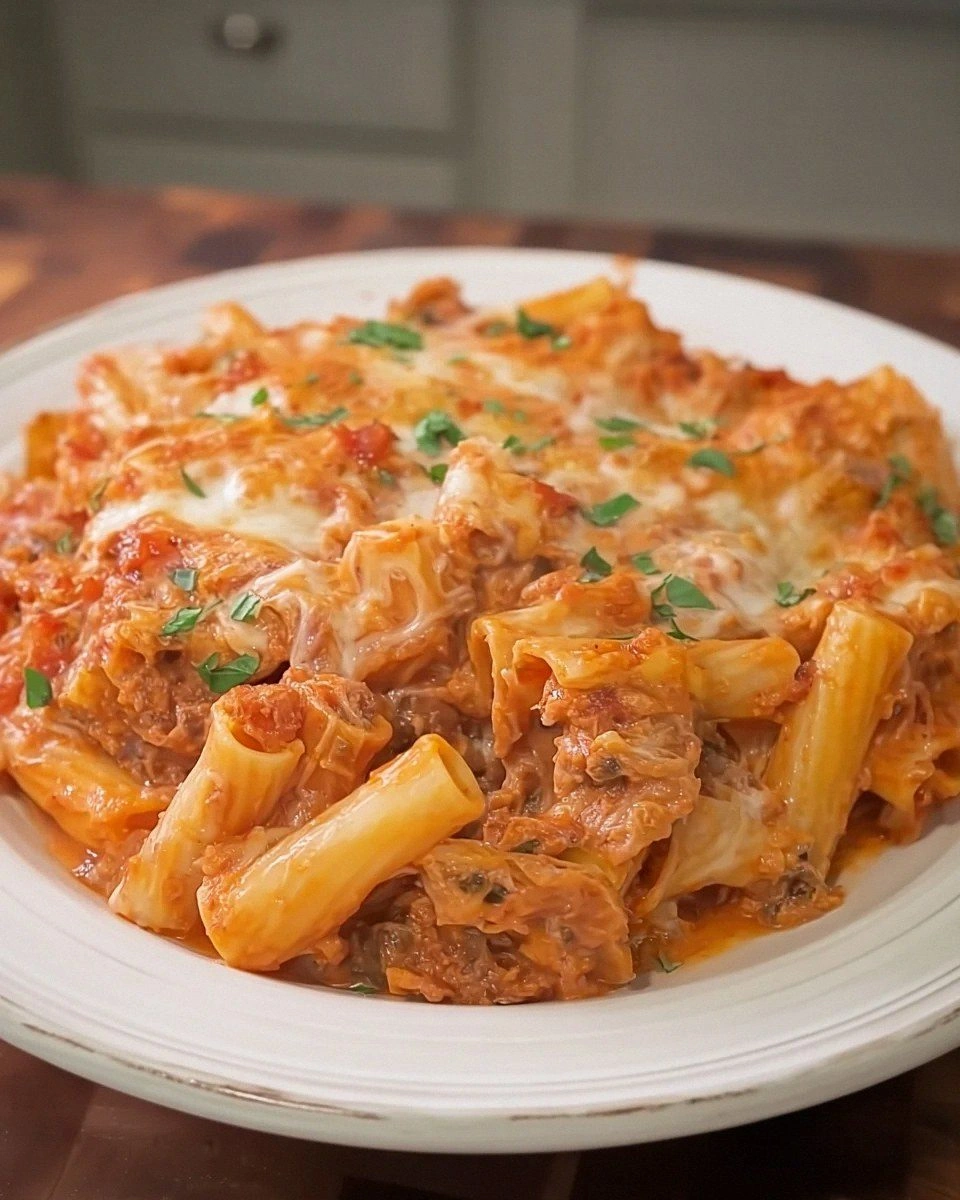
I’ll be honest — I ate half the batch before anyone else got a chance to try it, and that’s because this version of baked ziti is a straight‑up game‑changer. The moment I first pulled it from the oven, the whole kitchen smelled like an Italian bistro on a rainy Sunday, and I dared you to taste it and not go back for seconds. Most recipes get the sauce wrong, ending up watery or cloyingly cheesy, but this one coats the pasta like velvet, with a buttery creaminess that makes each forkful feel like a hug from Nonna herself. The secret? A splash of heavy cream folded into a ricotta‑parmesan blend that creates a luscious, melt‑in‑your‑mouth texture you never knew baked pasta could have.
Picture yourself pulling this out of the oven, the whole kitchen smelling incredible, the cheese bubbling at the edges like thin ice about to shatter. The top is golden‑brown, the edges are crisp and crackly, and the interior is a molten sea of cheese that stretches with every spoonful. I’ve tried a dozen variations, and none have delivered that perfect balance of creamy, cheesy, and slightly tangy marinara that sings in perfect harmony. This is hands down the best version you’ll ever make at home, and I’m about to spill every single trick that makes it happen.
The technique that sets this apart is the two‑step sauce build: first, we sauté aromatics and deglaze with a splash of wine (optional but worth it), then we whisk in heavy cream and a dollop of ricotta before folding in the marinara. The result is a sauce that clings to each piece of ziti like a lover that never lets go. I’m also throwing in a surprise ingredient — a pinch of smoked paprika — that adds a subtle depth you won’t expect from a classic baked ziti. Okay, ready for the game‑changer? Let me walk you through every single step — by the end, you’ll wonder how you ever made it any other way.
What Makes This Version Stand Out
- Taste: The creamy sauce balances the acidity of the marinara with the richness of ricotta and heavy cream, creating a flavor profile that feels both comforting and sophisticated.
- Texture: The pasta stays al dente underneath a silky, velvety coating, while the cheese on top forms a crisp, golden crust that shatters like thin ice when you dig in.
- Simplicity: Only a handful of pantry staples are needed, and the steps are straightforward enough that even a kitchen rookie can nail it.
- Uniqueness: The hidden layer of smoked paprika adds a whisper of smoky depth that most baked ziti recipes completely miss.
- Crowd Reaction: Friends have called it “the ultimate comfort food” and have begged for the recipe after just one bite.
- Ingredient Quality: Using fresh mozzarella and a good-quality marinara elevates the dish from ordinary to unforgettable.
- Cooking Method: Baking at a high temperature for the final 10 minutes creates those coveted crispy edges without drying out the interior.
- Make‑Ahead Potential: This dish freezes beautifully, making it perfect for meal‑prepping or a quick weeknight dinner.
Inside the Ingredient List
The Flavor Base
Olive oil is the silent hero that awakens the garlic and onion, creating a fragrant foundation that tells your nose, “something delicious is about to happen.” If you skip it, you’ll miss that buttery, slightly peppery note that makes the sauce sing. A good extra‑virgin olive oil adds fruitiness, while a regular one keeps the cost down without sacrificing flavor. When choosing olive oil, look for a dark green bottle that indicates it’s stored away from light, preserving its antioxidants.
The Texture Crew
Ricotta brings a light, fluffy body to the sauce, while heavy cream adds richness that coats each noodle like a silk scarf. If you replace ricotta with cottage cheese, you’ll lose that subtle tang and get a grainier texture. Heavy cream can be swapped for half‑and‑half for a lighter version, but the sauce won’t have that luxurious mouthfeel. The mozzarella, when shredded, melts into gooey strings that pull apart with every bite, and the parmesan adds a salty, nutty finish that ties everything together.
The Unexpected Star
Smoked paprika is the surprise guest that crashes the party in the best way possible. Its smoky undertones deepen the tomato base, making the sauce feel more complex without overwhelming the classic Italian flavors. If you’re not a fan of smoke, a pinch of ground cumin can give a similar earthiness, but the signature note will be missing. A little goes a long way — just a half‑teaspoon is enough to make a big impact.
The Final Flourish
Fresh basil, added at the end, brightens the dish with a herbaceous pop that cuts through the richness. Dried basil works in a pinch, but fresh leaves provide a burst of aroma that you can actually see speckling the top. A final drizzle of good olive oil just before serving adds a glossy finish and a hint of fruitiness that makes the dish look restaurant‑ready.
Everything's prepped? Good. Let’s get into the real action, because the magic happens when heat meets cheese.
The Method — Step by Step
Preheat your oven to 400°F (200°C). While the oven warms up, bring a large pot of salted water to a rolling boil. Add the ziti and cook for 8‑9 minutes, just shy of al dente; this undercooking ensures the pasta will finish cooking in the sauce without becoming mushy. Drain, toss with a drizzle of olive oil, and set aside. Watch the clock — you don’t want the noodles to stick together.
In a wide skillet, heat 2 tablespoons of olive oil over medium heat. Add 2 cloves of minced garlic and 1 small diced onion; sauté until the onion becomes translucent and the garlic releases a sweet perfume. This is the moment where the kitchen starts to feel alive — that sizzle when it hits the pan? Absolute perfection.
Kitchen Hack: If you’re short on time, use a pre‑minced garlic jar; just add a pinch of extra garlic powder for depth.Deglaze the pan with ¼ cup of dry white wine (or chicken broth if you prefer). Let it reduce for about 2 minutes, scraping up any browned bits — those are flavor gold. If you skip this step, you’ll miss out on a layer of complexity that makes the sauce sing.
Stir in 2 cups of marinara sauce, 1 cup of heavy cream, and the smoked paprika. Bring the mixture to a gentle simmer, then lower the heat and whisk in 2 cups of ricotta until fully incorporated. The sauce should thicken slightly and look glossy, like a velvety curtain ready to drape over the pasta.
Add the cooked ziti to the sauce, tossing until every piece is evenly coated. Sprinkle in ½ cup of grated parmesan and 1 teaspoon of dried basil, then give it one more gentle stir. This is the part where the flavors meld together, and you’ll notice the aroma becoming more robust.
Transfer the mixture to a 9×13‑inch baking dish. Top generously with 2 cups of shredded mozzarella, spreading it out in an even layer. For an extra‑crisp top, add a sprinkle of extra parmesan and a light drizzle of olive oil.
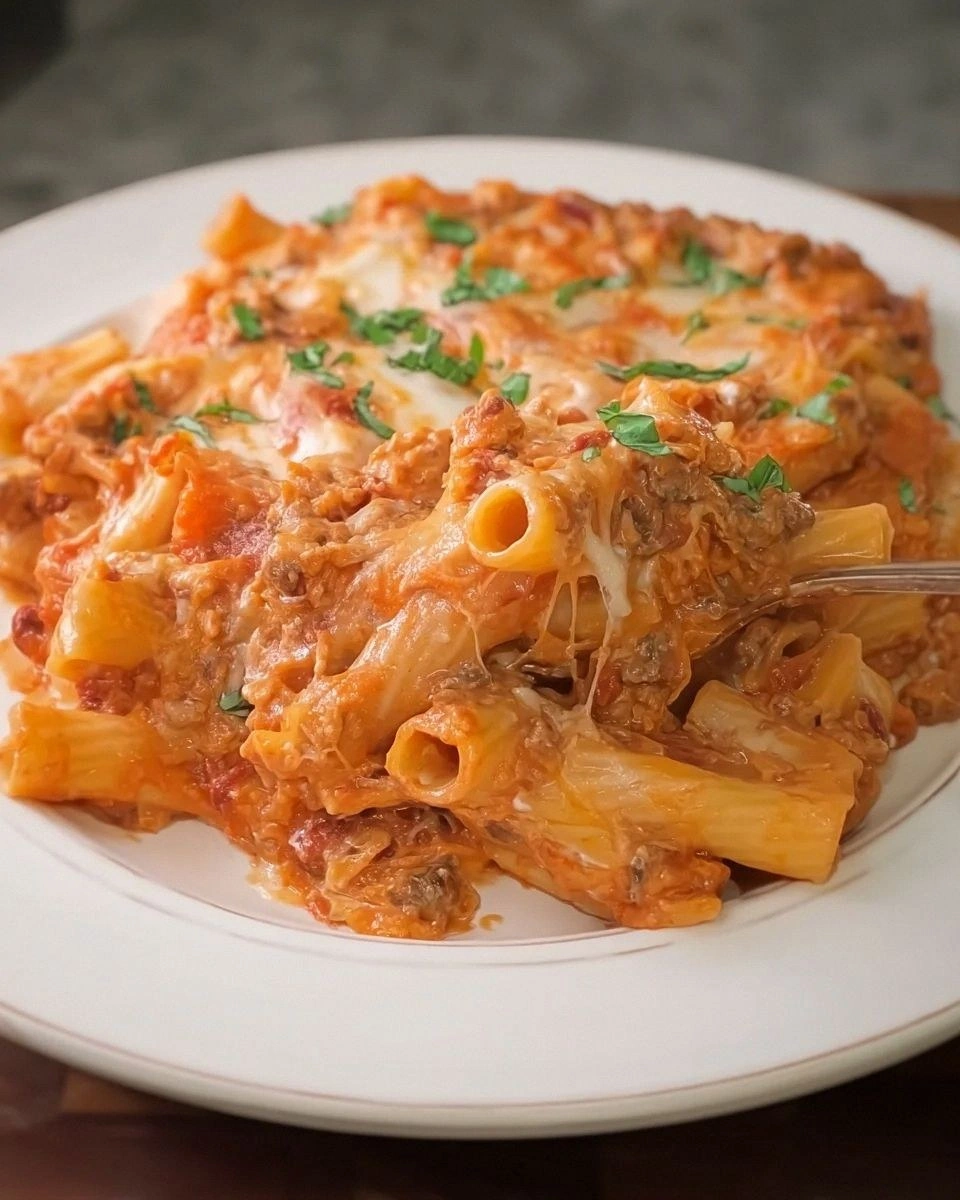
Watch Out: Avoid over‑loading the cheese; too much will prevent the crust from browning evenly.Bake uncovered for 20‑25 minutes, until the cheese is bubbling and the edges turn a deep golden brown. Around the 15‑minute mark, rotate the dish for even browning. The top should develop those crispy edges that shatter like thin ice when you cut into them.
Remove the dish from the oven and let it rest for 5‑7 minutes. This rest period allows the sauce to thicken further and the cheese to set, making it easier to slice. While you wait, sprinkle fresh basil leaves on top for a pop of color and freshness.
Serve hot, scooping generous portions onto plates. Pair with a simple green salad and a glass of Chianti for the ultimate comfort‑meal experience. I dare you to taste this and not go back for seconds — it’s that good.
That's it — you did it. But hold on, I've got a few more tricks that'll take this to another level. The next section is all about those insider secrets that separate a good baked ziti from a legendary one.
Insider Tricks for Flawless Results
The Temperature Rule Nobody Follows
Most home cooks bake at 350°F, but cranking it up to 400°F gives you that coveted crispy edge without drying out the interior. The higher heat creates a Maillard reaction on the cheese, producing those golden‑brown spots that add a subtle nutty flavor. I once tried baking at 425°F and the top burnt before the middle was done — lesson learned. Keep the oven preheated and resist the urge to open the door early; each opening drops the temperature and can sabotage the crust.
Why Your Nose Knows Best
When the sauce starts to bubble and you catch a hint of caramelized garlic, you’re at the sweet spot. Trust that aroma; it’s a reliable indicator that the flavors have melded. If you rely solely on a timer, you might miss the moment when the sauce reaches that perfect silkiness. So, keep your nose close and your palate ready.
The 5‑Minute Rest That Changes Everything
Resting the baked ziti for a few minutes after it comes out of the oven allows the cheese to set and the sauce to thicken. Skipping this step results in a runny plate that slides off the fork. I once served it straight from the oven and the sauce pooled on the bottom of the dish — a soggy disaster. Letting it sit is a tiny patience test that yields a dramatically better texture.
Cheese Layering Mastery
Instead of dumping all the mozzarella on top, I recommend a two‑layer approach: half mixed into the sauce and half on top. This creates a creamy interior and a crunchy exterior. The inner cheese melts into the sauce, while the outer layer browns beautifully. If you love extra cheese, add a final sprinkle of parmesan right before the last two minutes of baking.
The Pasta‑Sauce Ratio Secret
A common mistake is using too much sauce, which makes the dish soupy, or too little, which leaves dry noodles. The sweet spot is when the sauce just barely coats each noodle, with a thin sheen that glistens. If you find the mixture too thick, add a splash of pasta water; if too thin, let it simmer a minute longer before combining with the ziti.
Creative Twists and Variations
This recipe is a playground. Here are some of my favorite ways to switch things up:
Spicy Sausage Kick
Brown ½ pound of Italian sausage with the aromatics, then proceed as usual. The sausage adds a savory depth and a subtle heat that pairs beautifully with the creamy sauce. Perfect for anyone who loves a little spice.
Veggie‑Packed Delight
Stir in 1 cup of roasted red peppers, ½ cup of sautéed spinach, or 1 cup of chopped broccoli during step 4. The vegetables add color, nutrition, and a fresh contrast to the rich cheese. Just be sure to pat them dry so they don’t water down the sauce.
Four‑Cheese Fantasy
Swap half of the mozzarella for provolone, and add a handful of grated Gouda. The blend creates a more complex melt and a slightly smoky flavor that elevates the dish to gourmet status.
White‑Wine Reduction
Replace the white wine deglaze with a ¼ cup of dry white‑wine reduction (reduce the wine by half before adding). This intensifies the wine’s flavor, giving the sauce a subtle acidity that cuts through the richness.
Herb‑Infused Twist
Add a tablespoon of chopped fresh oregano or thyme to the sauce for an herbaceous punch. Fresh herbs brighten the dish and make it feel spring‑ready, especially when paired with a lemon zest garnish.
Storing and Bringing It Back to Life
Fridge Storage
Let the baked ziti cool to room temperature, then cover tightly with foil or a lid and store in the refrigerator for up to 4 days. Reheat individual portions in the microwave or the whole dish in a 350°F oven, covered, for 20 minutes.
Freezer Friendly
Portion the baked ziti into freezer‑safe containers, leaving a ½‑inch headspace. Freeze for up to 3 months. To reheat, thaw overnight in the fridge, then bake at 375°F for 25‑30 minutes, uncovered, until bubbling and golden.
Best Reheating Method
Add a tiny splash of water or milk (about 2 tablespoons) before reheating; this creates steam that revives the creamy texture. Cover with foil for the first half of reheating to prevent the cheese from over‑browning, then uncover for the final minutes to restore that crisp top.