The first time I tried to make tuna steak, I was in a panic. I had sliced the fish too thin, the pan was too hot, and the surface of the tuna looked like a burnt toast slab. The kitchen was a smoky mess, and my friends were staring at me like I’d just performed a culinary magic trick that turned into a disaster. I swore I’d never cook tuna again—until a friend dared me to try a new technique that promised a perfectly seared, juicy center with a caramelized crust.
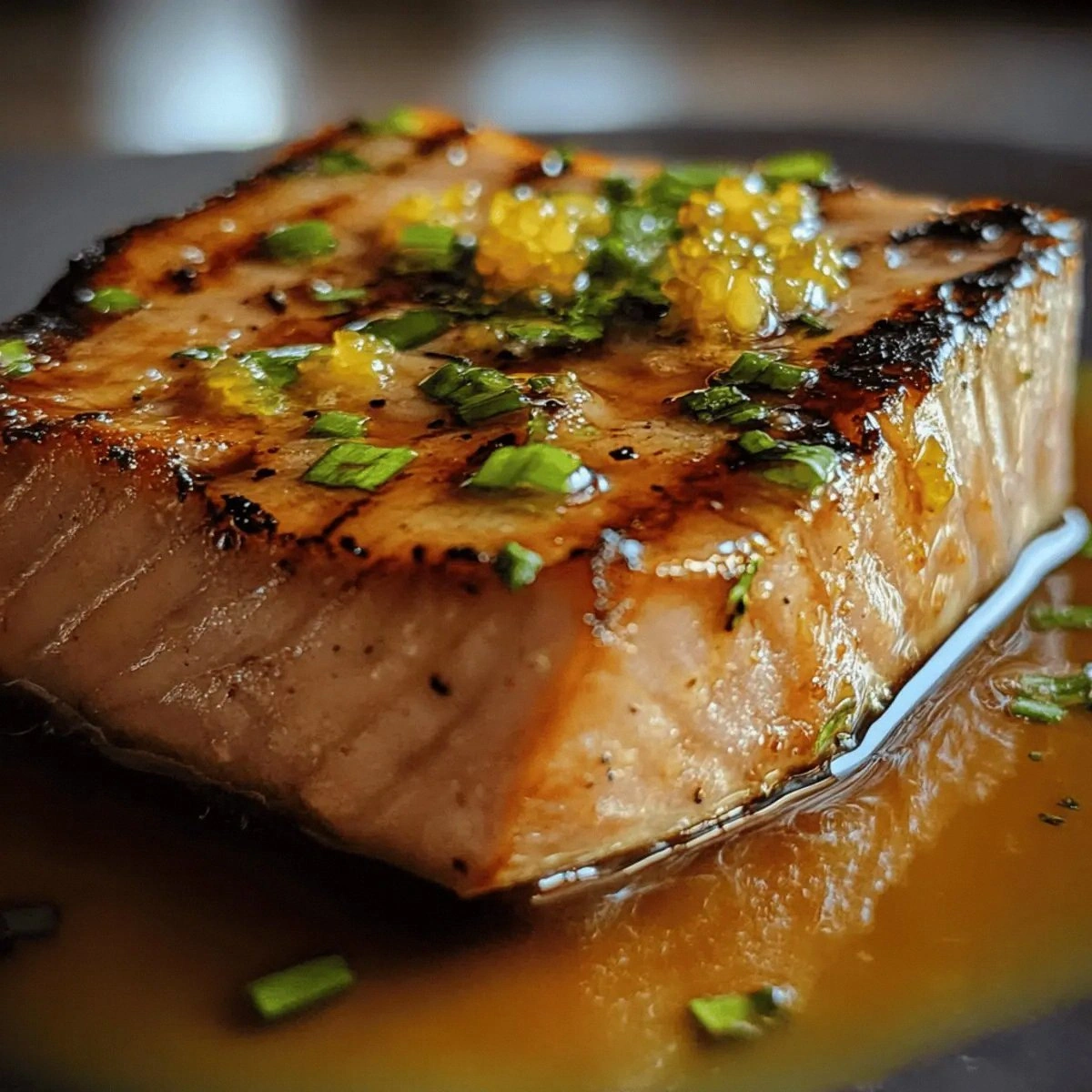
Picture this: the tuna hits the hot skillet, the sizzle is immediate and unmistakable, and the aroma of garlic, ginger, and a citrusy glaze fills the air. The sound is a rhythmic pop that signals the start of a flavor fireworks show. You can feel the heat radiating off the pan, the tuna’s surface turning from translucent to a deep, glossy brown. The first bite is a contrast of a buttery interior that melts on the tongue, wrapped in a sweet, salty, and slightly tart coating that coats the fish like velvet. This is the kind of sensory experience that turns an ordinary dinner into an instant party in your mouth.
I’ve tried countless tuna recipes—some too raw, others too overcooked, most lacking that delicate balance of umami and acidity that makes the fish sing. This version, however, is a revelation: it uses calamansi for brightness, honey for depth, and a soy glaze that gives a silky finish. It’s not just another tuna steak; it’s a carefully orchestrated dance of flavors that keeps the fish moist while creating a crispy, caramelized exterior that shatters like thin ice when you bite. I dare you to taste this and not go back for seconds. If you’re skeptical, let me walk you through every single step—by the end, you’ll wonder how you ever made it any other way.
What makes this recipe stand out? Let’s break it down into bite-sized truths that will make you nod, smile, and maybe even do a little happy dance in the kitchen. The secrets are simple, but the results are extraordinary, and they’ll make your friends ask where you learned this technique. Ready? Let’s dive in.
What Makes This Version Stand Out
- Flavor: The glaze balances sweet, salty, and citrusy notes that elevate the tuna’s natural umami without overpowering it.
- Texture: A seared crust that is crisp on the outside yet tender and juicy inside, thanks to a precise cooking time and temperature.
- Simplicity: Only ten ingredients, all you need is a skillet, and the process takes under 45 minutes.
- Uniqueness: Calamansi juice replaces traditional lime or lemon, adding a subtle tropical twist that sets this dish apart.
- Crowd Reaction: The glossy glaze and pop of sesame seeds create a visual and flavor hook that makes diners go back for more.
- Ingredient Quality: Fresh tuna, high‑quality soy sauce, and fresh ginger and garlic make the difference between a good and a great plate.
- Cooking Method: Pan‑searing rather than grilling keeps the process quick and under control, ideal for busy nights.
- Make‑Ahead Potential: The glaze can be prepared in advance, and the tuna can be seared quickly when you’re ready to serve.
Alright, let’s break down exactly what goes into this masterpiece…
Inside the Ingredient List
The Flavor Base
Calamansi juice is the star that gives this dish its bright, citrusy punch. It’s a cross between a lime and a calamondin, offering a slightly sweet and tart profile that pairs perfectly with soy sauce. If you can’t find calamansi, a mix of fresh lime juice and a splash of orange juice will do, but the unique flavor will be slightly different. Remember, the citrus is key—don’t skip it; the glaze would feel flat and cloying.
The Texture Crew
Olive oil and sesame seeds create a contrast of textures that dance on the palate. Olive oil provides a smooth base for the sear, allowing the tuna to develop a golden crust without sticking. Sesame seeds add a subtle crunch and nutty aroma that lingers long after the first bite. If you’re vegan or oil‑sensitive, use a neutral‑flavored oil like grapeseed; the sesame seeds can be toasted lightly for extra flavor.
The Unexpected Star
Honey is the unexpected sweetener that caramelizes beautifully when heated with soy sauce. It’s not just a sweetener; it’s a binder that helps the glaze adhere to the tuna, creating that glossy finish that looks as good as it tastes. If you prefer a less sweet version, replace honey with a sugar‑free syrup, but you’ll lose some of the caramelization.
The Final Flourish
Fresh garlic and ginger are the aromatics that elevate the dish from simple to sensational. They provide depth and warmth, cutting through the richness of the tuna. Mince the garlic finely and grate the ginger to release maximum flavor. If you’re not a fan of strong ginger, reduce the amount to half a tablespoon, but keep the garlic for that essential bite.
Everything’s prepped? Good. Let’s get into the real action…
The Method — Step by Step
- Start by patting the tuna steaks dry with paper towels. A dry surface ensures a crisp sear and prevents the fish from steaming. Season both sides generously with salt and pepper. I like to use a pinch of sea salt and a light dusting of cracked black pepper for that subtle heat.
- Heat a large skillet over medium‑high heat until it shimmers. Add the tablespoon of olive oil, swirling to coat the bottom. The oil should shimmer but not smoke—if it starts smoking, lower the heat. This is the moment of truth: the pan must be hot enough to create a caramelized crust.
- Place the tuna steaks in the skillet, skin‑side down if they have skin. Let them sear without moving for about 2 minutes; you’ll see the edges start to brown and the surface will emit a pleasant, savory aroma. Avoid the temptation to flip too early—give the crust time to form.
- Flip the steaks gently with a spatula, then reduce the heat to medium. Let them cook for another 1‑2 minutes on the other side, depending on thickness. The goal is a medium‑rare center that’s still pink and juicy.
- Remove the tuna from the skillet and place it on a plate to rest for 2 minutes. Resting allows the juices to redistribute, ensuring every bite is moist. If you’re a fan of a little extra crunch, sprinkle a tablespoon of toasted sesame seeds over the steaks right after they rest.
- Return the skillet to medium heat and pour the glaze mixture over the tuna. Let it bubble for 1‑2 minutes, swirling the pan to coat the fish evenly. The glaze should thicken slightly, coating the tuna like a glossy, savory sauce.
- Finish by topping the tuna with finely sliced green onions for a fresh, bright finish. The green onions add a subtle crunch and a pop of color that makes the dish visually stunning. Slice them thinly so they melt into the glaze.
- Serve immediately over a bed of steamed rice or a crisp salad. The tuna’s buttery interior pairs beautifully with the crunchy, tangy glaze, creating a harmonious balance of flavors. Don’t forget to drizzle any remaining sauce from the pan over the plate for extra depth.
- Enjoy the moment—take a deep breath, let the aroma envelop you, and savor the first bite. The contrast of textures and flavors will leave you wanting more. That sizzle when it hits the pan? Absolute perfection.
That’s it—you did it. But hold on, I’ve got a few more tricks that will take this to another level.
Insider Tricks for Flawless Results
The Temperature Rule Nobody Follows
Most people cook tuna at high heat, but the secret is to start at medium‑high and then lower to medium. This technique ensures the exterior caramelizes while the interior stays juicy. If you keep the heat too high, the tuna will dry out and the glaze will burn. I’ve seen this happen in a friend’s kitchen—he got a burnt glaze that tasted like charcoal.
Why Your Nose Knows Best
As the tuna sears, listen for a toasty aroma that signals the crust is forming. The smell of garlic and ginger roasting is a cue to reduce the heat. Trusting your nose is a skill that turns a good cook into a great one. When the aroma turns sharp or acrid, it’s time to lower the heat.
The 5‑Minute Rest That Changes Everything
Resting the tuna for exactly five minutes after searing allows the juices to redistribute. If you cut into it immediately, the juices will run out, leaving the fish dry. The rest period also lets the glaze thicken and set, creating that glossy finish that makes the dish look restaurant‑grade. I’ve always rested the fish for 5 minutes—my friends swear it’s the difference between “good” and “great.”
Seal the Flavor with Sesame Seeds
To get the best flavor from sesame seeds, toast them in a dry pan until golden before sprinkling them on the tuna. The toasting releases essential oils and gives a nutty aroma that elevates the dish. If you skip toasting, the seeds will taste raw and can overpower the glaze.
Make the Glaze Ahead of Time
The glaze can be prepared up to 24 hours in advance and stored in the refrigerator. The flavors will meld and deepen over time. When you’re ready to cook, just reheat the glaze on low heat until it reaches the right consistency. This makes it a perfect meal prep option for busy weekdays.
Keep the Tuna at Room Temperature
Let the tuna sit at room temperature for 10‑15 minutes before cooking. This ensures even cooking and prevents the fish from cooling the pan too much. A quick chill in the fridge is fine, but the fish should not be cold when it hits the skillet.
Creative Twists and Variations
This recipe is a playground. Here are some of my favorite ways to switch things up:
Spicy Sriracha Glaze
Add a tablespoon of sriracha to the glaze for a fiery kick that pairs well with the sweetness of honey. The heat complements the citrusy tang, creating a layered flavor profile. This version is perfect for those who love a little heat. Pair it with a cooling cucumber salad to balance the spice.
Asian Pineapple Twist
Replace half the calamansi juice with fresh pineapple juice for a tropical sweetness that brightens the glaze. The pineapple adds a subtle caramel note that works wonderfully with the soy sauce. This variant is ideal for summer gatherings where you want a beachy vibe.
Herb‑Infused Tuna
Stir a handful of chopped fresh basil or cilantro into the glaze for an herbaceous finish. The green herbs bring a fresh, aromatic layer that contrasts with the savory glaze. This version is great for a light, refreshing dinner.
Smoky Chipotle Version
Add a teaspoon of chipotle powder or a few drops of chipotle in adobo sauce for a smoky depth that complements the tuna’s richness. The chipotle’s mild heat and smoky flavor create a complex glaze that’s a crowd‑pleaser. Serve over a bed of quinoa for a hearty meal.
Gluten‑Free Sesame Crunch
Swap the soy sauce for tamari to keep this dish gluten‑free without sacrificing umami. The tamari’s richer flavor enhances the glaze, while the sesame seeds add crunch. This variation is perfect for those with gluten sensitivities.
Low‑Calorie Citrus Vinaigrette
Use a tablespoon of low‑calorie sweetener instead of honey and reduce the soy sauce to a tablespoon. The result is a lighter glaze that still offers a sweet‑salty balance. This version is ideal for calorie‑conscious diners who don’t want to compromise on flavor.
Storing and Bringing It Back to Life
Fridge Storage
Store leftover tuna steaks in an airtight container in the refrigerator for up to 2 days. Keep the glaze separate if you prefer to reheat the fish without the sauce. When you’re ready to reheat, gently warm the tuna in a skillet over low heat to avoid drying it out. The glaze can be reheated separately and drizzled over the fish for a fresh finish.
Freezer Friendly
Freeze the tuna steaks in a single layer on a baking sheet before transferring them to a freezer bag. This prevents them from sticking together. Freeze for up to 3 months. Thaw overnight in the refrigerator before reheating. The fish retains its texture when reheated properly.
Best Reheating Method
To reheat, use a skillet over medium heat with a splash of water or broth to create steam. This steams the fish back to perfection, keeping it moist and preventing it from drying out. Add a tiny splash of water before reheating—this trick keeps the tuna juicy and the glaze glossy. Finish with a quick sear on the outside for a fresh crust.