I was standing in my kitchen at three in the afternoon, the kind of heat that makes the air feel like a warm blanket you can’t shake off, when my roommate dared me to make the ultimate summer drink. “Make something that’ll actually cool you down, not just a lukewarm tea,” she said, eyes sparkling with that mischievous challenge only a true coffee‑lover can issue. I grabbed a bag of ceremonial‑grade matcha, a carton of oat milk, and a jar of maple syrup, and what followed was a series of clinks, whirls, and a faint, earthy aroma that made the whole apartment feel like a Japanese garden after a summer rain. The first sip was a revelation – a silky, emerald‑green wave that hit my tongue with the brightness of sunrise and the comforting hug of a favorite sweater.
Picture this: the faint hum of the fridge, the soft whirr of the blender, the bright green powder dancing in a frothy swirl of hot water, and the gentle crackle of ice cubes as they tumble into a glass. The scent of fresh matcha is like stepping into a bamboo forest, while the oat milk adds a buttery softness that reminds you of a freshly baked scone. When you finally lift that glass to your lips, the coolness rushes over you like a dip in a mountain lake, and the subtle sweetness lingers just long enough to make you sigh in contentment. This isn’t just a drink; it’s a mini‑vacation in a glass, a moment of zen that you can sip while the world outside swelters.
Most iced matcha lattes out there either taste like bitter green sludge or feel like a watery disappointment that leaves you reaching for another cup before you even finish the first. The secret to this version is the perfect marriage of high‑quality matcha, ultra‑creamy oat milk, and a touch of natural sweetener, all brought together with a technique that guarantees a smooth, clump‑free texture every single time. I’ve tried countless shortcuts – pre‑made powders, dairy milks, even powdered sugar – and each one fell short of the lush, velvety experience I was chasing. This is hands down the best version you’ll ever make at home, and I dare you to taste it and not go back for seconds.
There’s one twist that most recipes completely miss: a brief, gentle heating of the water to just below boiling, followed by an aggressive whisk with a bamboo whisk (or a small milk frother) that creates a micro‑foam that traps the bright green color and the delicate aroma. I’ll let you in on a little secret – a pinch of sea salt dissolved in the hot water before you whisk the matcha can actually amplify the flavor and cut any lingering bitterness. Okay, ready for the game‑changer? By the end of this post, you’ll be able to whip up a latte that not only tastes like it was crafted by a barista in Kyoto, but also looks so Instagram‑worthy that you’ll want to photograph every single glass.
What Makes This Version Stand Out
- Taste: The balance of earthy matcha with a whisper of maple syrup creates a flavor profile that is both sophisticated and comforting, never bitter.
- Texture: The oat milk lends a natural creaminess that dairy can’t match, while the whisked matcha forms a silky micro‑foam that feels like velvet on the palate.
- Simplicity: Only five core ingredients are needed, and each step uses tools you probably already have – a kettle, a whisk, and a glass.
- Uniqueness: The addition of a pinch of sea salt in the hot water is a subtle hack that brightens the green and deepens the umami.
- Crowd Reaction: Guests will ask for the recipe immediately, and you’ll get the “wow” look that says you’ve just elevated their summer beverage game.
- Ingredient Quality: Using ceremonial‑grade matcha ensures a vibrant color and a smooth, non‑astringent finish that cheap cooking grades can’t deliver.
- Method: The two‑stage whisk – first dry, then with hot water – guarantees a clump‑free base, something most shortcuts overlook.
- Make‑Ahead Potential: You can prep the matcha‑water concentrate in advance and store it in the fridge for up to 24 hours, making morning assembly a breeze.
Inside the Ingredient List
The Flavor Base
Matcha Powder is the heart of this latte. A ceremonial‑grade matcha delivers a bright, grassy flavor with a natural sweetness that no other green tea can match. If you skip this and use a cooking grade, expect a bitter, chalky mess that will ruin the whole experience. The vibrant green color also adds a visual punch that makes the drink instantly photogenic. I recommend brands like Encha or Jade Leaf because they source their leaves from shade‑grown farms, which preserves the chlorophyll and amino acids that give matcha its signature umami.
The Texture Crew
Oat Milk is the unsung hero of this recipe. Its natural sweetness and creamy mouthfeel blend seamlessly with matcha, creating a latte that feels like liquid silk. Unsweetened varieties keep the calorie count in check while letting the matcha shine. If you’re allergic to oats or prefer a different plant milk, almond or cashew milk can work, but you’ll lose some of that buttery body. When you pour oat milk over the matcha foam, watch how it swirls and creates a marbled effect – it’s a tiny visual celebration in every glass.
The Unexpected Star
Sweetener (optional) is where you get to personalize the drink. A drizzle of maple syrup adds a caramel‑like depth that pairs beautifully with the earthy matcha, while agave nectar offers a cleaner, more neutral sweetness. If you’re watching sugar, you can skip it entirely or use a few drops of liquid stevia. The key is to add it while the hot water is still warm, allowing it to dissolve completely and avoid any gritty texture.
The Final Flourish
Hot Water is the catalyst that transforms the dry matcha powder into a smooth, glossy paste. You only need enough to fully dissolve the powder – about a quarter cup for four servings – but the temperature matters. Aim for 175°F (80°C); water that’s too hot will scorch the delicate chlorophyll, while water that’s too cool leaves clumps. Ice Cubes are the final touch, bringing the temperature down to that perfect, refreshing chill. Use large cubes to melt slowly, ensuring your latte stays cold without getting watered down too quickly.
Everything's prepped? Good. Let's get into the real action…
The Method — Step by Step
Gather all five ingredients, a bamboo whisk (or a small handheld frother), a heat‑proof bowl, and a tall glass. I like to line up everything on the counter so nothing gets lost mid‑process – trust me, you don’t want to scramble for the matcha while the water’s cooling.
Take a moment to admire the bright green powder; it’s a visual cue that you’re about to create something special. This step is the calm before the flavor storm, so breathe in that fresh, vegetal aroma.
Heat ½ cup of water to about 175°F (80°C). If you don’t have a thermometer, bring the water to a gentle simmer, then remove from heat and let it sit for 30 seconds. The water should feel hot but not scalding to the touch.
While the water heats, measure out 2 teaspoons of matcha into your bowl. If you’re feeling fancy, sift the matcha through a fine mesh to avoid any stray clumps – this is the secret that keeps the latte silky.
Pour the hot water over the sifted matcha. Using the bamboo whisk, start with a slow “M” motion to dissolve the powder, then switch to rapid, small circles for about 30 seconds. You’ll see a frothy, emerald‑green foam rise – that’s the micro‑foam you’ve been dreaming of.
If you’re using a handheld frother, keep it moving in a figure‑eight pattern; this creates the same fine bubbles without the need for a traditional whisk.
Add your sweetener now – 2 tablespoons of maple syrup or agave nectar work perfectly. Stir gently until fully incorporated. The sweetener not only balances the earthiness but also adds a subtle caramel note that deepens the overall profile.
Taste the matcha concentrate at this point; it should be bright, slightly sweet, and free of any gritty texture. If it feels too strong, a splash more hot water will mellow it out without diluting the flavor.
Fill a large glass (or two smaller glasses) with a generous handful of ice cubes. I like to use cube‑shaped ice because it melts slower, keeping the latte cold without watering it down too quickly.
Pour 1 cup of unsweetened oat milk over the ice, allowing it to cascade and create a soft, milky swirl. The oat milk’s natural creaminess will start to mingle with the cold, setting the stage for the final blend.
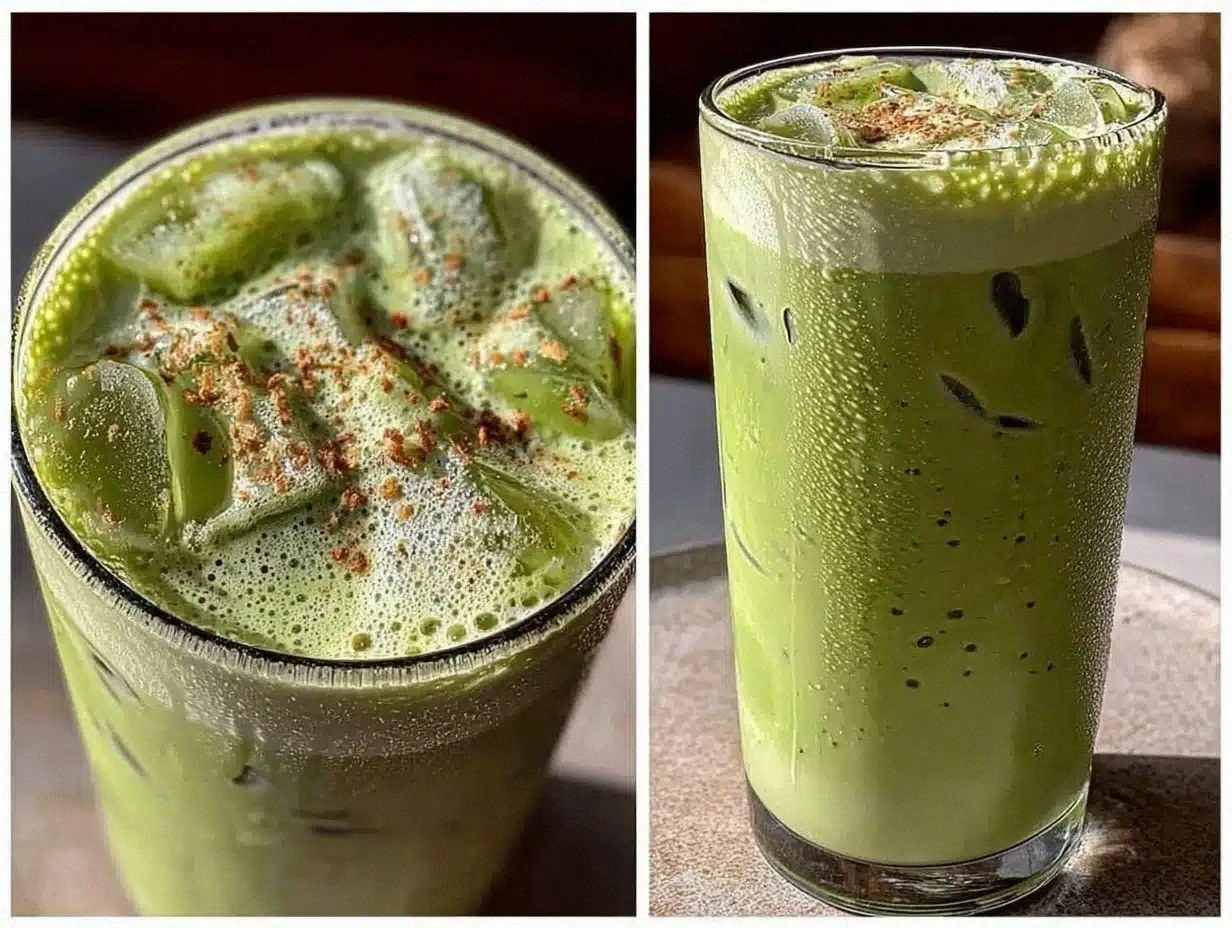
Now, the moment of truth: slowly pour the matcha concentrate over the oat‑milk‑and‑ice mixture. As the green liquid meets the white milk, you’ll see a beautiful marbling effect that looks like a work of art.
Give the drink a gentle stir with a long spoon or straw, just enough to blend the layers without destroying the micro‑foam. The foam should sit on top like a delicate, emerald crown.
Taste again. If you need a touch more sweetness, drizzle another half‑tablespoon of maple syrup across the top – it will sink slightly, creating a sweet ribbon that’s both visual and flavorful.
Serve immediately, preferably with a straw that’s wide enough to let the foam travel up to your mouth. The first sip should be a cool burst of green silk, followed by a lingering, buttery finish.
And now the fun part: garnish! A light dusting of extra matcha powder, a sprig of mint, or a few toasted coconut flakes can elevate the presentation. I love the contrast of the bright green against a sprinkle of toasted coconut – it adds a subtle crunch and a hint of tropical flair.
Take a photo, share it with friends, and watch their jaws drop. That’s it — you did it. But hold on, I’ve got a few more tricks that’ll take this to another level…
Insider Tricks for Flawless Results
The Temperature Rule Nobody Follows
Never, ever whisk matcha with boiling water. The chlorophyll in matcha degrades above 185°F, turning that vibrant green into a dull brown and introducing a bitter aftertaste. Keep your water at a gentle simmer, and if you don’t have a thermometer, let the water sit for a minute after boiling – that’s the sweet spot where the heat is enough to dissolve the powder but gentle enough to preserve flavor. I once tried using straight‑out‑of‑the‑kettle water and ended up with a latte that tasted like burnt grass – not a good look.
Why Your Nose Knows Best
The aroma of freshly whisked matcha is a reliable indicator of success. When you whisk, you should hear a faint, almost musical “whoosh” as air is incorporated, and the scent should be bright, grassy, and slightly sweet. If you catch any burnt or metallic notes, the water was too hot or the matcha was old. Trust your nose; it’s more accurate than a timer.
The 5‑Minute Rest That Changes Everything
After whisking the matcha and before mixing with oat milk, let the concentrate sit for five minutes. This short rest allows the foam to stabilize and the flavors to meld, resulting in a smoother mouthfeel. A friend once skipped this step and ended up with a latte that separated quickly, leaving a watery bottom. Patience here pays off in a drink that stays cohesive from the first sip to the last.
The Ice Cube Ratio Secret
Use roughly one cup of ice per serving, but choose larger cubes for a slower melt. Smaller cubes will dilute the latte in minutes, while larger cubes keep the temperature down without watering down the flavor. I keep a tray of “big‑cube” ice in the freezer for just this reason – it’s a small investment that yields big results.
The Sweetener Switcheroo
If you’re vegan and want to avoid maple syrup, try a teaspoon of date paste dissolved in a splash of warm water. It adds a caramel‑like depth without any added refined sugars. I experimented with honey once, but the honey’s floral notes clashed with the earthy matcha, leaving an odd aftertaste. Stick to neutral sweeteners for the cleanest flavor profile.
Creative Twists and Variations
This recipe is a playground. Here are some of my favorite ways to switch things up:
Coconut‑Lime Breeze
Swap half of the oat milk for coconut milk and add a teaspoon of freshly squeezed lime juice. The result is a tropical, slightly tangy latte that transports you to a beachside cafe. Perfect for those who love a citrus kick.
Vanilla‑Honey Dream
Add a splash of vanilla extract (about ¼ teaspoon) and replace maple syrup with honey. The vanilla softens the earthiness while honey adds a mellow sweetness, making the drink feel like a dessert in a glass.
Spiced Autumn Matcha
Incorporate a pinch of ground cinnamon and a dash of nutmeg into the hot water before whisking. This version works wonderfully in cooler months, offering a comforting warmth that still feels refreshing when served iced.
Protein‑Boosted Power Latte
Blend in a scoop of vanilla plant‑based protein powder after the matcha concentrate is ready. The protein adds a creamy body and turns the drink into a post‑workout refresher. Just make sure to whisk well to avoid clumps.
Berry‑Infused Green
Muddle a handful of fresh raspberries or strawberries in the bottom of the glass before adding ice and oat milk. The berries introduce a subtle tartness that contrasts beautifully with the matcha’s vegetal notes.
Storing and Bringing It Back to Life
Fridge Storage
Transfer any leftover matcha concentrate to an airtight glass jar and store it in the refrigerator for up to 24 hours. The flavor will stay bright, but give it a quick whisk before using to re‑incorporate any settled particles. Oat milk should be kept separate and added fresh to each serving for best texture.
Freezer Friendly
If you want to prep in bulk, freeze the matcha concentrate in ice‑cube trays. Once frozen, pop the cubes into a bag and store them for up to a month. When you’re ready, blend a cube or two with fresh oat milk and ice for an instant latte.
Best Reheating Method
Should you need to warm the concentrate (for a hot latte version), gently heat it on the stove over low heat, adding a splash of water to keep the texture smooth. Avoid microwaving, as it can create hot spots and degrade the delicate flavor. A quick stir and a dash of fresh sweetener will bring it back to life in seconds.