I'll be honest — I used to think chicken thighs were the boring cousin at the family barbecue. Everyone fawned over brisket and ribs while the thighs sat there like wallflowers, waiting for someone to notice their potential. That all changed one fateful Saturday when my smoker died mid-cook and I had to MacGyver my way through the most incredible smoked chicken thighs of my life. What started as a kitchen disaster became my signature dish, the one friends beg me to bring to every gathering.
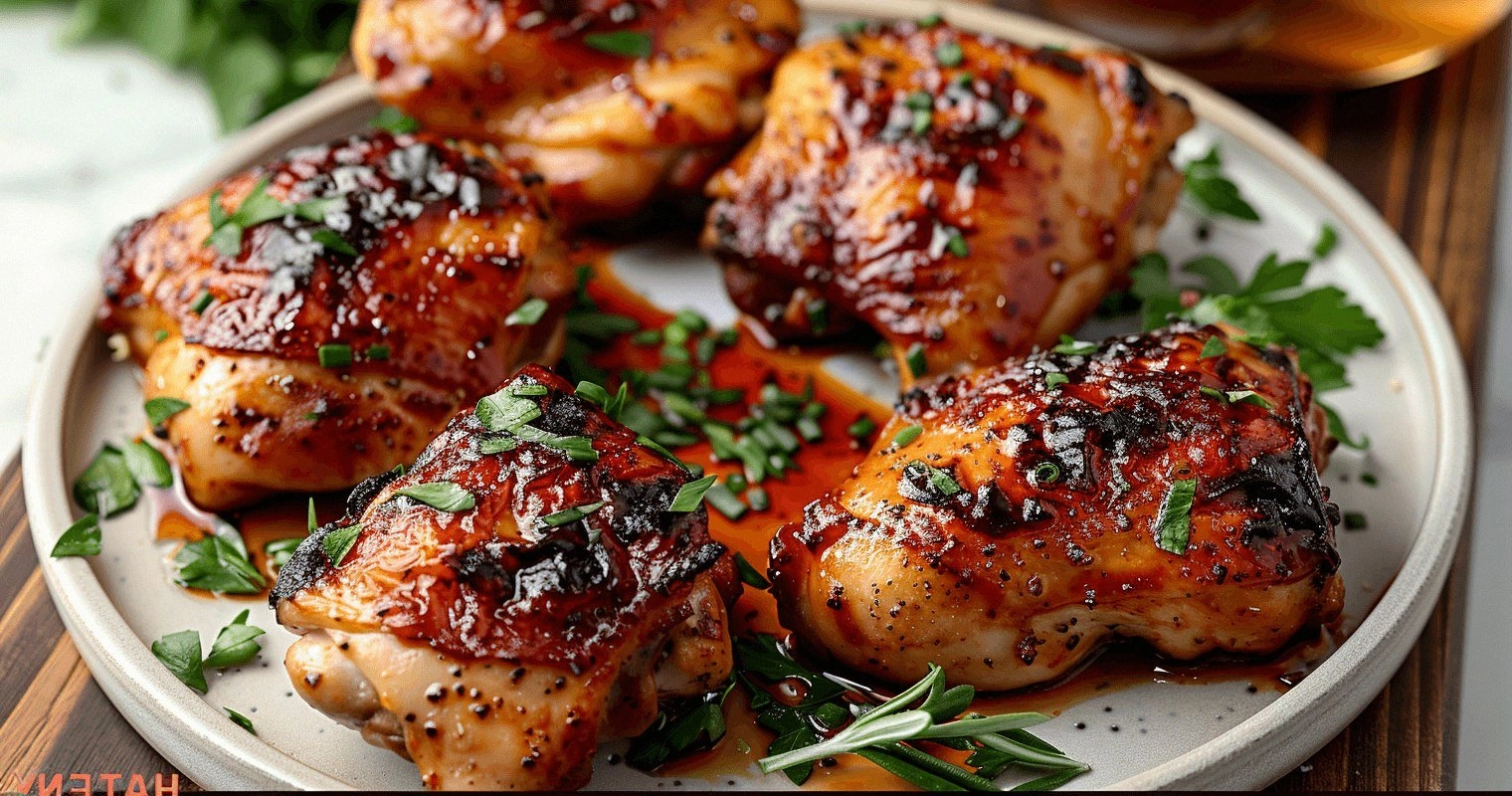
Picture this: it's 2 AM, I'm standing in my backyard in mismatched socks, using a broken hair dryer to keep the coals alive because my electric smoker gave up the ghost. The smell of hickory smoke mingled with panic as I nursed those thighs through the night like they were my own children. When dawn broke and I finally pulled them off the makeshift grill, the mahogany skin crackled like autumn leaves, revealing meat so juicy it could make a grown man weep. My neighbor — a retired pitmaster who never compliments anyone — took one bite and silently nodded before going back for thirds.
Here's the thing about smoked chicken thighs that most recipes get completely wrong. They treat them like chicken breasts with a longer cooking time, which is culinary malpractice. Thighs are the dark meat rebels of the poultry world — they're begging for bold flavors, patient smoke, and temperatures that would turn breasts into shoe leather. When you nail the technique (which I'm about to hand you on a silver platter), you get meat that's simultaneously tender and chewy, with rendered fat that bastes the meat from the inside out.
The secret weapon? A dry brine that works overnight magic, transforming ordinary supermarket thighs into something that tastes like it came from a Memphis barbecue joint. I'm talking about meat so flavorful that you'll find yourself sneaking pieces straight from the cutting board, burn-be-damned. If you've ever struggled with dry, bland chicken or smoke that tastes like an ashtray, you're not alone — and I've got the fix that'll change your barbecue game forever.
What Makes This Version Stand Out
Flavor Bomb Brine: We're not just seasoning the surface here. My overnight dry brine penetrates deep into the meat, carrying smoke-loving spices all the way to the bone. The result? Every bite tastes like it's been marinating in a smokehouse for a week. Crispy Skin Magic: Most smoked chicken comes out with rubbery skin that could double as a yoga mat. My technique renders the fat slowly while a final blast of heat creates shatteringly crisp skin that crackles like thin ice under your teeth. Foolproof Temperature Control: Forget everything you know about chicken hitting 165°F. We're taking these thighs to 185°F, where collagen breaks down into gelatin, creating that spoon-tender texture that makes people close their eyes when they eat it. Smoke Ring Perfection: That gorgeous pink halo isn't just for show — it's a badge of honor that tells everyone you know what you're doing. My method guarantees a smoke ring so pronounced it looks photoshopped. Make-Ahead Champion: These thighs actually taste better the next day, making them perfect for game day prep or busy weeknight dinners. Just reheat them in a covered pan with a splash of apple juice and they'll be even juicier than fresh. Crowd-Pleasing Economics: While everyone's fighting over expensive brisket, you're buying the cheapest, most forgiving cut in the meat case. Your wallet stays fat while everyone raves about the best barbecue they've ever had.Alright, let's break down exactly what goes into this masterpiece...
Inside the Ingredient List
The Flavor Base
These aren't your average supermarket chicken thighs — or maybe they are, but we're going to transform them into something extraordinary. I always buy bone-in, skin-on thighs because the bone conducts heat evenly and the skin becomes crispy bacon-like perfection. The fat cap under the skin renders slowly, creating natural basting that keeps the meat impossibly moist. Don't you dare reach for those boneless, skinless sadness nuggets — we're building flavor here, not stripping it away.
Kosher salt is your first weapon of choice, and I'm talking about a generous three-finger pinch per thigh. The larger crystals create tiny pockets where smoke can collect, while drawing moisture from the skin for maximum crispiness. Table salt won't cut it here — those fine grains just make everything taste like a salt lick. I learned this the hard way after ruining an entire batch with iodized salt that left everything tasting metallic and sad.
The Texture Crew
Brown sugar isn't just for sweetness — it's hygroscopic, meaning it pulls moisture from the air and creates a sticky surface that grabs onto smoke like Velcro. The molasses notes caramelize under heat, creating those gorgeous dark spots that tell everyone you're a serious pitmaster. I use dark brown sugar because it has more molasses, but light works in a pinch. Pro tip: if your brown sugar has turned into a rock, microwave it with a damp paper towel for 30 seconds.
Smoked paprika is where we cheat a little, adding smoky depth even before the meat hits the smoker. I prefer Spanish pimentón dulce for its complex, almost chocolatey notes, but regular smoked paprika works too. This isn't just about color — the paprika contains natural oils that bloom under heat, creating flavor compounds that make your kitchen smell like a Spanish tapas bar. If you can only afford one fancy spice, make it this one.
The Unexpected Star
Coffee grounds might sound weird, but hear me out — they add bitter complexity that balances the sweet elements while creating an incredible bark on the outside. I'm talking about used espresso grounds that have been dried on a paper towel, not fresh ones that'll make your chicken taste like a cup of joe. The caffeine actually helps the smoke penetrate deeper into the meat, something competition pitmasters have been keeping secret for years. Just trust me on this one — it doesn't taste like coffee, it tastes like magic.
The Final Flourish
Apple juice in a spray bottle becomes your secret weapon during the cook, adding moisture and a subtle sweetness that complements the smoke. I mix it with a splash of bourbon because alcohol helps carry fat-soluble flavors, plus it makes you feel like a fancy chef. The natural sugars in the juice create a gorgeous glaze during the final hour of smoking. Don't get carried away — a light mist every 45 minutes is plenty, or you'll wash off all your beautiful rub.
Everything's prepped? Good. Let's get into the real action...
The Method — Step by Step
- Trim and pat dry your chicken thighs like you're preparing them for a beauty pageant. Remove any excess fat that's hanging off, but leave that glorious skin intact — we're going to turn it into chicken bacon. The thighs should feel cold and slightly damp when you start; this helps the rub adhere better than if they're room temperature. I lay them out on paper towels and press down firmly, rotating to a dry spot until no more moisture appears. This step isn't optional — wet chicken won't develop that beautiful bark we're after.
- Mix your dry brine with the focus of a chemist — kosher salt, brown sugar, and all your spices in perfect harmony. I use a ratio of 2:1 salt to sugar, then add enough paprika to make it look like I'm making fake blood for a horror movie. The coffee grounds go in last, and I crumble them between my fingers to distribute evenly. This rub should smell like a campfire in a spice cabinet, complex and slightly dangerous. Taste it — it should make your tongue tingle with anticipation, not burn like a chili challenge.
- Apply the rub like you're giving the chicken a luxurious spa treatment, massaging it into every nook and cranny. Get under the skin where you can — use a gloved finger to separate it from the meat, creating pockets for flavor. The thighs should look like they've been rolling around in autumn leaves, completely coated but not caked. I place them on a wire rack set over a sheet pan, making sure they don't touch — they need personal space for the magic to happen. Into the fridge they go, uncovered, for at least 8 hours but preferably overnight.
- Fire up your smoker while the chicken comes to room temperature — this prevents the outside from overcooking while the inside stays cold. I use a mix of hickory and apple wood, about 70/30, which gives that classic barbecue flavor with a sweet finish. The target temperature is 225°F, no exceptions, and use a probe thermometer because built-in gauges lie like politicians. While it heats, take the chicken out and let it sit on the counter — cold meat in a hot smoker equals tough, dry disappointment.
- Place the thighs skin-side up on the grate, spacing them like they're antisocial at a party — no touching allowed. Close the lid and don't open it for at least 90 minutes, no matter how tempted you are to peek. The smoke needs time to penetrate and create that gorgeous ring, and every time you open the lid you add 15 minutes to the cook time. I set a timer and walk away, maybe prep some sides or practice my acceptance speech for when everyone declares these the best thighs ever.
- After 90 minutes, spritz with your apple juice mixture — just enough to make the surface glisten, not dripping wet. The thighs should be starting to darken, and if you've done everything right, you'll see that beautiful pink smoke ring forming just under the surface. This is when the magic happens, when simple chicken transforms into something transcendent. I spray just enough to keep things moist, then close the lid quickly to maintain that precious smoke environment.
- Continue cooking until the internal temperature hits 175°F in the thickest part, which usually takes another 45-60 minutes depending on size. I start checking at the 2.5-hour mark, inserting the probe horizontally to avoid hitting bone. The thighs should feel jiggly when you poke them — that's the gelatin working its magic. If they're still firm, give them another 15 minutes and check again.
- Crank up the heat to 375°F for the final 15 minutes to render that skin into crispy perfection. This is where we separate the amateurs from the pros — high heat at the end creates a texture contrast that's absolutely addictive. The sugar in the rub will caramelize, creating dark spots that taste like meat candy. Don't walk away during this part — chicken can go from perfect to charcoal in minutes at this temperature.
- Rest the thighs on a clean wire rack for at least 10 minutes, tenting loosely with foil but leaving vents for steam to escape. This allows the juices to redistribute, preventing them from running out like a broken dam when you cut in. I know it's torture, but good things come to those who wait. The thighs will actually continue cooking slightly from residual heat, so pull them at 175°F knowing they'll coast to 180°F during the rest.
That's it — you did it. But hold on, I've got a few more tricks that'll take this to another level...
Insider Tricks for Flawless Results
The Temperature Rule Nobody Follows
Here's where most people trip up — they cook chicken like it's a delicate flower that'll die if it goes past 165°F. Dark meat laughs in the face of that nonsense. Collagen, that tough connective tissue, doesn't start breaking down into silky gelatin until 175°F, which is exactly why your thighs should hit 185°F before resting. I learned this from a competition barbecue legend who keeps his secret notebook locked tighter than Fort Knox. The difference between good and transcendent thighs is those extra 20 degrees that transform tough meat into spoon-tender perfection.
Why Your Nose Knows Best
Trust your sense of smell more than any thermometer — when the smoke starts smelling sweet and nutty instead of harsh and acrid, you're in the golden zone. This happens around the 90-minute mark and tells you that the lignins in the wood have broken down into vanillin and other aromatic compounds. My neighbor thought I was crazy when I told him I could smell when chicken was done, but now he texts me every time he nails it. The kitchen should smell like a campfire with marshmallows, not like someone's burning old newspapers.
The 5-Minute Rest That Changes Everything
Resting isn't just about patience — it's about physics. When meat cooks, the juices get forced toward the center by contracting proteins. During the rest, those proteins relax and reabsorb the moisture like a sponge. But here's the kicker — tent with foil too tightly and you steam off all that beautiful crispy skin. I balance a sheet of foil like a lean-to tent, leaving gaps for steam to escape while keeping the surface warm. A friend tried skipping this step once and served chicken that squirted juice across the table like a water gun — not exactly the dinner party conversation starter you're after.
The Smoke Wood Sweet Spot
Mixing woods isn't just for show-offs — it's flavor chemistry in action. Hickory provides that classic bacon-like smoke, but too much and your chicken tastes like an ashtray. Apple wood adds sweetness and helps the smoke ring develop, while cherry gives gorgeous color. I use a 60-30-10 ratio of hickory-apple-cherry, which creates complex flavors that make people ask "what's your secret?" The cherry especially helps develop that mahogany color that makes food photographers weep with joy.
Creative Twists and Variations
This recipe is a playground. Here are some of my favorite ways to switch things up:
Korean Fire Chicken Thighs
Replace the brown sugar with gochujang and honey, creating a sticky-sweet-spicy glaze that'll make your lips tingle in the best way. Add sesame oil and rice vinegar to your spray bottle, and finish with a sprinkle of toasted sesame seeds. The smoke mingles with the fermented chili paste to create umami bombs that'll have you licking your fingers shamelessly. I serve these with kimchi and lettuce wraps for a Korean-Mexican fusion that shouldn't work but absolutely does.
Mediterranean Herb Explosion
Swap the coffee for dried oregano and rosemary, creating a Greek-inspired profile that tastes like summer in Santorini. Use lemon juice in your spray bottle and finish with fresh oregano leaves that wilt slightly from the heat. The smoke adds depth to the herbs without overwhelming their bright, sunny character. These are incredible served with tzatziki and warm pita bread for a Mediterranean feast that'll transport you straight to a taverna.
Maple Bourbon Breakfast Thighs
Add maple syrup to your rub and bourbon to your spray for thighs that taste like Sunday morning at a Vermont bed and breakfast. The maple caramelizes into a sticky lacquer that's absolutely addictive on breakfast sandwiches. I serve these on biscuits with fried eggs and sharp cheddar for a breakfast that'll fuel you through anything. The smoke adds that campfire breakfast vibe that makes you want to put on flannel and chop wood.
Jamaican Jerk Madness
Replace all the spices with jerk seasoning — scotch bonnet powder, allspice, thyme, and that magical browning sauce that gives everything a mysterious depth. Use pineapple juice in your spray bottle for a tropical twist that balances the heat. The smoke mingles with the allspice to create something that tastes like Caribbean beach parties and reggae music. Fair warning: these pack serious heat, but the sweet pineapple glaze at the end creates an addictive pain-pleasure cycle.
Chinese Five-Spice Dreams
Add five-spice powder and star anise to your rub, creating complex flavors that taste like the best Chinese restaurant you've never been to. Use rice wine and soy sauce in your spray for umami depth that makes people close their eyes when they eat it. The smoke adds a campfire element to traditional Chinese flavors that's absolutely mesmerizing. These are incredible diced and tossed with noodles, vegetables, and a quick sauce for the best leftover transformation ever.
Buffalo Smoke Bomb
Mix buffalo seasoning into your rub and use Frank's RedHot in your spray bottle for thighs that taste like wing night got invited to a barbecue. The smoke adds depth to the vinegar-based hot sauce, creating layers of flavor that go way beyond regular wings. I finish these with a light blue cheese crumble that melts into the hot meat, creating pockets of creamy, tangy goodness. Serve with celery sticks and ranch for the full wing experience without any of the deep-fried guilt.
Storing and Bringing It Back to Life
Fridge Storage
Store leftover thighs in an airtight container with a paper towel underneath to absorb excess moisture — they'll keep for up to four days but honestly, they've never lasted more than two in my house. Don't stack them like pancakes; lay them in a single layer if possible, or separate layers with parchment paper. The skin won't stay crispy in the fridge, but we'll fix that during reheating. I always save the rendered juices from the resting pan — they're liquid gold for reheating or making incredible gravy.
Freezer Friendly
These thighs freeze beautifully for up to three months, making them perfect for meal prep or emergency barbecue cravings. Wrap each thigh individually in plastic wrap, then place in a freezer bag with as much air removed as possible. Label with the date because frozen chicken all looks the same after a month. The best part? They reheat from frozen without losing much quality, making them more convenient than takeout on busy weeknights.
Best Reheating Method
Skip the microwave unless you enjoy rubbery chicken that tastes like sadness. Instead, place thighs in a covered pan with a splash of chicken stock or apple juice, then heat at 300°F until warmed through — about 15-20 minutes for refrigerated, 30-35 for frozen. For the last five minutes, remove the cover and broil to re-crisp the skin. The result? Chicken that's almost as good as fresh from the smoker, with crispy skin and juicy meat that'll make you proud of your past self for making extras.