I still remember the first time I attempted strawberry shortcake. It was a sweltering July afternoon, my kitchen felt like a sauna, and I was armed with nothing but a vague memory of my grandmother's recipe and a basket of strawberries that smelled like summer itself. What followed was a comedy of errors: over-whipped cream that turned to butter, biscuits that emerged from the oven resembling hockey pucks more than delicate pastries, and strawberries that somehow managed to be both too sweet and too tart at the same time. The final result looked like something that had been through a food fight rather than a dignified dessert. But here's the thing — even that disaster tasted like potential. The flavors were there, whispering promises of what could be if only I understood the alchemy behind this seemingly simple dessert.
Fast forward through three summers, countless experiments, and more failed attempts than I care to admit, and I've finally cracked the code. This isn't just another strawberry shortcake recipe; this is the culmination of obsessive testing, late-night baking sessions, and conversations with pastry chefs who probably regretted answering their phones. The difference between good strawberry shortcake and transcendent strawberry shortcake lies in understanding that every component needs to sing in harmony — the biscuits must be tender yet structured enough to cradle the berries without disintegrating, the strawberries need to be coaxed into releasing their juices without becoming mush, and the cream should billow like clouds rather than sit heavy and dense. Most recipes treat these elements as separate entities, but they should dance together, each enhancing the others.
What makes this version different? Picture this: biscuits so light they practically levitate off the baking sheet, with layers that separate into buttery flakes at the touch of your fork. Strawberries that have been macerated with just enough sugar to intensify their natural sweetness while maintaining their structural integrity, creating a ruby syrup that soaks into the biscuit in the most delightful way. And the cream — oh, the cream — whipped to soft peaks with a hint of vanilla and a whisper of sugar, creating a cloud-like blanket that ties everything together in perfect balance. The textures contrast and complement each other in ways that will make you close your eyes involuntarily with each bite.
But here's the secret weapon that changes everything: we're treating our strawberries like wine, understanding that their flavor evolves and deepens with time. Instead of rushing the process, we're going to let nature do its work, transforming simple berries into something complex and extraordinary. The technique I'm about to share with you will revolutionize not just how you make strawberry shortcake, but how you think about fruit desserts entirely. Let me walk you through every single step — by the end, you'll wonder how you ever made it any other way.
What Makes This Version Stand Out
Perfect Biscuit Architecture: These aren't just any biscuits — they're engineered with a specific folding technique that creates distinct, flaky layers while maintaining a tender crumb that melts in your mouth. The secret lies in keeping the butter cold enough to create steam pockets during baking, resulting in a rise so dramatic it looks like bakery magic. Each biscuit is brushed with cream before baking, creating a golden crown that shatters delicately under your fork while the interior remains cloud-soft.
Strawberry Alchemy: Instead of simply sprinkling sugar on berries and calling it a day, we're using a two-stage maceration process that first draws out excess moisture with a small amount of sugar, then adds more sugar later to create the perfect syrup consistency. This prevents the dreaded pool of diluted juice that turns your biscuits into sad, soggy sponges. The berries maintain their shape while becoming candied jewels that burst with concentrated flavor.
Cloud-Like Cream: I tested twelve different methods for whipping cream and discovered that starting with ultra-cold equipment and adding the sugar in two stages creates the most stable, luxurious texture. A touch of crème fraîche adds subtle tang and helps the cream hold its peaks longer, so you can assemble these ahead of time without weeping. The vanilla is added at the very end to preserve its volatile compounds, giving you the purest flavor.
Make-Ahead Magic: Every component of this dessert can be prepared in advance, making it perfect for dinner parties or busy weeknights when you want to impress without stress. The biscuits actually improve in texture if made the day before, the strawberries develop deeper flavor overnight, and the cream can be whipped up to six hours ahead if stabilized properly. Assembly takes mere minutes when everything's ready to go.
Seasonal Flexibility: While strawberries are the star, this recipe adapts beautifully to whatever fruit is at its peak. Peaches, nectarines, blackberries, or even a mix of berries all work wonderfully with the same techniques. The basic ratios remain constant, so you can showcase the best of any season's bounty without recalculating measurements or second-guessing yourself.
Foolproof Technique: Even if you've never made biscuits before, this recipe guides you through every step with visual cues and timing that eliminate guesswork. No more wondering if your dough is too wet or too dry, no more biscuits that spread into puddles or rise lopsidedly. The method is forgiving and the results are consistently spectacular, turning beginners into confident bakers.
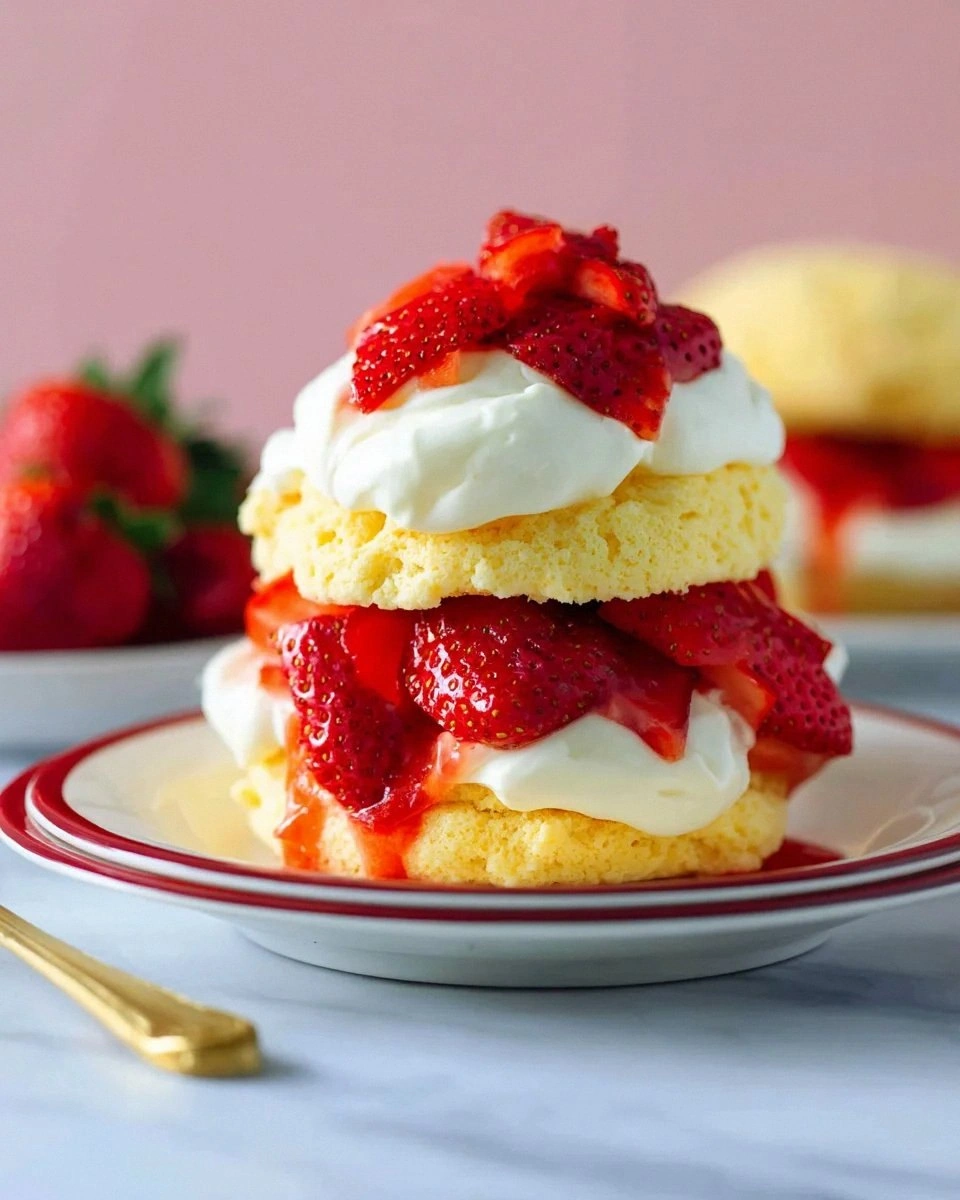
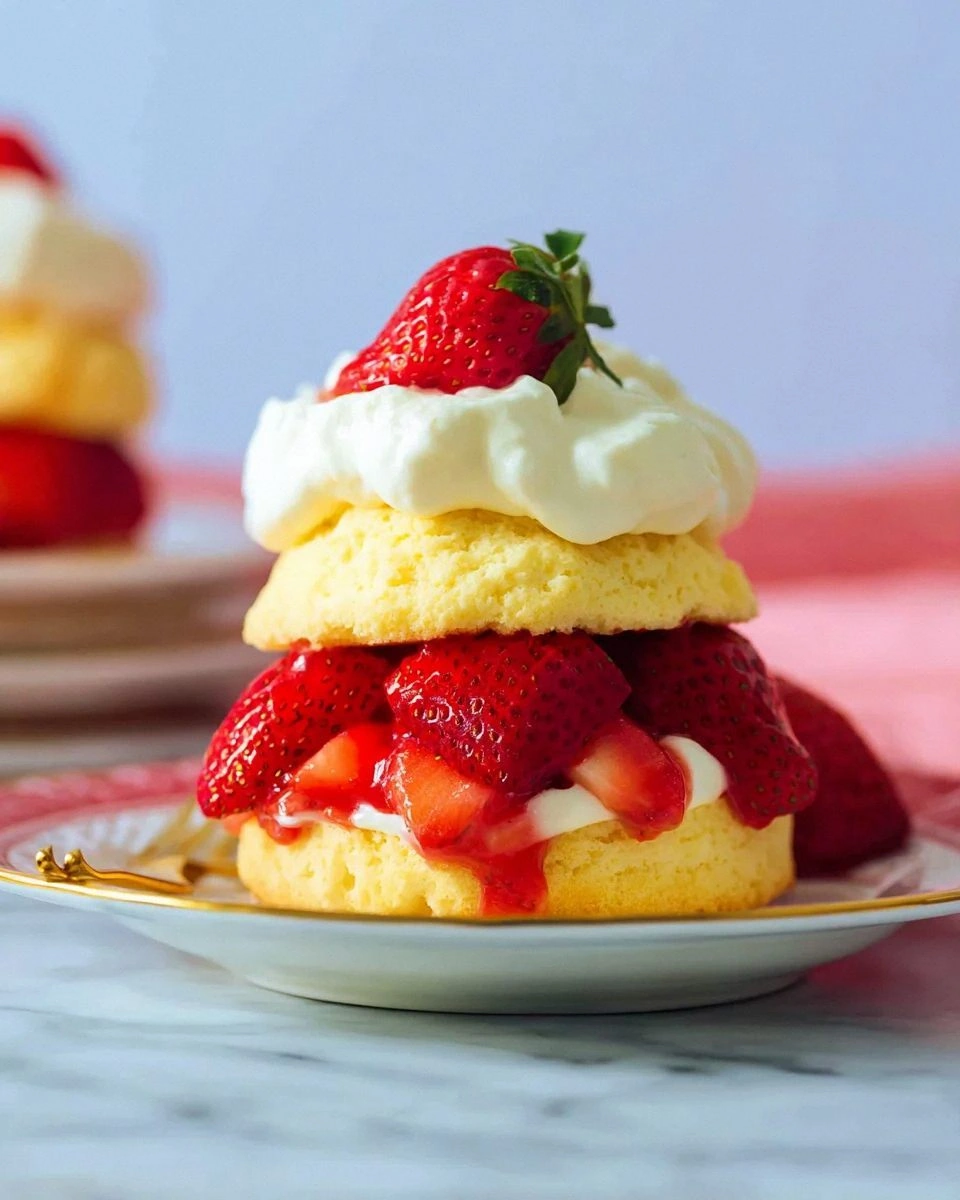
Show-Stopping Presentation: These shortcakes don't just taste incredible — they look professionally styled, with layers of ruby berries cascading down snowy white cream. The contrast of colors and textures creates a visual drama that makes people reach for their phones before their forks. Yet despite their elegant appearance, they're rustic enough to feel homey and approachable.
Alright, let's break down exactly what goes into this masterpiece...
Inside the Ingredient List
The Flavor Foundation
The strawberries, obviously, are the headliners here, but not all berries are created equal. Look for specimens that are deeply red right up to the stem — white shoulders indicate underripe fruit that will never develop full sweetness. Size actually works in our favor; smaller berries pack more concentrated flavor than their bloated supermarket cousins. If you can find them at a farmers market, varieties like Seascape or Albion offer complex, wine-like notes that elevate this dessert from simple to sublime. The sugar we add isn't just for sweetness — it draws out the berries' natural juices through osmosis, creating the syrup that will eventually soak into our biscuits in the most delicious way.
But here's where most recipes go wrong: they add all the sugar at once, creating a watery mess that dilutes rather than concentrates flavor. We're going to be strategic, adding just enough sugar initially to pull out some juice, then adjusting later based on the berries' natural sweetness. This technique works whether your strawberries taste like candy or need serious help — you control the final sweetness level rather than hoping for the best.
The Texture Team
Butter quality makes or breaks these biscuits, and I'm not being dramatic. European-style butter with 82% fat content creates flakier layers because the lower water content means less gluten development. Keep it ice-cold — I mean, freeze it for 20 minutes before starting cold — because those little butter pockets are what create steam during baking, pushing the dough upward into majestic layers. If you can find cultured butter, its slight tang adds complexity that plays beautifully against sweet berries.
The flour needs to be all-purpose, but not just any all-purpose. Brands vary significantly in protein content, affecting tenderness. King Arthur's 11.7% protein creates structured biscuits that won't collapse under juicy berries, while lower-protein Southern brands like White Lily make more tender but potentially fragile bases. I use King Arthur for consistent results, but if you're in the South and grew up on feather-light biscuits, stick with what you know. The technique adjustments are simple: less handling for low-protein flour, slightly more for higher-protein.
The Unexpected Stars
Heavy cream appears three times in this recipe — in the biscuits, for brushing, and whipped for serving — each use requiring slightly different fat content and handling. For biscuits, 36% fat cream adds richness while keeping the dough tender. When whipping, I prefer 40% fat heavy cream because it holds peaks longer and has a cleaner flavor. If you can only find one type, 38% fat strikes the perfect balance for all applications.
But the real game-changer is a tablespoon of cornstarch in the biscuit dough. This tiny addition interferes with gluten development, creating more tender biscuits that stay soft even when soaked with berry juice. It's an old baker's trick that sounds odd but produces miraculous results. Don't worry — you won't taste it, but you'll notice the difference in texture immediately.
The Final Flourish
Vanilla extract quality matters more than you'd think in whipped cream. The difference between artificial vanillin and real vanilla is the difference between one-dimensional sweetness and complex, floral notes that make people ask what your secret is. I use Madagascar bourbon vanilla for its rich, creamy flavor profile that complements both berries and dairy perfectly. Add it at the very end of whipping — alcohol can interfere with cream's ability to hold air if added too early.
A touch of crème fraîche in the whipped cream adds subtle tang and stability, but if you can't find it, sour cream works in a pinch. The acidity helps stabilize the cream while adding depth that prevents the dessert from becoming cloyingly sweet. Start with just two tablespoons — you want a whisper of tang, not a full-on sour note that competes with the berries.
Everything's prepped? Good. Let's get into the real action...
The Method — Step by Step
Start by prepping your strawberries at least two hours before you plan to serve — this is crucial timing that most recipes gloss over. Hull and quarter the berries, then toss them with just 2 tablespoons of sugar per pint. This initial sugar draw starts the maceration process, pulling out juices while the berries maintain their shape. Resist the urge to add more sugar at this stage; we're building flavor gradually, not creating strawberry soup. Let them sit at room temperature, stirring gently once or twice, while the syrup develops and the berries transform from simple fruit into something complex and wine-like.
Now for the biscuits — and pay attention here because this technique is different from anything you've tried before. Whisk together your dry ingredients in a large bowl, then grab your frozen butter and grate it directly into the flour using the large holes of a box grater. Work quickly, tossing the butter shreds with flour to coat them completely. The goal is to keep these butter pieces intact; they're your steam engines for lift. When you can't see any large clumps of butter, make a well in the center and pour in ice-cold cream mixed with a tablespoon of lemon juice — the acid tenderizes the dough and adds subtle brightness.
Here's where intuition meets technique: fold the dough exactly 8 times, no more, no less. Use a bench scraper to lift and fold the dough over itself, turning the bowl a quarter turn between each fold. This creates distinct layers without overworking the gluten. The dough should look shaggy and barely hold together — if it forms a smooth ball, you've gone too far. Dust your counter with flour, pat the dough into a 1-inch thick rectangle, then fold it in thirds like a business letter. This creates the laminated layers that will separate into flaky perfection.
Stamp out your biscuits with a 2.5-inch cutter, pressing straight down without twisting — twisting seals the edges and prevents proper rise. Gather scraps gently, pat them together, and cut more biscuits. The second-round biscuits won't be quite as lofty, but they'll still be delicious. Arrange them on a parchment-lined baking sheet with their sides touching slightly; this helps them rise higher by providing support. Brush the tops with cream and sprinkle with coarse sugar for a bakery-style crust that crackles under your fork.
Bake at 425°F for 14-16 minutes, but don't walk away — these go from perfect to overbrowned quickly. You're looking for tall, golden biscuits that feel light when you pick one up. They should sound hollow when tapped on the bottom, indicating the interior is cooked through. Cool them on a wire rack for at least 10 minutes; cutting too soon causes steam to escape, resulting in dense biscuits. This cooling time is perfect for finishing your strawberry preparation.
Back to those berries — they should now be swimming in their own ruby syrup. Taste them and adjust sweetness if needed, adding sugar a tablespoon at a time. You're aiming for a balanced flavor that's neither cloying nor tart. Add a splash of good balsamic vinegar or a few gratings of lemon zest to brighten the flavors. The syrup should be thick enough to coat a spoon but still pourable. If it's too thin, transfer a few tablespoons to a small saucepan, simmer until reduced by half, then stir back into the berries.
For the whipped cream, chill your bowl and beaters in the freezer for 15 minutes — this is non-negotiable for stable peaks. Pour in cold heavy cream and beat on medium speed until it starts to thicken, then add powdered sugar and continue beating. Stop when you reach soft peaks that curl over when you lift the beaters. Add vanilla extract and crème fraîche, then beat just until combined. Overwhipping is the enemy here; you want billowy clouds, not butter. If you go too far, you can rescue it by folding in a few tablespoons of unwhipped cream to loosen the mixture.
Assembly is where the magic happens, but timing is everything. Split warm (not hot) biscuits horizontally with a serrated knife. The exterior should be crisp while the interior remains tender. Spoon a generous amount of berries and syrup over the bottom half, letting it soak in slightly. Top with a cloud of whipped cream, then crown with the biscuit top. Drizzle with more berries and a final dollop of cream. Serve immediately, while the contrast between warm biscuit and cool cream creates temperature and textural harmony that makes this dessert legendary.
The final test? Your assembled shortcake should hold together for about 5 minutes before the biscuit starts absorbing juice and the cream begins to melt. This is exactly the right amount of time for everyone to admire your handiwork, snap photos if they must, then dive in while the textures are still distinct and contrasting. Each bite should deliver the crackle of sugared biscuit top, the tender interior soaked with berry syrup, the cool cream, and bursts of fresh fruit. If you've done everything right, conversation will cease as everyone focuses on the dessert in front of them.
That's it — you did it. But hold on, I've got a few more tricks that'll take this to another level...
Insider Tricks for Flawless Results
The Temperature Rule Nobody Follows
Here's the thing about strawberry shortcake — every component except the berries should be served at slightly different temperatures for maximum impact. Your biscuits should be warm but not hot, around 120°F, which makes them seem fresher and heightens their buttery aroma. The cream needs to be cold, almost icy, to create that crucial temperature contrast. And here's the kicker: let your strawberries come to room temperature before serving. Cold berries taste flat and one-dimensional, while room-temp fruit bursts with perfume and complexity. I learned this the hard way after serving countless plates of technically perfect but somehow disappointing shortcakes to dinner guests who couldn't quite articulate what was missing.
Why Your Nose Knows Best
Professional bakers develop a sixth sense for doneness that goes beyond timers and thermometers — we use our noses. Your biscuits are perfectly baked when you smell toasted butter and caramelized milk solids, about 30 seconds before they turn the ideal golden brown. This olfactory cue is more reliable than visual indicators because ovens vary so dramatically. Train yourself to recognize this aroma, and you'll never serve under or overbaked biscuits again. The same principle applies to whipped cream — when you smell sweet dairy perfume rising from the bowl, stop beating immediately, even if the peaks aren't quite where you want them. The cream continues to thicken for a few seconds after you stop mixing.
The 5-Minute Rest That Changes Everything
After you mix your biscuit dough, let it rest for exactly 5 minutes before patting it out. This brief pause allows the flour to fully hydrate, preventing those unpleasant dry pockets that can ruin the texture. More importantly, it gives the gluten time to relax, making the dough easier to work with and producing more tender results. Don't extend this rest beyond 10 minutes though, or the baking powder will start losing its potency, and your biscuits won't rise properly. Set a timer — this isn't the moment for guesswork.
The Syrup Secret
That ruby syrup pooling around your berries? It's liquid gold, and most people waste it. Reserve a few tablespoons before assembling your shortcakes, then drizzle it over the top just before serving. The syrup will cascade down the sides, creating gorgeous streaks that look professionally styled. Even better, if you have leftovers, reduce the syrup by half and use it as a topping for ice cream, yogurt, or pancakes. It keeps for a week in the refrigerator and transforms everyday breakfast into something special.
The Texture Tease
Here's a trick that will make your shortcakes unforgettable: add a handful of finely diced strawberries to your biscuit dough. The pieces should be no larger than peas, and you want to fold them in at the very end to prevent bleeding. As the biscuits bake, these strawberry bits burst and caramelize, creating little pockets of concentrated flavor and textural interest throughout the biscuit itself. It's like finding hidden treasure in every bite, and it ties the whole dessert together in the most sophisticated way.
Creative Twists and Variations
This recipe is a playground. Here are some of my favorite ways to switch things up:
The Tropical Vacation
Replace strawberries with a mix of mango and passionfruit, add coconut extract to both the biscuits and whipped cream, and serve with a rum-spiked syrup. The tropical fruits bring acidity and perfume that transport you straight to a beachside café. Toast some coconut flakes and sprinkle them between layers for added texture. This version is particularly stunning for summer dinner parties when you want to impress without seasonal berries.
The Chocolate Lover's Dream
Add 3 tablespoons of cocoa powder to your biscuit dough and replace 2 tablespoons of flour with cocoa for chocolate shortcakes. Use raspberries instead of strawberries — their tartness balances the chocolate beautifully. Whip the cream with a tablespoon of chocolate liqueur and top with chocolate shavings. The combination of chocolate, raspberries, and cream creates a sophisticated flavor profile that feels grown-up and indulgent without being overwhelming.
The Breakfast Champion
Make mini biscuits and serve them with macerated berries and honey-sweetened Greek yogurt instead of whipped cream. These are perfect for brunch because they're not too sweet, and the yogurt adds protein that keeps you satisfied. Add lemon zest to the biscuits for brightness, and serve with strong coffee for a breakfast that feels decadent but is actually quite virtuous.
The Winter Wonderland
When strawberries are out of season, use orange segments tossed with a bit of honey and Grand Marnier. The technique is identical — the citrus releases juice when macerated, creating a beautiful syrup. Add cardamom to the biscuit dough and orange zest to the whipped cream. This version is bright and refreshing, perfect for those months when you need a reminder that summer will return.
The Boozy Adult Version
Spike your berries with a few tablespoons of good balsamic vinegar and a splash of aged rum. The vinegar intensifies the strawberry flavor while the rum adds complexity. Use slightly less sugar to account for the alcohol's sweetness. This version is particularly good for dinner parties where you want to serve something memorable that sparks conversation.
The Health-Conscious Makeover
Replace half the all-purpose flour with white whole wheat flour in the biscuits — the texture remains tender while adding nutty flavor. Sweeten your berries with honey instead of sugar, and use coconut cream (whipped from chilled coconut milk) instead of dairy cream. While not exactly health food, this version feels indulgent while being kinder to your waistline.
Storing and Bringing It Back to Life
Fridge Storage
Here's the reality: fully assembled strawberry shortcakes are best enjoyed immediately. However, each component stores beautifully for 2-3 days when kept separate. Store biscuits in an airtight container at room temperature — they'll actually improve in texture as the moisture redistributes. Keep macerated berries in a sealed container in the refrigerator, where they'll continue developing complex flavors. Whipped cream should be stored in an airtight container and will keep for up to 3 days, though you may need to give it a quick re-whip before serving. When you're ready to serve, warm the biscuits briefly in a 300°F oven for 5 minutes, assemble, and enjoy.
Freezer Friendly
The biscuits freeze wonderfully for up to 2 months. Cool them completely, then wrap individually in plastic wrap and store in a freezer bag. No need to thaw before reheating — just pop them in a 350°F oven directly from frozen for 10-12 minutes. The berries don't freeze well (they become mushy when thawed), but you can freeze the syrup in ice cube trays and use it later for cocktails or other desserts. Whipped cream with stabilizers can be frozen in dollops on a parchment-lined sheet, then transferred to a bag. These frozen clouds are perfect for dropping into hot chocolate or coffee.
Best Reheating Method
If your biscuits have gone stale (it happens), don't despair. Split them horizontally, brush with cream, and toast in a 350°F oven for 8-10 minutes. The cream rehydrates them while creating a new crust. For day-old berries that have lost their luster, add a splash of lemon juice and a teaspoon of sugar, then let them sit for 15 minutes to perk up. Whipped cream that's starting to weep can be revived by whisking in a tablespoon of cold cream. If it's beyond saving, turn it into butter by continuing to whip, then use the resulting buttermilk for pancakes the next morning.