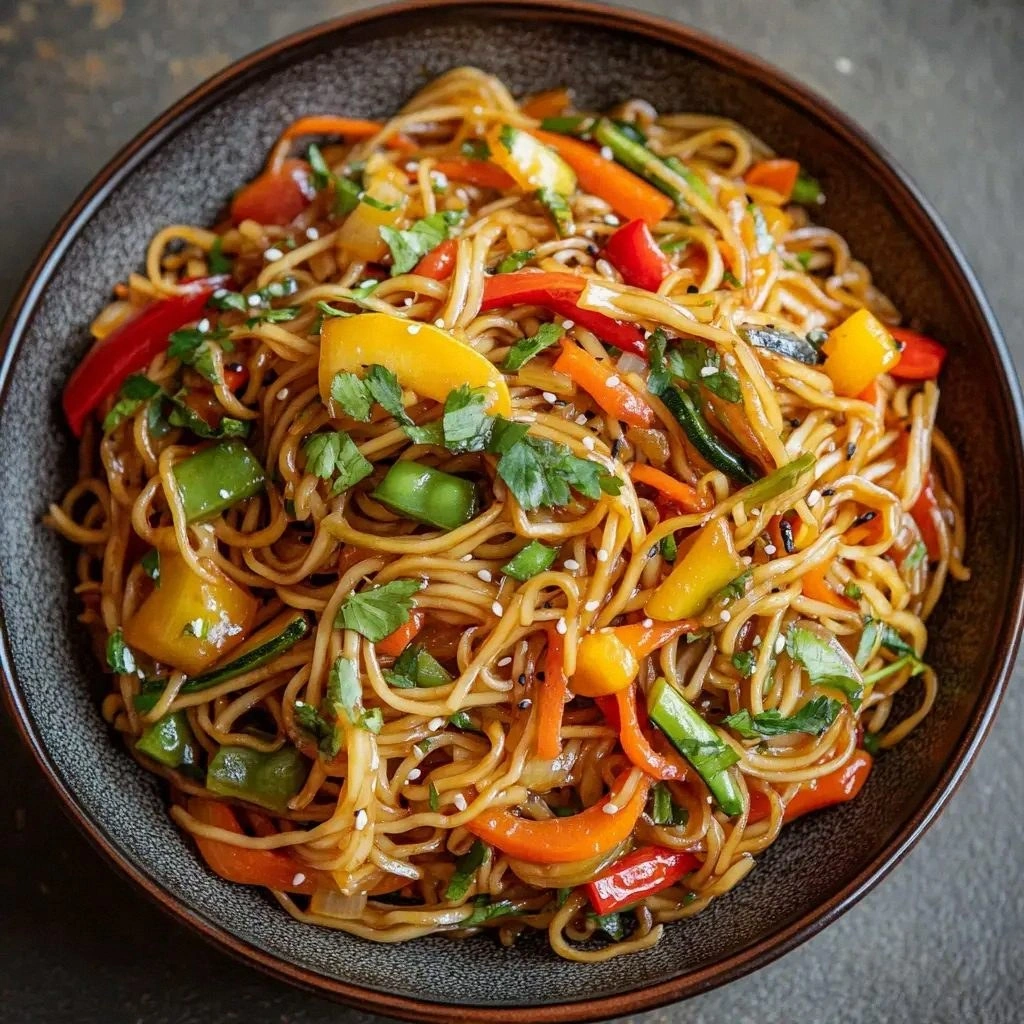
Vegetable Stir-Fried Noodles
Picture this: a sizzling pan, the sharp bite of garlic, and a rainbow of vegetables dancing in hot oil. I was halfway through a week of bland take‑out when the kitchen lights flickered and my neighbor’s phone rang, begging for a quick, wholesome dinner. The urge to salvage the evening turned into a culinary experiment that ended up redefining what a simple noodle dish can be. This isn’t just another recipe—this is a manifesto for flavor, texture, and a dash of culinary rebellion.
When you first open the pot, you’ll hear that unmistakable sizzle—like a drumbeat announcing a party. The aroma that follows is a marriage of caramelized ginger and sweet soy, a scent that makes your stomach do a happy dance. The noodles themselves are a silky, slightly chewy canvas that holds every drizzle of sauce. And the vegetables—crisp, colorful, and slightly charred—add a crunch that sings against the tender strands. Each bite is a layered experience: a burst of umami, a subtle heat, and a satisfying bite that keeps you coming back for more.
What sets this version apart is the attention to detail, from the precise timing of each stir to the balance of sweet, salty, and spicy. I dare you to taste this and not go back for seconds, because it’s that addictive. I’ll be honest—my first attempt was a disaster, but the second round was a triumph that made me declare, “This is hands down the best version you’ll ever make at home.” The secret? It’s not just the ingredients; it’s the rhythm of the wok, the subtle heat, and the finishing touch of sesame oil that makes everything sing.
If you’re tired of the same old noodles that feel flat and uninspired, this recipe is your ticket out of culinary monotony. The technique I’ll walk you through will transform a handful of pantry staples into a dish that feels like a gourmet meal. By the end, you’ll wonder how you ever made it any other way, and you’ll be ready to show off your new wok‑wielding skills to friends and family alike. Let’s dive into the details and uncover the magic that turns ordinary veggies into a sensational stir‑fry.
What Makes This Version Stand Out
- Taste: The sauce is a harmonious blend of soy, oyster, and a whisper of sweetness that coats the noodles like velvet, leaving a lingering umami finish that satisfies even the most discerning palate.
- Texture: Each vegetable is blanched to preserve its vibrant color and crispness, then quickly fried to create a delightful contrast between tender noodles and snap‑crackle veggies.
- Simplicity: With only a handful of ingredients and a single wok, you can deliver a restaurant‑quality meal in under an hour—no fancy equipment required.
- Uniqueness: The addition of toasted sesame seeds and a splash of chili flakes adds depth and a subtle heat that sets this dish apart from standard stir‑frys.
- Crowd Reaction: Friends who have tried this rave about the “wow” factor—most say it’s the first time they’ve had noodles that feel both comforting and exciting.
- Ingredient Quality: Fresh, seasonal produce is key; using organic or locally sourced vegetables enhances flavor and supports sustainability.
- Cooking Method: High‑heat, quick cooking preserves nutrients and keeps the dish bright and lively.
- Make‑Ahead Potential: The sauce can be pre‑mixed and stored, allowing you to assemble the dish in minutes on a busy night.
Inside the Ingredient List
The Flavor Base
At the heart of this dish is a sauce that balances sweet, salty, and umami flavors. Soy sauce provides the backbone, while oyster sauce adds depth and a subtle oceanic note. A teaspoon of sugar counterbalances the saltiness, and a splash of sesame oil gives the sauce a nutty aroma that lingers on the palate. If you’re vegan, substitute the oyster sauce with a mushroom soy blend to maintain the savory profile.
The Texture Crew
Rice noodles are the canvas, chosen for their ability to absorb sauce without becoming mushy. Fresh or dried, they should be cooked to al dente—just shy of softness—to maintain that satisfying chew. Vegetables are the stars of the texture game: carrots for sweetness, broccoli for crunch, snow peas for a delicate snap, and bell pepper for a burst of color and mild sweetness. Blanching each vegetable briefly preserves its vibrant hue and crispness before the final stir‑fry.
The Unexpected Star
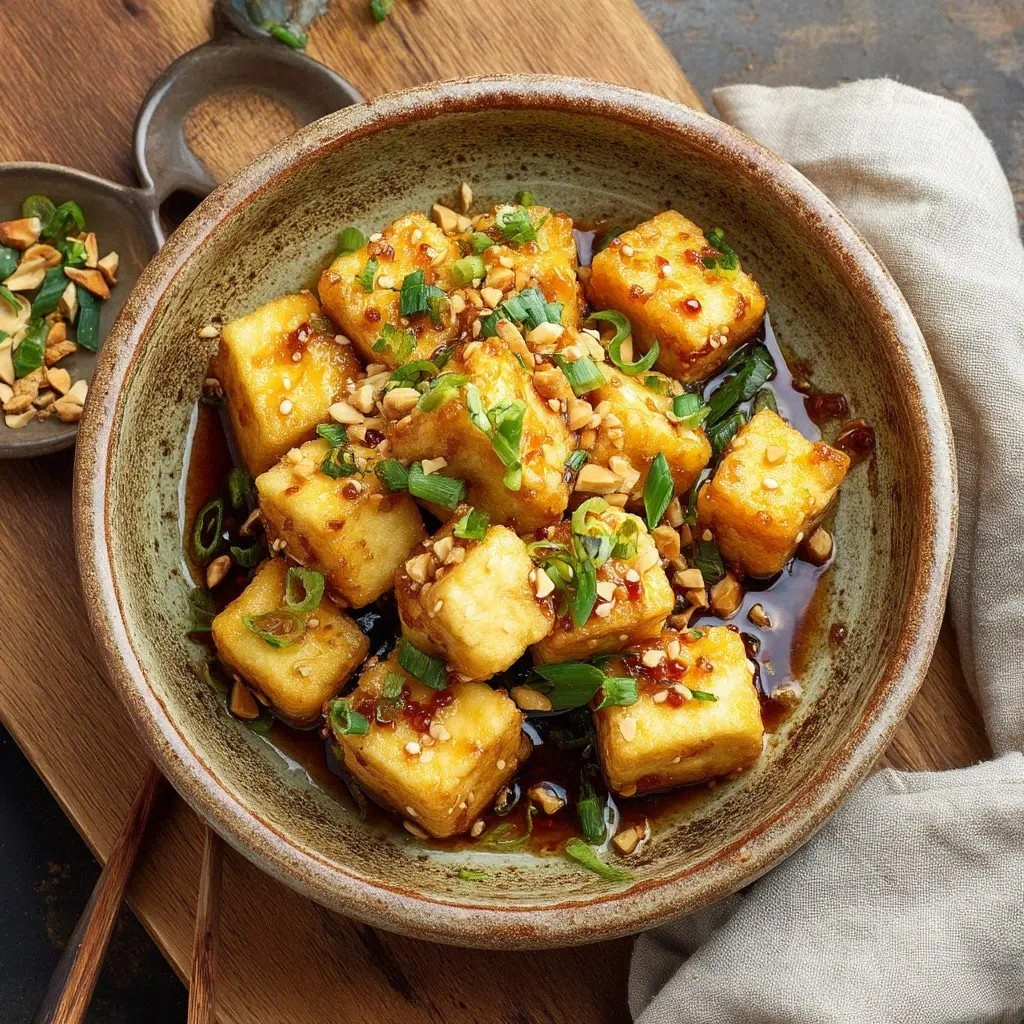
Tofu, when pressed and cut into cubes, adds a protein punch and a neutral base that soaks up the sauce beautifully. Marinate the tofu in a small amount of soy sauce and sesame oil for 10 minutes before cooking to infuse it with flavor. If you prefer shrimp, simply sauté them separately and fold them in at the end; their delicate texture adds a different dimension to the dish.
The Final Flourish
Sesame seeds, toasted to a golden brown, provide a nutty crunch that contrasts the soft noodles and tender veggies. Green onions, sliced thin, add a fresh, sharp note that lifts the entire dish. Chili flakes introduce a gentle heat that can be adjusted to taste—use more for a fiery kick or less for a milder experience. Together, these final touches elevate the dish from good to unforgettable.
Everything's prepped? Good. Let's get into the real action and bring this dish to life.
The Method — Step by Step
- Prep the noodles. Bring a large pot of salted water to a boil, then add the rice noodles. Cook for 2-3 minutes until they are just tender, then drain and rinse under cold water to stop the cooking process. Toss the noodles with a tablespoon of sesame oil to prevent sticking. Set aside; they’re ready to absorb the sauce later.
- Blanch the veggies. In a separate pot, boil water and add the carrots, broccoli, and snow peas. Blanch for 1-2 minutes until they’re bright green but still firm. Immediately transfer them to an ice bath to halt the cooking and preserve color. Drain and set aside.
- Marinate the tofu. While the veggies chill, toss the tofu cubes in a bowl of soy sauce, sesame oil, and a pinch of pepper. Let them sit for 10 minutes; the tofu will absorb the flavors and become more flavorful when cooked.
- Heat the wok. Place a high‑heat wok or large skillet over medium‑high flame and add two tablespoons of vegetable oil. Once the oil shimmers, add the minced garlic and ginger. Stir quickly for 10 seconds until fragrant—watch for the aroma, not the color.
- Cook the tofu. Add the marinated tofu cubes to the wok. Stir-fry for 4-5 minutes, turning occasionally, until each cube is golden and slightly crisp around the edges. Remove the tofu and set aside; the oil will keep it warm.
- Stir-fry the veggies. In the same wok, add the blanched vegetables and the sliced bell pepper. Stir-fry for 2 minutes, letting the heat caramelize the edges of the bell pepper. This step builds the base flavor and introduces a sweet crunch.
- Introduce the sauce. Pour the pre‑mixed sauce—soy, oyster, sugar, sesame oil—over the vegetables. Toss vigorously so that every bite is coated. The sauce should thicken slightly, creating a glossy sheen. Watch out: if the sauce is too thick, add a splash of water to keep the noodles from sticking.
- Combine everything. Return the tofu to the wok, add the cooked noodles, and toss everything together. Sprinkle in the chili flakes and green onions, then stir until the noodles are evenly coated and the heat has evenly distributed. Taste and adjust seasoning with a pinch more soy or pepper if needed.
- Finish with sesame. Sprinkle toasted sesame seeds over the top and give one final gentle toss. Serve immediately, ensuring the noodles are still warm and the sauce is glossy. The dish should look vibrant, with a rainbow of colors and a glossy sheen that promises flavor.
- Enjoy. Plate the noodles on a warm dish, garnish with extra green onions if desired, and let the steam rise. This is the moment of truth—watch the steam swirl like a fragrant cloud. Taste the first bite; the flavors should sing in harmony, confirming you’ve mastered the art of stir‑fry.
That’s it — you did it. But hold on, I’ve got a few more tricks that will elevate this dish from great to unforgettable.
Insider Tricks for Flawless Results
The Temperature Rule Nobody Follows
Many cooks lower the heat after adding the sauce, but this actually prevents the noodles from absorbing flavors. Keep the wok at high heat throughout the final toss; the rapid movement ensures the sauce clings to every strand. I once let the heat drop and ended up with soggy noodles—don’t make the same mistake. The secret is to maintain that vigorous motion; the noodles will stay al dente and glossy.
Why Your Nose Knows Best
Before you taste the dish, inhale the aroma. A strong, sweet soy scent indicates the sauce has balanced properly. If you detect a sharp, raw smell, the sauce needs more time to meld. My friend once added the sauce too quickly and the dish tasted like raw soy; the remedy was to let it simmer for a minute before tossing with noodles.
The 5‑Minute Rest That Changes Everything
After stir‑frying, let the dish rest for five minutes off the heat. This pause allows the flavors to marry and the noodles to finish cooking in their own steam. The result is a richer, more cohesive taste profile. I’ve seen people skip this step, and the dish ends up feeling rushed. Give it that brief break and taste the difference.
Use a Wok for Authenticity
A wok’s curved surface creates high, dry heat that is ideal for stir‑fry. The edges help keep ingredients from sticking. If you only have a skillet, try placing a heat‑resistant stone or ceramic ring in the center to mimic the wok’s high‑point. The result is a more authentic, sizzling experience.
Pre‑Cook the Noodles in Portions
When cooking a large batch, divide the noodles into two portions. This reduces the chance of them sticking together and makes it easier to stir‑fry them evenly. My first batch clumped together, so I switched to this method and the noodles stayed separate and fluffy.
Keep the Sauce Liquid
Some recipes call for a thick sauce that coats the noodles. In my version, a slightly thinner sauce allows the noodles to shine and the vegetables to stay crisp. If you prefer a thicker sauce, add a tablespoon of cornstarch diluted in water at the end; stir until it thickens and then remove from heat.
Creative Twists and Variations
This recipe is a playground. Here are some of my favorite ways to switch things up:
Thai Peanut Noodles
Swap the soy sauce for a mixture of peanut butter, lime juice, and a splash of fish sauce. Add crushed peanuts for crunch and a sprinkle of fresh cilantro for brightness. The result is a creamy, nutty dish that transports you to the streets of Bangkok.
Spicy Korean Kimchi Noodles
Incorporate chopped kimchi and a spoonful of gochujang for a fiery kick. Toss in a handful of spinach for added greens and finish with a drizzle of sesame oil. The spicy, fermented flavor profile is both comforting and bold.
Veggie‑Rich Buddha Bowl
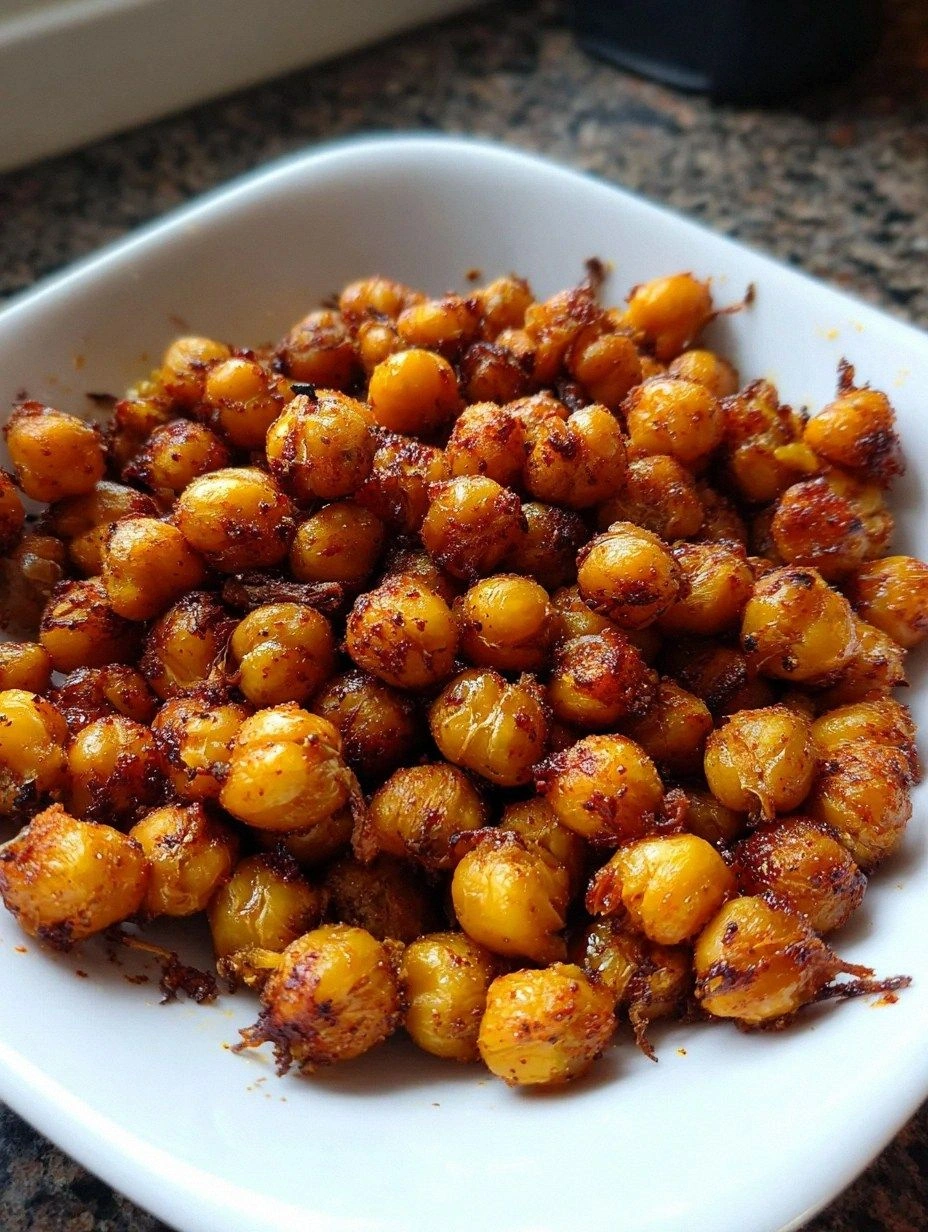
Serve the noodles over a bed of quinoa or brown rice, and top with sliced avocado, roasted chickpeas, and a drizzle of tahini. This variation turns the dish into a wholesome, balanced bowl that’s perfect for lunch.
Seafood Delight
Replace tofu with shrimp or scallops, sautéing them separately and adding them in the final stir. The sweet, briny flavor of the seafood pairs wonderfully with the soy‑based sauce. Add a squeeze of lemon for a bright finish.
Low‑Carb Shirataki Noodles
Use shirataki noodles for a keto-friendly version. Rinse them thoroughly to remove the odor and pat them dry before stir‑frying. The noodles absorb the sauce beautifully, and the dish remains light and low in carbohydrates.
Breakfast Stir‑Fry
Add scrambled eggs or tofu scramble to the mix, creating a protein‑packed breakfast. Top with a sprinkle of chives and a dash of sriracha for a spicy start to the day. The noodles provide a comforting base for the morning meal.
Storing and Bringing It Back to Life
Fridge Storage
Store the cooked noodles and sauce separately in airtight containers. The noodles can be kept for up to 3 days, while the sauce lasts 4-5 days. When reheating, combine them and add a splash of water or broth to rehydrate the noodles and thin the sauce.
Freezer Friendly
Freeze the noodles in a single layer on parchment paper before transferring to a freezer bag. The noodles can be frozen for up to 2 months. When ready, thaw overnight in the refrigerator and reheat with the sauce and a splash of water.
Best Reheating Method
Reheat in a wok or skillet over medium heat, adding a tablespoon of water or broth. Stir constantly until the noodles are heated through and the sauce is glossy again. A quick 2‑minute stir‑fry is enough to bring the dish back to life.