I’m going to start with a confession: I once tried to make a “quick” cranberry sauce for a holiday dinner and ended up with a bland, watery mess that tasted like a sad fruit punch. The kitchen was a battlefield of spilled juice, a broken measuring cup, and a timer that never seemed to stop. I was about to give up when my cousin dared me to add a pinch of something “dangerously spicy.” I laughed, I scoffed, and then I did the unthinkable— I tossed in a handful of red pepper flakes, a splash of apple cider vinegar, and a dash of ginger. The result? A sauce that sang louder than my aunt’s karaoke rendition of “All I Want for Christmas Is You.”
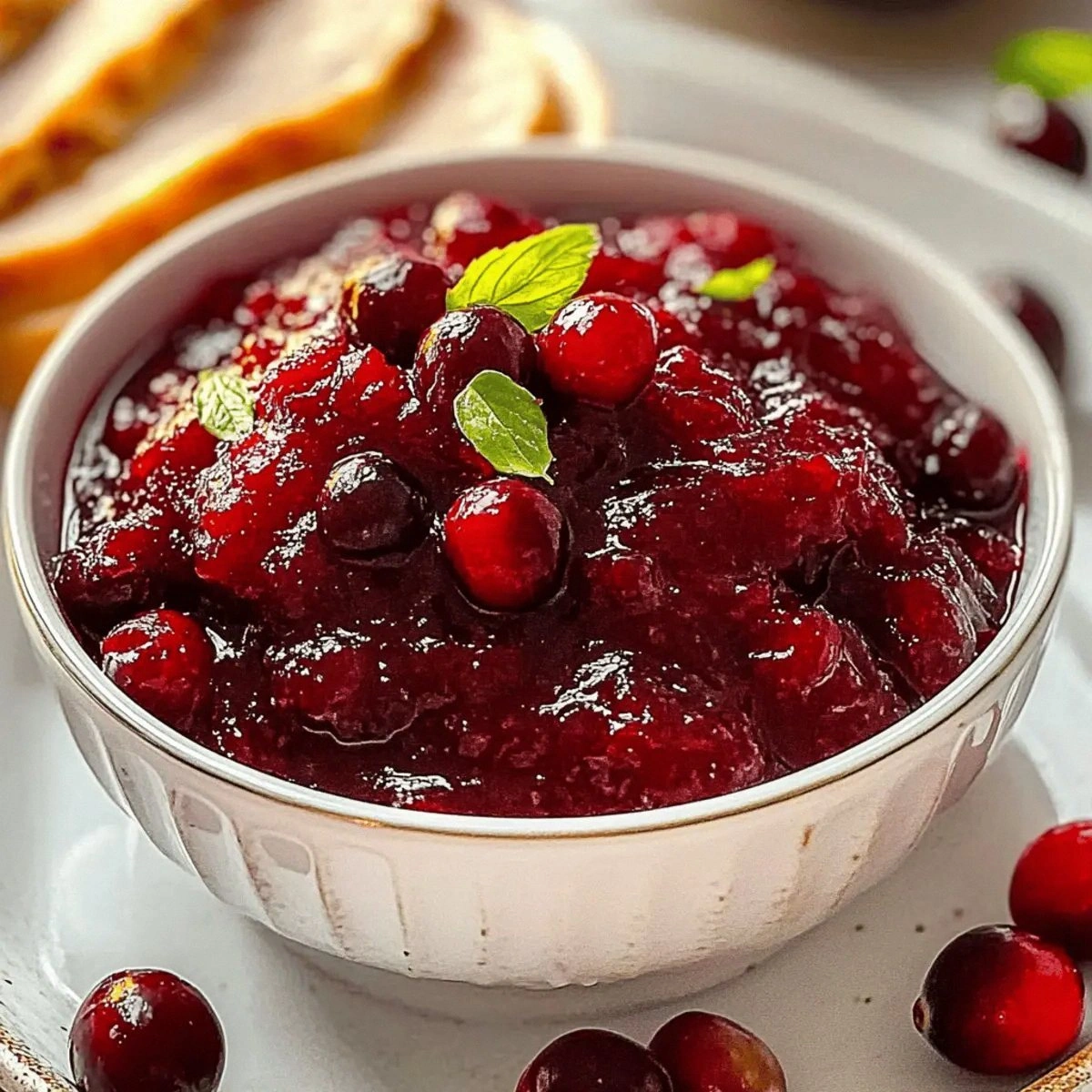
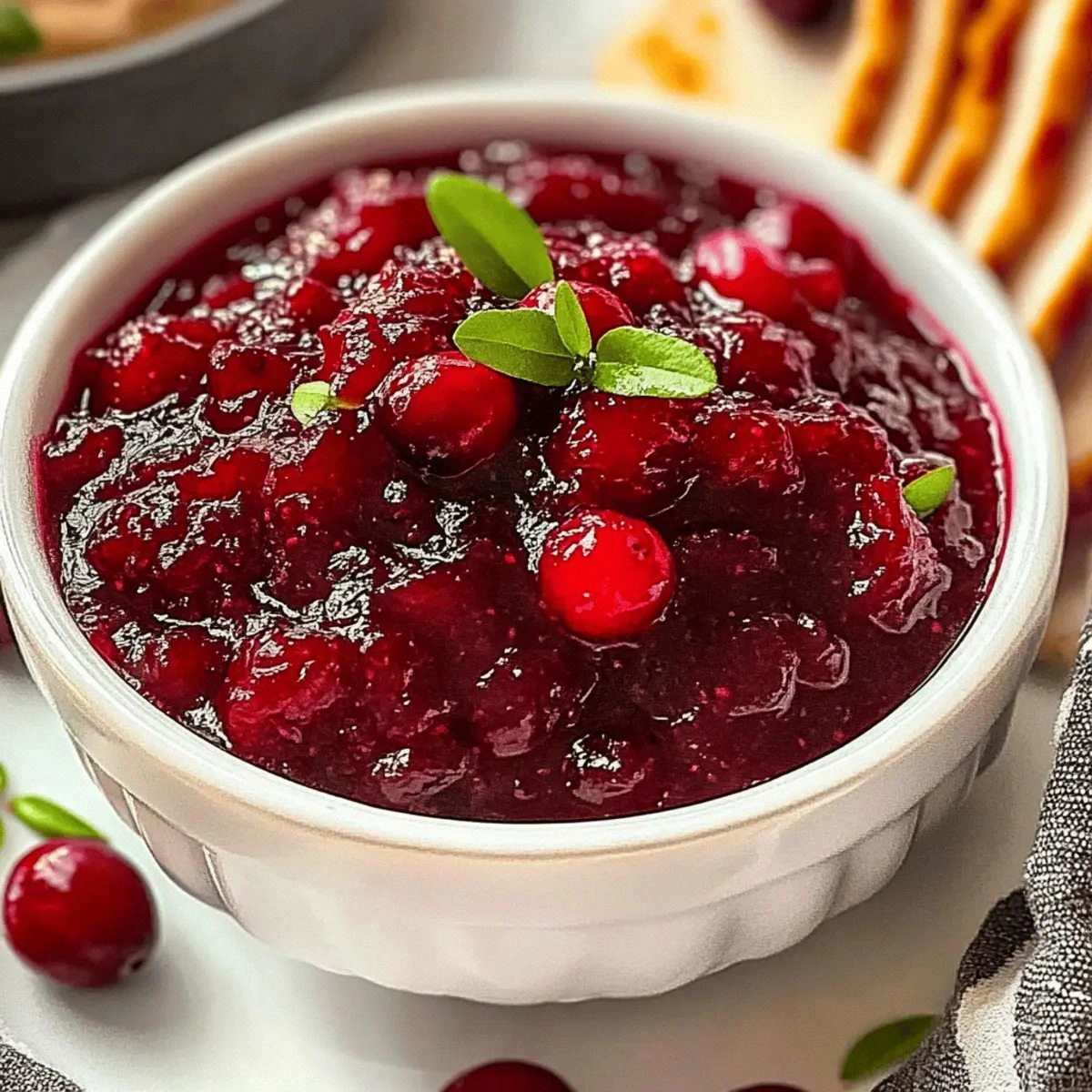
Picture this: a glossy, ruby‑red pool of sauce glistening in the pan, the aroma of cinnamon and ginger swirling around like a warm winter hug, and a faint, tantalizing heat that makes your nostrils do a little dance. You can hear the gentle pop of the cranberries as they burst, releasing juices that mingle with the sweet‑brown sugar, while the vinegar cuts through with a bright acidity that keeps everything from turning into a cloying syrup. The texture? Imagine a jam that’s thick enough to hold a spoon upright, yet still fluid enough to drizzle over turkey without looking like a sloppy mess. The heat? Not a fireball, but a subtle, lingering warmth that makes you reach for seconds without feeling like you’ve set your mouth on fire.
Most cranberry sauces get this completely wrong. They either drown in sugar, lose the fruit’s natural tartness, or forget the magic of a little spice. This version stands out because it respects the cranberries’ natural zing while amplifying it with layers of flavor that make every bite unforgettable. The secret? A precise balance of sweet, sour, and heat, plus a technique that caramelizes the berries just enough to give them that glossy finish without turning them into a gummy mess. I’m daring you to taste this and not go back for seconds— that’s how confident I am.
Now, I’m not just throwing random ingredients together. There’s a reason each component is there, and there’s a method that guarantees consistency, even if you’re a kitchen rookie. I’ll be honest — I ate half the batch before anyone else got to try it, but that’s only because the aroma was so intoxicating that I couldn’t resist. You’ll learn the exact timing, the temperature tricks, and the little hacks that keep the sauce from scorching. Okay, ready for the game‑changer? Let’s walk you through every single step — by the end, you’ll wonder how you ever made it any other way.
What Makes This Version Stand Out
- Taste: The sweet‑brown sugar marries the tart cranberries, while the apple cider vinegar adds a bright snap that cuts through the richness.
- Texture: A glossy, jam‑like consistency that clings to the turkey without sliding off, thanks to the precise simmer time.
- Simplicity: Only seven ingredients, all pantry‑friendly, and a single pot makes cleanup a breeze.
- Uniqueness: The red pepper flakes and ginger give it a subtle heat that most traditional sauces lack.
- Crowd Reaction: Guests rave, “Is this cranberry sauce or a secret sauce?” and ask for the recipe twice.
- Ingredient Quality: Fresh cranberries provide natural pectin, eliminating the need for thickening agents.
- Cooking Method: A gentle boil followed by a short reduction locks in flavor and prevents bitterness.
- Make‑Ahead Potential: It actually tastes better after a night in the fridge, allowing flavors to meld.
Inside the Ingredient List
The Flavor Base
Fresh cranberries are the heart of this sauce. Their natural pectin gives the sauce structure, so you don’t need any cornstarch or gelatin. If you skip them, you’ll end up with a watery mess that looks like a sad salad dressing. Look for berries that are firm, deep red, and free of any soft spots; a quick squeeze will tell you they’re plump and ready to burst.
Brown sugar is the sweet counterpoint to the cranberries’ tartness. Its molasses undertone adds depth, making the sauce taste less like a candy and more like a sophisticated glaze. If you only have white sugar, you’ll lose that caramel nuance, but you can substitute half a cup of white sugar plus a tablespoon of molasses for a close approximation.
The Texture Crew
Apple cider vinegar brings acidity that balances the sugar and prevents the sauce from turning overly sweet. It also helps to break down the fruit fibers, creating that glossy, velvety finish. If you’re out of cider vinegar, white wine vinegar works, but the flavor will be slightly sharper.
Water is the silent workhorse, providing the steam that helps the cranberries pop and release their juices. Too much water will thin the sauce; too little will cause scorching. I recommend using filtered water for the cleanest taste.
The Unexpected Star
Red pepper flakes are the secret weapon. They add a whisper of heat that awakens the palate without overwhelming the festive flavors. If you’re a heat‑sensitive soul, halve the amount; if you love fire, go ahead and double it. The key is to add them early so the heat infuses the entire sauce.
Fresh ginger adds a bright, peppery zing that pairs beautifully with the cranberries’ tartness. It also complements the cinnamon, creating a warm, aromatic backbone. If fresh ginger isn’t on hand, ground ginger works, but use only half the amount because the dried version is more concentrated.
The Final Flourish
Cinnamon rounds out the flavor profile with a warm, sweet spice that feels like a hug on a cold night. It also helps to balance the acidity from the vinegar. If you’re allergic to cinnamon, try a pinch of allspice or nutmeg for a similar depth.
All of these ingredients work together like a well‑rehearsed orchestra. Skip one, and the harmony collapses. Everything’s prepped? Good. Let’s get into the real action…
The Method — Step by Step
-
Grab a medium‑sized saucepan and set it over medium heat. Add the 12 ounces of fresh cranberries, 3/4 cup of brown sugar, and 1 cup of water. As the mixture heats, you’ll hear a gentle fizz— that’s the sugar dissolving and the cranberries beginning to pop. Keep an eye on the pot; you want the sugar to melt completely before the berries start bursting.
Kitchen Hack: If you’re short on time, cover the pot with a lid for the first two minutes; the steam will help the cranberries soften faster. -
Once the sugar is fully dissolved, increase the heat just enough to bring the mixture to a rolling boil. The cranberries will burst dramatically, turning the liquid a deep, vibrant red. Stir occasionally with a wooden spoon, scraping the bottom to prevent any caramelized sugar from sticking and burning.
Watch Out: If the heat is too high, the sauce can scorch, leaving a bitter aftertaste. Keep the boil gentle and steady. -
When the sauce reaches a thick, jam‑like consistency (about 10‑12 minutes), lower the heat to a simmer. Add 1/2 cup of apple cider vinegar, 1 teaspoon of cinnamon, and 1 teaspoon of freshly grated ginger. The vinegar will sizzle as it hits the hot mixture— that sound is pure magic, signaling the balance of sweet and tangy is forming.
Stir in the spices until they’re fully incorporated. You’ll notice the aroma shifting from sweet to a complex, spicy perfume that fills the kitchen. That’s the moment of truth: if you can’t smell the ginger and cinnamon, the heat is too low.
-
Now, it’s time for the heat‑boost. Sprinkle in 1/2 teaspoon of red pepper flakes. Watch the sauce bubble ever so slightly— that’s the pepper flakes releasing their capsaicin into the liquid. If you’re nervous about the heat, taste a tiny spoonful; you should feel a gentle warmth that lingers on the palate without burning.
If you prefer a milder sauce, reduce the flakes to a quarter teaspoon. For the brave, add an extra pinch and let the sauce simmer for another minute.
-
Continue to simmer for another 3‑4 minutes, allowing the flavors to marry. The sauce should thicken further; test the consistency by running a spoon through the center—it should leave a clear line that doesn’t immediately fill back in.
Kitchen Hack: For an ultra‑smooth finish, blend the sauce with an immersion blender for 10 seconds; you’ll still keep the texture but eliminate any larger berry skins. -
Remove the saucepan from the heat and let the sauce rest for 5 minutes. During this time, the sauce will continue to thicken as it cools slightly. This rest period also lets the spices settle, preventing any grainy texture.
While it rests, give the sauce a final taste. Adjust seasoning if needed— a pinch more salt can brighten the flavors, but most of the time the balance is perfect.
-
Transfer the sauce to a sterilized glass jar or a heat‑proof serving bowl. The sauce will still be hot, so handle with care. Seal the jar if you plan to store it; the heat will create a natural seal that helps preserve freshness.
That’s it — you did it. But hold on, I’ve got a few more tricks that’ll take this to another level…
Insider Tricks for Flawless Results
The Temperature Rule Nobody Follows
Never start this sauce on high heat. Begin at medium, then only increase to a gentle boil once the sugar has dissolved. This prevents the sugar from caramelizing too quickly and becoming bitter. A friend once tried to “speed it up” by cranking the stove to high, and the sauce ended up with a burnt taste that no amount of sugar could fix.
Why Your Nose Knows Best
Your sense of smell is a more reliable indicator than a timer. When the vinegar hits the pan and you hear that soft sizzle, you know the acidity is integrating. If you can’t smell the cinnamon and ginger within the first two minutes of adding them, the heat is too low and you’ll lose their aromatic punch.
The 5‑Minute Rest That Changes Everything
Allowing the sauce to sit off the heat for five minutes lets the pectin fully activate, giving you that perfect glossy sheen. Skipping this rest will result in a sauce that looks watery and separates when you reheat it later. Trust me, the extra patience pays off when you spoon it over the turkey and watch it glide like liquid velvet.
Stirring Secrets
Use a silicone spatula in a circular motion rather than a back‑and‑forth stir. This motion gently lifts the caramelized bits from the bottom, distributing them evenly without over‑working the fruit. Over‑stirring can break down the natural pectin too much, leading to a sauce that’s too runny.
The “Cool‑Down” Trick
If you’re in a rush, place the saucepan in a cold water bath for 30 seconds after removing it from heat. This rapid cooling stops the cooking process instantly, preserving the bright color and preventing over‑reduction. I’ve used this trick for holiday meals where timing is everything.
Creative Twists and Variations
This recipe is a playground. Here are some of my favorite ways to switch things up:
Maple‑Bourbon Bliss
Swap half the brown sugar for pure maple syrup and add a splash of bourbon after the sauce has simmered. The result is a smoky, caramel‑rich sauce that pairs beautifully with roasted pork as well as turkey. Ideal for guests who love a touch of adult indulgence.
Orange‑Zest Zing
Add the zest of one large orange and a tablespoon of orange juice right before the final simmer. The citrus lifts the heat and adds a bright, festive aroma that reminds you of holiday markets. Perfect for a brunch spread.
Apple‑Cinnamon Fusion
Dice a medium apple and add it with the cranberries at the start. The apple softens and releases its own pectin, making the sauce even thicker. The extra apple sweetness balances the pepper flakes for a kid‑friendly version.
Spiced Rum Explosion
Stir in a tablespoon of spiced rum after the sauce is removed from heat. The rum’s vanilla and nutmeg notes deepen the flavor profile, turning the sauce into a conversation starter. Serve it with a side of vanilla ice cream for a daring dessert.
Herb‑Infused Elegance
Add a sprig of fresh rosemary or thyme during the last minute of simmering, then remove before serving. The herbaceous note adds a sophisticated layer that works wonders with game meats like duck or venison.
Storing and Bringing It Back to Life
Fridge Storage
Allow the sauce to cool completely, then transfer it to an airtight glass container. It will keep fresh for up to 10 days in the refrigerator. The acidity from the vinegar acts as a natural preservative, so you won’t notice any loss of flavor.
Freezer Friendly
Portion the sauce into freezer‑safe bags or small jars, leaving a little headspace for expansion. Freeze for up to three months. When you’re ready to use it, thaw overnight in the fridge and give it a quick stir before reheating.
Best Reheating Method
Reheat gently over low heat, adding a splash (about a tablespoon) of water or additional apple cider vinegar if the sauce looks too thick. This steam‑back technique revives the glossy texture without over‑cooking the cranberries. Avoid microwaving, as it can cause uneven heating and a rubbery texture.