The kitchen had been a battlefield that night, the stove roaring like a dragon, the sauce bubbling over like a cauldron of mischief, and my taste buds screaming for redemption. I had just finished a disastrous batch of garlic parmesan risotto that left me staring at a mound of chalky, undercooked rice, wondering if I’d ever again feel the satisfaction of a creamy, buttery pasta. That moment of culinary despair became the spark that ignited this new creation, a one-pan, buttery, garlicky masterpiece that feels like a hug in a bowl. I dared myself to turn the humble orzo into something that would make even the most skeptical foodie swoon. I’m about to walk you through every single step, and by the end, you’ll wonder how you ever made it any other way.
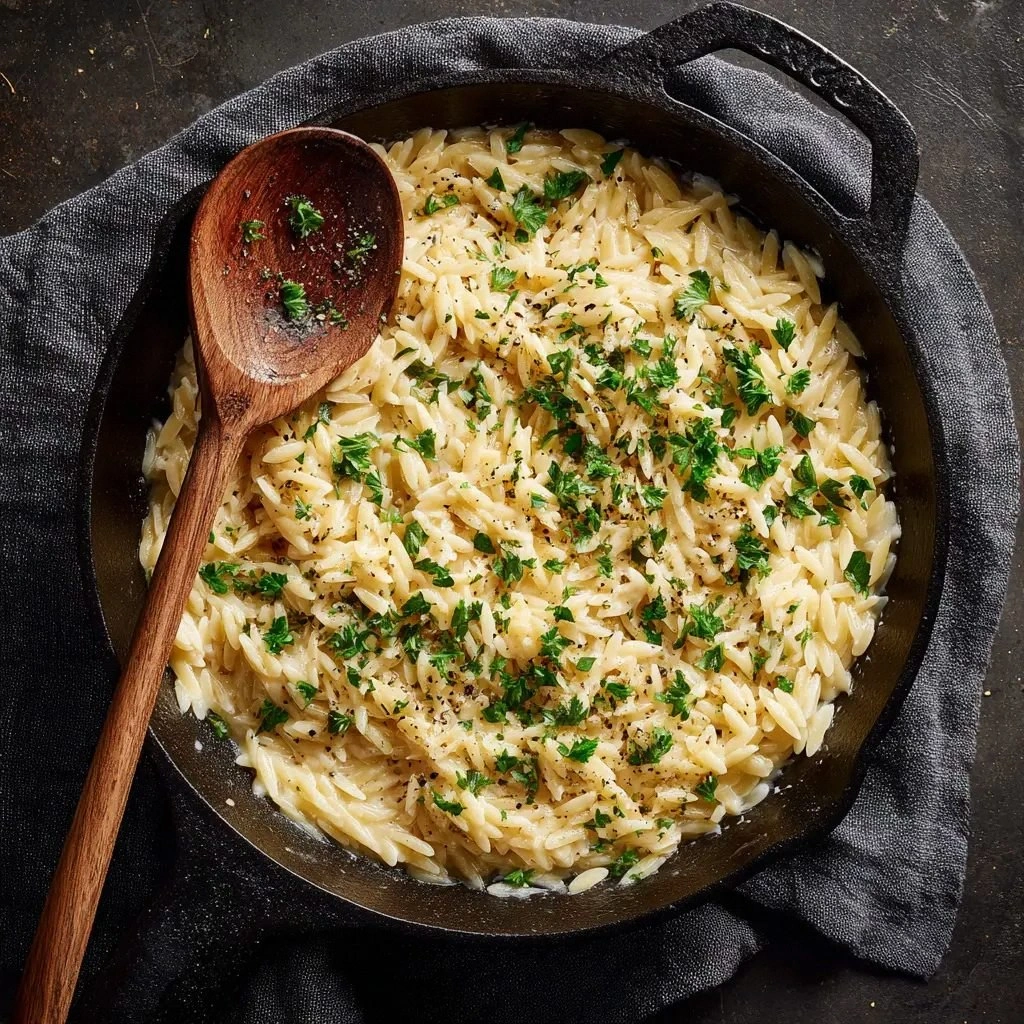
Picture this: a pan that smells of sizzling garlic, the gentle hiss of butter melting, and the comforting scent of parmesan curling around the room like a warm blanket. The sound of the broth coming to a gentle simmer is the prelude to the symphony that follows, each ingredient layering itself like a perfectly timed drum roll. As the orzo swirls in the liquid, it takes on a glossy sheen, the sauce coating each grain like velvet, a texture that promises a melt-in-your-mouth finish. The first bite delivers a burst of savory depth, followed by a creamy finish that lingers, a flavor profile that’s both comforting and sophisticated. I dare you to taste this and not go back for seconds, because the moment your tongue hits that buttery richness, it’s an instant trip to food heaven.
What sets this version apart from the countless others you’ve tried is its commitment to balance and simplicity. The recipe uses only ten ingredients, each chosen for its ability to amplify the dish without overwhelming it. It’s a one-pan wonder, meaning no more dishes to wash, and the cleanup is as effortless as the cooking. The technique of letting the orzo steam in the broth, then finishing with cream and cheese, creates a sauce that’s silky yet substantial. And the finishing touch of fresh parsley gives it a pop of color and a hint of brightness that keeps the dish from feeling too heavy. I’ve spent hours tweaking the ratios, and the result is a creamy, garlicky, parmesan-packed orzo that’s hands down the best version you’ll ever make at home.
If you’ve ever struggled with making a pasta dish that feels like a comforting hug, you’re not alone. The secret to this recipe is in the timing: letting the garlic brown just enough to release its sweetness, then letting the orzo absorb the broth slowly before the final splash of cream lifts everything into a silky sauce. The trick is also in the order of addition, ensuring that the cheese melts perfectly and the butter adds that final sheen without making the sauce greasy. The result is a dish that is rich, yet bright; indulgent, yet balanced. And the best part? It’s ready in under an hour, so you can enjoy a restaurant-quality meal without the wait. Stay with me here — this is worth it.
What Makes This Version Stand Out
- Flavor Depth: The combination of garlic and butter creates a foundational flavor that is both aromatic and savory. The slow sautéing of garlic releases its sugars, turning it from sharp to sweet, while the butter adds a subtle nuttiness that complements the cheese.
- Texture Harmony: The orzo’s pasta shape holds the sauce like a sponge, giving each bite a creamy coating that doesn’t feel heavy. The gradual absorption of broth ensures the grains stay al dente, avoiding that mushy texture that plagues many one‑pan pastas.
- Time Efficiency: With a single pot, you cut down on cleanup time and can focus on the flavors rather than the mess. The dish comes together in about 45 minutes, making it a perfect weeknight dinner.
- Ingredient Quality: Using fresh parsley and high‑grade parmesan elevates the dish, turning a simple recipe into a gourmet experience. The heavy cream adds richness without overpowering the other flavors.
- Crowd‑Pleaser: This dish is so comforting yet sophisticated that it works for dinner parties, family meals, or a quiet night in. Guests will be amazed at how simple it is to achieve such depth.
- Make‑Ahead Friendly: Once cooked, the orzo can be refrigerated and reheated with a splash of broth or water to regain its creaminess, making it ideal for meal prep.
Alright, let’s break down exactly what goes into this masterpiece…
Inside the Ingredient List
The Flavor Base
Olive oil and unsalted butter are the first players on this stage, providing a silky medium that carries the garlic’s aroma. Olive oil brings a peppery nuance that balances the buttery richness, while the butter adds a creamy depth that’s impossible to replicate with oil alone. If you’re watching calories, you can reduce the butter by a tablespoon, but be prepared for a slightly less luscious finish. The combination of both fats creates a smooth, glossy base that sets the tone for the rest of the dish.
The Texture Crew
Orzo is the star of the show, chosen for its shape that holds sauce like a sponge. Its small, rice‑like grains absorb liquid quickly, giving you that perfect al dente bite. If you prefer a heartier texture, swap orzo for penne or small shells, but be sure to adjust the liquid ratio slightly to avoid overcooking. The orzo’s ability to meld with the broth and cream is what makes this dish so cohesive.
The Unexpected Star
Heavy cream may seem like an indulgent addition, but it plays a pivotal role in binding the sauce and giving it that silky mouthfeel. The fat content of cream emulsifies the butter, garlic, and cheese into a cohesive sauce that clings to each grain. If you’re aiming for a lighter version, you can replace half the cream with milk, but the sauce will be thinner and less luxurious. The cream’s subtle sweetness also balances the sharpness of parmesan, creating a harmonious flavor profile.
The Final Flourish
Fresh parsley adds a burst of color and a bright, herbaceous note that cuts through the richness of the sauce. The green leaves also provide a subtle earthiness that balances the garlic’s intensity. If you’re allergic to nuts or prefer a different herb, consider basil or chives as alternatives, but parsley’s bright flavor is integral to the dish’s signature look. The sprinkle of parsley is the final touch that turns a simple pasta into a plate of edible art.
Everything’s prepped? Good. Let’s get into the real action…
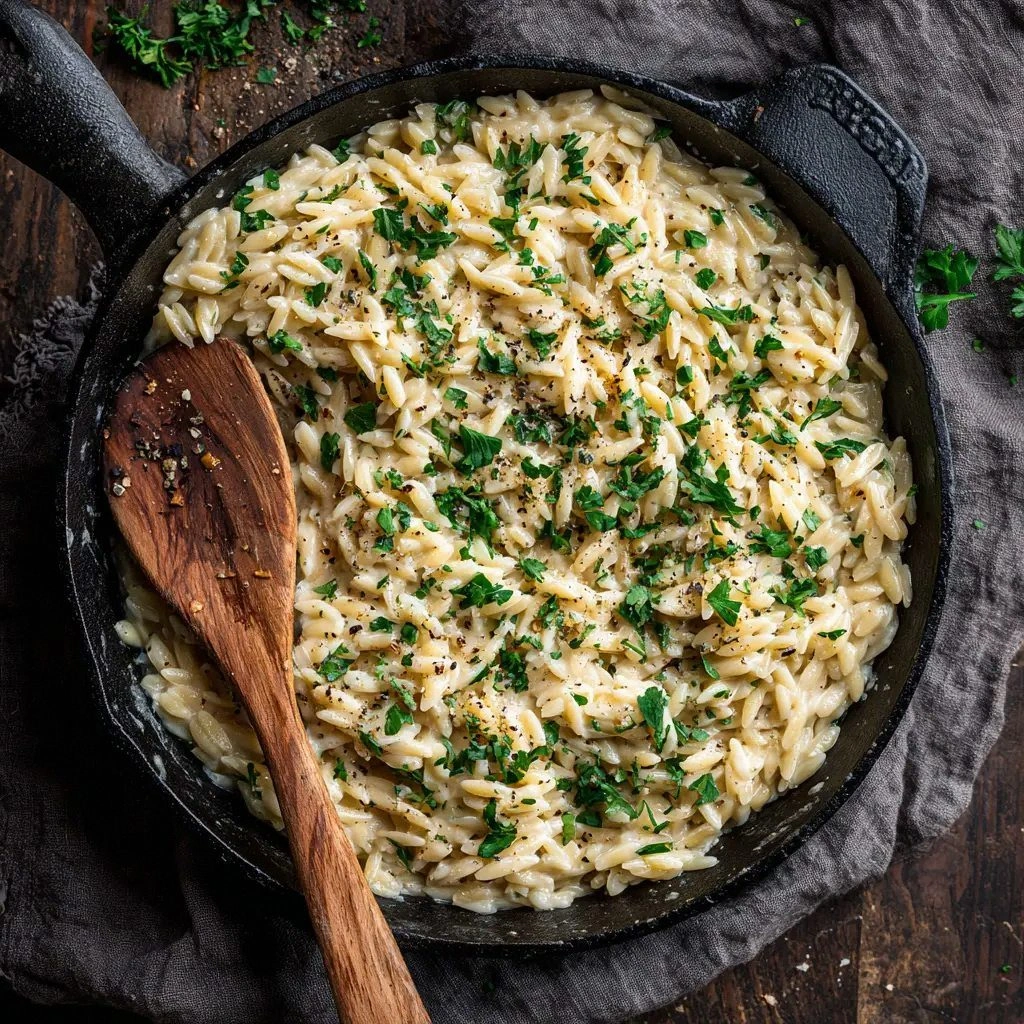
The Method — Step by Step
- Heat the olive oil in a large, deep skillet over medium heat. When the oil shimmers, add the tablespoon of butter, letting it melt until it foams. Toss in the minced garlic, stirring constantly to prevent burning. You should hear a gentle sizzle and see the garlic turning translucent, signaling that it’s releasing its sweet aroma. This step is the foundation, so give it the love it deserves.
- Add the orzo to the pan, stirring to coat each grain with the butter‑garlic mixture. The orzo should toast slightly, turning a pale golden color. The toasted flavor will add a nutty undertone that elevates the dish. Keep the heat moderate to avoid scorching the pasta. This is the moment where the base starts to develop depth.
- Pour in the chicken broth, just enough to cover the orzo by about an inch. Stir to combine, then bring the mixture to a gentle boil. Reduce the heat to low, cover, and let it simmer for 10 minutes, stirring occasionally to prevent sticking. The broth should reduce slightly, concentrating the flavors and infusing the pasta. Keep an eye on the liquid level; you want it to simmer, not evaporate completely.
- After 10 minutes, add the heavy cream, stirring to blend it into the broth. The cream will swirl through the pan, creating a cloud of richness that coats the pasta. Allow the mixture to return to a gentle simmer for another 5 minutes, giving the orzo time to absorb the cream and develop a silky texture. This step is crucial; too much heat can cause the cream to curdle, so keep it low.
- Now it’s time for the star of the show: parmesan. Sprinkle the grated cheese over the mixture, then stir until it melts into a velvety sauce that clings to every grain. The cheese will thicken the sauce slightly, creating that luscious coating. If the sauce seems too thick, add a splash of broth or a teaspoon of water to loosen it. This is the moment of truth; the sauce should be glossy and cling to the pasta.
- Season with salt and pepper, tasting as you go. The salt will enhance the overall flavor, while the pepper adds a subtle heat. Remember that the parmesan already carries salt, so adjust accordingly. A pinch of pepper is often enough to bring balance. This step ensures the dish isn’t flat.
- Turn off the heat and let the dish rest for a minute or two. This brief pause allows the flavors to mingle and the sauce to thicken just enough. During this time, the orzo will finish cooking in its own steam, ensuring an al dente bite. The rest is essential for texture perfection.
- Finally, sprinkle the fresh parsley over the top, giving the dish a pop of color and a fresh, herbaceous lift. Toss gently to distribute the parsley evenly. Serve immediately, perhaps with a side of crusty bread to mop up the residual sauce. The aroma of the finished dish will have the whole kitchen smelling incredible, a promise of the comfort that awaits your taste buds.
That’s it — you did it. But hold on, I’ve got a few more tricks that’ll take this to another level…
Insider Tricks for Flawless Results
The Temperature Rule Nobody Follows
Many cooks believe that high heat is the key to a quick, flavorful sauce, but in this recipe, low and steady wins the race. Maintaining a low simmer allows the orzo to absorb the broth evenly, preventing a soggy or unevenly cooked dish. The gentle heat also ensures the cream and cheese meld into a smooth sauce without curdling. If you’re tempted to crank the heat up, pause and remember that patience is the secret ingredient here.
Why Your Nose Knows Best
Your nose is a powerful tool for judging doneness. As the orzo cooks, you’ll notice a subtle, nutty aroma that indicates the pasta is ready to absorb the liquid. When the sauce begins to thicken and the cheese starts to melt, the scent will shift to a rich, buttery perfume. Trust that scent; it’s a reliable indicator that the dish is approaching perfection.
The 5‑Minute Rest That Changes Everything
After you turn off the heat, let the dish rest for five minutes. During this brief pause, the pasta continues to steam, ensuring an al dente bite. The sauce thickens slightly, creating a richer coating. Many people skip this step, but it’s what separates a good dish from a great one.
Cheese is the Glue
The parmesan isn’t just a flavor enhancer; it’s the binder that holds the sauce together. If you sprinkle the cheese too early, it can clump or separate. Add it after the cream has been incorporated, and stir until it’s fully melted. This ensures a smooth, cohesive sauce that clings to each grain.
Fresh Herbs Make the Difference
Fresh parsley adds a bright, herbaceous lift that counters the richness of the sauce. If you’re in a pinch, a handful of chopped basil can also work, but parsley’s mild flavor is the classic choice. Sprinkle the herbs right before serving to preserve their color and freshness.
Creative Twists and Variations
This recipe is a playground. Here are some of my favorite ways to switch things up:
Chicken Alfredo Orzo
Add diced cooked chicken breast during the simmering step, and swap the chicken broth for a homemade Alfredo sauce base. The result is a protein‑packed version that’s perfect for a comforting family dinner. The creamy sauce pairs wonderfully with the chicken’s mild flavor.
Spinach & Mushroom Medley
Sauté sliced mushrooms and fresh spinach in the olive oil before adding the garlic. The earthy mushroom flavor complements the richness of the sauce, while the spinach adds a burst of color and nutrients. This variation is a great way to sneak in extra veggies.
Spicy Cajun Kick
Add a pinch of cayenne pepper or a splash of hot sauce during the garlic sauté. The heat will contrast nicely with the creamy sauce, creating a dish that’s both bold and comforting. This version is ideal for those who like a little spice.
Vegan Version
Replace the butter with a plant‑based butter, use coconut milk instead of heavy cream, and sprinkle nutritional yeast in place of parmesan. The result is a dairy‑free, plant‑based dish that still delivers that luxurious, cheesy flavor. It’s a great option for vegan diners.
Herb‑Infused Orzo
Add a handful of dried oregano or thyme to the broth during simmering. The herbs will infuse the liquid, giving the dish an aromatic depth that’s reminiscent of Italian countryside cooking. This subtle addition elevates the overall flavor profile.
Seafood Delight
Fold in a handful of shrimp or scallops during the final simmer. The seafood will cook quickly, adding a briny note that contrasts beautifully with the creamy sauce. This version is perfect for a quick weeknight dinner with a touch of elegance.
Storing and Bringing It Back to Life
Fridge Storage
Store the cooled dish in an airtight container in the refrigerator for up to 3 days. The sauce may thicken slightly, but it will remain creamy when reheated. Keep the container flat to prevent the sauce from separating.
Freezer Friendly
For longer storage, place the dish in a freezer‑safe container and freeze for up to 2 months. When you’re ready to reheat, thaw overnight in the fridge, then warm gently on the stove with a splash of broth or water to restore moisture. This method preserves the flavor and texture.
Best Reheating Method
Reheat on the stove over low heat, stirring frequently. Add a small splash of water or broth to loosen the sauce, and bring to a gentle simmer. This gentle method keeps the sauce from scorching and ensures a silky finish.