Picture this: a late‑night kitchen, a forgotten batch of fish fillets, and a craving that refuses to let go. I was halfway through a pizza, the dough sticking to my fingers, when the fridge door swung open and the scent of fresh white fish hit me like a wave. I grabbed a handful of the fillets, tossed them in a quick blend of flour and sparkling water, and decided to turn an ordinary snack into a headline act. That single decision sparked a culinary experiment that would later become the crispy fried fish burger you’re about to master. I dare you to taste this and not go back for seconds, because once you’ve had one, you’ll be hunting for the next.
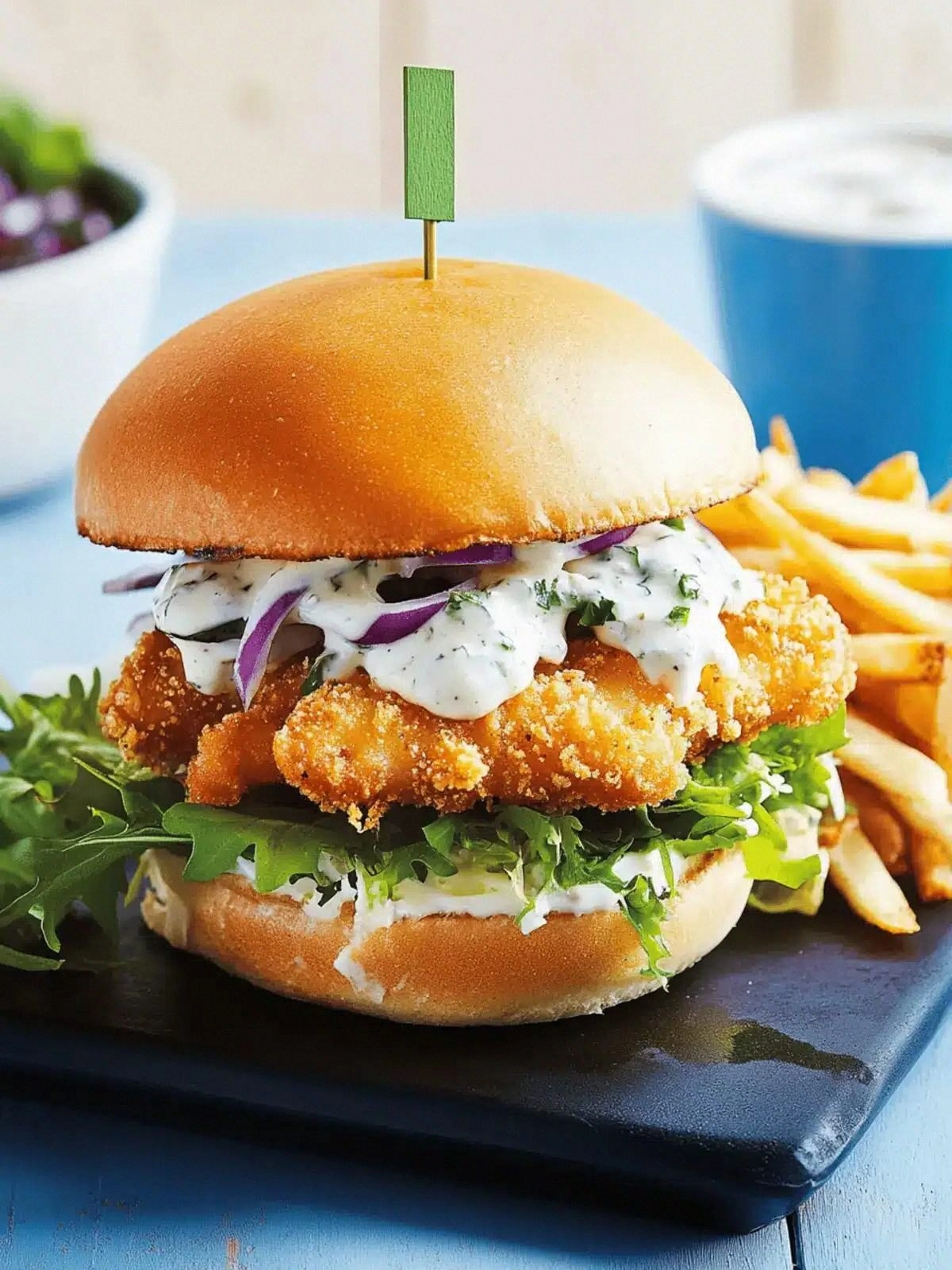
The first bite is a crackling symphony of golden edges that shatter like thin ice, followed by a tender, flaky center that melts in your mouth. The aroma—lightly herbaceous with a hint of dill—fills the air, making even the most stubborn kitchen odors seem like a distant memory. The flavor profile is a layered experience: a subtle briny bite, a burst of tartar sauce, and a creamy, cool coleslaw that balances everything. The brioche bun, toasted to a caramelized perfection, holds the composition together, acting as a soft, buttery cushion that absorbs every splash of sauce. If you’ve ever struggled to find that sweet spot between crisp and moist, this burger hits the sweet spot with a confidence that’s almost rebellious.
What makes this version stand out is not just the crispy coating or the fresh fish; it’s the meticulous attention to detail that turns a simple sandwich into an event. I’ve spent hours testing ratios, tweaking temperatures, and perfecting the timing until every element sings. The result is a burger that feels like a gourmet creation but can be whipped up in under an hour. The best part? It’s a crowd‑pleaser that will have your friends begging for the recipe, and the dish can be scaled for family dinners or a casual backyard gathering. The next few paragraphs will walk you through each step, and by the end, you’ll wonder how you ever made it any other way.
I’m not just talking about a new recipe; I’m offering a culinary revelation that redefines what a fish burger can be. The combination of a light, airy batter and a robust, herb‑infused fish fillet creates a harmony that is both comforting and adventurous. The use of sparkling water or beer in the batter gives it a subtle lift, ensuring the crust stays crisp while the interior stays moist. The fresh dill not only adds aroma but also a subtle freshness that cuts through the richness of the tartar sauce. Picture yourself pulling this out of the pan, the whole kitchen smelling incredible, and the anticipation of that first bite building to a crescendo.
What Makes This Version Stand Out
- Taste: The fish is seasoned with a light blend of salt and dill, allowing the natural flavor to shine while adding a fresh, herbal note that pairs beautifully with the tartar sauce.
- Texture: A double‑battered coating creates a crunch that holds up under the weight of the bun and toppings, while the interior remains tender and flaky.
- Simplicity: With fewer than ten ingredients and a straightforward method, you can whip this up on a weekday without sacrificing quality.
- Uniqueness: The use of sparkling water or beer in the batter gives the crust a lift that most fried fish recipes lack, producing a lighter, more airy texture.
- Crowd Reaction: Friends and family rave about the balanced flavors, and many have called it “the best fish burger I’ve ever had” after a single bite.
- Ingredient Quality: Fresh white fish, such as cod or haddock, delivers a clean, mild taste that doesn’t overpower the other components.
- Cooking Method: The quick‑fry technique ensures the fish cooks evenly, preventing a greasy, soggy outcome.
- Make‑Ahead Potential: The batter can be prepared in advance, and the fish can be stored in the fridge for up to 24 hours before frying.
Alright, let's break down exactly what goes into this masterpiece...
Inside the Ingredient List
The Flavor Base
The foundation of this burger is a simple yet powerful flavor base. The all‑purpose flour creates the structure for the crisp batter, while the baking powder introduces a subtle lift that keeps the coating airy. Salt, applied in two separate stages—once in the batter and once on the fish—balances the flavors and enhances the natural sweetness of the white fish. Fresh dill adds a bright, almost citrusy note that cuts through the richness of the tartar sauce and the buttery brioche bun.
If you’re looking to experiment, try swapping the dill for fresh parsley or chives for a slightly different herbal profile. The key is to use herbs that complement the fish without overwhelming it. Remember, the herbs should be finely chopped to distribute the flavor evenly throughout the batter. A pinch of smoked paprika can also add a subtle depth, making the dish feel more sophisticated.
The Texture Crew
The texture of this burger relies on a delicate balance between the crispy coating and the moist, flaky interior. The sparkling water or beer in the batter creates a lighter, more airy crust that contrasts beautifully with the tender fish fillet. The egg acts as a binder, ensuring the batter adheres to the fish and holds together during frying. Vegetable oil—preferably a high‑smoke‑point variety like canola or grapeseed—provides the necessary heat to achieve a golden exterior without absorbing excess oil.
When frying, keep the oil at a steady 350°F (175°C). A temperature that’s too low will soak the batter, while one that’s too high will burn the exterior before the fish cooks through. Use a thermometer or a small piece of bread to test the temperature; it should sizzle gently and rise to the surface quickly. Once the batter is golden, remove the fish from the oil and let it rest on a paper towel to drain any excess oil.
The Unexpected Star
The coleslaw and tartar sauce are the unsung heroes that elevate this burger from good to unforgettable. The coleslaw, with its crunchy cabbage and tangy dressing, adds a refreshing contrast that cuts through the richness of the fish and sauce. The tartar sauce, creamy and slightly acidic, provides a silky finish that binds the flavors together. Together, they create a multi‑sensory experience that lingers on the palate.
If you’re a fan of a bit of heat, consider adding a dash of sriracha or a sprinkle of cayenne pepper to the tartar sauce. Alternatively, swapping the coleslaw for a crisp cucumber salad can give the dish a lighter, more summery feel. The key is to maintain a balance between crunchy, creamy, and fresh elements.
Everything's prepped? Good. Let's get into the real action...
The Method — Step by Step
- Step 1: Prepare the Batter In a medium bowl, whisk together the flour, baking powder, and a generous pinch of salt. In a separate bowl, beat the egg and pour in the sparkling water or beer, stirring until the mixture is smooth. Combine the wet and dry ingredients, stirring until just incorporated; the batter should be slightly lumpy. This step is crucial for achieving the light, airy texture that defines the crust. Remember, overmixing can make the batter tough, so keep it gentle.
- Step 2: Season the Fish Pat the white fish fillets dry with paper towels. Sprinkle a light dusting of salt over each fillet, then lightly coat with fresh dill, pressing the herbs into the surface. The dill not only adds flavor but also helps the batter adhere better to the fish. Let the seasoned fillets rest for 5 minutes; this allows the salt to draw out excess moisture and enhances flavor penetration. A quick rest also keeps the fish from drying out during frying.
- Step 3: Dip and Coat Heat vegetable oil in a large skillet over medium‑high heat until it reaches 350°F (175°C). Carefully dip each fillet into the batter, ensuring an even coating that covers all sides. Gently shake off any excess batter before placing the fillet into the hot oil. The oil should sizzle immediately, indicating the right temperature. Keep the fillets in the oil for 3-4 minutes per side, until the batter is golden and crisp.
- Step 4: Fry to Perfection Flip the fillets once the first side has developed a deep golden hue. The second side should also be cooked to a crisp finish. Use tongs to handle the fish, preventing the batter from tearing. Once both sides are golden, remove the fillets from the oil and place them on a paper towel rack to drain. This step ensures that the fish remains crisp and not greasy.
- Step 5: Toast the Buns While the fish is frying, slice the brioche buns in half and lightly butter each side. Place the buns on a griddle or in a toaster oven at 350°F (175°C) until they develop a golden crust. Toasting the buns adds a buttery crunch that complements the fish’s crisp exterior. Be careful not to overtoast, or the buns will become too hard and lose their soft interior. The warm, buttery bun is the perfect vessel for the flavorful filling.
- Step 6: Assemble the Burger Spread a generous layer of tartar sauce on the bottom bun. Place the freshly fried fish fillet on top, ensuring the batter remains intact. Add a scoop of coleslaw, allowing the crunch to contrast with the creamy sauce. Finally, top with the other half of the bun, pressing lightly to keep everything in place. This assembly step is where all the flavors converge, creating a harmonious bite.
- Step 7: Serve Immediately Plate the burger and serve it hot. The contrast between the warm, crispy fish and the cool, tangy coleslaw is a sensory delight. Pair it with a side of sweet potato fries or a simple green salad for a balanced meal. If you’re hosting guests, consider presenting the burgers on a platter for a communal dining experience. The aroma alone will draw people in.
- Step 8: Enjoy and Share Take a bite and let the flavors dance across your palate. The crisp batter, flaky fish, creamy sauce, and fresh crunch create a complex yet balanced taste profile. Remember, the secret to this burger’s success lies in the meticulous preparation and timing. If you’re feeling adventurous, experiment with different sauces or buns to create your own signature version. The joy of this recipe is that it’s a platform for creativity, not a rigid formula.
That's it—you did it. But hold on, I've got a few more tricks that'll take this to another level...
Insider Tricks for Flawless Results
The Temperature Rule Nobody Follows
The key to a crispy batter is maintaining a consistent oil temperature. Use a deep‑dish thermometer to monitor the heat; aim for 350°F (175°C). If the oil is too hot, the exterior will burn before the interior cooks; if it’s too cool, the batter will soak up oil and become greasy. A quick test: drop a small amount of batter into the oil; it should sizzle and rise to the surface within 30 seconds. By keeping the temperature steady, you guarantee a uniform crust that stays crisp even after multiple fries.
Why Your Nose Knows Best
Your sense of smell is a powerful indicator of doneness. As the batter cooks, you’ll notice a nutty, toasted aroma that signals the right time to flip. If the smell becomes sharp or burnt, it’s a sign the oil is overheating. Trusting your nose can prevent over‑cooking and keep the fish moist and tender. This sensory cue is a simple yet reliable trick that seasoned cooks rely on.
The 5‑Minute Rest That Changes Everything
After frying, let the fish rest on a paper‑towel‑lined plate for at least five minutes. This rest period allows excess oil to drain and the interior to settle, preventing a soggy bite. During this time, the batter continues to firm up slightly, giving the burger a satisfying crunch. I’ve found that a brief rest also helps the flavors meld, resulting in a more cohesive taste. Skip this step, and you’ll end up with a greasy, under‑seasoned meal.
The Secret Ingredient Swap
If you’re looking to elevate the dish, try substituting the all‑purpose flour with a blend of rice flour and cornstarch. This swap creates an even lighter, crisper coating that is also gluten‑free. The ratio should be 2:1 (rice flour to cornstarch) for the best results. This variation is especially useful for those with dietary restrictions or for a more delicate texture.
The Quick‑Prep Hack
For a faster prep, mix the batter in a blender with the egg, water, and spices. This ensures a perfectly smooth batter with minimal effort. Just be careful not to over‑blend; a few lumps are acceptable and actually help create a fluffy crust. The blender method also saves time, allowing you to focus on the other components of the burger.
Creative Twists and Variations
Spicy Cajun Kick
Add a teaspoon of Cajun seasoning to the batter for a smoky, spicy edge. Pair this with a spicy mayo made from sriracha and mayo. The heat balances the mild fish flavor and adds excitement. This version is perfect for those who love a bit of fire in their meals.
Mediterranean Flair
Replace the dill with oregano and add a splash of lemon juice to the batter. Top the burger with a slice of roasted red pepper and a drizzle of tzatziki. The citrusy, herbal notes create a Mediterranean vibe that’s both fresh and satisfying. This variation works well during warmer months or when craving a light, summery dish.
Asian Fusion
Swap the tartar sauce for a sesame‑soy aioli and add thinly sliced cucumber to the coleslaw. Sprinkle toasted sesame seeds on the bun for an extra crunch. The nutty, umami flavors complement the fish’s mildness, giving the burger an unexpected twist. This fusion style is great for adventurous diners.
Cheesier Bites
Add a slice of sharp cheddar or pepper jack on top of the fish before frying. The cheese melts into the batter, creating a gooey, savory pocket. Pair this with a creamy coleslaw to balance the richness. This cheesy variation turns the burger into a hearty, indulgent treat.
Vegan Version
Use a plant‑based fish alternative and replace the egg with flaxseed or chia seed “egg.” Swap the tartar sauce for a vegan mayo blend. Keep the rest of the ingredients unchanged. This version maintains the crisp texture while being fully plant‑based.
Storing and Bringing It Back to Life
Fridge Storage
Store the assembled burgers in an airtight container in the refrigerator for up to 2 days. Keep the buns separate to avoid sogginess. When you’re ready to eat, reheat the fish and buns in a toaster oven at 350°F (175°C) for 5 minutes. The heat restores the crispness without drying out the fish. Serve immediately for the best flavor.
Freezer Friendly
Freeze the fried fish fillets before assembling the burger. Wrap each fillet individually in parchment paper and place them in a freezer bag. They can stay frozen for up to 3 months. When ready, thaw in the refrigerator overnight and reheat in a skillet until warmed through. The batter retains its crispness, and the fish stays moist.
Best Reheating Method
Reheat the burger in a skillet with a splash of water to create steam, which keeps the interior moist. Cover the skillet for 2 minutes to trap the steam. Add a tiny splash of water before reheating to steam back to perfection. This method preserves the texture and flavor profile of the freshly made burger.