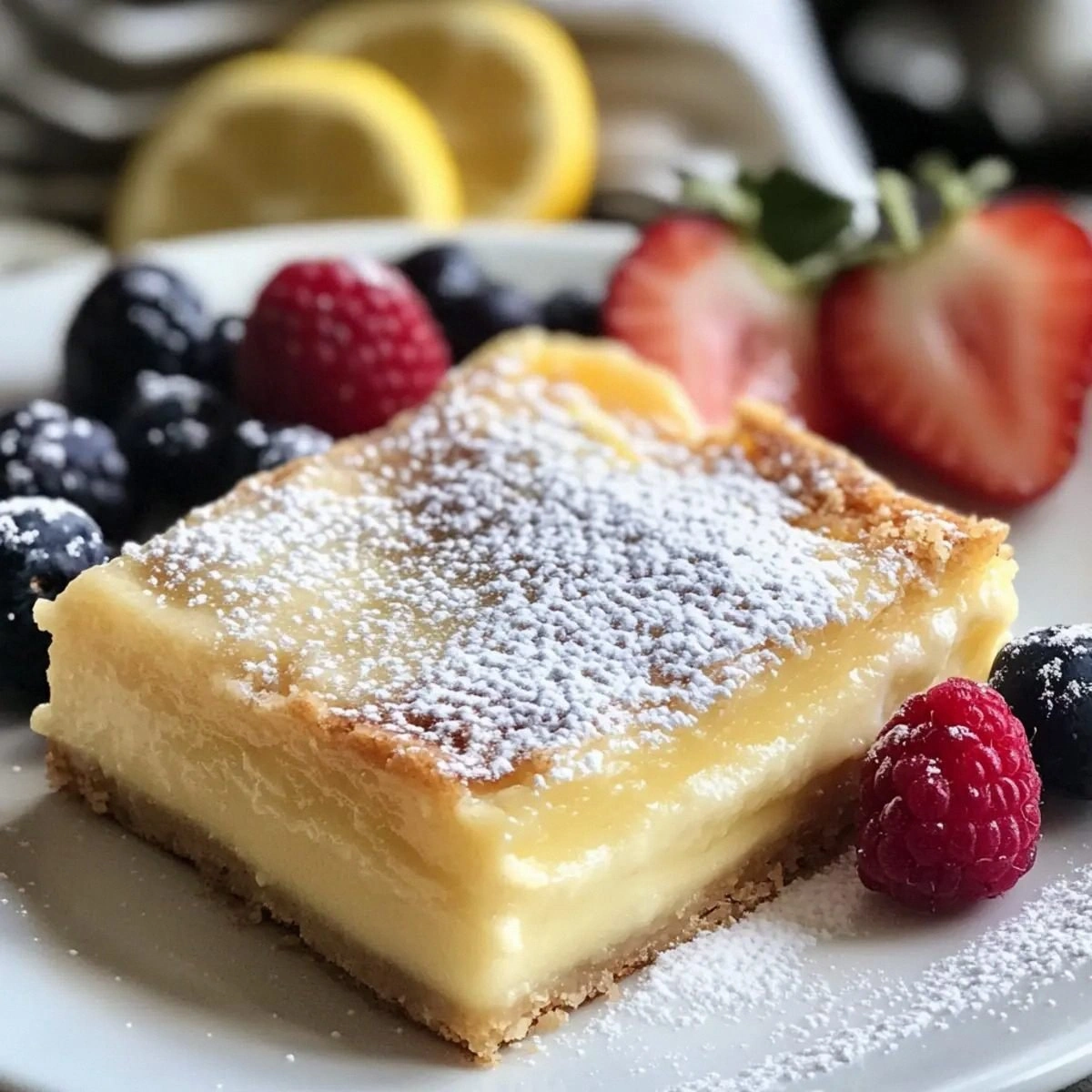
If you’ve ever found yourself craving a dessert that feels like a tropical breeze in a glass, you’ve probably tried a mango float somewhere along the way. But let’s be honest: most versions I’ve seen taste like a half‑sized mango that’s been left out too long, or a dense, overly sweet concoction that leaves you reaching for a glass of water. I remember the first time I stumbled into the world of Filipino mango float: I was scrambling to salvage a birthday cake that had been ruined by an over‑baked crust, and the only thing left was a bowl of mangoes and a few cartons of milk. That night, I mixed a handful of sweetened condensed milk with evaporated milk, poured it over sliced mangoes, and topped it with whipped cream. The result was a creamy, airy, perfectly balanced dessert that made the kitchen smell like a summer orchard. I dared myself to taste it, and the first bite was a revelation—sweet, tart, and utterly refreshing.
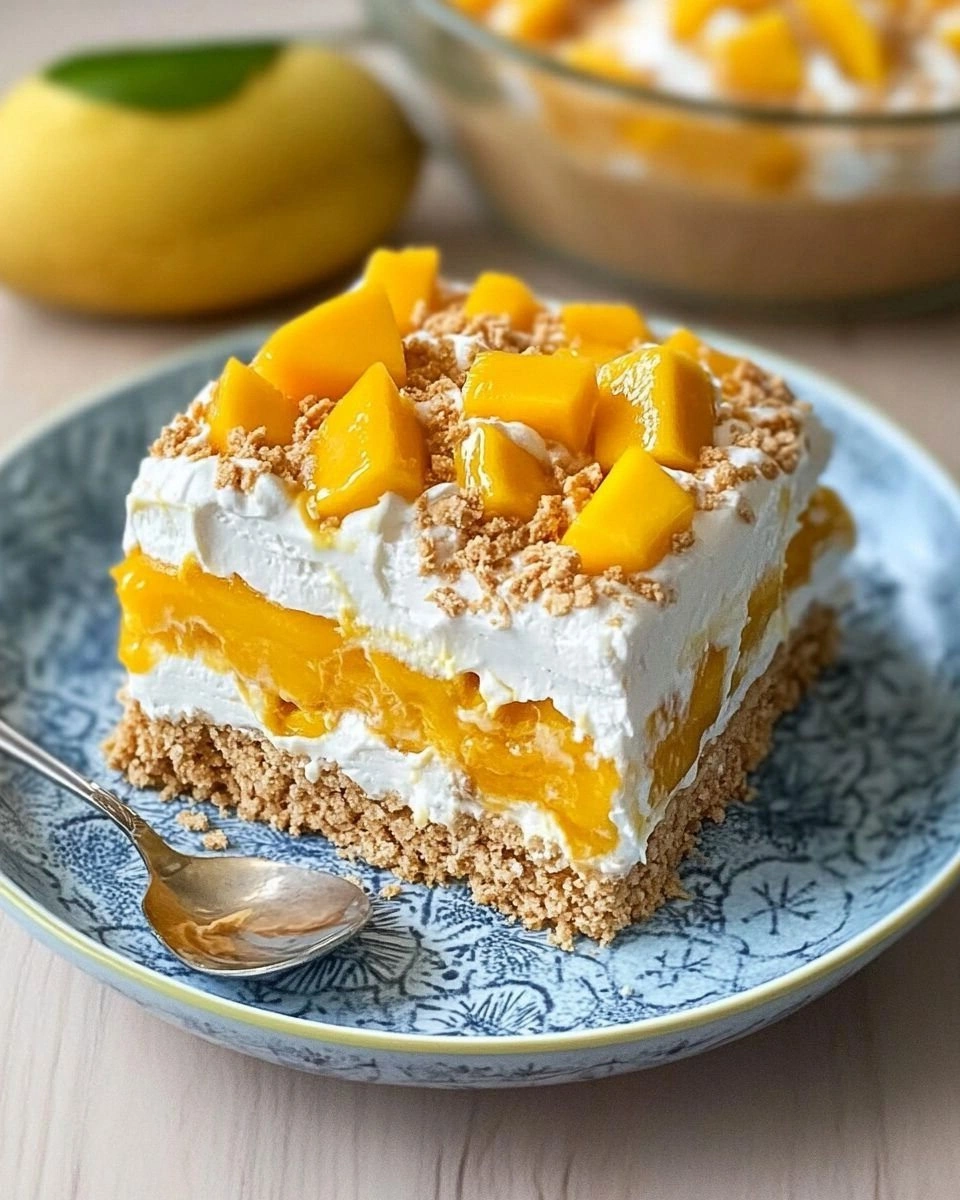
Picture this: the kitchen is humming, the air is thick with the scent of ripe mangoes, and the light from the window catches the golden glow of the fruit. My hands are slick from the cream, the spoon clinks against the glass, and the first spoonful hits my tongue like a burst of sunshine. The texture is a silky blend of soft mango flesh, light whipped cream, and a subtle crunch from the crushed crackers—each bite is a symphony of flavors and textures. I’m not just talking about the taste; I’m talking about the entire sensory experience—the way the mango’s natural sugars dance with the subtle caramel notes from the condensed milk, the way the coconut milk adds a tropical whisper, and the way the cream clouds the palate just long enough before the mango’s bright acidity snaps back into focus. It’s the kind of dessert that makes you feel like you’ve discovered a secret recipe hidden in a family kitchen, and you can’t wait to share it with everyone you love.
What sets this version apart from every other mango float you’ll find online? The answer is simple: it’s a masterful balance of sweet, creamy, and crunchy elements that doesn’t overwhelm any single component. I’ve taken the classic approach and added a few intentional tweaks—like using real coconut milk for that authentic tropical undertone, a splash of vanilla extract to deepen the flavor profile, and a pinch of salt to cut through the sweetness. I also used a high‑quality, fresh mango variety that’s naturally juicy and slightly tart, which gives the dessert a bright, refreshing finish. The result is a dessert that feels light enough to serve at a summer barbecue, yet rich enough to satisfy a craving for something indulgent. If you’ve ever tried a mango float that felt like a soggy mess or a sugary overload, you’re not alone—and I’ve got the fix.
But there’s a secret twist that most people miss: a simple step of lightly toasting the crushed crackers before layering them. This small detail adds a depth of flavor and a pleasant crunch that elevates the entire dish. And don’t forget the final flourish of a quick drizzle of caramelized condensed milk—think of it as a glossy, sweet crown that ties everything together. I promise you, by the end of this post, you’ll be wondering how you ever made mango float any other way. Let me walk you through every single step—by the end, you’ll wonder how you ever made it any other way.
What Makes This Version Stand Out
- Taste: The blend of ripe mango, sweetened condensed milk, and coconut milk creates a layered flavor profile that’s both sweet and subtly tart. The addition of vanilla extract and a pinch of salt brings out the fruit’s natural brightness.
- Texture: The combination of airy whipped cream, crunchy toasted crackers, and juicy mango slices delivers a multi‑sensory experience. Each bite is a delightful contrast of soft, creamy, and crunchy.
- Ingredient Quality: Using fresh, ripe mangoes and high‑quality coconut milk ensures a vibrant, authentic taste. The choice of graham crackers over ordinary cookies adds a subtle sweetness that complements the fruit.
- Make‑Ahead Potential: This dessert can be assembled up to 24 hours in advance. The flavors meld beautifully, and the whipped cream stays light and fluffy.
- Crowd Reaction: Guests will rave about the refreshing taste and the elegant presentation. It’s a showstopper that works for both casual gatherings and formal events.
- Unique Technique: Toasting the crackers before layering adds depth and a caramelized finish that most recipes overlook.
Alright, let’s break down exactly what goes into this masterpiece…
Inside the Ingredient List
The Flavor Base
At the heart of this dessert is the creamy, sweet foundation that binds all the elements together. Sweetened condensed milk and evaporated milk form the base, delivering a silky, caramel‑like sweetness that coats the mango slices. The coconut milk adds a subtle tropical undertone, while vanilla extract deepens the flavor profile. If you’re looking for an extra layer of richness, a packet of instant vanilla pudding mix can be folded into the milk mixture. Skipping any of these will result in a less balanced, less complex taste. For the best outcome, use full‑fat coconut milk and freshly squeezed vanilla beans if you’re feeling adventurous.
The Texture Crew
Texture is everything in a mango float. The crushed graham crackers provide a crunchy base that contrasts with the smooth cream and juicy fruit. Lightly toasting them before layering adds a caramelized depth that most recipes miss. Heavy whipping cream is folded into the milk mixture to create a light, airy topping that’s less dense than traditional cream. The mango slices should be ripe but still firm—too soft and they’ll turn the dessert soggy. A pinch of salt is essential; it balances the sweetness and enhances the fruit’s natural flavor. If you want a different crunch, try using crushed cornflakes or even toasted coconut flakes as an alternative to graham crackers.
The Unexpected Star
The star of the show is, of course, the mango. Choose a variety that’s naturally sweet yet slightly tart—Carabao or Ataulfo mangoes are excellent choices. The mango’s bright acidity cuts through the richness of the cream and the sweetness of the condensed milk, giving the dessert a refreshing finish. Slice the mango into uniform pieces to ensure even distribution of flavor in each bite. If you can’t find ripe mangoes in your area, frozen mango chunks work as a decent substitute, but make sure to thaw them completely before using. The mango’s juice should be just enough to coat the layers without soaking the crackers.
The Final Flourish
The finishing touch is a drizzle of caramelized condensed milk over the top of the assembled float. Warm the condensed milk in a small saucepan over low heat until it thickens and turns a golden amber color. This glossy drizzle adds a sweet, buttery finish that ties all the flavors together. For a more decadent twist, sprinkle toasted coconut flakes or crushed pistachios on top. A few drops of fresh lime zest can also add a citrusy brightness that balances the sweetness. If you’re serving the dessert to a crowd, consider placing the final drizzle in a small glass to keep it from spilling.
Everything’s prepped? Good. Let’s get into the real action…
The Method — Step by Step
- Begin by toasting the crushed graham crackers in a dry skillet over medium heat. Stir constantly for 2–3 minutes until they’re lightly golden and fragrant. This step will give the base a nutty aroma and a crisp texture that complements the creamy layers. Once toasted, set them aside to cool.
- In a medium bowl, whisk together the sweetened condensed milk, evaporated milk, and coconut milk until fully blended. The mixture should be smooth and slightly glossy. This is the flavor base that will coat the mango and provide the sweet, creamy foundation.
- Fold in the instant vanilla pudding mix and a teaspoon of vanilla extract. Stir until the mixture thickens slightly and the pudding is fully incorporated. The pudding mix adds body and ensures the float holds its shape when layered.
- Whip the heavy cream in a separate bowl until it forms soft peaks. Gently fold the whipped cream into the milk mixture, taking care not to deflate it. The airy texture of the whipped cream will give the dessert a light, cloud‑like finish.
- Slice the ripe mangoes into uniform cubes or thin slices, depending on your preference. A good rule of thumb is to use about 3 cups of mango, which translates to roughly 3–4 medium mangoes. The mango should be juicy but not overly soft to avoid making the float soggy.
- In a large glass or a clear plastic container, layer the toasted crackers, then spread a thin layer of the milk mixture. Follow with a generous amount of mango slices. Repeat the layers until you reach the top of the container, finishing with a layer of milk mixture.
- Cover the float with plastic wrap and refrigerate for at least 4 hours, preferably overnight. This chilling period allows the flavors to meld and the layers to set. The longer it sits, the more the cream will thicken and the crackers will soften slightly, creating a harmonious texture.
- Just before serving, drizzle the caramelized condensed milk over the top. If you want an extra touch of elegance, sprinkle toasted coconut flakes or crushed pistachios. Slice the float into individual portions and serve chilled.
That’s it—you did it. But hold on, I’ve got a few more tricks that will take this to another level…
Insider Tricks for Flawless Results
The Temperature Rule Nobody Follows
Keep all your ingredients at room temperature before you start. Cold milk and cream will make the mixture sluggish, while cold mangoes can cause the float to become too dense. Let the mangoes sit at room temperature for about 30 minutes before slicing. This simple step ensures the fruit releases its juices and infuses the dessert with a natural sweetness.
Why Your Nose Knows Best
Before you seal the float in the fridge, give it a quick sniff. If you detect any off or sour odor, the mangoes may be past their prime. A fresh, fragrant mango will have a subtle, sweet scent that’s almost citrusy. Trust your nose—if it smells off, it’s better to discard the fruit and start over.
The 5-Minute Rest That Changes Everything
After folding the whipped cream into the milk mixture, let the batter rest for 5 minutes before pouring it over the mangoes. This allows the flavors to meld and the mixture to thicken slightly, making it easier to layer without spilling. Think of it as a short “breather” that lets the ingredients settle into harmony.
The Quick Caramel Drizzle
If you’re short on time, you can skip the caramelized condensed milk and simply drizzle a small amount of honey or maple syrup over the top. The sweet glaze will add a glossy finish and a hint of depth. Just remember to drizzle in a thin stream to avoid overpowering the mango’s natural flavor.
The “No‑Bake” Secret
Some people think a mango float needs to be baked, but the beauty of this dessert is its no‑bake simplicity. Baking would ruin the delicate texture of the whipped cream and make the crackers soggy. By keeping it cold, you preserve the airy layers and the crispness of the crackers.
Creative Twists and Variations
This recipe is a playground. Here are some of my favorite ways to switch things up:
Chocolate Mango Float
Swap the graham crackers for chocolate cookie crumbs and add a drizzle of melted dark chocolate on top. The chocolate’s bittersweet notes pair wonderfully with the mango’s natural sweetness.
Tropical Pineapple Float
Replace the mangoes with fresh pineapple chunks and add a splash of lime juice to the milk mixture. The tartness of the pineapple and the citrus zing create a vibrant, tropical flavor profile.
Almond & Honey Float
Use almond flour crackers instead of graham crackers and drizzle honey over the top. The nutty crunch and honey’s natural sweetness give the dessert a comforting, earthy tone.
Berry & Cream Float
Swap the mangoes for a mix of fresh strawberries, blueberries, and raspberries. The berries add a tart contrast to the creamy layers, making this float a perfect summer treat.
Lemon Basil Float
Add finely chopped fresh basil to the milk mixture and a squeeze of lemon juice. The basil’s herbal aroma and the lemon’s brightness make for a refreshing, palate‑cleaning dessert.
Storing and Bringing It Back to Life
Fridge Storage
Store the assembled float in the refrigerator for up to 48 hours. Keep it covered with plastic wrap to prevent the crackers from absorbing odors from other foods. When ready to serve, let it sit at room temperature for 10–15 minutes to soften the whipped cream slightly.
Freezer Friendly
If you need to keep it longer, place the float in an airtight container and freeze for up to 2 weeks. Thaw overnight in the refrigerator before serving. The texture may be slightly denser, but the flavors will still be delightful.
Best Reheating Method
Reheating is not recommended, as the whipped cream will lose its airy texture. However, if you must, gently warm the float in a double boiler for 5 minutes, stirring occasionally. Add a splash of water to the milk mixture before reheating to help it steam back to perfection.