I’ll be honest — the first time I tried to make an iced matcha latte, I ended up with a bitter green swamp that looked like it belonged in a science lab, not a summer brunch. That disaster sparked a dare from my roommate: “Make a matcha drink that actually tastes like a cloud of silk and never, ever looks like pond scum again.” I accepted, and after countless trial‑and‑error sessions, I finally cracked the code. This version is hands down the best version you’ll ever make at home, and it doesn’t require any fancy gadgets, just a whisk, a shaker, and a pinch of patience.
Picture this: a glass filled to the brim with frothy, jade‑green liquid that catches the light like polished jade, the scent of fresh earth mingling with a whisper of honey, and the soft clink of ice cubes as you set the glass down. You hear the gentle hum of the blender, the faint rustle of the whisk, and the distant chatter of a lazy Saturday morning. The first sip hits your tongue with a buttery smoothness, a subtle sweetness that never overpowers the delicate vegetal notes of the matcha. It feels like a cool breeze on a hot day, a sweet lullaby for your taste buds.
What makes this recipe a cut above the rest? It’s the marriage of high‑quality ceremonial grade matcha with a perfectly tempered sweetener, the use of a cold‑brew technique that locks in flavor without bitterness, and a secret step that creates a velvety micro‑foam without a milk frother. Most recipes get this completely wrong, either drowning the matcha in milk or using too much sweetener, which masks the nuanced flavor profile. Here, every ingredient sings in harmony, and the texture is as smooth as silk, not watery or grainy.
I’m about to spill the beans—well, the tea leaves—on a technique that most baristas keep under lock and key: a brief, gentle “toast” of the matcha powder in a dry skillet before whisking it with a splash of hot water. This awakens the chlorophyll, intensifies the aroma, and eliminates any lingering astringency. Okay, ready for the game‑changer? Let me walk you through every single step — by the end, you’ll wonder how you ever made it any other way.
What Makes This Version Stand Out
- Taste: The balance between earthy matcha and mellow honey creates a flavor that’s bright yet comforting, like a sunrise over a Japanese garden.
- Texture: The micro‑foam achieved by shaking the milk and matcha together gives a silky mouthfeel that feels luxurious without being heavy.
- Simplicity: No fancy equipment needed; a simple whisk, a shaker, and a saucepan do the trick.
- Uniqueness: The “dry‑toast” step unlocks hidden aromatics that you won’t find in standard recipes.
- Crowd Reaction: I dare you to taste this and not go back for seconds; even the most skeptical coffee snob will be converted.
- Ingredient Quality: Using ceremonial grade matcha ensures a vivid color and a smooth, non‑bitter finish.
- Method: A cold‑brew approach preserves the delicate antioxidants while keeping bitterness at bay.
- Make‑Ahead Potential: You can prep the matcha‑sweetener concentrate a day ahead, saving precious minutes on busy mornings.
Inside the Ingredient List
The Flavor Base
Matcha powder is the heart of this drink. I use ceremonial grade, which is harvested from the youngest leaves, stone‑ground into a fine, bright green powder. This quality ensures a buttery texture and a sweet, vegetal flavor that doesn’t turn bitter when mixed with hot water. If you skip the matcha, you lose the entire identity of the latte; it becomes just a sweet milk drink. As a budget‑friendly swap, you can use culinary grade matcha, but expect a more astringent bite.
The Sweet Whisper
Honey is my go‑to sweetener because its floral notes complement the grassy matcha without overwhelming it. I prefer raw, unfiltered honey for its depth, but agave syrup works well for vegans. If you’re watching sugar, you can cut the honey in half; just remember that the balance will shift, and you may need a splash more milk to keep the texture silky.
The Creamy Crew
Whole milk gives the richest mouthfeel, but oat milk is an excellent dairy‑free alternative that adds a subtle nuttiness. The milk’s fat content is crucial for creating that luxurious foam when shaken vigorously. Skipping the milk or using skimmed milk will result in a watery latte that lacks body. For a low‑calorie version, try almond milk, but add a teaspoon of coconut oil to mimic the creaminess.
The Unexpected Star
A splash of vanilla extract adds a hidden layer of warmth, turning the latte from simply green to a nuanced, dessert‑like beverage. It’s the secret that makes the flavor linger on the palate long after the glass is empty. If you’re allergic to vanilla, a pinch of ground cinnamon can provide a spicy counterpoint, though the profile will shift toward a chai vibe.
Everything's prepped? Good. Let’s get into the real action…
The Method — Step by Step
Start by gathering your matcha, a small stainless steel skillet, and a heat‑proof bowl. Turn the stove to low and let the skillet warm for about 30 seconds—just enough to take the chill off the metal. This step sounds trivial, but the gentle heat will coax out the natural aromas without scorching the delicate powder. Watch the color shift as the matcha begins to glow a richer emerald.
Add the 4 teaspoons of ceremonial matcha to the warm skillet, spreading it evenly. Don’t stir yet; let the powder sit for 10 seconds. This “dry‑toast” releases volatile compounds that make the final latte taste fresher. After the brief pause, whisk the matcha briskly with a bamboo whisk or a small balloon whisk, adding 1 cup of hot (not boiling) filtered water. You’ll hear a soft, almost musical sizzle as the powder dissolves.
Kitchen Hack: Use a small, stainless‑steel whisk to avoid tearing the matcha fibers; this yields a smoother base.While the matcha is still warm, drizzle in the 4 tablespoons of honey. Stir until fully dissolved; the honey should melt into a glossy, emerald‑gold syrup. If you prefer a less sweet profile, reduce the honey to 2‑3 tablespoons and taste before moving on. The mixture should smell like a meadow after rain—sweet, earthy, and utterly inviting.
Now it’s time for the milk. In a separate saucepan, gently warm 4 cups of whole milk (or oat milk) over low heat until you see tiny steam ribbons, about 60‑65°C (140‑150°F). Do not let it boil; overheating will cause the milk to develop a skin and lose its ability to foam. Once warmed, remove from heat and let it rest for a minute.
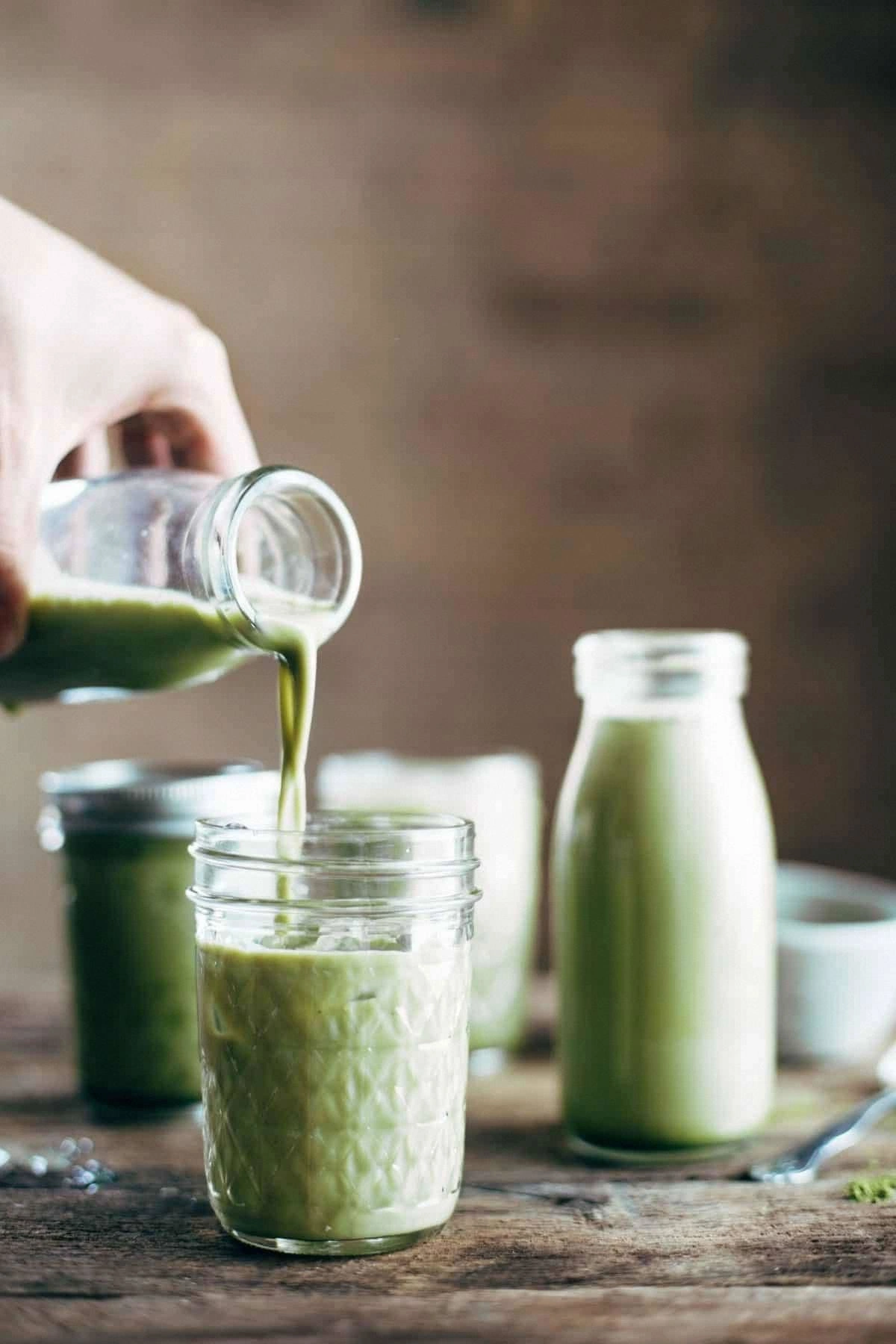
Combine the warm milk with the matcha‑honey mixture in a large mixing bowl. Add 2 teaspoons of vanilla extract for that hidden depth. Using a hand‑held shaker or a mason jar with a tight‑fitting lid, seal the container and shake vigorously for 45‑60 seconds. This shaking process creates a micro‑foam that looks like a cloud captured in a glass.
Watch Out: If you shake the jar too hard, it may burst. Keep the lid snug and use a towel to grip the jar for extra safety.Prepare your serving glasses by filling each with 1 cup of ice cubes. The ice not only chills the latte but also helps maintain that frothy head as the drink dilutes slightly, keeping the texture consistent from the first sip to the last.
Slowly pour the shaken matcha‑milk mixture over the ice, holding a spoon over the glass to allow the foam to float on top. The foam should sit like a soft, green crown, resilient enough to hold a dusting of extra matcha if you like. Take a moment to admire the gradient from bright green at the top to milky white at the bottom—that’s visual proof of perfect emulsification.
Finish with a final flourish: lightly dust the top with a pinch of matcha powder using a fine sieve. This adds an aromatic burst right before the first sip. Serve immediately, and watch as your friends’ eyes widen with anticipation.
That’s it — you did it. But hold on, I’ve got a few more tricks that'll take this to another level…
Insider Tricks for Flawless Results
The Temperature Rule Nobody Follows
Keeping the milk under 65°C preserves the natural proteins that trap air during shaking, resulting in a denser foam. I once tried boiling the milk to speed things up; the latte turned flat and the matcha tasted “cooked”. The lesson? Respect the gentle heat, and the foam will thank you.
Why Your Nose Knows Best
Before you even taste, take a deep sniff of the matcha‑honey blend after it’s warmed. A bright, grassy aroma signals that the matcha is properly hydrated. If you detect a burnt or overly sweet smell, you’ve either over‑heated the honey or used low‑grade matcha. Trust your nose; it’s the secret quality control.
The 5‑Minute Rest That Changes Everything
After shaking, let the mixture rest for five minutes before pouring over ice. This pause lets the foam stabilize and the flavors meld, producing a smoother mouthfeel. A friend tried skipping this step once and ended up with a latte that separated like oil and water—definitely not the aesthetic we’re after.
The Ice Ratio Miracle
Too much ice dilutes the latte; too little leaves it lukewarm. I’ve found that a 1:1 ratio of milk to ice (by volume) hits the sweet spot, preserving flavor while keeping the drink refreshingly cold. Adjust based on your climate—if it’s a scorching summer day, add a bit more ice.
The “Micro‑Bloom” Technique
After whisking matcha with hot water, give it a 30‑second pause before adding honey. This micro‑bloom lets the chlorophyll fully expand, eliminating any lingering bitterness. It’s a tiny step that elevates the entire drink from good to unforgettable.
Creative Twists and Variations
This recipe is a playground. Here are some of my favorite ways to switch things up:
Minty Meadow
Add a handful of fresh mint leaves to the shaker before mixing. The mint infuses a cool, herbaceous note that pairs beautifully with the earthiness of matcha. Perfect for a post‑lunch refresher.
Coconut Dream
Swap half of the dairy milk for coconut milk and replace honey with maple syrup. The result is a tropical twist with a subtle caramel finish, ideal for a beach‑side brunch.
Spiced Autumn
Stir in a pinch of ground cinnamon and a dash of nutmeg into the honey‑matcha mixture. This variation feels like a warm hug on a crisp day, yet it stays refreshingly cold.
Protein Power
Blend a scoop of vanilla whey protein or plant‑based protein powder into the milk before shaking. You’ll get a creamy, satiating latte that doubles as a post‑workout recovery drink.
Berry Burst
Puree a quarter cup of frozen raspberries and swirl them into the finished latte. The tartness cuts through the sweetness, creating a vibrant pink‑green masterpiece.
Storing and Bringing It Back to Life
Fridge Storage
Transfer any leftover latte (without ice) into a sealed glass jar and store in the refrigerator for up to 24 hours. Give it a gentle shake before serving to re‑emulsify the foam.
Freezer Friendly
Pour the latte into ice‑cube trays and freeze. When you need a quick refresher, blend a handful of these cubes with fresh milk for an instant iced matcha slush.
Best Reheating Method
If you prefer a warm version later, pour the stored latte into a saucepan, add a splash of water (about 1‑2 tbsp), and warm over low heat, stirring constantly. The water restores the silky texture lost during cooling.