I still remember the day I nearly set my kitchen on fire trying to make caramel for a cake. There I was, standing over a bubbling pot of sugar that looked like liquid gold one second and volcanic lava the next, thinking I'd ruined everything. Fast forward through three failed attempts, a very patient dog who got to lick the burnt sugar off the floor, and one triumphant success — and this Irresistible Caramel Coffee Buttercream Cake was born. This isn't just another cake recipe; it's the result of a caffeine-fueled weekend where I decided to combine my three favorite things: rich coffee, silky caramel, and cake so moist it practically melts on your fork.
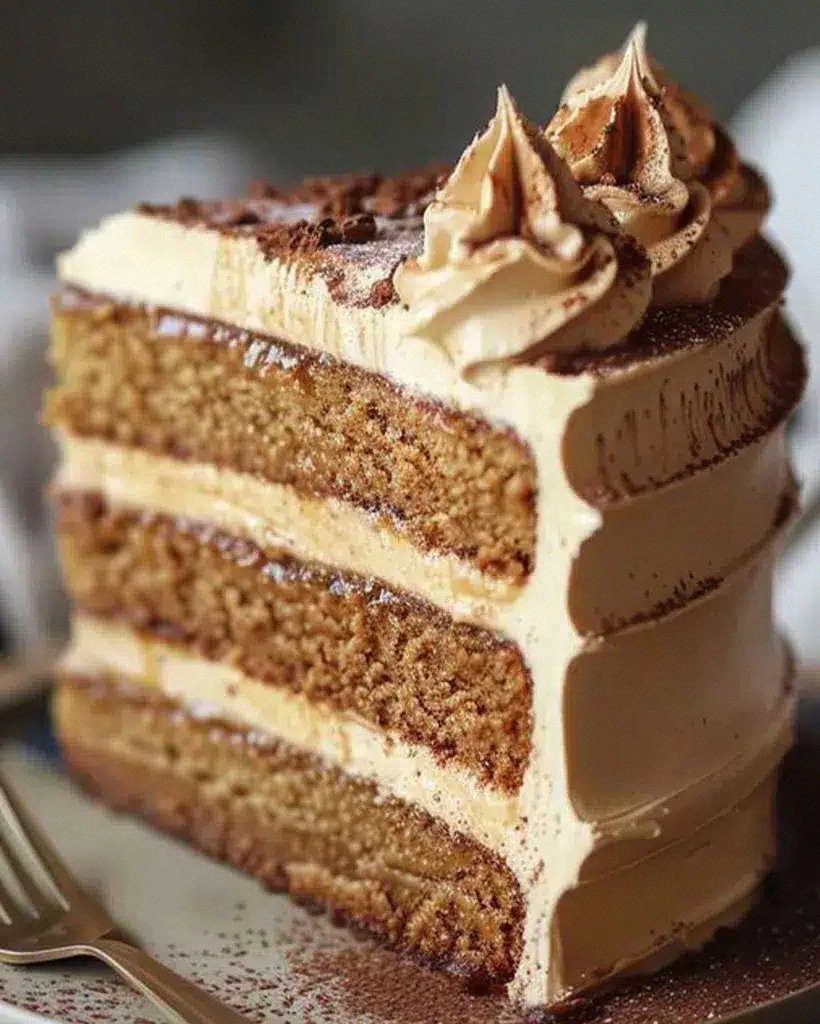
Picture this: it's 2 AM, I'm in my pajamas with flour in my hair, and I'm taste-testing the fourth version of this cake because I simply couldn't get the coffee-to-caramel ratio right. My neighbors probably thought I'd lost my mind from the smell of coffee wafting through the walls at odd hours. But here's the thing — when you nail this recipe, when you slice into those three layers of espresso-infused sponge and watch that caramel buttercream slowly cascade down the sides like a delicious waterfall, you'll understand why I went through all that trouble. The combination hits you like a warm hug from your favorite barista who also happens to be a French pastry chef.
What makes this version different from every other caramel coffee cake on the internet? Most recipes treat coffee and caramel like distant cousins who nod politely at family reunions. My version makes them dance together like they've been practicing for years. We're talking about a cake where every single component — from the sponge to the filling to that cloud-like buttercream — carries both flavors in perfect harmony. The coffee doesn't just whisper; it sings. The caramel doesn't just drizzle; it performs. And the texture? Let's just say if clouds were made of cake, they'd be jealous of how light and yet indulgently rich this masterpiece turns out.
Okay, ready for the game-changer? We're using a technique I borrowed from Italian nonnas and Japanese pastry chefs — we're making a coffee caramel syrup that gets brushed onto each layer, ensuring every bite is infused with that perfect balance of bitter and sweet. Plus, I'm going to show you how to make caramel that's foolproof (no more burnt sugar nightmares), buttercream so silky it could make a grown baker weep, and assembly tricks that'll make you look like you went to pastry school in Paris. Let me walk you through every single step — by the end, you'll wonder how you ever made it any other way.
What Makes This Version Stand Out
This isn't just another cake recipe floating around the internet — this is the cake that'll have people texting you at midnight asking for the recipe. I've tested this on picky eaters, coffee snobs, and people who claim they "don't really like sweets" (they're lying to themselves, by the way). Every single one of them went back for seconds, and some brave souls attempted thirds. The secret lies in the details that most recipes gloss over, the little moments where science meets magic in your mixing bowl.
Coffee-Forward Flavor: Unlike those timid recipes that add a teaspoon of instant coffee and call it a day, we're brewing a concentrated espresso that gets reduced into a syrup. This creates a deep, complex coffee flavor that actually tastes like your favorite artisanal roast, not like someone waved a coffee bean over the batter. The reduction process intensifies the natural sweetness while keeping that pleasant bitterness that makes coffee so addictive.
Caramel That Actually Tastes Like Caramel: Most cake recipes use caramel in name only — they melt some sugar, add cream, and wonder why it tastes flat. We're taking caramel to the edge of burning (but not over), creating those complex Maillard reaction flavors that taste like toffee, butterscotch, and liquid gold had a beautiful baby. The trick is pulling it off the heat when it's the color of an old penny, then shocking it with cold cream to stop the cooking.
Moisture Magic: Dry cake is a crime against humanity, and I've found the perfect solution. We're using a combination of brown butter, sour cream, and that coffee syrup to create a crumb so moist it stays tender for days. The protein in the sour cream tenderizes the gluten, while the brown butter adds nutty depth that makes people ask, "What is that amazing flavor I can't quite place?"
Texture Play: This cake is all about contrasts — tender cake layers, silky buttercream, gooey caramel filling, and a surprising crunch from candied coffee beans scattered on top. Each forkful gives you something new to discover, keeping your palate interested from the first bite to the last crumb. It's like a symphony where every instrument gets its solo moment.
Make-Ahead Champion: Here's the beautiful thing — this cake actually gets better after a day in the fridge. The flavors meld and deepen, the syrup distributes evenly, and you can assemble everything when you're not stressed about dinner burning. I make the components on Saturday, assemble on Sunday, and serve it to gasps of admiration at Monday night dinner.
Foolproof Technique: I've included every trick I know to prevent the common disasters — no more weeping buttercream, no more sliding cake layers, no more caramel that seizes up into a rock. Even if you've never made caramel before, my method uses a wet caramel technique that's much more forgiving than the traditional dry method. If you've ever struggled with caramel, you're not alone — and I've got the fix.
Inside the Ingredient List
Every ingredient in this cake pulls its weight and then some. I spent months tweaking ratios, swapping ingredients, and conducting delicious experiments to find the perfect balance. What you're getting here isn't just a shopping list — it's a carefully curated team where each player has a specific role in creating cake perfection. Some ingredients might surprise you (hello, instant espresso powder in addition to brewed coffee), but trust me, every single one earned its place through rigorous taste-testing. And by rigorous, I mean I gained five pounds in the name of research.
The Flavor Foundation
Dark Roast Coffee: Don't you dare reach for that sad jar of instant crystals. We're brewing 2 cups of your best dark roast, then reducing it down to ½ cup of concentrated liquid gold. This reduction intensifies the coffee flavor while concentrating the natural sugars, creating a syrup that'll make your kitchen smell like the world's best café. The coffee you choose here matters — pick something you'd actually enjoy drinking, because reduced bad coffee just tastes like stronger bad coffee. I use a single-origin Ethiopian with notes of blueberry and chocolate, which plays beautifully with the caramel.
Vanilla Bean Paste: This might seem like background noise, but vanilla is the conductor of our flavor orchestra. It bridges the gap between bitter coffee and sweet caramel, creating harmony where there might otherwise be discord. The paste gives us those gorgeous vanilla specks that tell everyone this isn't from a boxed mix. If you can't find paste, use the best vanilla extract you can afford — artificial vanilla will make your cake taste like a candle store.
Dark Brown Sugar: Here's where we build depth. The molasses in dark brown sugar adds complex notes of toffee and slight bitterness that complement both the coffee and caramel. Light brown sugar will work in a pinch, but you'll miss that robust flavor that makes people close their eyes when they take a bite. Plus, the extra moisture helps keep our cake tender for days.
The Texture Team
Cake Flour: This isn't the time for all-purpose flour to shine. Cake flour's lower protein content means less gluten development, resulting in a tender crumb that practically dissolves on your tongue. I tried this with all-purpose once — the cake was still good, but it had the texture of a coffee shop muffin rather than a cloud-like confection. If you absolutely must substitute, use 1 cup of all-purpose minus 2 tablespoons, replaced with cornstarch, but do yourself a favor and get the real thing.
Sour Cream: This is our insurance policy against dry cake. The acidity tenderizes the gluten while adding richness without weighing down the batter. Full-fat is non-negotiable here — the low-fat stuff has stabilizers that can make your cake rubbery. In a pinch, Greek yogurt works, but sour cream gives us that perfect tangy balance against all the sweetness.
Eggs at Room Temperature: Cold eggs don't incorporate properly, leading to a dense, uneven texture. Room temperature eggs whip up better, incorporating more air for a lighter cake. Planning ahead matters here — set them out 2 hours before baking, or place them in warm water for 10 minutes if you're impatient (I've been there).
The Unexpected Star
Miso Paste: Stay with me here — this is worth it. Just 1 teaspoon of white miso paste deepens the caramel flavor, adding umami that makes people ask what your secret ingredient is. It doesn't make the cake taste like soup; it just adds that mysterious something that keeps people coming back for another slice. Fish sauce works too if you're out of miso, but use half the amount unless you want your cake to taste like pho.
Sea Salt Flakes: We're not just adding salt — we're creating little flavor bombs. The flakes dissolve on your tongue, giving moments of saltiness that make the sweet flavors sing. Regular table salt will work, but you'll miss those delightful pops of salinity. Maldon is my go-to, but any flaky sea salt will do the trick.
The Final Flourish
European Butter: American butter has more water and less fat, which can lead to greasy buttercream. European-style butter has 82-86% fat, creating silkier, more stable buttercream that pipes like a dream. Yes, it's more expensive, but this cake is special occasion territory. If you're going to splurge on one ingredient, make it the butter — your taste buds will thank you.
Heavy Cream with 40% Fat: The secret to caramel that sets perfectly but still oozes seductively is the right fat content. Lower fat creams can make your caramel split or turn grainy. We're looking for that Goldilocks zone where it's rich enough to be luxurious but not so heavy that it overwhelms the delicate coffee notes.
The Method — Step by Step
Now we're getting to the good stuff — the moment where everything comes together in a beautiful symphony of sugar, coffee, and butter. I've broken this down into manageable steps because nobody wants to feel like they're juggling flaming torches while blindfolded. Take your time, read through everything twice before starting, and remember: even if something goes sideways, we're working with cake and caramel here — it's pretty hard to make that taste bad. I've eaten my fair share of "rustic" versions during testing, and they disappeared just as quickly as the pretty ones.
- Start with the Coffee Reduction: In a small saucepan, bring 2 cups of strong brewed coffee to a gentle boil over medium heat. Let it bubble away, reducing down to ½ cup — this takes about 15-20 minutes. You're looking for a syrup that coats the back of a spoon and smells intensely like the world's best espresso shot. Don't walk away from the stove here; coffee reduction goes from perfect to burnt in the blink of an eye. When it's ready, remove from heat and stir in 1 tablespoon of instant espresso powder for an extra flavor boost. Let this cool completely — warm coffee syrup will melt your buttercream into a sad puddle.
- Brown the Butter for the Cake: Cut 1½ cups of European butter into chunks and melt in a light-colored pan over medium heat. Swirl occasionally as it foams, crackles, and eventually turns golden brown with nutty-smelling milk solids at the bottom. This takes about 8-10 minutes total. The moment you see those amber-colored bits forming and smell something that reminds you of hazelnuts, pull it off the heat. Pour into a heatproof bowl, scraping in all those toasted milk solids — they're flavor gold. Cool until it's solid but still soft, about 2 hours at room temperature or 30 minutes in the fridge, stirring every 10 minutes.
- Make the Caramel Base: In a heavy-bottomed saucepan, combine 1 cup granulated sugar with ¼ cup water. Swirl (don't stir!) over medium-high heat until it turns a deep amber color — think the color of an old copper penny. This takes about 8-10 minutes. When you see wisps of smoke and smell something between toasted marshmallows and slightly burnt sugar, immediately remove from heat and whisk in ¾ cup warm heavy cream. It will bubble violently — this is normal and exciting! Return to low heat and whisk in 2 tablespoons butter until smooth. Stir in ½ teaspoon of that coffee reduction and a pinch of sea salt. Let this cool to room temperature; it will thicken as it cools.
- Prepare the Cake Batter: Preheat your oven to 350°F (175°C) and prepare three 8-inch cake pans with parchment rounds and butter. In a medium bowl, whisk together 2½ cups cake flour, 2 teaspoons baking powder, and ½ teaspoon salt. In your stand mixer, beat the cooled brown butter with 1½ cups dark brown sugar until light and fluffy — about 4 minutes. Beat in 4 eggs one at a time, then add 2 teaspoons vanilla bean paste. Mix in the white miso paste. Alternate adding dry ingredients and ¾ cup sour cream, beginning and ending with flour. Mix in ¼ cup of that coffee reduction until just combined — overmixing leads to tough cake, and nobody wants that.
- Divide and Bake: Divide the batter evenly between your prepared pans — I use a kitchen scale for perfect layers, but eyeballing works too. Smooth the tops and give each pan a gentle tap on the counter to release air bubbles. Bake for 22-25 minutes, rotating halfway through. The cakes are done when they spring back lightly when touched, and a toothpick inserted in the center comes out with just a few moist crumbs. Let cool in pans for 10 minutes, then turn out onto wire racks. While still warm, brush each layer generously with the coffee syrup — this is where the magic happens, folks.
- Create the Coffee Caramel Buttercream: In your stand mixer, beat 1½ cups of that European butter until pale and fluffy — about 5 minutes. You're looking for something that looks like whipped cream but tastes like heaven. Add 4 cups powdered sugar, one cup at a time, beating until smooth. Mix in 3 tablespoons of the coffee reduction, ½ cup of the cooled caramel, 2 teaspoons vanilla bean paste, and a pinch of salt. Beat for another 3-4 minutes until the buttercream is silky smooth and holds peaks. If it's too soft, refrigerate for 15 minutes and beat again. The texture should be like a cloud that holds its shape — pipeable but not stiff.
- Assemble with Confidence: Place your first cake layer on a serving plate or cake stand. Pipe a dam of buttercream around the edge to hold in the caramel filling. Spread ⅓ cup of caramel inside the dam — don't be shy here. Top with the second cake layer and repeat. Place the final layer on top and give your cake a gentle press to secure everything. Now, here's the professional trick: apply a thin crumb coat of buttercream all over, then refrigerate for 30 minutes. This seals in the crumbs so your final coat looks pristine.
- Finish Like a Pro: Apply your final coat of buttercream, smoothing with an offset spatula. Warm your spatula in hot water, dry it off, and smooth the sides for that bakery finish. Drizzle the remaining caramel over the top, letting it drip down the sides in gorgeous rivulets. Pipe rosettes of buttercream around the top edge using a large star tip. Decorate with candied coffee beans, chocolate-covered espresso beans, or delicate caramel shards. Refrigerate for at least 2 hours before serving — this sets the layers and makes slicing clean and easy.
- The Final Touch — Flambé (Optional but Show-Stopping): Just before serving, warm 2 tablespoons of high-proof rum or cognac. Carefully light it with a long match and pour over the top of the cake. The blue flames will dance for about 30 seconds, creating a caramelized top layer that tastes like crème brûlée. Make sure to do this away from curtains, pets, and anything flammable. The alcohol burns off, leaving just the flavor and a slight crispness to the buttercream. It's dramatic, delicious, and guaranteed to make your guests gasp.
That's it — you did it. But hold on, I've got a few more tricks that'll take this to another level. These are the secrets I learned after making this cake probably thirty times, the little details that separate a good cake from a legendary one. Because once you've mastered the basics, it's time to play in the big leagues.
Insider Tricks for Flawless Results
Here's where I share the hard-won wisdom from my many cake experiments — including the time I tried to rush the cooling process and ended up with buttercream soup sliding off my cake like a delicious avalanche. These aren't just suggestions; they're the difference between a cake that looks like it came from a fancy bakery and one that tastes like it too. I've tested every variable, timed every step, and eaten more failed attempts than I care to admit. Learn from my mistakes so you can skip straight to the part where everyone thinks you're a pastry wizard.
The Temperature Rule Nobody Follows
Room temperature ingredients aren't just a suggestion — they're the law in my kitchen. When everything's at the same temperature, they emulsify properly, creating a batter that's smooth and even. Cold eggs don't incorporate air well, leading to dense cake. Cold butter won't cream properly, giving you greasy buttercream that separates. But here's the trick: if you forgot to set things out (we've all been there), submerge your eggs in warm water for 10 minutes, cut butter into small pieces and microwave at 50% power for 8-second bursts, and warm your sour cream in the microwave for 10 seconds. Just don't let anything get hot — warm is perfect, hot is disaster.
Why Your Nose Knows Best
Your nose is the most underutilized tool in baking. When browning butter, don't just watch the color — smell for that nutty aroma that means the milk solids are perfectly toasted. When making caramel, the moment you smell something between toasted marshmallows and slightly burnt sugar, pull it off the heat. Your nose will tell you when the coffee reduction is ready — it goes from smelling like regular coffee to something intensely aromatic and slightly sweet. Trust your senses; they've been honed by thousands of years of human evolution to detect when food is perfectly cooked.
The 5-Minute Rest That Changes Everything
After you mix your batter, let it rest for exactly 5 minutes before pouring into pans. This allows the flour to fully hydrate, the leavening to activate, and any air bubbles to rise to the surface. Your cakes will bake more evenly, have a finer crumb, and rise better. A friend tried skipping this step once — let's just say it didn't end well. Her cakes domed dramatically, cracked on top, and had a weird rubbery texture around the edges. Five minutes of patience saves you from cake disappointment.
The Secret to Bakery-Smooth Buttercream
Here's what professional bakers know that home cooks don't: beat your buttercream for longer than you think necessary. After adding all ingredients, beat on medium-high for 8-10 minutes. Yes, you read that right — 8-10 minutes. This whips out air bubbles and creates that silky smooth texture that looks like fondant but tastes like heaven. The buttercream will go through stages: first it'll look curdled (panic!), then it'll come together, then it'll become glossy and smooth. Don't stop when it looks "good enough" — keep going until it looks like velvet.
The Overnight Transformation
If you can resist, make this cake a day ahead. Something magical happens overnight — the coffee syrup distributes evenly, the caramel filling sets to the perfect consistency, and the flavors meld into something greater than the sum of their parts. Wrap it loosely in plastic wrap and refrigerate. Take it out 2 hours before serving to come to room temperature. The transformation is so dramatic that I never serve this cake the same day I make it anymore. It's good fresh, but it's transcendent the next day.
Creative Twists and Variations
This recipe is a playground. Here are some of my favorite ways to switch things up: I've made this cake for birthdays, weddings, and just because it's Tuesday, and each time I tweak something to match the occasion or my mood. The base recipe is perfect as-is, but once you've mastered it, you can take it in so many delicious directions. Think of this as your canvas for edible art — some of my best variations came from happy accidents and "what if" moments at midnight.
The Mocha Hazelnut Version
Replace the miso paste with 2 tablespoons of Nutella, and fold ½ cup of toasted, skinned hazelnuts into the batter. Use Frangelico instead of rum for the flambé, and decorate with chocolate-covered hazelnuts. The nuttiness complements both the coffee and caramel beautifully, creating a Ferrero Rocher meets tiramisu situation that makes people make inappropriate noises when they eat it. Toast the hazelnuts at 350°F for 10-12 minutes until fragrant, then rub in a towel to remove skins.
The Salted Maple Bourbon Edition
Swap the caramel for maple bourbon sauce — reduce 1 cup maple syrup with ¼ cup bourbon until thick and syrupy. Add an extra ½ teaspoon of salt to the buttercream and call it "salted caramel maple" even though there's no caramel. This version tastes like Canada and Kentucky had a beautiful baby. It's especially good in fall when you want all those cozy flavors in one decadent package. The bourbon adds warmth without overwhelming the coffee notes.
The Spiced Mexican Mocha
Add 1 teaspoon cinnamon, ¼ teaspoon cayenne, and ⅛ teaspoon nutmeg to your dry ingredients. Replace 2 tablespoons of the coffee reduction with Kahlúa, and add ½ teaspoon of vanilla extract to your caramel. The spices give gentle heat that builds slowly, while the coffee and caramel keep everything grounded. This version pairs beautifully with a scoop of cinnamon ice cream on the side. It's like your favorite Mexican hot chocolate grew up and became a sophisticated layer cake.
The White Chocolate Raspberry Riff
Replace the caramel filling with white chocolate raspberry ganache — heat ½ cup cream and pour over 8 oz white chocolate, then stir in ¼ cup raspberry preserves. Use Chambord for the flambé instead of rum. The tart raspberries cut through the richness of the white chocolate, while the coffee in the cake keeps it from being too sweet. It's like a raspberry mocha in cake form, and it turns the most beautiful pink color that's perfect for baby showers or Valentine's Day.
The Tropical Coffee Coconut
Replace ½ cup of the flour with toasted coconut flour, and fold ½ cup of toasted coconut into the batter. Use coconut milk instead of heavy cream in your caramel, and add 1 teaspoon of coconut extract to the buttercream. Top with toasted coconut flakes and serve with a coconut rum flambé. This version tastes like your favorite Hawaiian coffee shop decided to make dessert. The coconut adds texture and tropical notes that make this perfect for summer gatherings.
The Breakfast-Inspired Version
Add ½ cup of crushed coffee-flavored cereal (like Coffee Crisp or even Cocoa Puffs) to your batter for crunch. Make a maple-coffee syrup for brushing the layers, and add 2 tablespoons of maple syrup to your buttercream. Top with candied bacon pieces for the ultimate breakfast-dessert hybrid. It's like someone asked, "What if coffee cake and layer cake had a beautiful, indulgent baby?" Serve this at brunch and watch people lose their minds over the concept of cake for breakfast.
Storing and Bringing It Back to Life
Fridge Storage
This cake keeps beautifully in the refrigerator for up to 5 days — if it lasts that long. The key is wrapping it properly to prevent it from absorbing other flavors. Once sliced, press plastic wrap directly against the cut surfaces before covering the whole cake. This prevents the exposed cake from drying out and keeps your buttercream from forming that weird crust. Store it in the coldest part of your fridge, not in the door where temperatures fluctuate. The caramel filling will firm up when cold, so let it sit at room temperature for 30 minutes before serving for the perfect texture.
Freezer Friendly
You can freeze individual slices or the whole cake for up to 2 months. Wrap slices tightly in plastic wrap, then foil, and place in a freezer bag. For the whole cake, freeze it uncovered for 2 hours first — this sets the decorations — then wrap in plastic and foil. Thaw overnight in the refrigerator, then let it come to room temperature for 2 hours before serving. The texture actually improves slightly after freezing — something about the freezing process helps the flavors meld even more. I've served this to people who had no idea it was ever frozen, and they asked for the recipe immediately.
Best Reheating Method
While this cake is served at room temperature, sometimes you want to revive it slightly to bring back that just-made magic. For individual slices, microwave on 50% power for 8-10 seconds — just enough to take the chill off without melting the buttercream. For the whole cake, let it sit at room temperature for 2 hours. If your kitchen is cold, place it near (not on) a warm oven for 30 minutes. Add a tiny splash of water to the cut surfaces before reheating — it steams back to perfection. Never reheat caramel-flavored things too hot, or the sugar will seize and become grainy.