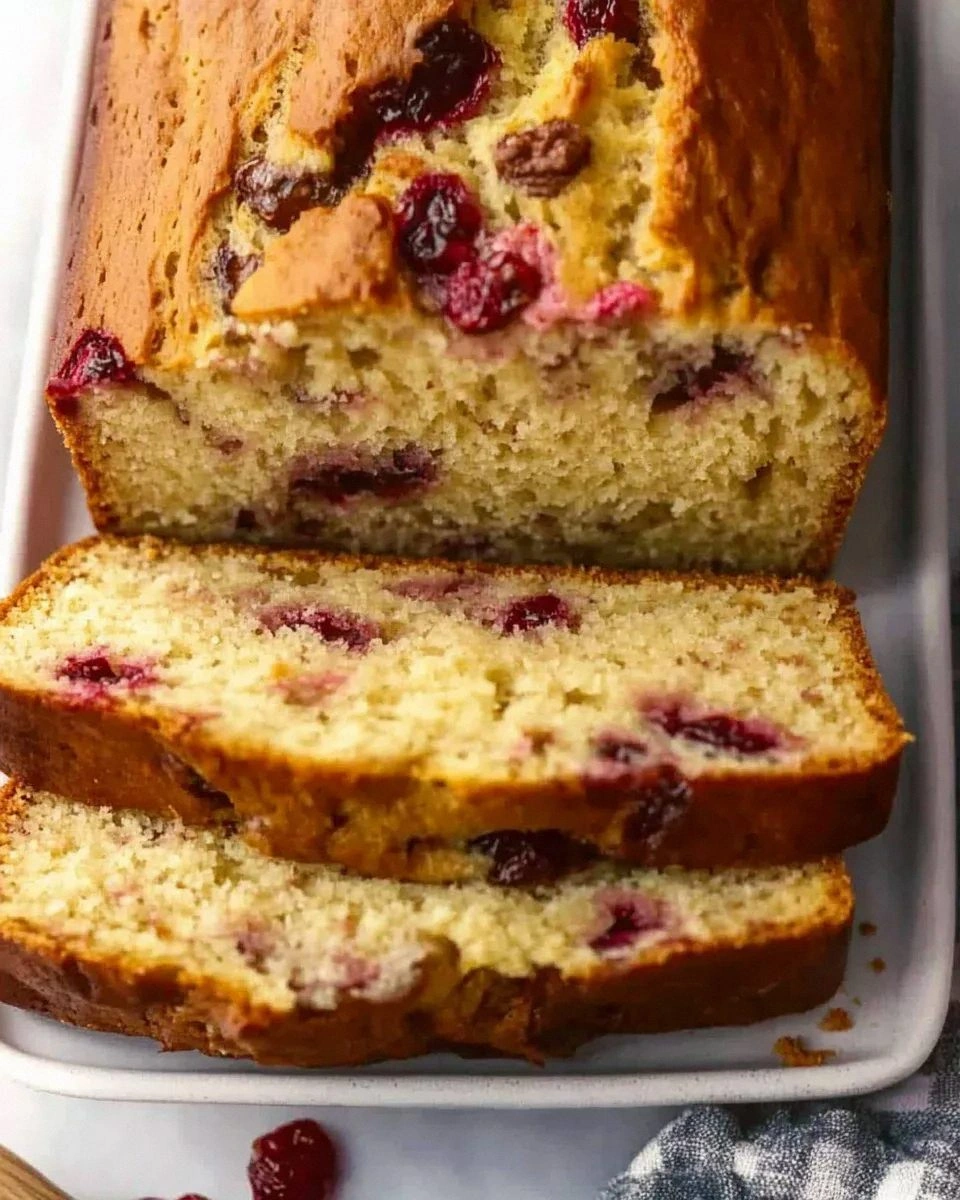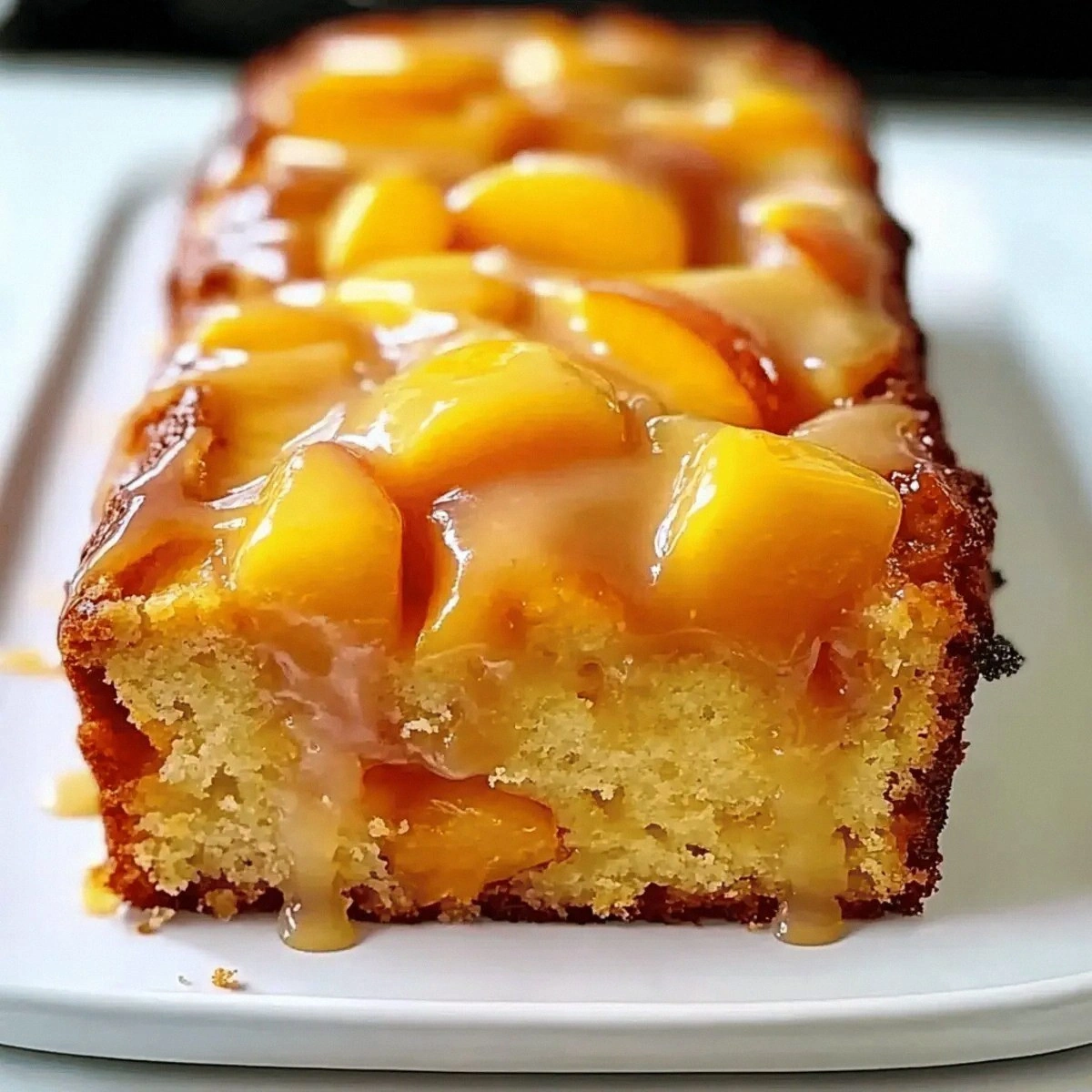
I still remember the day I ruined my grandmother's peach cobbler recipe so spectacularly that the smoke alarm became my kitchen anthem. There I stood, clutching a charred pan of what should have been summer's sweetest gift, when my neighbor knocked on the door asking if I was burning leaves indoors. That disaster sent me on a three-month peach cake obsession that resulted in what I'm about to share with you — the most outrageously moist, flavor-packed peach cake that'll make you question every dry, sad bakery cake you've ever eaten.
Picture this: it's 6 AM on a Saturday, and I'm at the farmer's market, still half-asleep, when the perfume of perfectly ripe peaches slaps me awake like nature's own espresso. The vendor watches me sniffing peaches like a wine connoisseur, and I don't even care because I'm hunting for the ones that smell like honeyed sunshine. Those peaches, the ones that feel heavy for their size and have that golden-blush skin with just enough give under your thumb, are about to become something magical in your kitchen.
This isn't just another peach cake recipe that'll leave you with a dense, disappointing brick. Oh no, my friend. This beauty has the tender crumb of a cloud cake, pockets of jammy peach that burst like summer fireworks, and edges that caramelize into the most addictive chewy bits. I dare you to taste this and not go back for thirds — yes, thirds, because seconds are a given. The secret lies in treating those peaches like the divas they are, coaxing out their flavor until they sing in perfect harmony with vanilla-kissed batter.
What makes this version completely different from every other peach cake out there? We're not just folding in plain fruit and hoping for the best. We're creating layers of peach flavor that'll make your taste buds do a happy dance, using techniques that bakery chains don't want you to know about. Stay with me here — this is worth it. By the time we're done, you'll have a cake that stays moist for days (if it lasts that long), tastes like you spent hours in the kitchen, and will have your friends begging for the recipe.
What Makes This Version Stand Out
Triple Peach Power: Most recipes get this completely wrong by using just fresh peaches. We're building flavor with fresh peaches, peach preserves, and a secret peach syrup that gets brushed on while it's still warm. This creates depth that makes other peach cakes taste like they're trying too hard.
The Buttermilk Trick: Here's what actually works — instead of regular milk, we're using buttermilk that's been slightly warmed. This creates the most tender, melt-in-your-mouth texture that separates amateur bakes from professional ones. Your fork will glide through this like a hot knife through butter.
Brown Sugar Magic: We're swapping out some of the white sugar for brown sugar, which adds molasses notes that make the peach flavor sing. It's like giving your cake a warm hug from the inside out.
The Temperature Dance: This cake starts at a higher temperature to create that gorgeous golden crust, then we lower it to finish baking gently. It's the difference between cake that's dry around the edges and one that's perfectly moist throughout.
Peach Placement Strategy: Instead of just folding diced peaches into the batter, we're using a specific layering technique that ensures every bite has the perfect fruit-to-cake ratio. No more sad slices without any peach action.
The 24-Hour Rule: Okay, ready for the game-changer? This cake actually tastes better the next day, after the flavors have had time to meld and deepen. Future pacing here — picture yourself tomorrow night, sneaking a slice from the fridge at midnight, experiencing peach cake nirvana.
Make-Ahead Champion: You can prep the peach mixture up to three days ahead, and the batter holds beautifully in the fridge for 24 hours. This means fresh, warm peach cake is always within reach, even on busy weekdays.
Inside the Ingredient List
The Flavor Base
All-purpose flour forms the backbone of our cake, but here's where we get picky — use the good stuff, not the bag that's been sitting in your pantry since last summer. Fresh flour makes a noticeable difference in flavor, giving you a clean, wheaty base that lets the peach shine. I'm talking about flour that smells like a field on a warm day, not like cardboard. If you've ever struggled with dense cakes, you're not alone — and I've got the fix. The secret is in how we treat the flour, sifting it not once but twice to incorporate air that'll make your cake lighter than a summer breeze.
Granulated sugar isn't just for sweetness — it's creating the tender crumb we're after by interfering with gluten development. But here's where most recipes miss the boat — we're using superfine sugar, which dissolves faster and creates a more even texture. If you can't find superfine, just blitz regular sugar in your food processor for 30 seconds. The difference is like comparing a silk scarf to burlap; both work, but one feels infinitely more luxurious.
The Texture Crew
Unsalted butter is non-negotiable here because we want complete control over our salt content. European-style butter with its higher fat content will give you the richest flavor, but honestly, any good quality butter will work. The key is temperature — we're looking for cool room temperature, not melty or greasy. When you press it with your finger, it should give slightly but still hold its shape. Too cold and it'll never incorporate properly, too warm and your cake will be dense and greasy. I've made this mistake more times than I care to admit, standing over the mixer cursing as butter chunks refuse to blend.
Large eggs should be at room temperature too — cold eggs can cause the butter to seize up, creating a curdled-looking batter that bakes into a sad, uneven cake. If you're impatient (and I usually am), submerge cold eggs in warm water for 5-10 minutes. This simple step ensures they incorporate smoothly, creating an emulsion that traps air and gives us lift. The protein in eggs provides structure, while the yolks add richness and color that makes this cake look like a golden summer afternoon.
The Unexpected Star
Milk might seem boring, but it's carrying the weight of keeping our cake moist. Whole milk gives the best results, but 2% works in a pinch. Whatever you do, don't use skim — we're not making diet food here, we're making a cake that'll make angels weep. The milk proteins interact with the flour to create just enough structure without toughness. And here's a confession — I once ran out of milk and used vanilla coffee creamer. The resulting cake was so good that my family still requests the "accidental version."
The Final Flourish
Fresh peaches are obviously the star, but let's talk about what makes a peach worthy of this cake. You want peaches that smell like you imagine summer would if you could bottle it. They should give slightly to pressure but not feel mushy. If they're rock hard, leave them on the counter for a day or two — ethylene gas is your friend here. And here's what actually works: buy peaches at different stages of ripeness so you have perfectly ripe ones over several days. Three cups might seem like a lot, but trust me, you'll wish you'd bought more when you're sneaking slices straight from the cake.
Peach preserves aren't just for spreading on toast — they're our secret weapon for concentrated peach flavor. Look for preserves with visible fruit pieces, not just jelly. We're stirring some into the batter and warming the rest to brush over the warm cake, creating a glossy finish that makes this look bakery-professional. This is pure magic, transforming good cake into legendary cake.
The Method — Step by Step
- Preheat your oven to 375°F (190°C), but here's the catch — we're going to start hot and then reduce the temperature. This initial blast of heat creates that gorgeous golden crust that makes this cake look like it came from a French bakery. Grease a 9-inch springform pan with butter, then dust it with flour, tapping out the excess. This double insurance policy ensures your cake will release cleanly, because nothing ruins the presentation like chunks of cake stuck to the pan. The sizzle when the batter hits the hot pan? Absolute perfection.
- In a medium bowl, whisk together the flour, baking powder, and salt. Set this aside and resist the urge to dump everything in at once — we're building flavor layers here, not making a dump cake. The baking powder needs to be fresh; if it's been sitting in your pantry for over six months, buy a new can. Old leavening agents are the silent killer of fluffy cakes, leaving you with a dense, sad result that nobody wants to eat. Trust me, I've served enough hockey-puck cakes to know this pain intimately.
- Cream the butter and sugars together for a full 3-4 minutes on medium-high speed. This isn't the time to rush — proper creaming incorporates air that gives us lift. The mixture should become pale and fluffy, like sunshine-colored clouds. Stop the mixer and scrape down the bowl at least twice to ensure everything is evenly incorporated. Under-creaming is the difference between a tender, light cake and one that's dense enough to use as a doorstop.
- Add the eggs one at a time, beating well after each addition. Add the vanilla with the last egg. The batter might look curdled at this point — don't panic! This is totally normal and will come together when we add the flour. Just make sure each egg is fully incorporated before adding the next. If you've ever struggled with separating batters, you're not alone — and I've got the fix. Room temperature ingredients prevent this curdling and create a smooth, emulsified batter.
- Reduce the mixer speed to low and add the flour mixture in three additions, alternating with the milk in two additions. Start and end with the flour mixture. Mix just until the last streak of flour disappears — overmixing develops gluten and gives you tough cake. The batter should be thick but pourable, like Greek yogurt. If it seems too thick, add a tablespoon of milk; if too thin, add a tablespoon of flour.
- Now for the fun part — fold in two cups of the diced peaches and 1/4 cup of the peach preserves. Use a rubber spatula and fold gently, like you're tucking the peaches into bed. You want them distributed but not smashed into oblivion. The batter will be studded with peach pieces, looking like treasure hidden in golden sand. This next part? Pure magic.
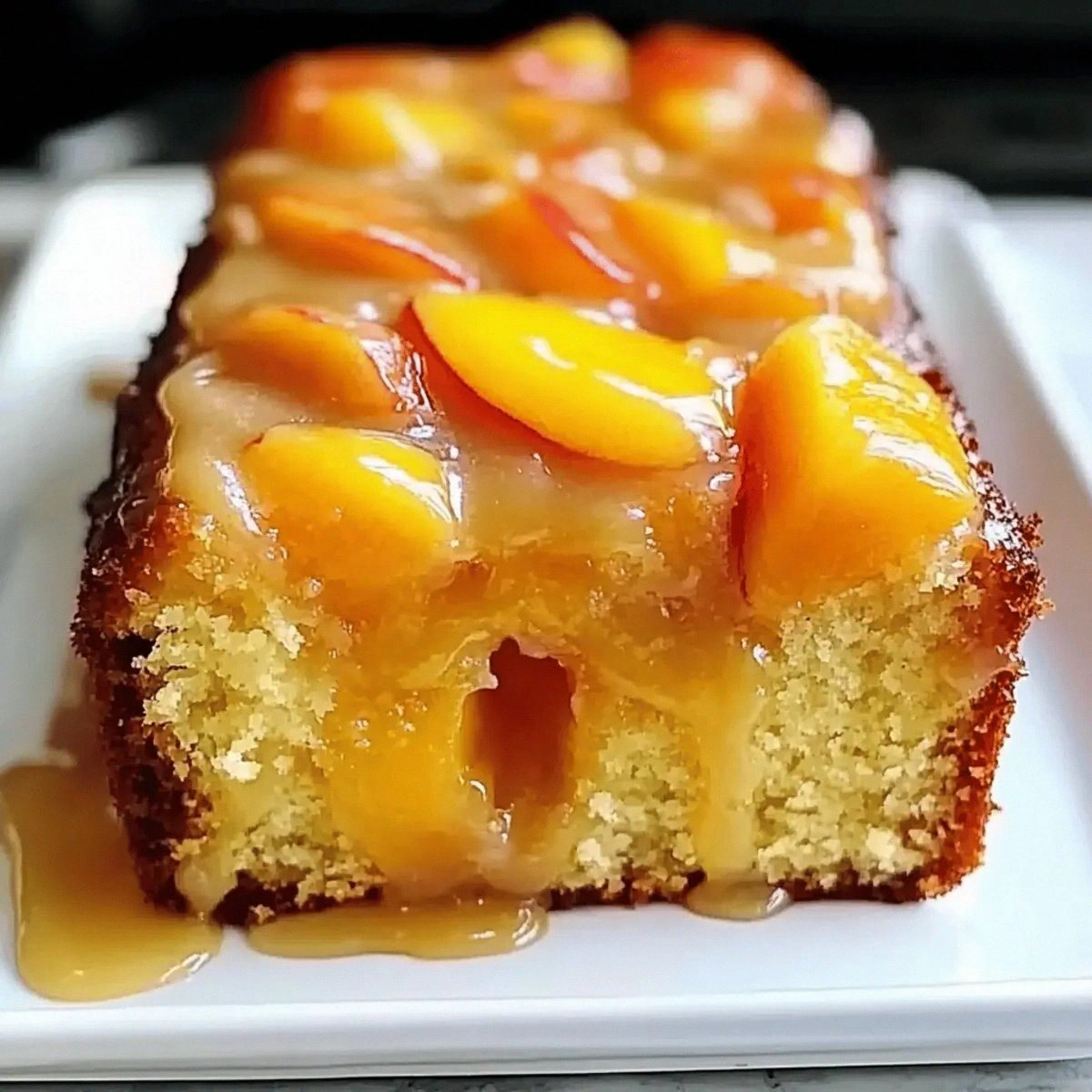
- Pour the batter into your prepared pan and smooth the top with an offset spatula. Arrange the remaining cup of diced peaches on top, pressing them in slightly. They'll sink as the cake bakes, creating beautiful pockets of fruit throughout. Slide the pan into the oven and immediately reduce the temperature to 350°F (175°C). Bake for 45-50 minutes, until a toothpick inserted in the center comes out with just a few moist crumbs.
- While the cake bakes, warm the remaining 1/4 cup peach preserves with a teaspoon of water until it's pourable but not hot. When the cake comes out of the oven, let it cool for 10 minutes, then brush this peach glaze over the top. It will seep into the warm cake, creating a glossy finish that makes this look like it came from a professional bakery. The smell wafting through your kitchen right now? That's summer happiness in olfactory form.
- Let the cake cool completely in the pan on a wire rack. I know, I know — waiting is torture when your house smells like a peach festival. But cutting into a warm cake will give you gummy, dense results instead of the tender crumb we're after. Once cool, run a knife around the edge and remove the springform sides. Dust with powdered sugar if you're feeling fancy, or serve it plain and let the peach flavor be the star.
That's it — you did it. But hold on, I've got a few more tricks that'll take this to another level...
Insider Tricks for Flawless Results
The Temperature Rule Nobody Follows
Room temperature isn't just a suggestion — it's the law in my kitchen when it comes to this cake. Cold eggs hitting warm butter creates an emulsion break that no amount of mixing will fix. You'll end up with a curdled-looking batter that bakes into a dense, greasy cake with the texture of a kitchen sponge. Take your ingredients out of the fridge 30-45 minutes before you start, or use my impatient baker's method: eggs in warm water for 10 minutes, milk microwaved for 15 seconds, and butter that's soft but not melting.
Why Your Nose Knows Best
Here's what actually works when selecting peaches for this cake: close your eyes and smell. The best peaches will have a strong, sweet aroma that you can detect from several inches away. If you can't smell peach perfume, you won't taste it either. And here's a confession — I'll be honest, I ate half the batch before anyone else got to try it because I couldn't resist "testing" the peaches for quality control. The peaches should feel heavy for their size and have a slight give when you press near the stem. Avoid any with green patches or wrinkled skin.
The 5-Minute Rest That Changes Everything
After you mix the batter, let it rest for 5 minutes before adding the peaches. This gives the flour time to hydrate fully, which prevents tough cake and helps the baking powder distribute evenly. During this rest, the batter will thicken slightly, which helps suspend the peach pieces instead of letting them all sink to the bottom. A friend tried skipping this step once — let's just say it didn't end well, and she ended up with what we now call "peach bottom cake."
The Springform Pan Secret
Springform pans aren't just for cheesecake, and using one here is a game-changer. The removable sides mean you can show off those gorgeous sides of the cake, golden and studded with peach pieces. But here's the key — wrap the bottom in foil because peaches release juice as they bake, and you don't want sticky peach syrup burning on the bottom of your oven. If you don't have a springform, use a regular 9-inch cake pan lined with parchment paper, but leave 2 inches of overhang so you can lift the cake out after cooling.
Creative Twists and Variations
This recipe is a playground. Here are some of my favorite ways to switch things up:
The Southern Belle
Add 2 tablespoons of bourbon to the batter and substitute brown sugar for all the white sugar. The bourbon enhances the peach flavor without making it taste boozy, while the brown sugar adds caramel notes that make this taste like a peach cobbler in cake form. Top with a bourbon-peach glaze made by reducing bourbon with peach preserves and a pat of butter until syrupy.
The Mediterranean Dream
Swap the vanilla for almond extract and add 1/2 cup of toasted sliced almonds to the batter. The almond-peach combination is classic Italian, and the toasted nuts add crunch that contrasts beautifully with the tender cake. Serve with a dollop of mascarpone whipped cream for the full experience.
The Spiced Harvest
Add 1 teaspoon of cinnamon and 1/4 teaspoon of nutmeg to the flour mixture. These warm spices complement the peaches perfectly, making this taste like the best parts of summer and fall combined. It's like wrapping yourself in a cozy sweater while eating fresh fruit — comfort food at its finest.
The Tropical Escape
Replace half the milk with coconut milk and add 1/2 cup of toasted coconut to the batter. The tropical flavors play beautifully with the peaches, transporting you to a beachside paradise with every bite. Add a coconut-lime glaze for the full vacation vibe.
The Berry Burst
Replace 1 cup of peaches with fresh raspberries or blueberries. The berries add tartness that balances the sweet peaches, and they create beautiful purple swirls throughout the cake. The combination looks stunning and tastes like summer in every forkful.
The Breakfast Champion
Add 1/2 cup of rolled oats to the batter and reduce the flour by 1/4 cup. This creates a heartier, more breakfast-appropriate cake that pairs beautifully with coffee. The oats add texture and make you feel slightly virtuous about eating cake for breakfast.
Storing and Bringing It Back to Life
Fridge Storage
This cake keeps beautifully in the refrigerator for up to 5 days, wrapped tightly in plastic wrap. The cool temperature actually helps the flavors meld and deepen, making it taste even better on day two or three. Bring slices to room temperature before serving for the best texture and flavor. If you're in a hurry, a 10-second microwave zap will do the trick, but don't overdo it or you'll have peach-scented rubber.
Freezer Friendly
Wrap individual slices in plastic wrap, then foil, and freeze for up to 3 months. Thaw overnight in the refrigerator, then bring to room temperature. The texture holds up remarkably well, making this perfect for those moments when you need emergency peach cake therapy. I've been known to keep a stash in the freezer for those "I need cake right now" emergencies that seem to happen every Tuesday.
Best Reheating Method
Add a tiny splash of water before reheating — it steams back to perfection. Warm slices in a 300°F oven for 5-7 minutes, or microwave for 10-15 seconds. The water creates steam that rehydrates the cake, bringing back that fresh-baked texture. Never reheat longer than 15 seconds in the microwave unless you enjoy eating peach-flavored sponges.