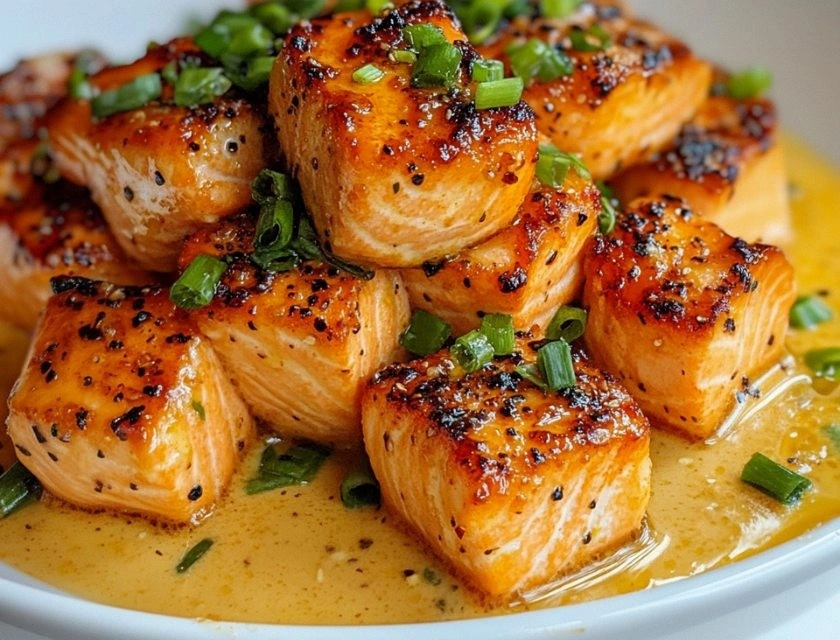
I burned through three pounds of salmon last week trying to nail this dish. Not because I'm clumsy—okay, partly because I'm clumsy—but mostly because once I tasted the first tentative version, I became a woman possessed. The sweet-heat glaze lacquered the fish like crimson glass, the edges caramelized into candy-like shards, and the center stayed buttery enough to make me close my eyes and sigh. I kept telling myself, "Just one more tweak," and suddenly it was midnight and I'd eaten half the experiment standing at the stove, fork in one hand, sticky sauce on my chin, promising the empty pan I'd stop after the next bite. Spoiler: I did not stop. And now I'm sharing the payoff with you, because friendship means letting someone else share the calories, right?
Bang Bang Salmon sounds like a gimmick—another internet recipe with a cute name and not much else. Most versions I've tried taste like someone squirted spicy mayo on overcooked fish and called it revolutionary. This one is different. We're talking about salmon that emerges from the oven with a mirror-shine glaze that cracks under your fork, releasing aromas of toasted sesame, garlic, and chili that make neighbors knock on your door "just to check if everything's okay." The sauce is layered: sweet first, then a slow-building heat that blooms across your tongue like a sunset, finishing with a whisper of lime that leaves you ready for the next bite before you've swallowed the first.
Picture yourself on a Tuesday night. You're still wearing your work hoodie, hair in the messy bun that started the day as a classy top-knot. The mail is in a pile by the door, the dog is circling like a shark because it's twenty-seven minutes past dinner time, and you're about to pull a sheet pan from the oven that turns the whole kitchen into a high-end izakaya. The salmon sizzles, the glaze bubbles like molten lava, and suddenly that grim Tuesday feels like a Friday in Bangkok. That's the power move we're making here.
Let me walk you through every single step—by the end, you'll wonder how you ever made it any other way.
What Makes This Version Stand Out
Before we get elbow-deep in sauce, let me brag—briefly, I swear—about why this recipe deserves real-estate on your crowded roster. I've tested every hack, shortcut, and wild idea so you don't have to, and these are the non-negotiables that deliver:
- Double-Glaze Technique: We brush on a thin coat mid-roast, then blast under the broiler for a lacquer that shatters like crème brûlée while the inside stays silky. One coat is polite; two coats are addictive.
- Custom Chili Oil: Instead of store-bought Sriracha, we bloom Korean gochugaru in hot sesame oil for a smoky, fruity heat that tastes expensive. It keeps in the fridge for a month and upgrades everything from fried rice to scrambled eggs.
- Reverse Sear Logic: Low oven first, then a broiler finish. The gentle heat melts the salmon's natural fats so they self-baste, and the final blast caramelizes sugars without turning the fish into chalk.
- Powdered Honey Trick: A teaspoon of honey powder (or finely granulated honey) in the rub creates micro-pockets of sweetness that blister into tiny candy chips. You get pops of sweet crunch without globs of sticky glaze sliding off.
- Umami Bomb Paste: White miso plus fish sauce doesn't taste like either—it just tastes deeper, like the salmon spent a summer vacation in Japan and came back cooler than all your other proteins.
- Make-Ahead Hero: The glaze keeps five days in the fridge, and you can prep it while your coffee brews on Sunday. Monday-through-Thursday dinners suddenly feel like takeout, minus the delivery fee and soggy steamed vegetables.
- Crowd Psychology: Serve this at a dinner party and watch people fight over the crispy edge pieces, then quietly slice the center medallions when they think no one's looking. It's the great equalizer—no one remains dignified.
Alright, let's break down exactly what goes into this masterpiece...
Inside the Ingredient List
The Flavor Base
Great Bang Bang starts before the salmon even leaves the fridge. The first layer is a quick miso rub—just a whisper—that seasons the flesh from the inside out. I use white miso because it's mellow, slightly sweet, and packed with glutamates that make your brain light up with "MORE PLEASE" signals. Blend it with a splash of warm water until it's the texture of paint you'd actually want on your walls, then smear it on every exposed surface of the fish. Don't be shy; think of it as a protective flavor jacket. Skip this step and your salmon tastes fine, but with it, the fish takes on a savory bass note that makes the sweet-heat glaze sound like a symphony instead of a garage band.
The Texture Crew
Texture is where most recipes punt. They hand you a bowl of mayo and hot sauce and call it a day. We want contrast: crackle giving way to custardy richness, sticky sauce yielding to clean flakes of fish. Panko breadcrumbs tossed with sesame oil toast under the broiler into golden nuggets that shatter between your teeth. A light dusting of cornstarch on the salmon skin before roasting turns it into a wafer you can snap and share like potato chips. And that honey powder I mentioned? It melts, bubbles, and hardens into micro-lollipops that pop when you bite them. If you can't find honey powder, run granulated honey through a spice grinder for ten seconds; just don't inhale the cloud or you'll sneeze for a week.
The Unexpected Star
Here's the curveball: a single kaffir lime leaf. I keep them in my freezer door between the frozen peas and that bag of edamame I've sworn I'll finish since 2019. Crumble half a leaf into the glaze and it releases this electric citrus perfume that makes the chili taste brighter, the honey taste floral, and the salmon taste like it was kissed by a tropical breeze. If you absolutely can't find them, substitute a strip of organic lime zest, but promise me you'll hunt online for kaffir lime leaves soon. They last forever in the freezer and turn ordinary weeknight chicken into something that makes you hum while you chew.
The Final Flourish
After the oven, we hit the fish with fresh lime juice, thinly sliced scallions, and a snow flurry of toasted sesame seeds. Those last-minute additions aren't just Instagram confetti; they add high notes that lift the heavy glaze, keeping each bite lively. Toast your sesame seeds in a dry pan until they start popping like sesame fireworks, then immediately dump them onto a cold plate so they don't carryover-brown and taste bitter. I keep a small jar on my counter at all times because they make salads feel like celebrations and plain rice taste like dessert. Everything's prepped? Good. Let's get into the real action...
The Method — Step by Step
- Start with dry salmon. Moisture is the enemy of caramelization, so pat those fillets aggressively with paper towels until they feel tacky, like suede. Lay them skin-side down on a wire rack set over a sheet pan and park them uncovered in the fridge for thirty minutes if you have time; the circulating cold air acts like a mini desert, drying the surface so the glaze sticks instead of sliding into a puddle. While you wait, crank your oven to 275°F (135°C). Low and slow first—that's our insurance policy against overcooked, albumin-speckled fish that looks like it's crying.
- Whisk together the miso paste, warm water, and fish sauce until it looks like beige paint. Brush it onto every exposed surface of the salmon, then season lightly with kosher salt. Yes, the miso is salty, but a whisper more amplifies the sweetness we'll add later. Let the fish sit at room temperature while you make the glaze so it isn't ice-cold when it hits the oven, ensuring even cooking. Cold protein plus hot heat equals tough exterior and raw center—physics is a buzzkill, but we respect it.
- For the glaze, combine gochugaru, sesame oil, honey, rice vinegar, soy sauce, grated garlic, grated ginger, and the crumbled kaffir lime leaf in a small saucepan. Heat gently until it just begins to bubble; you want the chili flakes to bloom and the raw edge off the garlic, not a rolling boil that spatters your backsplash like a crime scene. Pull it off the heat and whisk in a teaspoon of cornstarch if you crave that sticky, lacquer finish. The mixture should coat the back of a spoon and taste like sweet heat with a citrus chaser. Resist the urge to drink it—save your dignity for dinner.
- Roast the salmon for twelve to fifteen minutes, depending on thickness. You're aiming for the center to hit 115°F (46°C) if you're using an instant-read thermometer—carryover cooking will finish the job. The flesh should flake under gentle pressure but still shimmer translucently in the middle. If you're eyeballing it, watch the sides: when the color turns from deep coral to pale peach halfway up the fillet, it's time to glaze. Don't wait until it's opaque all the way through or you'll be serving salmon jerky.
- Brush on the first coat of glaze, using a pastry brush you actually clean instead of the one that's been sitting in your drawer since Thanksgiving. Be generous but not sloppy; you want an even layer that hides the miso base and starts building that candy shell. Slide the pan under a preheated broiler set to high, rack positioned six inches from the element. Close the door and hover like a helicopter parent. In sixty to ninety seconds the glaze will bubble, darken, and form tiny charred freckles—pull it when it smells like caramelized chili and looks like red stained glass.
- Repeat the glaze-broil dance one more time. Yes, this is extra. Yes, it is worth washing another brush. The second layer adds depth and creates those dramatic shards that snap under your fork, revealing the juicy fish beneath. Between coats, keep a watchful eye; broilers are moody and can catapult from perfect to carbon in the time it takes to sip your wine. If you smell acrid smoke, you've gone too far—open a window, blame the dog, and vow to hover closer next time.
- While the salmon rests for five minutes (patience, friend), toss panko with a drizzle of sesame oil and a pinch of salt in the same hot pan. Return to the oven for two minutes, stirring once, until the crumbs are golden and fragrant like sesame breadsticks. This quick step yields crunchy nuggets that stay crisp even after they hit the saucy fish. Cool them slightly; hot sugar plus tender tongue skin equals a week of regretting everything.
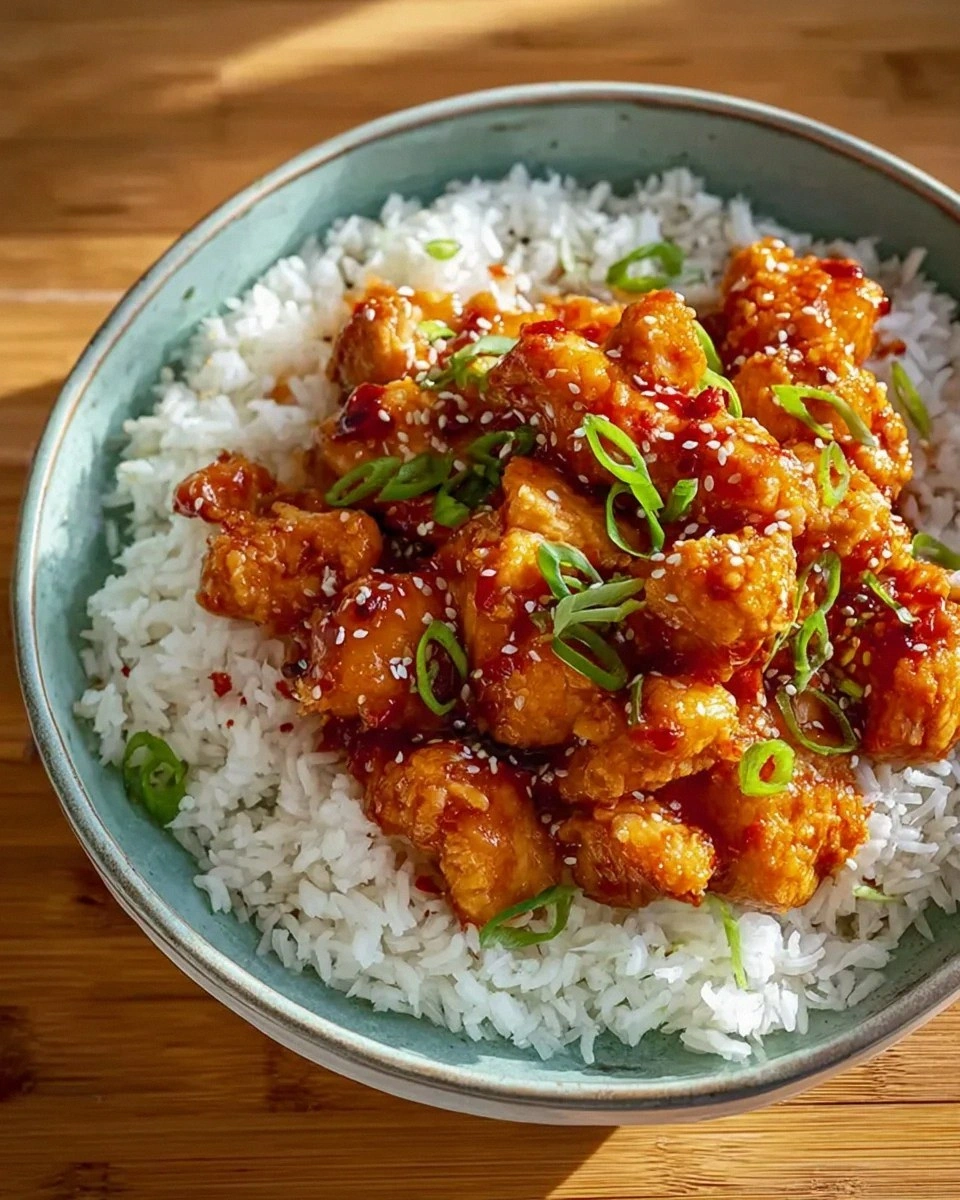
- Plate the salmon over steamed rice or buttery noodles so the glaze can drip its spicy-sweet love down below. Shower with the toasted panko, sliced scallions, sesame seeds, and a final squeeze of lime. The first bite should give you crackling crust, succulent fish, and a sauce that clings like velvet but finishes bright and clean. If your eyes don't roll back just a little, add another squeeze of lime and a pinch of flaky salt. We eat with our feelings here.
Insider Tricks for Flawless Results
The Temperature Rule Nobody Follows
Pull salmon at 120°F (49°C) for medium; it climbs to 125°F (52°C) while it rests. Anything past 130°F (54°C) and the proteins seize like an over-tightened fist, squeezing out moisture faster than you can apologize. If you don't own an instant-read thermometer, today is the day—spend twenty dollars and save yourself from twenty future dinners of edible cardboard. Insert the probe into the thickest part at an angle, away from the pan or any bones, and trust the number, not the clock. Your future self, relaxed with a glass of Riesling instead of panic-googling "why is my salmon dry," will thank you.
Why Your Nose Knows Best
Caramelized honey smells like toasted marshmallows right before it tips into bitterness. When that scent drifts from the oven, you've got a fifteen-second window to pull the fish. I keep the vent fan off on purpose so I can track the progression: raw sugar, bubbling honey, toasted nuts, danger zone. It's like having a built-in kitchen timer that doesn't need batteries. Miss the signal and you'll taste acrid char that no amount of scallions can hide; catch it and you're rewarded with deep, complex sweetness that tastes like you studied pastry in Paris instead of binge-watching Netflix.
The Five-Minute Rest That Changes Everything
Resting isn't optional. The proteins relax, juices redistribute, and the glaze sets into that glossy lacquer you see in restaurant photos. Tent loosely with foil—don't swaddle like a burrito or the steam melts your candy shell. Use the downtime to plate rice, pour drinks, or finish that side salad you swore you'd make. When you finally slice into the fillet, it should hold together in clean flakes rather than collapsing into sad, wet shreds. Patience is a virtue, but it's also the difference between Instagram gold and hot mess.
Salmon Shopping Like a Pro
Look for fillets that smell like the ocean, not the funk of low-tide mud. The flesh should bounce back when pressed, leaving no visible fingerprints. If you're buying skin-on, check for shiny, iridescent skin; dull, grey patches mean it's been sitting around since last week's fishing trip. Thicker center-cut pieces cook more evenly than skinny tail sections that taper into shoe leather. And don't shy away from frozen—modern flash-freezing locks in freshness better than the "previously fresh" stuff that's been riding on ice packs for three days.
Creative Twists and Variations
This recipe is a playground. Here are some of my favorite ways to switch things up:
Thai Coconut Escape
Swap the honey for coconut sugar and whisk two tablespoons of coconut milk into the glaze. The resulting sauce tastes like tom khai meets candy shop. Sprinkle toasted coconut flakes on top for tropical crunch. Serve alongside mango sticky rice and pretend you're on a beach where Tuesdays don't exist.
Smoky Maple Bourbon
Replace the honey with dark maple syrup and flame off a tablespoon of bourbon in the saucepan. Add a pinch of smoked paprika and finish with crumbled cooked bacon. It tastes like breakfast at a cabin, minus the mosquitoes and questionable outhouse.
Gochujang Explosion
Double the gochugaru and add a teaspoon of gochujang paste for extra fermenty funk. The deeper heat blooms slowly, building in your chest like a K-drama crescendo. Top with kimchi crumbs—bake chopped kimchi at 200°F until dried and crisp—for salty-tangy fireworks.
Citrus Soba Splash
Stir yuzu juice (or a mix of lime and orange if yuzu is elusive) into the glaze and serve the salmon chilled over soba noodles tossed with julienned cucumber. It's bright, refreshing, and perfect for August nights when turning on the oven feels like a crime against humanity.
Pineapple Rum Luau
Puree fresh pineapple and reduce it with the honey until thick and glossy. Add a splash of dark rum and grill the salmon instead of broiling for charred tropical vibes. Garnish with grilled pineapple rings and mint. Warning: may cause spontaneous hula dancing.
Sesame Crunch Bonanza
Roll the glazed fillet in a mix of black and white sesame seeds before the final broil. They toast into a nutty crust that crackles like brittle. Drizzle with a tiny bit of hot chili oil for dramatic color contrast and a final kick that sneaks up like a plot twist.
Storing and Bringing It Back to Life
Fridge Storage
Cool leftovers completely, then slide into an airtight container with a tight sheet of plastic wrap pressed directly onto the surface. This prevents the glaze from absorbing fridge odors and keeps the fish from drying out. It'll stay stellar for up to three days, though the topping will soften. Store any extra panko separately in a zip bag so you can re-crisp it in a dry skillet for thirty seconds and sprinkle back on top like you just cooked fresh.
Freezer Friendly
Freeze individual portions on a parchment-lined sheet pan until solid, then transfer to freezer bags with as much air removed as possible. The glaze may look slightly dull after thawing, but a quick kiss under the broiler restores shine. Thaw overnight in the fridge, never on the counter—slow defrosting keeps the texture silky rather than spongy. Use within one month for best flavor, though I've admittedly unearthed a forgotten fillet at the two-month mark and still devoured it with gusto.
Best Reheating Method
Warm gently in a 275°F oven for ten minutes, adding a tiny splash of water to the pan and tenting with foil to create a steam sauna that revives moisture. Skip the microwave unless you enjoy rubbery fish that tastes like regret. For a speedy lunch, flake cold salmon over a salad with crisp veggies and a squeeze of lime; sometimes the rebirth is better than the original.