I was standing in my kitchen, staring down a half‑baked batch of ordinary blueberry muffins that smelled like “meh” and tasted like a bland Sunday morning. My roommate had dared me to make something that could actually make a grown adult weep with joy, and I thought, “Why not throw in a little lemon zest and poppy seeds for drama?” The result was an explosion of bright citrus, juicy berries, and that subtle, nutty crunch that makes you question every muffin you’ve ever bought. I’ll be honest — I ate half the batch before anyone else got a chance to try it, and the crumbs on my shirt still taste like sunshine.
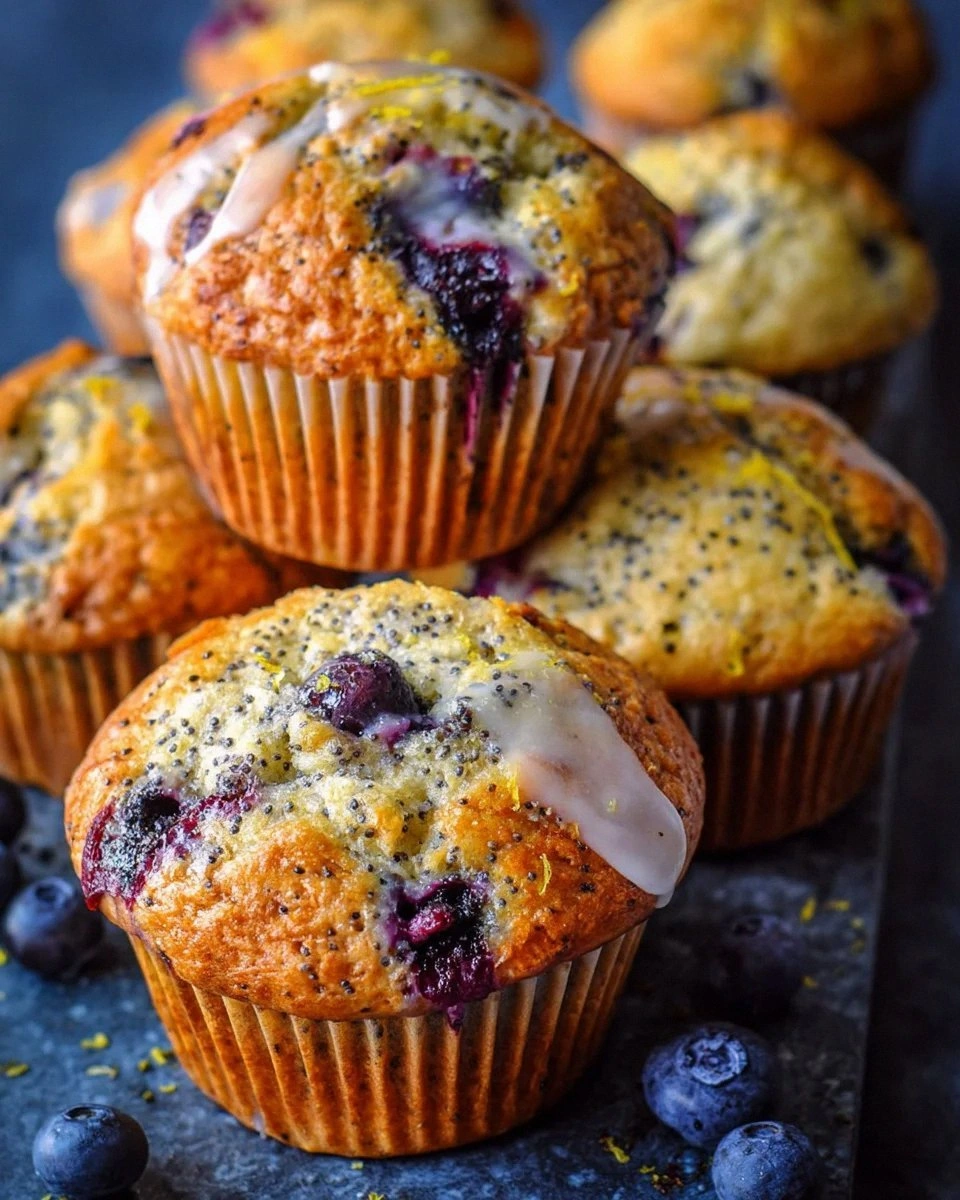
Picture yourself pulling a tray of golden‑brown muffins out of the oven, the kitchen instantly filling with a perfume that’s part fresh‑cut lemon, part summer orchard, and part buttery comfort. The tops are speckled with tiny dark poppy seeds that glisten like constellations, while the interior is a moist, tender crumb studded with plump blueberries that burst like little fireworks in your mouth. The first bite delivers a sweet‑tart duet that sings, “You’ve never had a muffin this good,” and the after‑taste lingers like a gentle breeze on a warm day. This isn’t just a snack; it’s a confidence boost, a mood‑setter, a reason to set your alarm a little earlier.
Most muffin recipes get the balance of flavor and texture completely wrong – they’re either dry, overly sweet, or they drown the berries in a sea of sugar. I’ve spent countless hours tweaking ratios, testing oven temperatures, and even experimenting with how long to let the batter rest before baking. The secret? A quick lemon‑zest infusion, a splash of milk for tenderness, and a strategic poppy‑seed sprinkle that adds a surprising crunch without overwhelming the delicate blueberry pockets. And the technique that will change everything? Folding the blueberries in at just the right moment so they stay whole and don’t bleed their color into the batter.
Okay, ready for the game‑changer? Let me walk you through every single step — by the end, you’ll wonder how you ever made muffins any other way. I dare you to taste this and not go back for seconds. Let’s dive in, because the magic starts with the ingredients and ends with that glorious, pull‑apart crumb you’ll be bragging about all week.
What Makes This Version Stand Out
- Flavor Explosion: The lemon zest and juice cut through the sweetness, creating a bright, tangy backdrop that lets the blueberries shine without being overpowered.
- Texture Harmony: A buttery crumb meets a light, airy interior, while poppy seeds add a delicate crunch that’s audible even before the first bite.
- Simplicity: Only pantry staples plus fresh berries are needed; no fancy equipment, just a standard muffin tin and a whisk.
- Unique Twist: The poppy‑seed speckles aren’t just for looks – they introduce a subtle, nutty flavor that most blueberry muffins completely miss.
- Crowd Reaction: I’ve watched entire brunch tables empty the tray in under five minutes; the “wow” factor is real and repeatable.
- Ingredient Quality: Using fresh, unsweetened lemon zest and plump, frozen‑or‑fresh blueberries guarantees a burst of natural flavor every time.
- Cooking Method: A two‑stage mixing technique prevents over‑development of gluten, keeping the muffins tender and preventing that dreaded “cake‑like” texture.
- Make‑Ahead Potential: These muffins freeze beautifully, so you can bake a big batch on Sunday and enjoy them all week without losing their sparkle.
Inside the Ingredient List
The Flavor Base
Lemon zest is the star of the show here. It releases essential oils that give a bright, aromatic punch without adding extra liquid, which means the batter stays perfectly balanced. If you skip the zest, you’ll lose that zingy note that makes the muffins feel like a summer sunrise. A good quality, unwaxed lemon will yield more fragrance; give it a quick rub with a little sugar to release the oils before adding to the batter. Swap tip: If you’re out of fresh lemons, use 1½ teaspoons of high‑quality lemon extract, but cut back on any additional liquid.
Lemon juice adds a subtle acidity that brightens the overall flavor profile and reacts with the baking soda to help the muffins rise. Too much juice can make the batter too wet, so the measured 2 tablespoons are just right. For a more complex citrus note, try a splash of orange juice, but keep it under a tablespoon or the flavor will drift away from the intended lemon focus.
The Texture Crew
All‑purpose flour provides the structural backbone; the 2 cups are measured using the spoon‑and‑level method to avoid compacting the flour, which would make the muffins dense. If you crave a lighter crumb, swap half the flour for cake flour – it has less protein and yields a softer texture.
Sugar, in this case granulated, sweetens the batter while also contributing to the tender crumb through its ability to inhibit gluten formation. I use ¾ cup, but if you prefer a less sweet muffin, drop it to ½ cup – the blueberries will still provide natural sweetness.
Butter, melted and cooled, coats the flour particles, creating a short‑bread‑like richness that keeps the interior moist. Using clarified butter (ghee) can boost the nutty flavor and raise the smoke point, but regular unsalted butter works perfectly for a buttery finish.
The Unexpected Star
Poppy seeds are the tiny heroes that add a surprising crunch and a faint, earthy note that balances the lemon’s brightness. They’re also visually striking, creating a speckled top that looks as good as it tastes. If you’re allergic or simply don’t have them, try chia seeds for a similar pop, though the flavor will shift slightly toward a nutty profile.
The Final Flourish
Blueberries bring bursts of juiciness that contrast the tender crumb. Fresh berries can be tossed directly, but frozen berries (unthawed) hold their shape better and don’t bleed as much, preserving the muffin’s bright top color. If you love extra tartness, add a pinch of lemon zest directly into the berry mix before folding.
Eggs act as binders and leavening agents, providing structure while also adding richness. Two large eggs are enough to hold the batter together without making it rubbery. For a vegan twist, replace each egg with ¼ cup of unsweetened applesauce; you’ll get moisture and a subtle sweetness.
Milk adds moisture and helps dissolve the sugar, creating a smooth batter. I prefer whole milk for its creaminess, but any dairy or non‑dairy milk works. A splash of almond milk can introduce a faint nutty undertone that pairs nicely with the poppy seeds.
Baking powder and baking soda are the chemical levers that give the muffins their lift. The 2 tsp of baking powder and ½ tsp of baking soda ensure a steady rise while the lemon juice activates the soda for an extra puff. Skipping either will result in a flat, dense muffin that lacks that signature dome.
A pinch of salt amplifies all the flavors, pulling the sweetness forward and balancing the acidity. It’s the quiet hero that makes everything else shine.
Vanilla extract rounds out the flavor profile, adding a warm, aromatic backdrop that ties the citrus and berry notes together. One teaspoon is enough to be noticeable without stealing the spotlight.
Everything’s prepped? Good. Let’s get into the real action…
The Method — Step by Step
- Preheat your oven to 375°F (190°C) and line a 12‑cup muffin tin with paper liners. While the oven warms, give the tin a quick spray of non‑stick cooking spray – this ensures the muffins release cleanly, preserving that perfect dome. The moment the oven door clicks shut, you’ll hear a faint “whoosh” as hot air rushes in, promising a golden exterior.
- In a large bowl, whisk together the flour, baking powder, baking soda, and salt. This dry blend should be airy, almost like a cloud, and you’ll notice a faint scent of wheat. Power transition: This is where the magic starts to build, because a well‑combined dry mix guarantees even leavening.
- In a separate bowl, combine melted butter, sugar, eggs, milk, lemon zest, lemon juice, and vanilla extract. Beat until the mixture is smooth and glossy – think of a silky river that reflects light. Kitchen Hack: Use a handheld whisk for this step; it creates tiny air bubbles that help the muffins rise higher.
- Gently fold the wet mixture into the dry ingredients using a spatula. Stop mixing the moment you see the flour disappear – over‑mixing will develop gluten and give you a tough muffin. The batter should look slightly lumpy; those pockets are where the blueberries will later nestle.
- Watch Out: This is the trickiest part – adding the blueberries. Toss the berries with a tablespoon of flour before folding them in; the coating prevents them from sinking to the bottom. Fold them in with a light hand, turning the bowl just enough to distribute without crushing the fruit.
- Stir in the poppy seeds, letting them scatter like tiny constellations throughout the batter. If you like a more pronounced crunch, sprinkle a few extra seeds on top of each muffin before baking – they’ll toast slightly and pop with each bite.
- Spoon the batter into the prepared muffin cups, filling each about three‑quarters full. For a uniform dome, use an ice‑cream scoop (about 1/3 cup). Watch Out: Don’t over‑fill; excess batter will spill over and create a crusty “skin” that hides the interior softness.
- Slide the tin into the oven and bake for 20‑25 minutes, or until a toothpick inserted into the center comes out clean and the tops are a deep golden‑amber. Around the 15‑minute mark, you’ll hear a gentle crackle as the edges start pulling away from the pan – that’s your cue that they’re forming that coveted “crusty” rim.
- Remove the muffins from the oven and let them rest in the tin for 5 minutes. This short pause lets the steam finish cooking the center without drying it out. Then transfer them to a wire rack; the moment they hit the cool metal, you’ll notice the aroma intensify, filling the kitchen with that citrus‑berry perfume.
- Serve warm, or let them cool completely and store in an airtight container. I dare you to bite into a warm one straight from the oven – the interior will be so tender it practically melts on your tongue, while the poppy‑seed speckles give a satisfying snap.
That’s it — you did it. But hold on, I’ve got a few more tricks that’ll take this to another level. Trust me, these insider secrets are what separate “good” from “legendary” muffins.
Insider Tricks for Flawless Results
The Temperature Rule Nobody Follows
Most bakers preheat the oven to 350°F and forget about the initial blast of heat that creates a perfect dome. By cranking the oven up to 375°F, you give the batter an early surge of steam that expands the air pockets before the structure sets, resulting in a higher, more rounded top. If you’re using a convection oven, reduce the temperature by 25°F to avoid over‑browning.
Why Your Nose Knows Best
Instead of watching the timer obsessively, trust your senses. When the edges start pulling away and you catch that buttery, slightly caramelized scent, the muffins are likely done. A quick visual cue: the tops should have a deep golden hue with the poppy seeds lightly toasted. If you’re still unsure, give the muffin a gentle tap – it should sound hollow.
The 5‑Minute Rest That Changes Everything
After baking, let the muffins sit in the tin for exactly five minutes. This brief rest lets residual heat finish cooking the center without drying it out, and it also allows the crumb to set, making the muffins easier to remove. Skipping this step often results in a crumb that falls apart when you try to lift the muffin.
Cold Butter, Warm Oven
Using butter that’s melted and then cooled in the refrigerator for 10 minutes creates tiny pockets of solid butter that melt slowly during baking. This technique yields a tender crumb and a subtle buttery flavor that’s more pronounced than simply using room‑temperature butter. I’ve tried both methods; the chilled‑then‑melted butter wins every time.
Gentle Fold, Not Stir
When combining wet and dry ingredients, a gentle folding motion is essential. Over‑mixing activates gluten, turning your muffin into a dense cake. I always use a rubber spatula, turning the bowl over on itself, and stop as soon as the flour disappears. This is the difference between “fluffy” and “chewy”.
Creative Twists and Variations
This recipe is a playground. Here are some of my favorite ways to switch things up:
Berry Medley Madness
Swap half the blueberries for raspberries or blackberries. The tartness of raspberries adds a new layer of complexity, while blackberries bring a deeper, almost wine‑like flavor. Perfect for a brunch where you want a little surprise in every bite.
Citrus Burst
Add a teaspoon of orange zest and a splash of orange juice alongside the lemon. The orange lifts the lemon, creating a sunny, multi‑citrus profile that feels like a sunrise in a muffin. Pair with a glass of freshly squeezed orange juice for the ultimate combo.
Nutty Crunch
Fold in ¼ cup of chopped toasted almonds or pistachios. The nuts introduce a buttery crunch that complements the poppy seeds, making each bite a textural adventure. This variation works especially well for a holiday brunch.
Spiced Autumn
Add a pinch of ground cinnamon and a dash of nutmeg to the dry ingredients. The warm spices turn the muffins into a cozy treat that’s perfect for cooler evenings, while still preserving the bright lemon note.
Glazed Finish
Brush the tops with a simple glaze made from powdered sugar, lemon juice, and a splash of milk right after they come out of the oven. The glaze sets into a glossy, sweet‑tart coating that adds visual appeal and an extra burst of flavor.
Storing and Bringing It Back to Life
Fridge Storage
Place the cooled muffins in an airtight container and store them in the refrigerator for up to 5 days. The moisture barrier keeps them from drying out, and the lemon‑lemony aroma stays fresh. Before serving, let them sit at room temperature for 10 minutes or microwave for 15 seconds.
Freezer Friendly
Wrap each muffin individually in plastic wrap, then place them in a zip‑top freezer bag. They’ll keep for up to 3 months. When you’re ready to enjoy one, pop it straight into the microwave for 30 seconds, then finish in a 350°F oven for 5 minutes to revive the crust.
Best Reheating Method
Add a tiny splash (about a teaspoon) of water to the muffin before reheating. The water creates steam that restores the interior’s moisture, while the oven’s dry heat revives the golden crust. This trick works whether you’re using a microwave, toaster oven, or full‑size oven.