I was standing in my kitchen, staring at a half‑empty pantry and a sudden craving that felt like a tiny thunderstorm in my gut. I had a bag of frozen dumplings, a lonely pack of instant ramen, and a jug of chicken broth that had been waiting for a purpose since the last winter. My mind was racing with the question: could I turn these humble staples into something that would make my friends gasp, “Is that really ramen?” I dared myself to try, because honestly, I’m the kind of person who turns a pantry raid into a culinary showdown. The result? A bowl so comforting it could hug you from the inside, and I’m about to spill every secret.
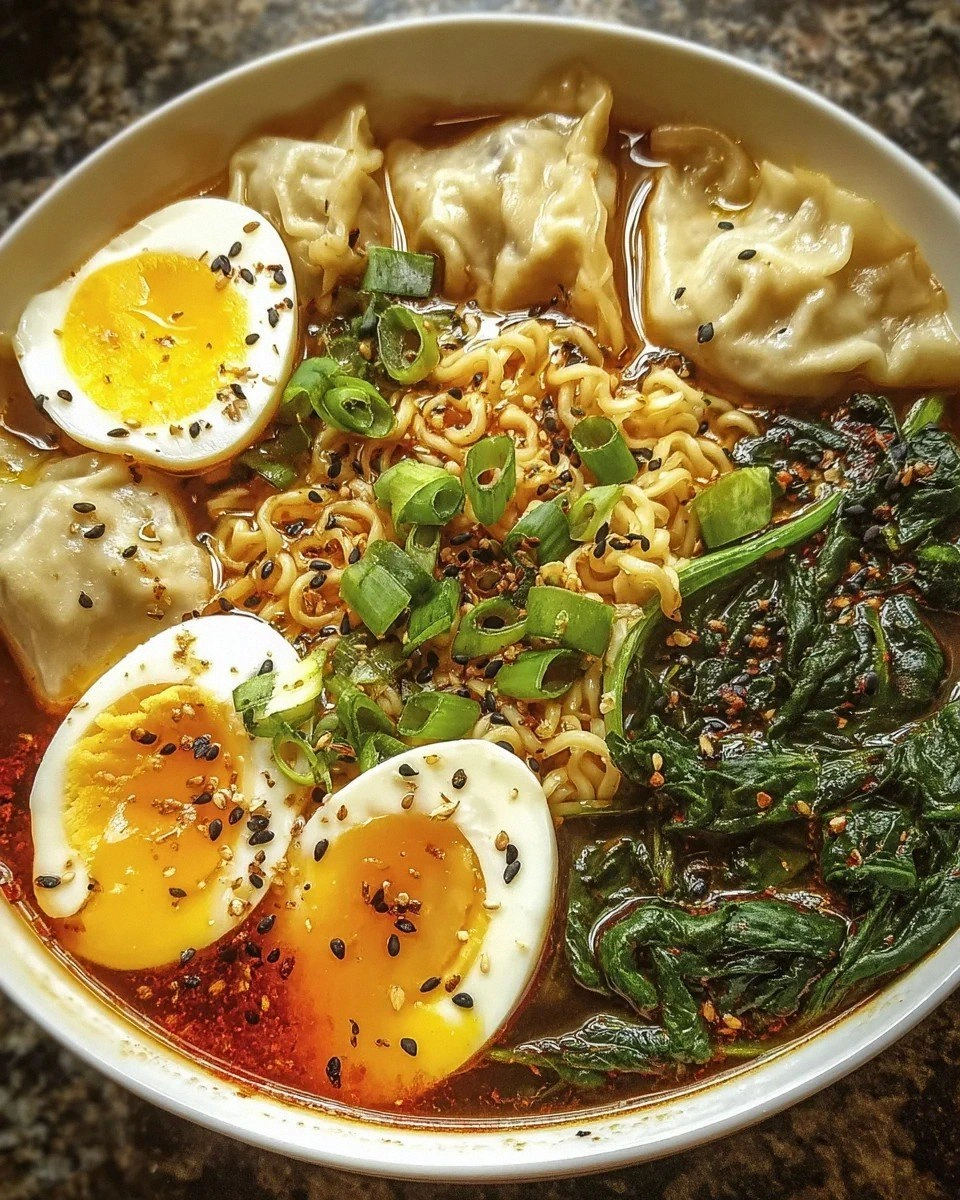
Picture this: steam rising like a soft white cloud, the scent of soy sauce and sesame oil mingling with the earthy aroma of simmering chicken broth, and the gentle pop of dumplings hitting the surface as they finish their dance in the hot liquid. You hear the faint sizzle of sesame oil hitting the pan, the clink of a spoon against the bowl, and the soft thud of a perfectly soft‑boiled egg being sliced in half, its yolk spilling like liquid gold. The broth feels warm against your skin, the noodles are silky yet resilient, and the spinach leaves wilt just enough to keep their bright green punch. Every spoonful is a symphony of textures—chewy dumplings, springy noodles, creamy egg, and a hint of crunch from fresh green onions.
Most recipes I’ve seen either overcomplicate the broth or skimp on the heart of the dish—the dumplings. They either tell you to make dumplings from scratch (which is a whole adventure on its own) or they completely ignore them, turning the bowl into a noodle soup with no real star. I’ve cracked the code: use high‑quality frozen dumplings that are already seasoned to perfection, and let them soak up the broth’s flavors while keeping their juicy interior intact. This version stands out because it respects each component, giving you a balanced, restaurant‑quality experience without the hassle of a dozen prep steps.
I’m also throwing in a little twist that most people miss: a splash of sesame oil added at the very end, just before serving, which creates a glossy, aromatic finish that makes the broth sing. I dare you to taste this and not go back for seconds. Let me walk you through every single step — by the end, you’ll wonder how you ever made it any other way.
What Makes This Version Stand Out
- Flavor Depth: The combination of soy sauce, sesame oil, and chicken broth creates a broth that’s rich, umami‑packed, and layered like a well‑written novel.
- Texture Harmony: You get chewy dumplings, springy ramen, silky eggs, and a fresh pop from spinach—all in one bite.
- Simplicity: No homemade broth, no kneading dough; everything is ready‑to‑go, making the whole process under 45 minutes.
- Ingredient Quality: Using frozen dumplings means you get consistent seasoning and texture without the guesswork of raw fillings.
- Crowd Reaction: This bowl consistently gets the “wow” factor at potlucks, because it feels indulgent yet approachable.
- Make‑Ahead Potential: The broth can be prepared ahead of time, and the dumplings can be frozen for months—perfect for busy weeknights.
- Versatility: Swap the protein, change the noodles, or go vegetarian; the base stays solid.
- Visual Appeal: The bright green spinach and black sesame seeds create a picture‑perfect bowl that’s Instagram‑ready.
Inside the Ingredient List
The Flavor Base
The backbone of this soup is the chicken broth, which you can either make from scratch or grab a low‑sodium store‑bought version. A good broth is like a stage—without it, the actors (the dumplings and noodles) have nowhere to shine. Adding soy sauce introduces that deep, salty umami that makes the broth sing, while a drizzle of sesame oil at the end adds a nutty perfume that lingers on your palate. If you skip the soy sauce, you’ll end up with a bland soup that feels like plain water, and no one wants that.
The Texture Crew
Frozen dumplings are the star players here. They’re pre‑seasoned, perfectly formed, and they hold their shape beautifully in hot broth. Instant ramen noodles are the quick‑cooking sidekick that absorbs the broth without turning mushy—just a minute or two, and they’re ready. Large eggs, when soft‑boiled, provide a creamy, buttery center that cuts through the savory broth, adding richness you didn’t even know you needed. Forgetting the eggs would be like watching a movie without its climax.
The Unexpected Star
Fresh spinach leaves might seem like a garnish, but they bring a bright, slightly bitter note that balances the richness of the broth and the fattiness of the dumplings. When they hit the hot soup, they wilt in seconds, releasing a subtle earthiness that lifts the whole dish. If you leave out the spinach, you’ll lose that vibrant color and a dose of vitamins—plus, the bowl will look a little dull.
The Final Flourish
Green onions and black sesame seeds are the finishing touches that turn a good bowl into a great one. The onions add a fresh, slightly sharp bite, while the sesame seeds contribute a gentle crunch and an earthy depth. A sprinkle of these on top not only looks beautiful but also adds texture contrast that keeps every spoonful interesting. Skipping them is like putting a bow on a gift and then forgetting the ribbon.
Everything's prepped? Good. Let's get into the real action...
The Method — Step by Step
Start by heating a large pot over medium‑high heat and pour in the chicken broth. As the broth begins to simmer, you’ll hear a gentle hiss—this is the moment the flavor base awakens. Add the soy sauce and give it a quick stir, letting the salty umami dissolve completely. Let the broth come to a steady, rolling boil; this is where the magic begins.
While the broth is heating, bring a separate pot of water to a boil for the dumplings. Once boiling, drop the frozen dumplings in a single layer. You’ll hear them sizzle as they hit the water—trust me, that sound means they’re starting to cook through. Boil for about 3‑4 minutes, or until they float and look plump. Watch Out: Overcooking will make the dumpling skins burst, releasing filling into the broth and turning it cloudy.
- Kitchen Hack: To keep the dumplings intact, gently stir them with a slotted spoon instead of a metal ladle; this prevents the skins from tearing.
Once the dumplings are cooked, use a slotted spoon to transfer them directly into the simmering broth. They’ll finish cooking in the broth, absorbing its flavor while releasing a little of their own seasoned juices. This step ensures every bite is infused with that savory dumpling essence.
Next, add the instant ramen noodles to the broth. They’ll soften in just about two minutes, turning from firm to tender without turning mushy. Give them a gentle stir to separate any clumps; you’ll see the noodles start to curl and become glossy as they soak up the broth. Keep an eye on the pot—if the broth reduces too quickly, add a splash of water to maintain the perfect soup consistency.
While the noodles are cooking, prepare the soft‑boiled eggs. Bring a small saucepan of water to a rolling boil, then lower the heat to a gentle simmer. Slip the eggs in and set a timer for exactly 6 minutes for a jammy yolk. After the timer, transfer the eggs to an ice‑water bath for a minute; this stops the cooking and makes them easy to peel. Slice them in half just before serving.
Now it’s time for the greens. Toss the fresh spinach leaves into the pot; they’ll wilt in under a minute, turning a vibrant emerald that brightens the soup. Stir just enough to coat the leaves with broth, then turn off the heat. The residual heat will finish the cooking without over‑cooking the spinach, preserving its bright color and nutrients.
Finish the broth with a drizzle of sesame oil—just a tablespoon will do. This final splash adds a glossy sheen and a fragrant, nutty aroma that lifts the whole bowl. Sprinkle sliced green onions and a generous pinch of black sesame seeds on top for texture and visual contrast. The green onions add a fresh bite, while the sesame seeds provide a subtle crunch.
Divide the soup into four deep bowls, making sure each gets an equal share of dumplings, noodles, spinach, and an egg half. Serve immediately, letting the steam carry the intoxicating scent to the table. This is the moment of truth—watch as your guests take that first spoonful, eyes widening in delight. And now the fun part: grab a pair of chopsticks, slurp those noodles, and enjoy the symphony of flavors you just orchestrated.
Insider Tricks for Flawless Results
The Temperature Rule Nobody Follows
Keep the broth at a gentle simmer, never a hard boil, once the dumplings and noodles are in. A rolling boil can cause the noodles to break apart and the dumplings to split open, releasing their filling into the broth and making it cloudy. By maintaining a gentle bubble, you preserve the integrity of each component, ensuring the broth stays clear and the textures stay perfect. I once tried a high boil and ended up with a mushy mess—lesson learned.
Why Your Nose Knows Best
Before you even taste the soup, trust your nose. When the broth hits the right balance of soy sauce and sesame oil, you’ll detect a subtle sweetness followed by a deep, savory undertone. If the aroma feels flat, add a splash more soy sauce or a drizzle of sesame oil. Your sense of smell is a more reliable indicator than a timer when it comes to flavor depth.
The 5‑Minute Rest That Changes Everything
After you’ve assembled the bowl, let it sit for five minutes before serving. This short rest allows the flavors to meld, the noodles to finish soaking up the broth, and the spinach to fully wilt. The result is a more harmonious taste profile where every ingredient sings in unison. Skipping this rest is like serving a song before the chorus—you miss the payoff.
Egg Perfection Every Time
For consistently perfect soft‑boiled eggs, use an ice‑water bath right after cooking. This stops the cooking process instantly and makes peeling a breeze. The yolk should be thick yet runny, providing that luxurious texture that contrasts beautifully with the chewy dumplings. A common mistake is letting the eggs sit in hot water too long, which turns the yolk solid and defeats the purpose.
Seasoning on the Fly
Taste the broth after the noodles have softened and adjust seasoning with a splash of soy sauce or a dash of salt if needed. Remember, the dumplings already bring salt, so you’ll want to be careful not to over‑season. A quick taste test prevents the dreaded “over‑salty” disaster that can ruin an otherwise perfect bowl.
Creative Twists and Variations
This recipe is a playground. Here are some of my favorite ways to switch things up:
Spicy Szechuan Kick
Add a tablespoon of Szechuan pepper oil and a pinch of red pepper flakes to the broth for a tongue‑tingling heat. The numbing spice pairs wonderfully with the savory dumplings, creating a balanced heat that’s not overwhelming. Perfect for those who love a little fire without sacrificing flavor.
Miso‑Infused Depth
Stir in a tablespoon of white miso paste after the broth has simmered. Miso adds a deep, fermented umami that elevates the soup to a whole new level. It also gives the broth a slightly creamy texture, making each spoonful feel richer.
Veggie‑Heavy Version
Swap the chicken broth for vegetable broth, use veggie dumplings, and toss in sliced carrots, shiitake mushrooms, and baby corn. This version is perfect for a lighter, plant‑based meal while still delivering the comforting feel of the original.
Coconut Curry Fusion
Replace half of the chicken broth with coconut milk and add a teaspoon of curry paste. The result is a silky, aromatic broth with a subtle sweetness that pairs surprisingly well with pork dumplings. It’s a tropical twist that will transport you to a beachside eatery.
Cheesy Ramen Remix
Stir in a half‑cup of shredded mozzarella or cheddar right before serving. The cheese melts into the hot broth, creating a creamy, indulgent texture that’s reminiscent of a ramen‑cheese hybrid. This is a bold move but absolutely worth trying for cheese lovers.
Storing and Bringing It Back to Life
Fridge Storage
Cool the broth to room temperature, then transfer it to an airtight container and store for up to three days. Keep the dumplings and noodles separate if you plan to reheat later; this prevents them from becoming soggy. When ready to eat, gently reheat the broth on the stove, add the dumplings and noodles, and finish with fresh spinach.
Freezer Friendly
Portion the broth and dumplings into freezer‑safe bags or containers. The broth freezes beautifully for up to two months. When you’re ready, thaw overnight in the fridge, then reheat and add fresh noodles and spinach for a quick, satisfying meal.
Best Reheating Method
To revive the soup, place the broth in a saucepan over medium heat and add a tiny splash of water—this creates steam that brings the broth back to its original silkiness. Add the dumplings and noodles just long enough to heat through, about two minutes. Finish with a fresh drizzle of sesame oil and a handful of spinach for that just‑made feel.